
Film
In the Earth
- Horror
- Very dark
A scientist and a park scout trek into an ancient forest to reach a research station during a pandemic, only to find the woods—and the man who helps them—are far stranger than they bargained for. Ben Wheatley's 2021 film is a disorienting, sensory-overload horror-thriller that treats nature as genuinely unknowable and hostile. It's visceral and often beautiful, but structured like a fever dream. For viewers who want their scares cerebral and their reality fractured.
Should you watch it?
Watch it if you like folk horror where the dread comes from a landscape that seems to be listening, and you don't mind a plot that bends into strange, woozy territory.
Skip it if you want a tight, propulsive thriller, since it wanders, lingers on mood and grows hazy when the logic should tighten up.
What it asks of you: Its shape is slow and murky for long stretches, with pandemic unease simmering under the trees and the explanations coming late, so patience is the price of admission.
Not sure? Find tonight's pick in a minute.
If you liked this
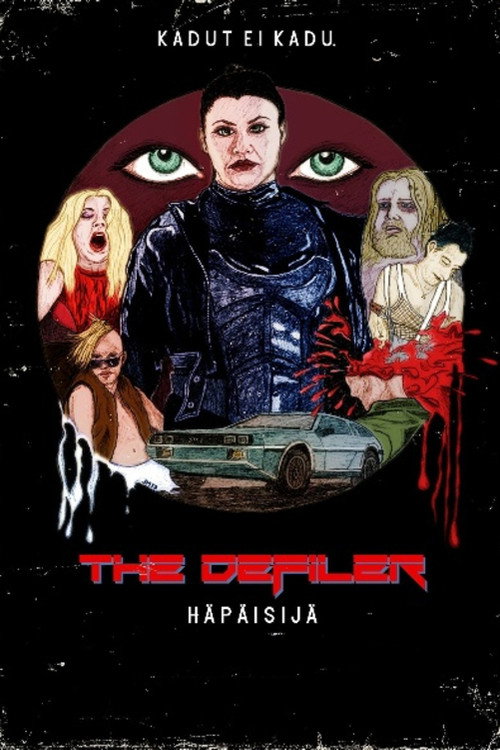
The Defiler2016
A mysterious phenomenon in nature warps biology and reason itself. Like In the Earth, it's sci-fi horror that treats the natural world as a source of profound existential dread rather than just a setting.
But The third act leans harder into visual spectacle than psychological horror, which some find a letdown after the build-up.
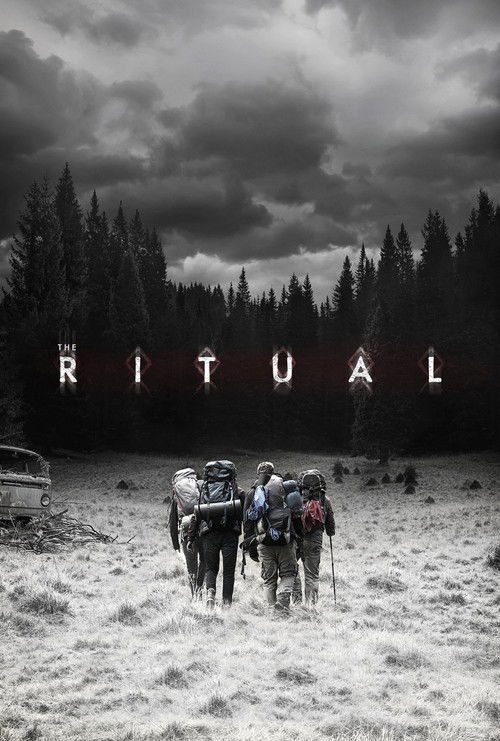
The Ritual2017
Friends hiking in a Swedish forest encounter something ancient and wrong in the trees. It has the same claustrophobic dread, the sense that the forest itself is a character, and the creeping realization that their guide knows more than he's saying.
But The creature design in the final act is very utilitarian CGI, not particularly frightening once you see it clearly.
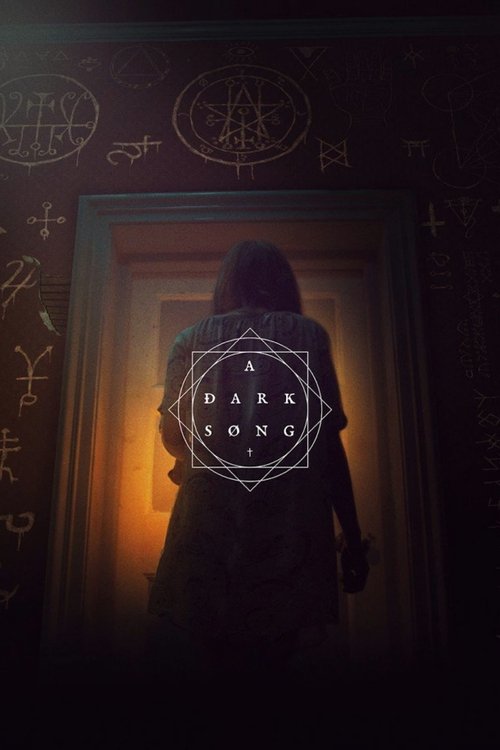
A Dark Song2016
Two people isolated in a house attempting something occult, with reality fragmenting as their ritual progresses. Like In the Earth, it's about the dissolution of certainty and features gorgeous, unsettling cinematography of enclosed spaces.
But It's slow and meditative; if you want plot momentum, this will feel deliberately evasive.
Not sure tonight? Get a pick in a minute, starting from In the Earth
The wildcard
Something you would not have found on your own.
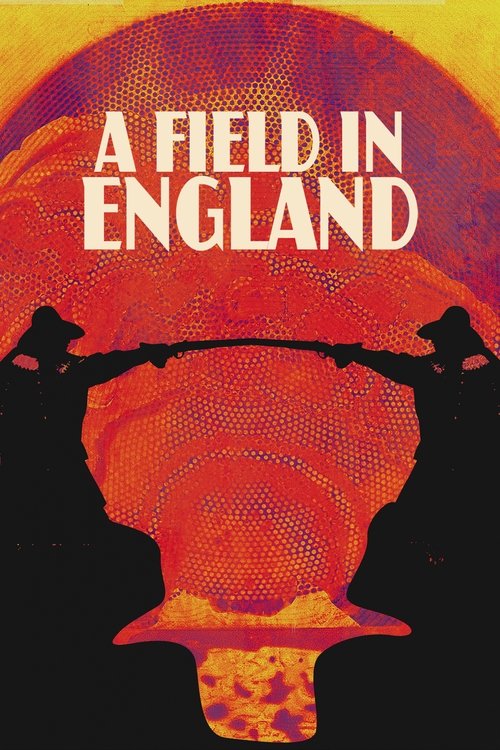
A Field in England2013
Same director exploring how environment and trauma dissolve the boundary between myth and madness.
Ben Wheatley's own earlier film: five men stumbling through a misty English field during the English Civil War, gradually losing grip on reality and time. It's exactly the same filmmaker's DNA—trippy, violent, formally inventive, about the way isolated groups unravel and the landscape becomes a psychological space rather than a location.
But Shot in high-contrast black-and-white on digital video with minimal dialogue; it feels more like an extended art installation than a conventional film.
More like this (8)
The Wailing2016
A village is plagued by unexplained deaths and psychological suspicion. It shares In the Earth's refusal to clarify what's real, what's spiritual, and what's delusion—and the same commitment to ambiguity over answers.
But It's 156 minutes and demands active interpretation; there's no moment where the film explains itself to you.

Under the Skin2014
Scarlett Johansson driving through Scotland encountering the inexplicable. Visually hypnotic, deeply unsettling, prioritizes mood and sensory experience over narrative clarity—a film that works on you viscerally.
But The plot is minimal and the pacing is glacial; patience isn't just helpful, it's required.

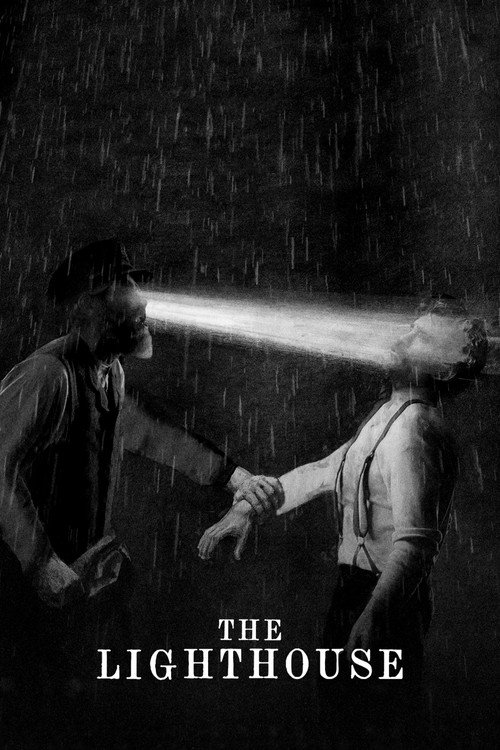
The Lighthouse2019
Two men trapped together on an island descend into paranoia and madness. Black-and-white, claustrophobic, and featuring reality warping as psychological pressure builds—the same disorientation technique as In the Earth.
But It's deliberately obtuse and theatrical; some viewers find it more style than substance.
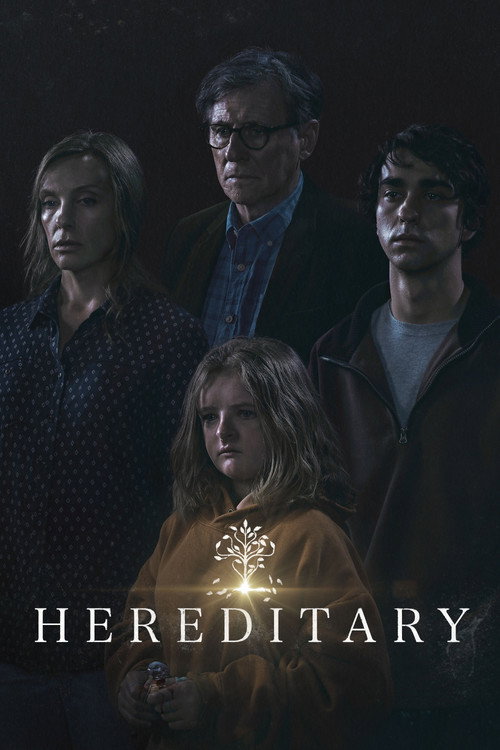
Hereditary2018
Horror that treats the inexplicable and occult as genuinely disorienting rather than just scary. Ari Aster's control of atmosphere and his willingness to let events spiral beyond comprehension echo In the Earth's aesthetic.
But Contains graphic family violence and suicide; it's grief-based horror that some find more exhausting than entertaining.
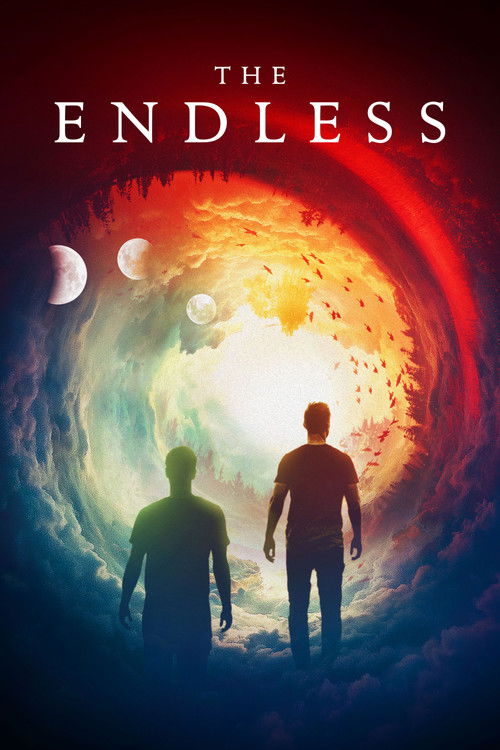
The Endless2017
Two brothers escape a cult only to find themselves trapped in a recursive time loop in the desert. Like In the Earth, it's a film where the environment is malevolent and reality's rules keep shifting beneath the characters' feet.
But The indie aesthetic and low budget mean some effects don't land; the coherence of its own logic strains toward the end.
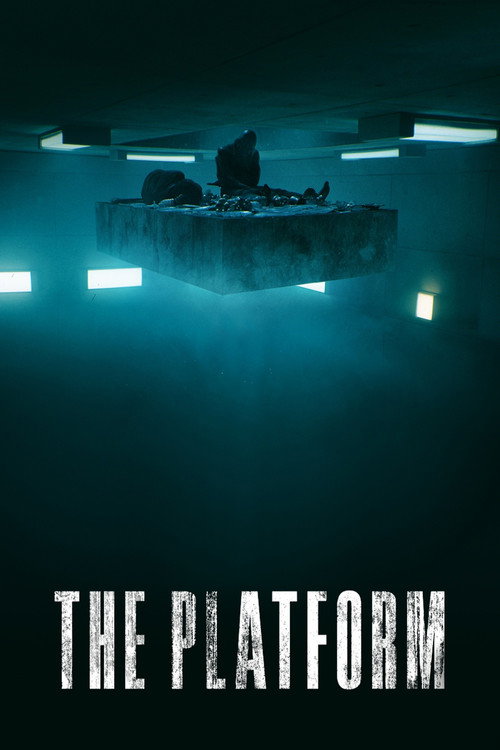
The Platform2019
A man wakes in a mysterious vertical prison where every day resets. Surreal and deeply unsettling, it shares In the Earth's willingness to prioritize atmosphere and wrongness over plot convenience.
But It's primarily a Spanish-language film; subtitles required. Also, the premise becomes repetitive deliberately, which some find tedious.
Stalker1979
Both are films where nature and the guide conceal something the characters are not equipped to understand; both treat the journey as metaphysical corruption.
Andrei Tarkovsky's Soviet masterpiece: a guide leads two men into a mysterious zone toward a room said to grant wishes. Hypnotic, meditative, spiritually dizzying—two hours of watching people walk through landscapes while reality becomes increasingly unreliable. It's what In the Earth watches and learns from.
But It moves at Tarkovsky's glacial pace (163 minutes), and long stretches are people walking in silence. This is not entertainment, it's a spiritual exercise.

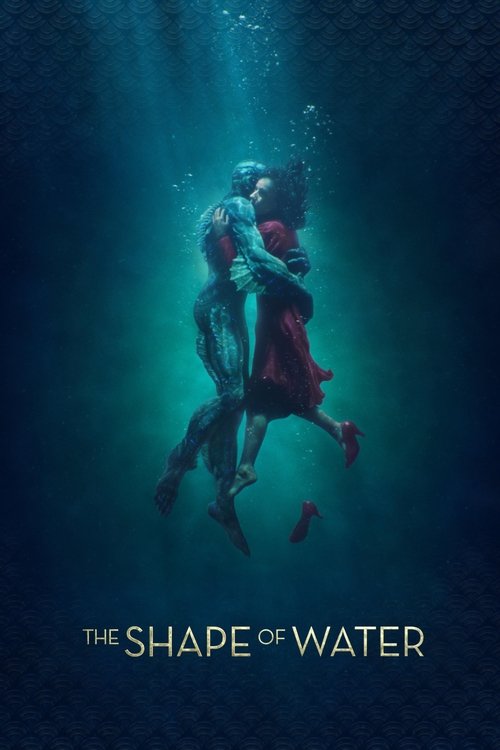
The Shape of Water2017
Both films pit scientific rationalism against something nature that cannot be owned or explained; both ask whether understanding requires violation.
Guillermo del Toro's lush, painterly film set in a Cold War laboratory where a mute cleaner falls in love with an amphibious creature. Tonally it's fairy tale rather than horror, but it shares In the Earth's visual intoxication and its central premise: that the 'monster' or the 'other' in nature might be far less monstrous than the rational people trying to study or exploit it.
But It's romantic and whimsical in a way In the Earth actively avoids; if you want unrelenting dread, this detours into tenderness.
People
Cast
 Joel FryDr. Martin Lowery
 Ellora TorchiaAlma
 Hayley SquiresDr. Olivia Wendle
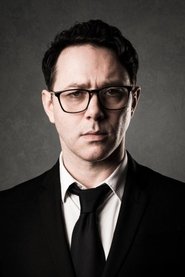 Reece ShearsmithZach Whitehead
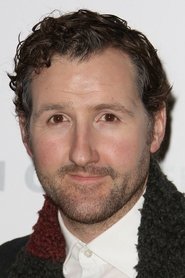 John HollingworthLord James Karel
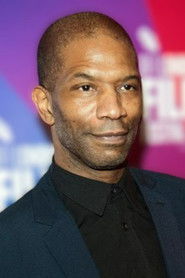 Mark MoneroDr. Frank Jarrek
Directing
- Ben WheatleyDirector
- Andi ColdwellFirst Assistant Director
- Anita ChristyScript Supervisor
- Charlie VaughanSecond Assistant Director
- Jack WrenThird Assistant Director
Writing
- Ben WheatleyScreenplay
Production
- Shaheen BaigCasting
- Amy JumpExecutive Producer
- Ben WheatleyExecutive Producer
- Jeff DeutchmanExecutive Producer
- Tom QuinnExecutive Producer
- Michael S. ConstableLine Producer
- Rob MorecroftLocation Assistant
- Ed BurrellLocation Manager
- Andrew StarkeProducer
- Cecily ColahanProduction Coordinator
- Filiz-Theres ErelProduction Manager
- Ed BurrellUnit Manager
Recommended by
Y Gwyll, Wuhan Wuhan, Brick Lane, Let Me Out, The First Wave - Milan in the Time of Covid-19, The Colony, A Murder to Remember