
Film
Raja
Raja is a 1995 Hindi action-romance that swings between elaborate musical sequences and violent melodrama with the ease of a seasoned Bollywood entertainer. Madhuri Dixit carries the film with her dancing and presence, while the plot—driven by class conflict, broken promises, and revenge—unfolds across three hours with all the sincerity a masala film can muster. It's for anyone who loves '90s Bollywood maximalism: big emotions, bigger stakes, and the kind of romance that doubles as a moral reckoning.
If you liked this
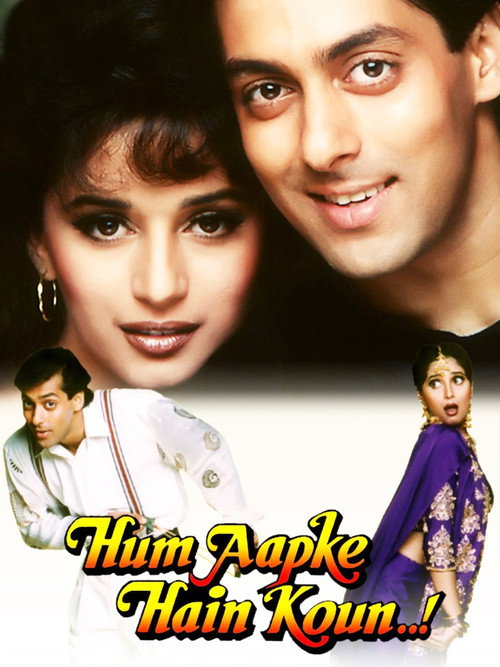
Hum Aapke Hain Koun..!1994
The gold standard of '90s Bollywood romance with Madhuri Dixit at peak stardom. Lavish family drama, unforgettable music, and the same blend of sentiment and spectacle that makes Raja work, but with warmer emotional logic.
But Nearly four hours long, and the plot hinges on a death that feels manipulative by modern standards. The pacing can feel glacial if you're not ready to surrender to it.
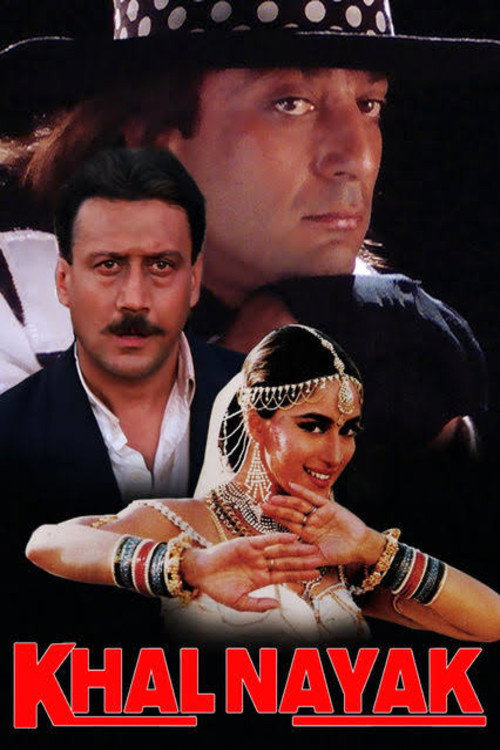
Khal Nayak1993
The film that made Madhuri's 'Choli Ke Peechhe' a cultural moment. Action, romance, moral ambiguity, and a female lead who refuses to be a prize—all the elements that drive Raja, but tighter and with more edge.
But The premise involves a cop-criminal romance that some will find distasteful. Sanjay Dutt's charisma dominates scenes where the story needs nuance.
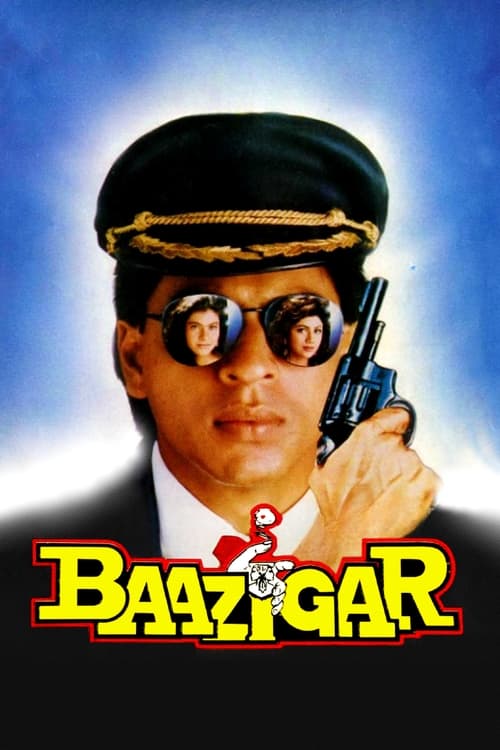
Baazigar1993
Shah Rukh Khan's breakout role in a revenge thriller that proved masala could have genuine menace. If Raja's violence appeals to you, this shows what stakes and betrayal really look like in '90s Hindi cinema.
But Much darker in register—no dancing, little joy. It's a revenge film, not a romance, so the emotional shape is completely different.
Not sure tonight? Get a pick in a minute, starting from Raja
The wildcard
Something you would not have found on your own.
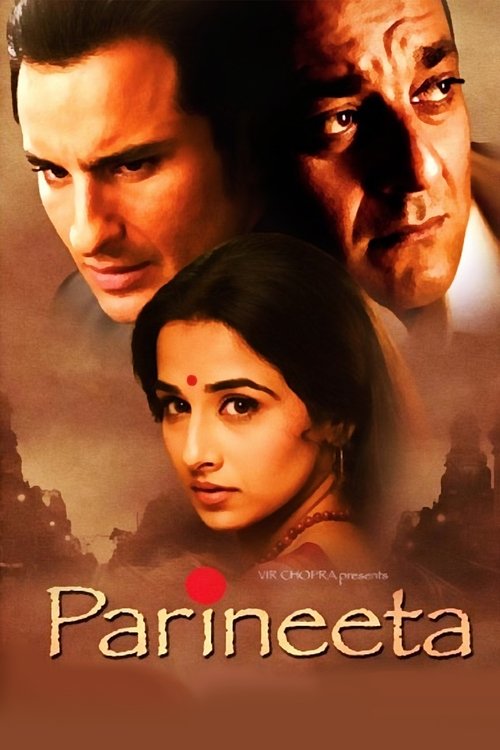
Parineeta2005
Both films pivot on a marriage promise betrayed by class, then become stories about whether love can survive that wound. Raja makes it operatic; Parineeta makes it human.
A modernized love story about class conflict and broken promises—the same DNA as Raja—but told with far greater nuance and emotional precision. Vidya Balan and Saif Ali Khan have real chemistry, and the film trusts the audience to sit with ambiguity.
But A period piece set in Calcutta that trades spectacle for intimacy. If you came to Raja for the action and the scale, this will feel small and slow.
More like this (7)
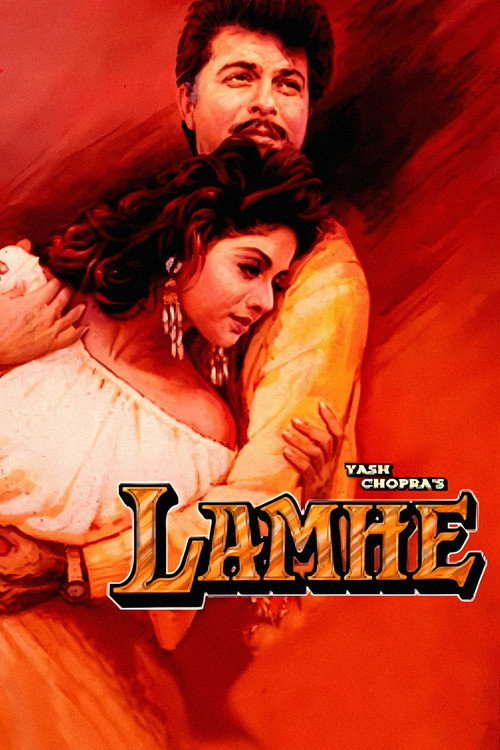
Lamhe1991
Sridevi and Anil Kapoor in a film about desire that crosses class and generation. Visually sumptuous, morally complex, and unafraid to let romance be dangerous and destructive.
But Yash Chopra's most divisive work—some find it gorgeous and some find it creepy. Very long, and the ending divides viewers sharply.
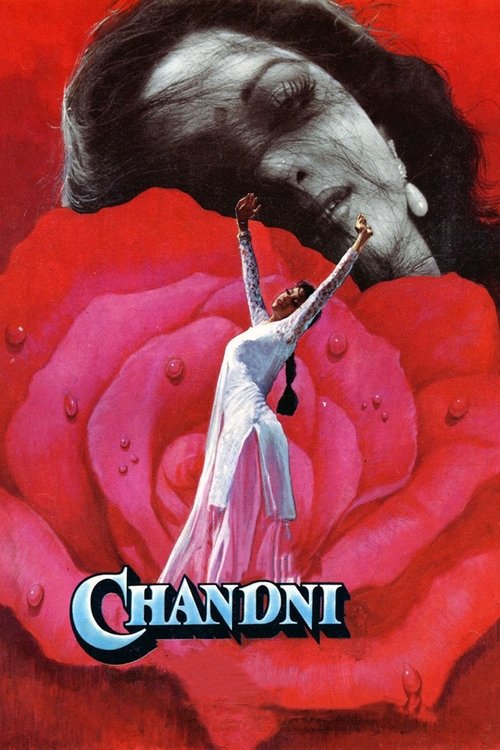
Chandni1989
The Yash Chopra template that shaped the entire era: Sridevi in white, class conflict, a love that must overcome impossible odds. If you respond to Raja's romanticism, this is where that sensibility was perfected.
But Feels dated in ways that charm some and alienate others. The female lead's agency is limited by modern standards, and the plot turns on her sacrifice.
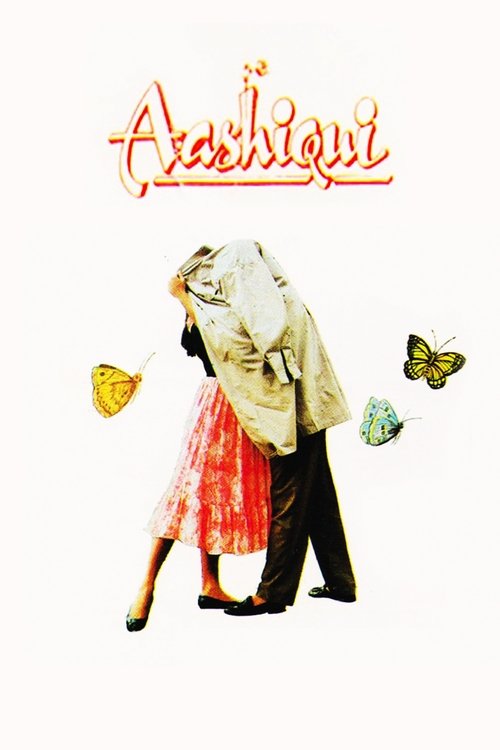
Aashiqui1990
A love story built entirely around music, with a soundtrack that defined the era. Passionate and musically inventive in ways that make even the melodrama work. Great if you love songs that feel organic to the story.
But The plot is thin—really just a succession of musical moments strung together. If you need story structure over mood, you'll find it frustrating.
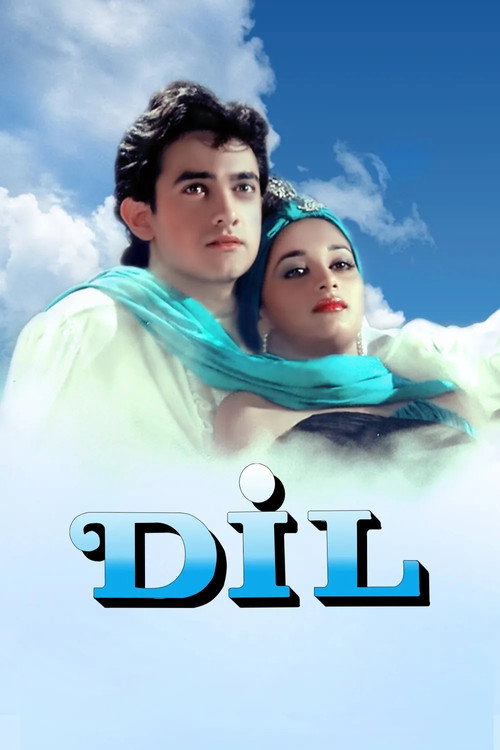
Dil1990
Aamir Khan and Madhuri Dixit in a love story that balances action, romance, and humor more gracefully than most. The dancing is genuinely fun, and the film doesn't take itself too seriously.
But Lighter in tone than Raja, which means less operatic and less likely to satisfy if you want your romance mixed with genuine stakes and pain.
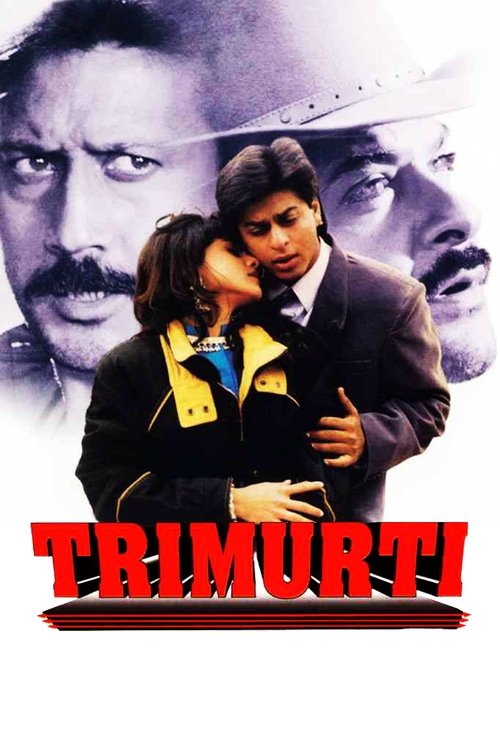
Trimurti1995
Released the same year as Raja, this Sanjay Kapoor vehicle also leans hard on action and class-conflict romance. A solid example of where mainstream Bollywood was heading in the mid-'90s.
But A remake of a Telugu film that loses something in translation. The three-hero structure dilutes emotional focus, and it's a film that very few people remember fondly.
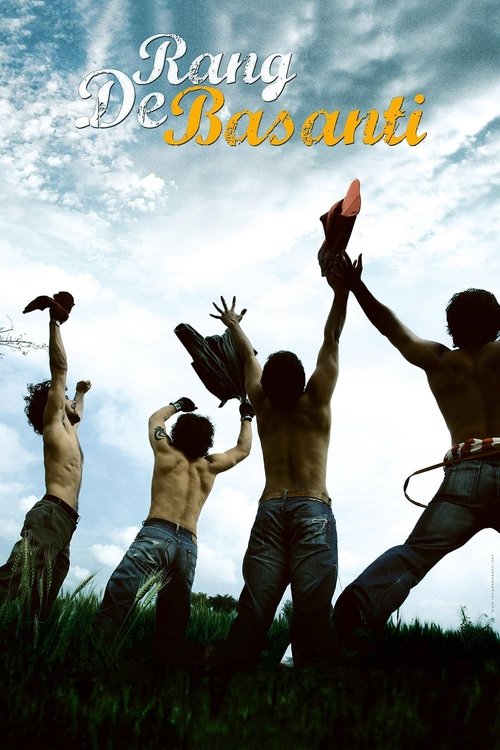
Rang De Basanti2006
Both use violence and anger as responses to injustice, but Raja contains it in a personal revenge story while Rang De Basanti insists the struggle is collective and political.
A film that takes the energy and anger driving Raja's revenge plot and channels it into activism and political awakening. Aamir Khan at his most magnetic, a soundtrack that matters, and real moral stakes beneath the action.
But The violence is shocking and the politics uncompromising—this isn't entertainment in the way Raja is. Some will find it preachy; others find it essential.
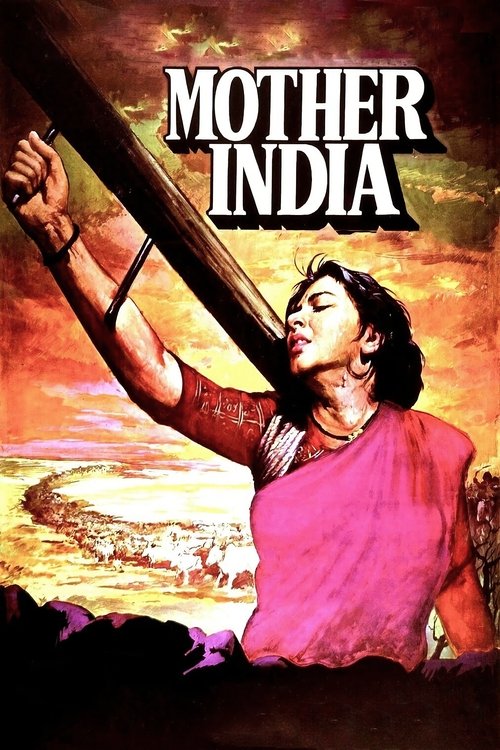
Mother India1957
Both films believe that class betrayal justifies violence, and both use the family—particularly the bond between siblings—as the moral center. Mother India is where Bollywood learned to tell this story; Raja is how it still tells it forty years later.
Nargis in a film that established the template every melodrama since has followed: rural poverty, class hierarchy, maternal sacrifice, violence as inevitable. Watch it to understand where Raja's emotional architecture comes from, and how the form has evolved and repeated.
But Shot in black and white in 1957, it moves at a pace that will test modern patience. The gender politics, though progressive for the era, are deeply dated. It's a historical text, not a contemporary entertainment.
People
Cast
 Madhuri DixitMadhu Garewal
 Sanjay KapoorRaja
 Mukesh KhannaRana Mahendra Pratap Garewal
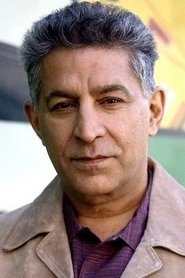 Dalip TahilVishwa Garewal
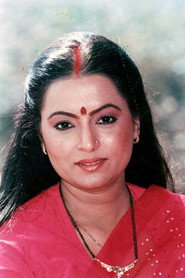 Rita BhaduriSumitra Garewal
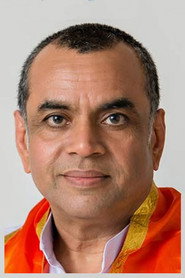 Paresh RawalBrijnath "Birju" Patangwala
 Tiku TalsaniaNeta
 Himani ShivpuriKaki
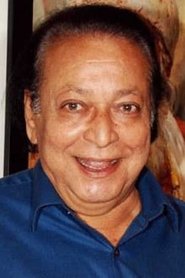 Dinesh HingooRongala
 Mushtaq KhanBanwarilal
Directing
- Indra KumarDirector
Writing
- Naushir KhatauWriter
- Praful ParekhWriter
- Rajeev KaulWriter
- Tanveer KhanWriter
Production
- Ashok ThakeriaProducer
- Indra KumarProducer