
Film
Jai Santoshi Maa
A 1975 Hindi devotional drama about a childless woman whose faith in Goddess Santoshi Maa transforms her fortunes and standing in her community. Sincere, emotionally direct, shot through with spiritual conviction. It's a film that asks you to meet it on its own terms—one that trusts in prayer, ritual, and divine intervention as genuine solutions to earthly suffering.
Should you watch it?
Watch it if you enjoy devotional cinema where faith is played straight, with gods appearing in the middle of household trouble and the film trusting its earnest sincerity rather than winking at it.
Skip it if you want brisk pacing or a modern sensibility, since at nearly two and a half hours its melodrama, broad performances and frequent devotional songs can feel slow and earnest.
What it asks of you: Settle in for a long, unhurried sitting, with a patient rhythm and a warm, sometimes melodramatic tone that moves between sorrow and gentle celebration.
Not sure? Find tonight's pick in a minute.
If you liked this
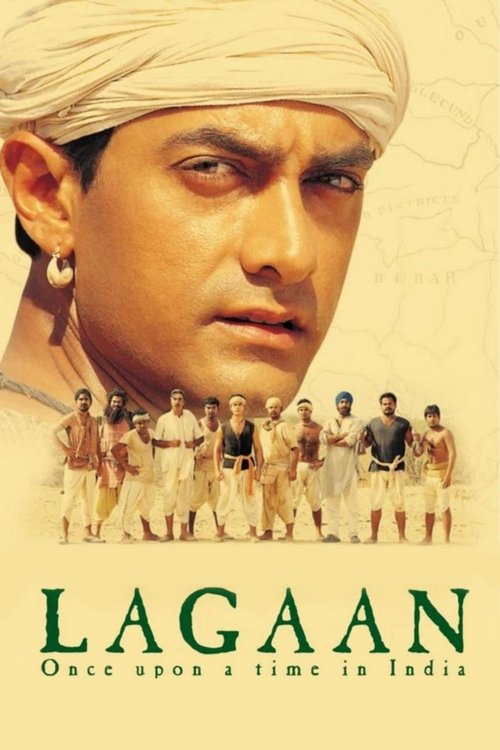
Lagaan: Once Upon a Time in India2001
An epic about faith, community, and perseverance against impossible odds. Like Jai Santoshi Maa, it trusts entirely in its moral vision and asks audiences to believe in something larger than individual struggle.
But Over three hours long, in Hindi with subtitles, and refuses to be cynical about belief—which can feel foreign to modern sensibilities.
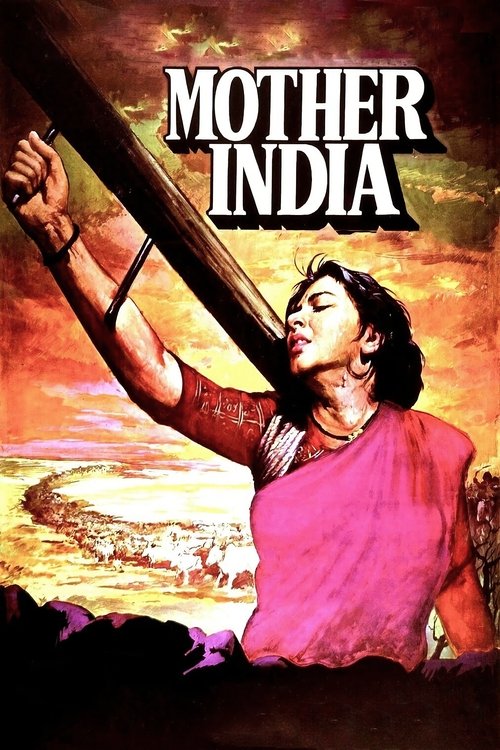
Mother India1957
The spiritual ancestor of devotional cinema: a mother's sacrifice and redemption through suffering and faith. Both films center female resilience as sacred and transformative.
But The melodrama is intense and unironic. If you need restraint in your emotional storytelling, this will feel too much.
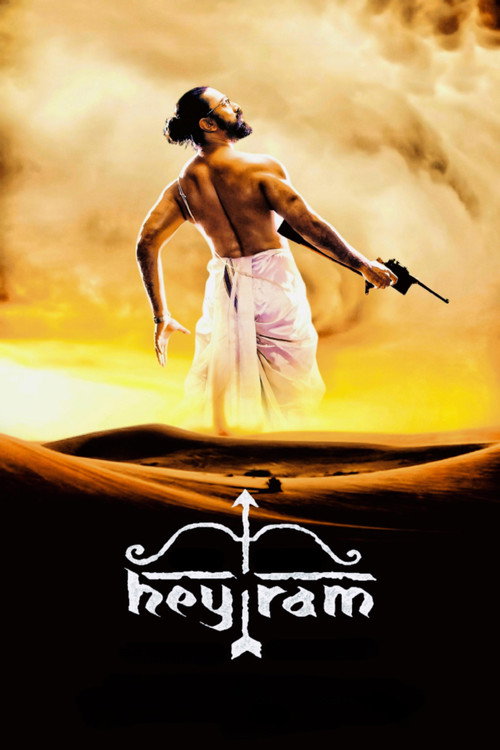
Hey Ram2000
Kamal Haasan's film about faith, violence, and the search for spiritual meaning in fractured times. Shares Jai Santoshi Maa's interest in how belief shapes identity and action.
But It's fragmented, formally ambitious, and deeply pessimistic—a spiritual inquiry that finds no easy answers.
Not sure tonight? Get a pick in a minute, starting from Jai Santoshi Maa
The wildcard
Something you would not have found on your own.
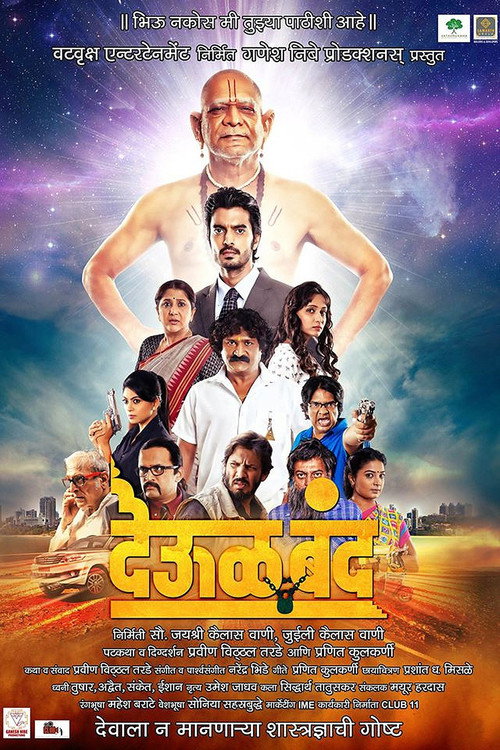
Deool Band2015
Both trust that faith can be humorous and community-saving without irony. Both ask: what do we sacrifice and gain when we commit to belief?
A Marathi film about four men who become priests to save a temple from being demolished. It's comedy, but sincere about faith—proving that devotion and humor aren't opposites. Unexpected pleasure in the same moral universe.
But It's a regional film in Marathi without wide distribution. The comedy tone may feel jarring if you want pure devotion.
More like this (5)
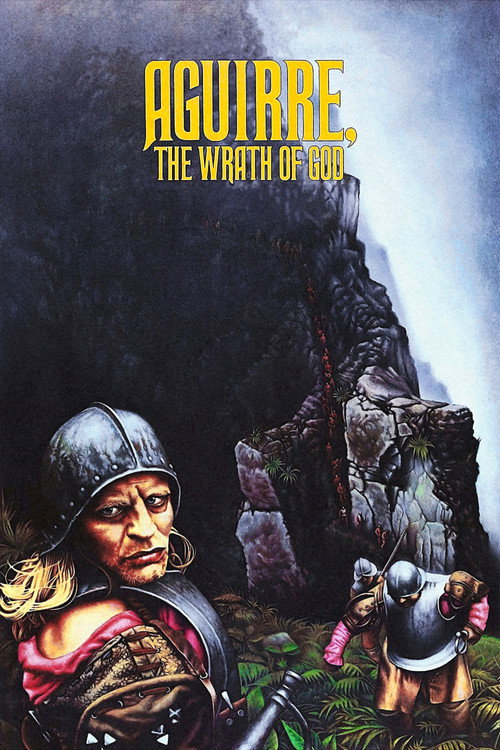
Aguirre, the Wrath of God1972
Another Indian devotional film exploring the relationship between faith, fraud, and genuine spiritual need. Same era, same questions about who gets to decide what's real.
But Harder to find and far more ambiguous about whether belief is justified—it won't give you the comfort Jai Santoshi Maa does.
Pather Panchali1955
Satyajit Ray's masterpiece about poverty, family, and finding grace in suffering. A different aesthetic but the same faith that life's hardships contain spiritual truth.
But Formally austere, slow-paced, and offers no narrative comfort—it observes suffering rather than resolving it.

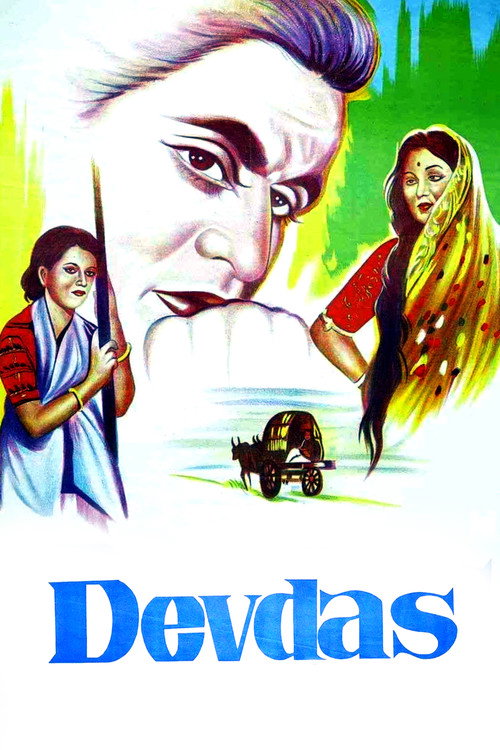
Devdas1955
A Hindu classic about desire, duty, and spiritual consequence. Shares Jai Santoshi Maa's interest in how individual choices ripple through moral and divine order.
But It's ornate, aristocratic, and interested in tragedy over redemption—a completely different tonal register.
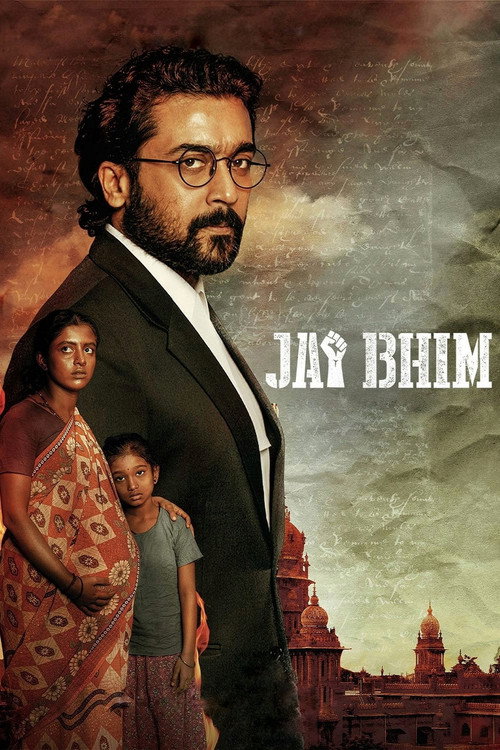
Jai Bhim2021
Both films believe that faith and commitment can redeem the suffering. Both center the powerless and ask us to witness their vindication.
A Tamil legal drama about a lawyer fighting for justice for the marginalized. It shares Jai Santoshi Maa's conviction that faith—in law, in humanity, in righteousness—can materially change lives. Devotion to justice as spiritual practice.
But It's courtroom drama, not mysticism. Modern, angry, and shaped by law rather than the divine. Completely different in style and substance.
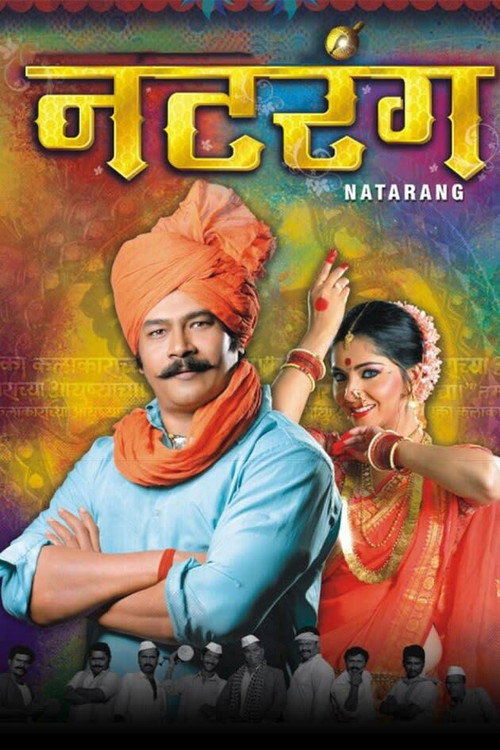
Natrang2010
Both explore how commitment to something sacred—a goddess, a character, a faith—can remake a person from the inside out. Both trust in transformation through devotion.
A Marathi film about an aging man who discovers theater and becomes possessed—spiritually and artistically—by a classical role. It's about devotion transforming identity and making the mundane sacred. Slower and stranger than Jai Santoshi Maa but equally convinced of transcendence through practice.
But It's austere, dreamlike, and formally experimental. If you want narrative momentum and resolution, this dissolves into meditation instead.
People
Cast
- Ashish KumarBrijmohan ("Birju") Vyas
- Kanan KaushalSatyavati Vyas (née Sharma)
 Bharat BhushanPandit Devidutt Sharma
- Anita GuhaShri Santoshi Mata
- Rajni BalaGeeta
- Trilok KapoorLord Shiva
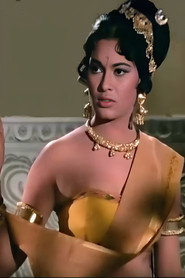 Bela BoseDurga Vyas
- B.M. VyasGeeta Father and jeweller businessman
 Rajan HaksarBhairav "Bhairavram" Vyas
- PadmaraniDevi Mata Brahmani
 MahipalDevarishi Narada
Directing
- Vijay SharmaDirector
Writing
- Pandit R. PriyadarshiWriter