
Film
Love Story
Other titles called Love Story: the 1970 film.
A 1981 Hindi drama following two estranged lovers whose paths intertwine through their children's romance. It's a sweeping melodrama about fate, family honour, and second chances, built on a premise that plays as both romantic and quietly tragic. For anyone drawn to grand emotional gestures and the Bollywood idiom of destiny reshaping lives.
Should you watch it?
Watch it if you love old-fashioned melodrama where a lovers' ache is played big, with grand gestures and sorrow, and you don't mind a story that feels earnest rather than ironic.
Skip it if you want restraint or brisk storytelling, since its sincere, slow pace stretches across a very long runtime.
What it asks of you: Settle in for a long, unhurried sit of over two and a half hours, where the emotion builds slowly and the mood stays earnest rather than light.
Not sure? Find tonight's pick in a minute.
If you liked this
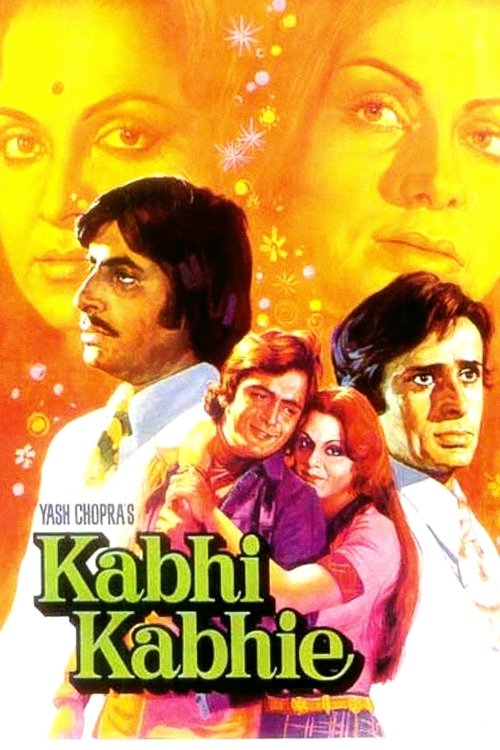
Kabhi Kabhie1976
Yash Chopra's meditation on love across decades, with Amitabh Bachchan and Rajesh Khanna orbiting the same woman. Shares the same bittersweet register: some loves end, but they never quite disappear.
But Deliberately paced and introspective in ways that can feel slow if you're looking for plot momentum rather than feeling.
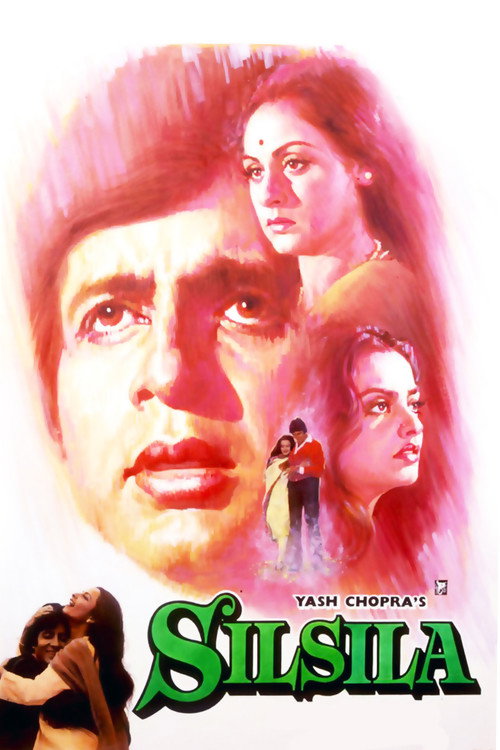
Silsila1981
Released the same year, another Yash Chopra film about the collision of past and present love. Amitabh and Jaya Bachchan caught between old desire and new commitment. Morally murkier than most.
But The film's treatment of infidelity as romantic may feel dated or uncomfortable depending on what you bring to it.
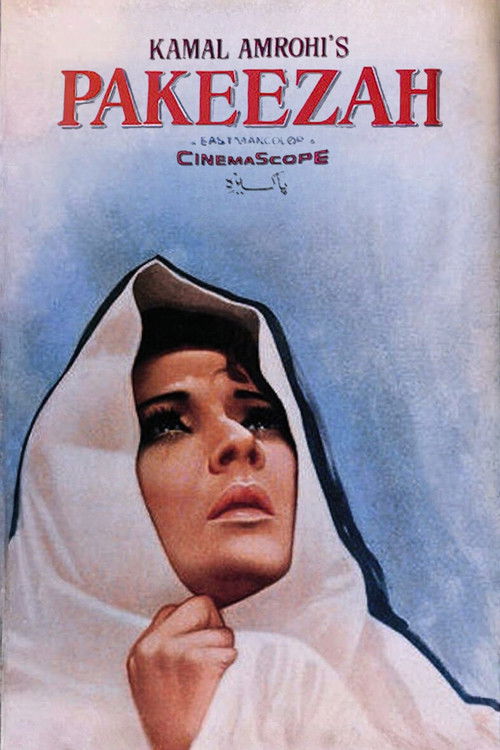
Pakeezah1972
A woman from a family of courtesans falls for a nobleman; class, honour, and redemption collide. The DNA of this whole tradition—melodrama as moral reckoning, gorgeously shot.
But The film's pacing is glacial even by 1970s standards, and the philosophical arguments can overshadow character.
Not sure tonight? Get a pick in a minute, starting from Love Story
The wildcard
Something you would not have found on your own.
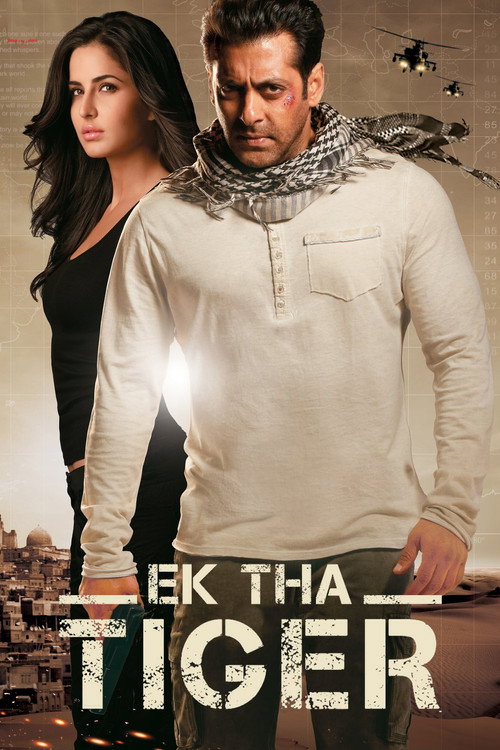
Ek Tha Tiger2012
Both films ask: what happens when love and loyalty collide? Both pit personal desire against institutional or family obligation, and both suggest there is no winning move.
A spy falls for his mark. It looks like a Bollywood action film but it's really about the impossibility of love under false pretences. Salman Khan doing the inverse of every romantic lead he usually plays—emotionally guarded, calculating, then destroyed by actual feeling.
But The action sequences overwhelm the emotional core; some viewers will lose patience waiting for the feeling beneath the spectacle.
More like this (8)
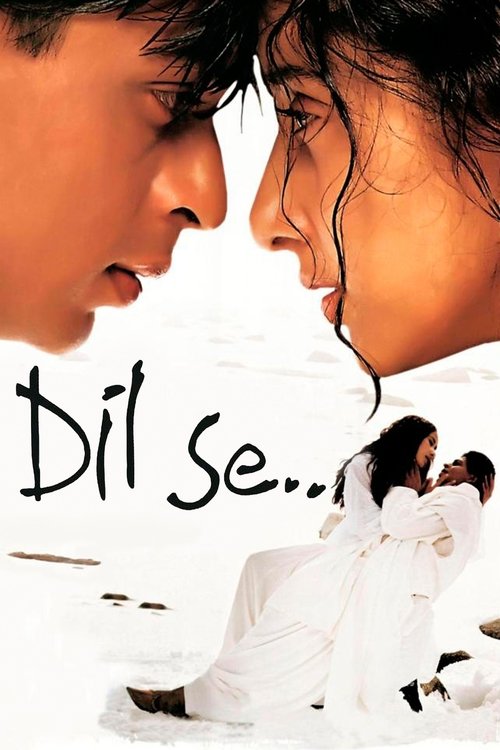
Dil Se..1998
A journalist falls for a woman with a terrible secret. Mani Ratnam updates the tragic-love template with modern politics and Air India Flight 814 echoes. Visually stunning, morally complex.
But The narrative twist divides viewers sharply; what some find devastating, others find contrived.
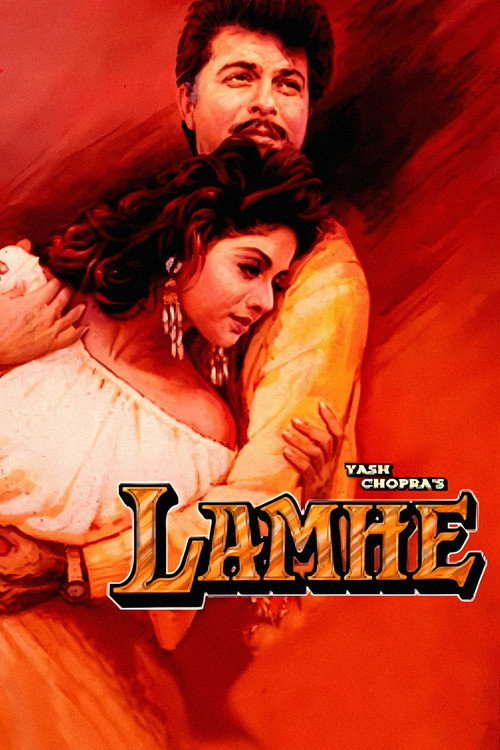
Lamhe1991
Yash Chopra's most audacious film: an older man loves a younger woman across two generations. Technicolor maximalism, impossible beauty, a love that knows it's wrong and doesn't care.
But The relationship dynamic is genuinely uncomfortable, and the film asks you to find it poetic. Some won't, and fairly so.
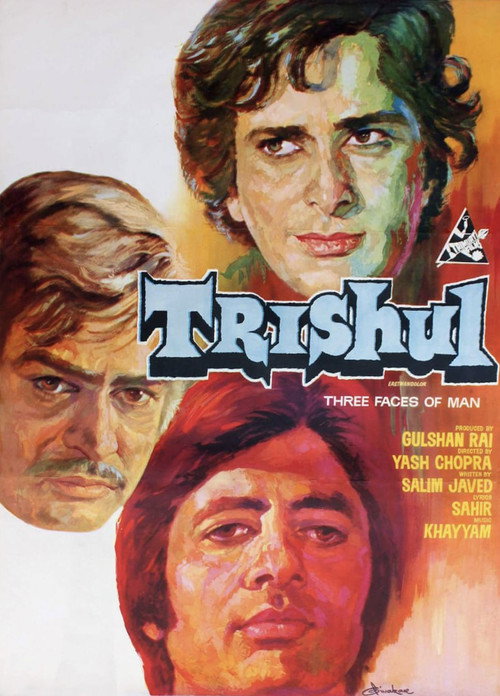
Trishul1978
A son avenges his father's humiliation by romancing the daughter of the man who wronged him. Rajesh Khanna and Amitabh face off over romantic wreckage. Crackling revenge-melodrama energy.
But The plot hangs on coincidence so vast it requires genuine suspension of disbelief.
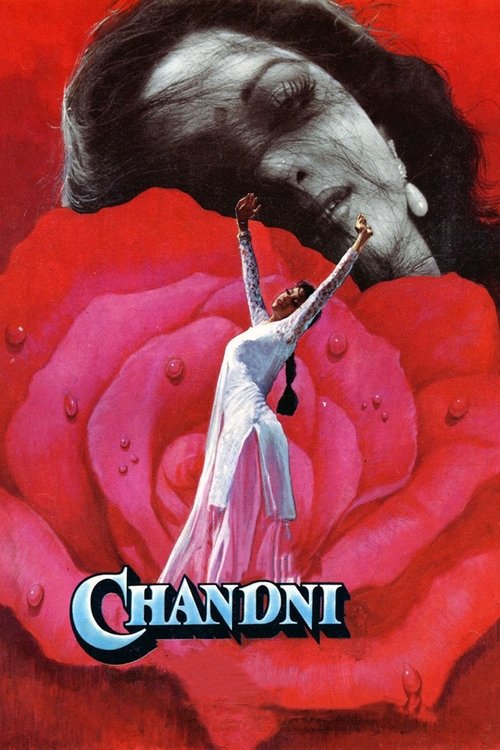
Chandni1989
Yash Chopra again: a woman must choose between two men, one safe and one dangerous. The film decides for her. Gorgeously constructed, endlessly imitated, the Bollywood romantic template crystallized.
But Sridevi's character has almost no agency, and watching her be decided-for can feel claustrophobic.
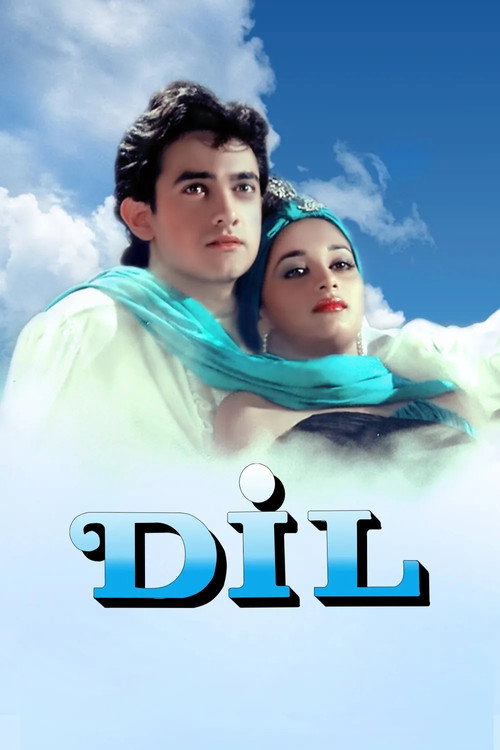
Dil1990
Aamir Khan and Madhuri Dixit circle each other across class lines. It rewires the tragic-love formula into something that actually lets people choose. Energetic where *Love Story* is grave.
But The second half loses steam and pivots into territory that feels like a different film.
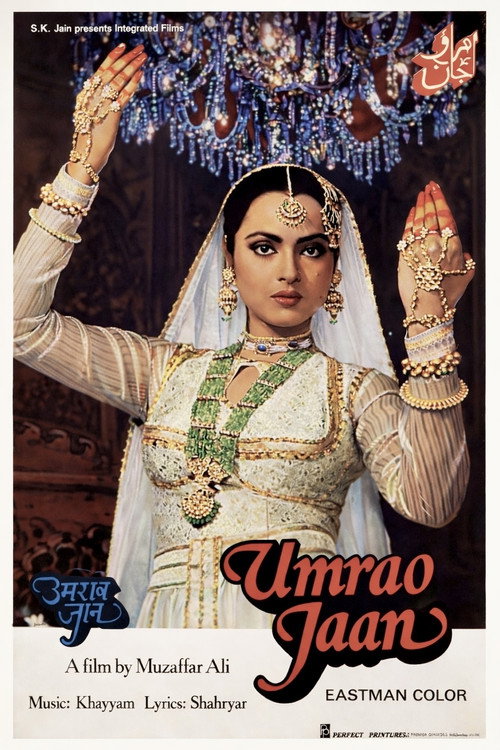
Umrao Jaan1981
Also 1981: Rekha as a courtesan trying to rise above her station. Muzzammil's compositions are aching. A woman's fate caught between desire and circumstance, like a mirror to *Love Story*'s male-centred grief.
But The film is more interested in Rekha's beauty than in fully inhabiting Umrao's interiority; she becomes spectacle.
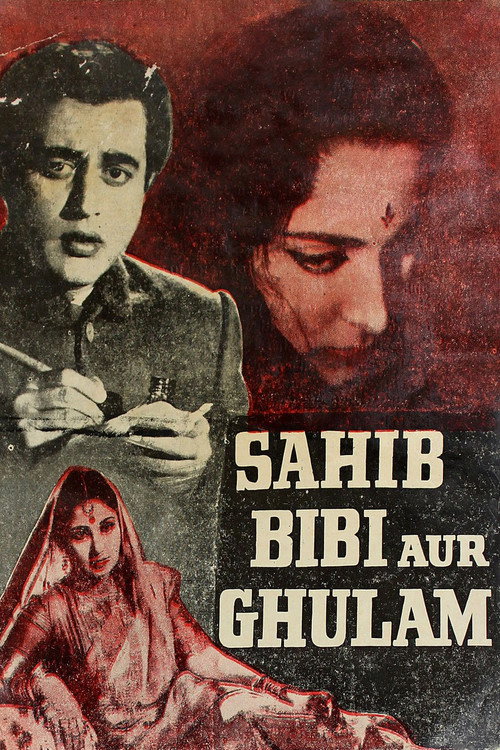
Sahib Bibi Aur Ghulam1962
Generational separation and forbidden love, yes, but more importantly: both films treat romantic desire as a kind of doom, a force that destroys more than it builds.
Guru Dutt's masterpiece about a servant who loves his employer's wife, and the slow poison of a love that can never be named. Shot in lustrous black-and-white. The ancestor of all Bollywood longing; it shows where the *Love Story* melodrama came from.
But The film's fatalism is total and suffocating. There is no moment of hope; it is about the beauty of hopelessness.
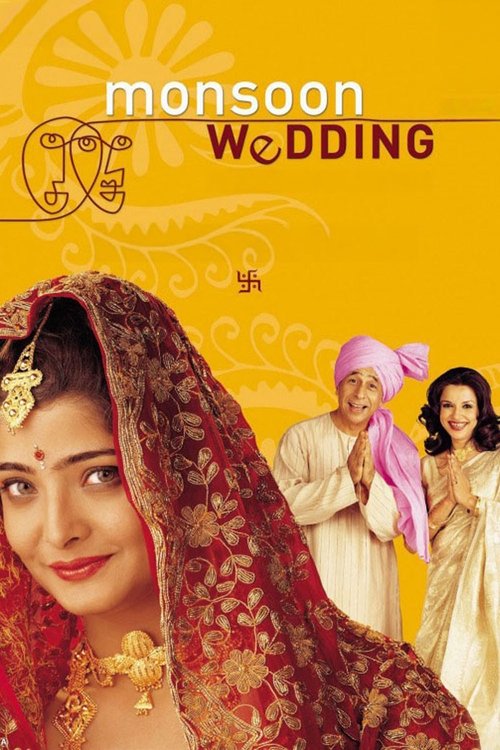
Monsoon Wedding2001
Both films centre on the collision between what the heart wants and what the family has already decided. *Monsoon Wedding* just chose to make that collision loud and funny instead of grave.
Mira Nair's Delhi film about a wedding that becomes a crucible for family secrets and second chances. It's raucous, joyful, deeply messy. Shot in handheld colour. Everything *Love Story* is not—except that underneath the noise is the same question: can love survive what families do to it?
But The tone is tonal chaos—tragic revelations interrupted by song and dance. If you need emotional consistency, it will feel unmoored.
People
Cast
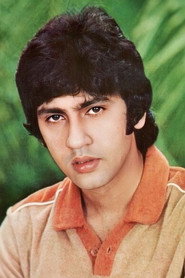 Kumar GauravBunty Mehra
 Vijayata PanditPinky Dogra
 Danny DenzongpaRam Dogra
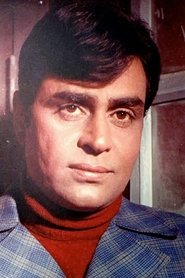 Rajendra KumarVijay Mehra
 Amjad KhanSher Singh