
Film
Sharmeelee
A 1971 Hindi melodrama built on a delicious premise: a rakish army captain falls for a vivacious woman, only to marry her demure twin by mistake. It's a glossy, romantic film stretched across nearly three hours, fueled by Shashi Kapoor's charm and Rakhee's dual performance. Made for anyone who loves old Bollywood's unapologetic excess and emotional sweep.
If you liked this
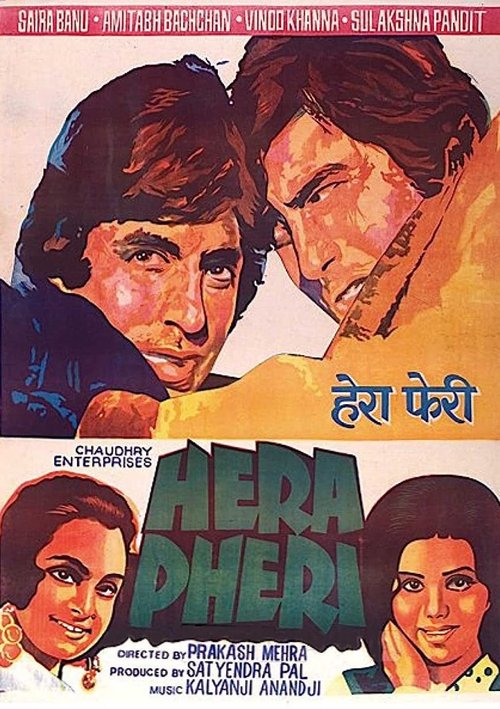
Hera Pheri1976
Another Kapoor vehicle that trades on mistaken identity and romantic confusion with equal verve. If you loved the premise of Sharmeelee, this delivers more of the same high-stakes romantic entanglement with similar star power and melodramatic flair.
But The plot machinery creaks audibly—contrivance piled on contrivance. By the end you're watching the film move pieces around rather than tell a story.
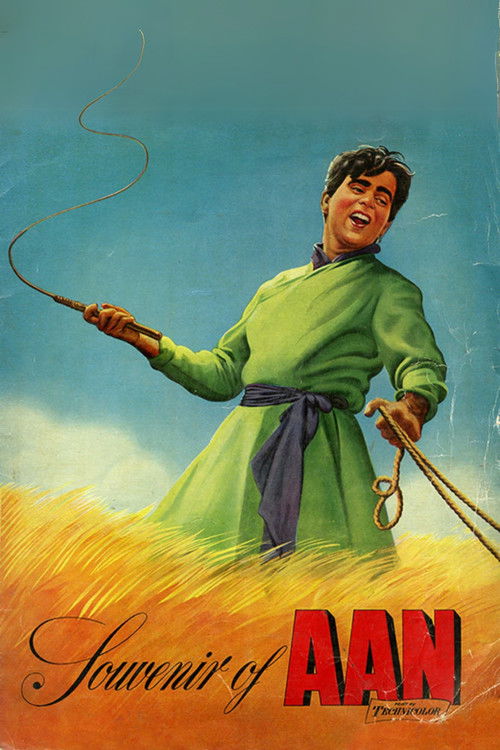
Aan1952
An earlier Technicolor romance about a daring captain and the woman he pursues. It shares Sharmeelee's taste for spectacle, earnest passion, and a hero who's more swagger than substance. A spiritual ancestor of the same kind of filmmaking.
But The pacing is glacial by modern standards, even by 1970s standards. It's a film that asks you to luxuriate in longing rather than move forward.
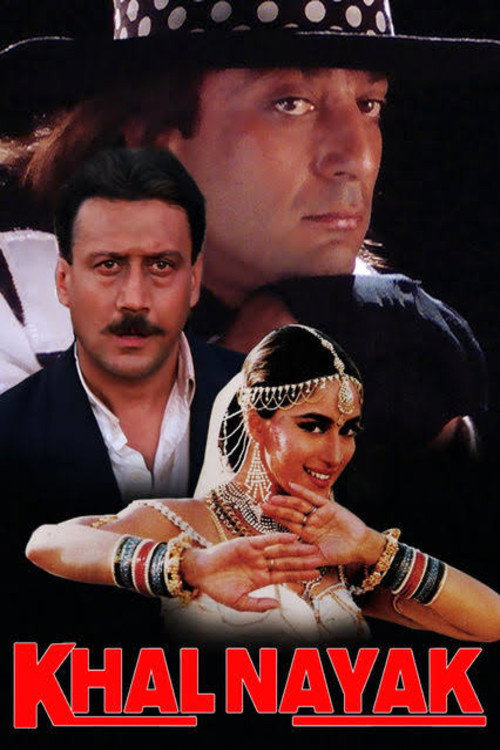
Khal Nayak1993
Reunites Kapoor with Rakhee and doubles down on deception, dual identities, and the erotic charge of not knowing who you're with. It's Sharmeelee's DNA mutated through the 1980s—glossier, wilder, more explicitly sexual.
But The tone is incoherent, lurching between serious crime drama and romantic farce. It wants to be two films and is neither one convincingly.
Not sure tonight? Get a pick in a minute, starting from Sharmeelee
The wildcard
Something you would not have found on your own.
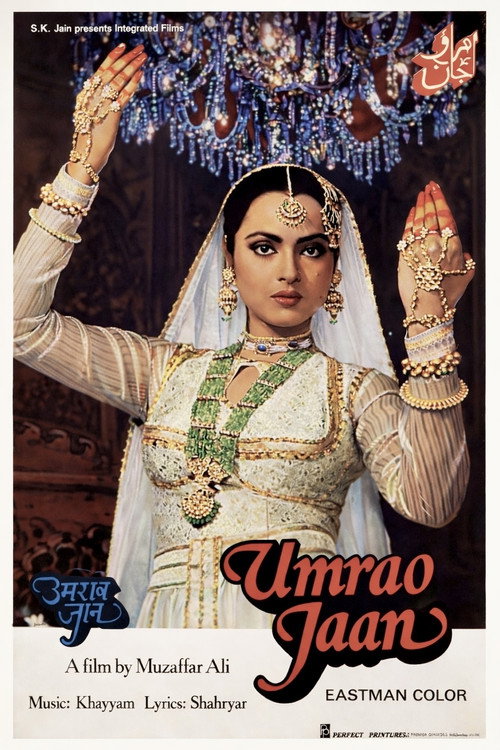
Umrao Jaan1981
Both films center on Rakhee's ability to contain contradictions—to play passion and restraint, visibility and concealment. But where Sharmeelee uses that duality as plot machinery, Umrao Jaan makes it the subject. It's the same actress, radically recontextualized.
Rakhee in a completely different register—not a romantic lead but a courtesan in Lucknow, trapped by circumstance and desire in ways that are far more tragic than anything in Sharmeelee. It's the same actress revealing entirely different depths. A masterwork.
But It's a film about exploitation and heartbreak, not entertainment. The beauty of it doesn't soften the weight. It will linger with you in ways that might not be comfortable.
More like this (7)
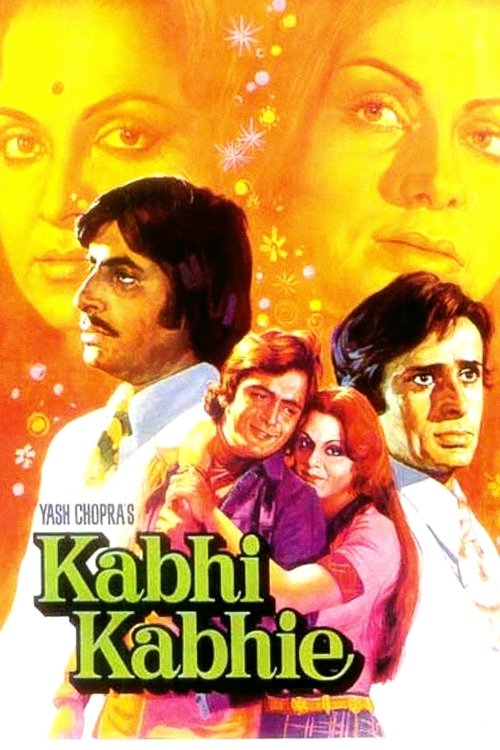
Kabhi Kabhie1976
A multigenerational romantic epic that matches Sharmeelee's appetite for emotional sweep and runtime. Kapoor's in this too, and it has the same lush, aching quality—romance as something that sustains a life rather than resolves it.
But It's a film about nostalgia for nostalgia's sake. Watching it requires accepting that yearning is enough; plot resolution is almost incidental.
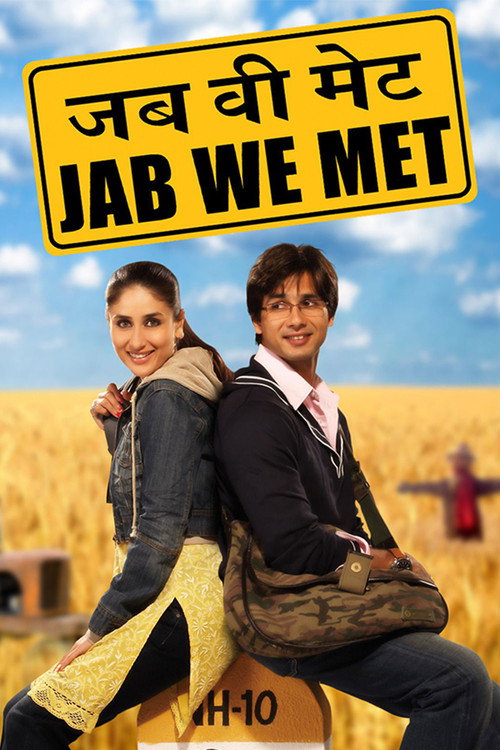
Jab We Met2007
A modern reframing of the Bollywood romance that Sharmeelee represents. Two people, mistaken or hidden identities, a long journey together. It's lighter and snappier, but built on the same emotional architecture.
But It's deliberately insubstantial—all charm and meet-cute energy. If you want weight or stakes, this will feel like cotton candy.
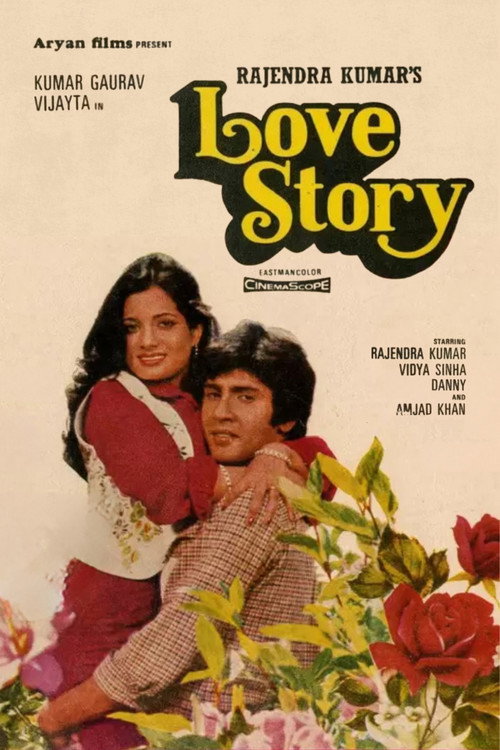
Love Story1981
Shashi Kapoor again, in another film about romance as fate and misidentification as plot engine. It has the same earnest melodrama, the same sense that love is something that happens to you rather than something you choose.
But The second half abandons the central premise and becomes a different film entirely. The tonal whiplash is severe.
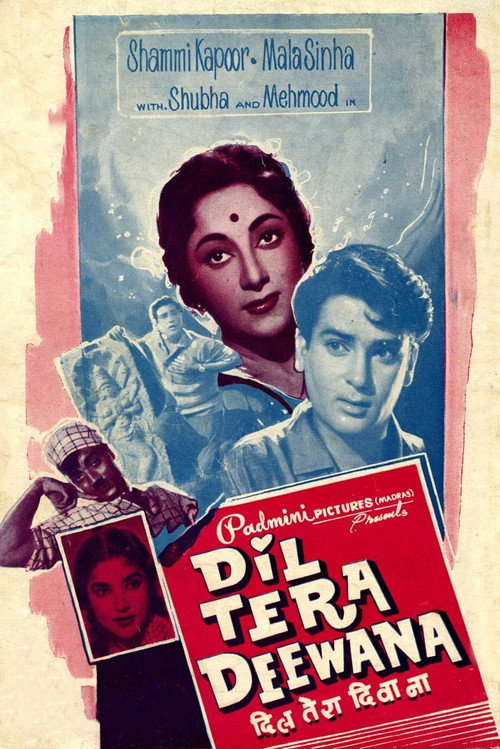
Dil Tera Diwana1962
An even earlier twin-based romance that likely influenced Sharmeelee. It has the same fascination with the idea that passion can confuse identity, that desire makes you blind to who you're actually with.
But The print quality is poor, the pacing is slow, and it's hard to track which twin is which. Restoration would help; as it stands, it requires patience.
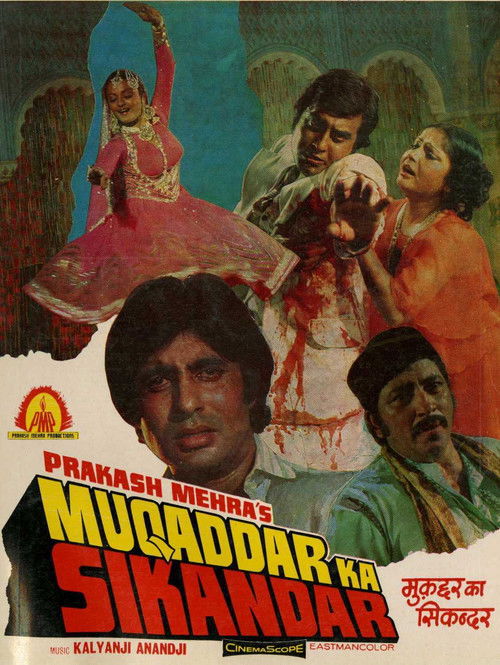
Muqaddar Ka Sikandar1978
Amitabh Bachchan in a fate-driven romance that shares Sharmeelee's belief that love and misfortune are inseparable. Less about mistaken identity and more about impossible circumstances, but the same emotional register.
But It's a film made in the shadow of Bachchan's angry-young-man persona, and the tonal confusion is never resolved. Romance and rage don't mix cleanly here.
Pather Panchali1955
Both are products of 1970s Indian cinema, but they represent its opposite poles. Sharmeelee is cinema as fantasy and escape; Pather Panchali is cinema as witness. Together they show the full spectrum of what Indian filmmaking was capable of in that moment.
An Indian film of a totally different kind—a Bengali neorealist masterpiece about poverty and family, made in the same era Sharmeelee came from. It shows what Indian cinema could do when it turned inward instead of outward, domestic instead of spectacular.
But It's austere, slow, and heartbreaking in ways that melodrama never is. There are no stars, no songs, no romantic resolution. It will feel like a rebuke to everything Sharmeelee offers.

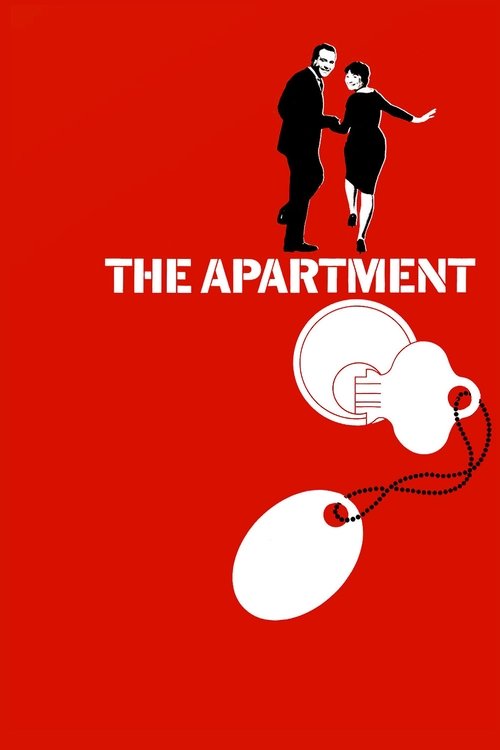
The Apartment1960
Both films are built on the architecture of mistaken identity and romantic deception. But where Sharmeelee treats this as tragic and ennobling, The Apartment treats it as farcical and revealing. They're the same premise running through completely different moral universes.
A Hollywood romantic comedy built on mistaken identities and the cruelty of desire—but American, cynical, and far more interested in humiliation than in sweep. It uses the same machinery (who's really with whom, why people lie about love) but to darker, funnier ends.
But It's a product of American 1960s gender politics, which means it's sometimes uncomfortable. The film doesn't interrogate its own attitudes; it just enacts them. And it will feel jarringly unsentimental after Sharmeelee.
People
Cast
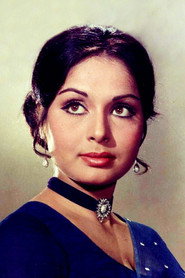 Rakhee GulzarKanchan/Kamini
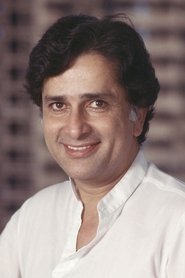 Shashi KapoorCaptain Ajit Kapoor
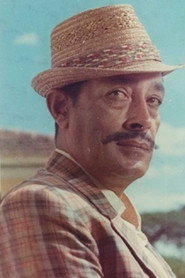 IftekharColonel
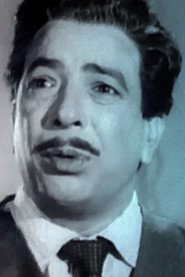 Nazir HussainFather Joseph
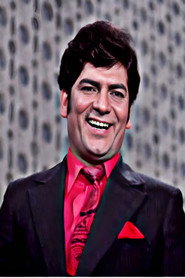 Narendra NathTiger
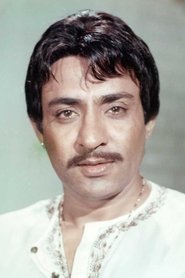 Ranjeet BediKundan
- KrishnakantDwarka
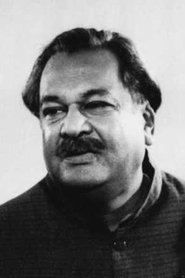 Asit SenCaptain
- Rashid KhanBedre
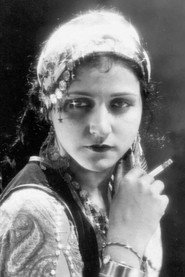 Ruby MyersAunt Rosie
- Anita DuttShanti
Directing
- Subhash MukherjeeAssistant Director
- Samir GangulyDirector
Writing
- Vrajendra GaurDialogue
- NeerajLyricist
- Gulshan NandaStory
Production
- Subodh MukherjiProducer