
Film
Aa Gale Lag Jaa
A 1973 Hindi romantic drama about class, family obligation, and the persistence of love across time. Shashi Kapoor and Sharmila Tagore anchor this lush, melodramatic film with genuine chemistry, their performances carrying you through plot turns that hinge on wealth, honour, and fate. It's a film for anyone who loves old Bollywood's capacity to be simultaneously grand and intimate.
If you liked this
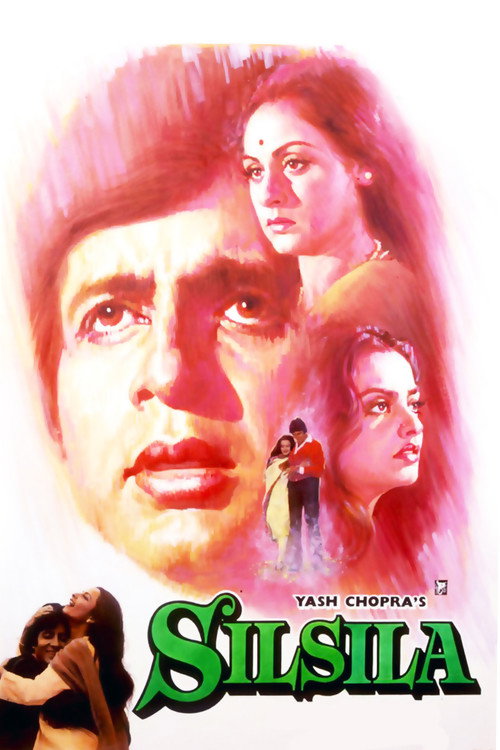
Silsila1981
Amitabh Bachchan and Rekha in a love triangle that rewrites the rules of Hindi cinema's moral universe. Like Aa Gale Lag Jaa, it asks whether love survives the wreckage of family and social expectation, but with a harder, less sentimental edge.
But At nearly three hours, it moves with deliberate pacing that can feel glacial if you're not attuned to 1980s Bollywood's rhythm. The philosophy can tip into preachiness.
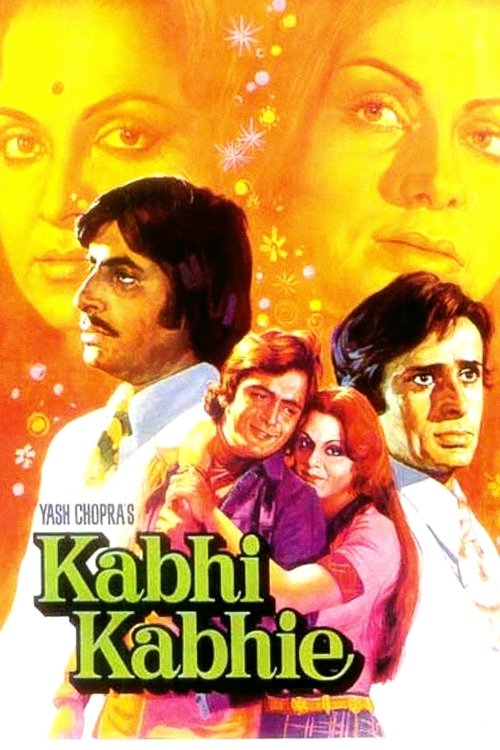
Kabhi Kabhie1976
Yash Chopra's masterpiece about love across decades and marriages, with Rajesh Khanna and Sharmila Tagore. It shares Aa Gale Lag Jaa's belief that romance can be noble and tragic, not frivolous—and that separation can deepen rather than end a love story.
But The framing device in the present day feels thin, and you'll want to spend all your time in the lovers' past. Some of it plays to emotions you have to consent to feel.
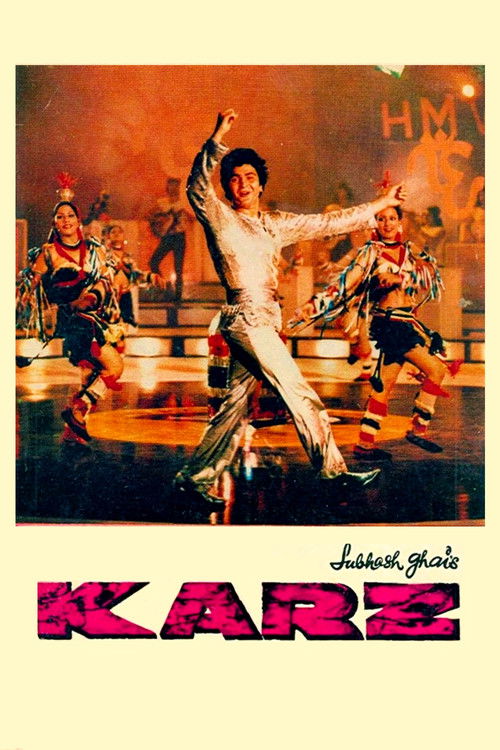
Karz1980
Rafi and Asha's soaring chemistry across a past-life romance, with Rajesh Khanna caught between worlds. It gives Aa Gale Lag Jaa's separation-and-reunion plot a supernatural twist, and the music is unforgettable. Pure, earnest melodrama done with conviction.
But The supernatural element might feel contrived if you approach it as anything other than a framework for emotional truth. It requires a certain willingness to surrender to Bollywood logic.
Not sure tonight? Get a pick in a minute, starting from Aa Gale Lag Jaa
The wildcard
Something you would not have found on your own.
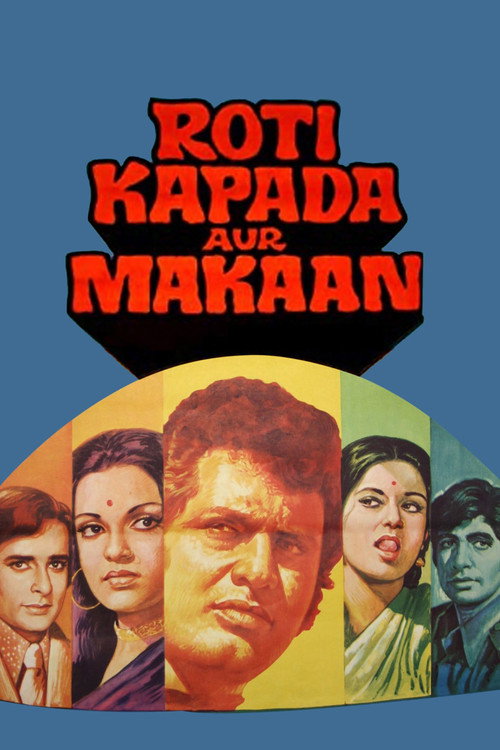
Roti Kapada Aur Makaan1974
Both films pit love against the class system and ask whether emotion or money matters more. Each sides differently, making them perfect arguments with each other.
Released a year after Aa Gale Lag Jaa, this Rajesh Khanna film inverts the class problem: a poor man gains wealth and must prove his love is genuine, not mercenary. It shares the earlier film's obsession with whether love can survive social rupture, but argues the opposite case with equal conviction.
But The social commentary can feel heavy-handed and dated. If you're watching for romance rather than ideology, the preaching will exhaust you.
More like this (8)
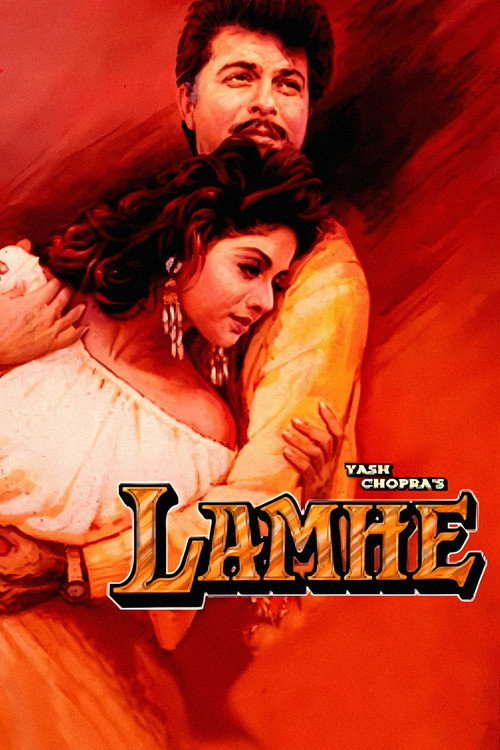
Lamhe1991
Yash Chopra and Anil Kapoor chase beauty and sentiment through an epic about love that leaps generations. The cinematography alone justifies it; the emotional architecture builds on everything Aa Gale Lag Jaa established about romance as destiny.
But At over three hours, it's visually sumptuous but emotionally exhausting. Some viewers find it self-indulgent; others consider that the whole point.
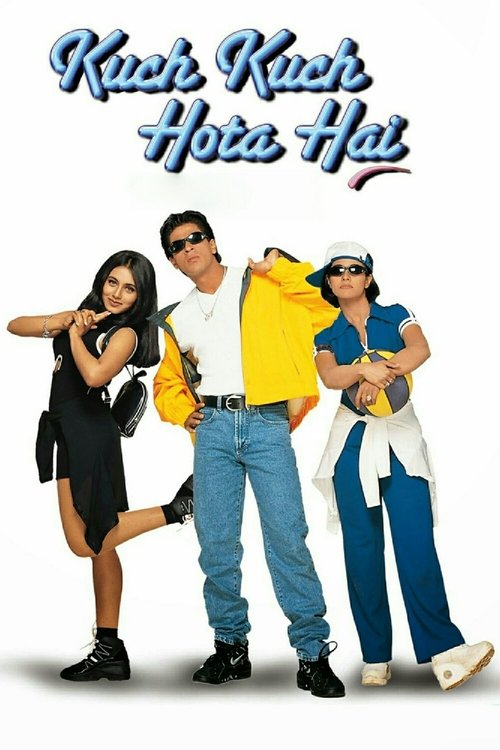
Kuch Kuch Hota Hai1998
Karan Johar modernised the delayed-reunion romance for a generation raised on MTV, with Shah Rukh Khan and Kajol. It traces how a broken engagement and a decade of separation can't quite destroy what was always there—the structure Aa Gale Lag Jaa perfected.
But The flashback framing is ornate to the point of fussiness. If you prefer subtlety to swooning, its earnestness will feel cloying.
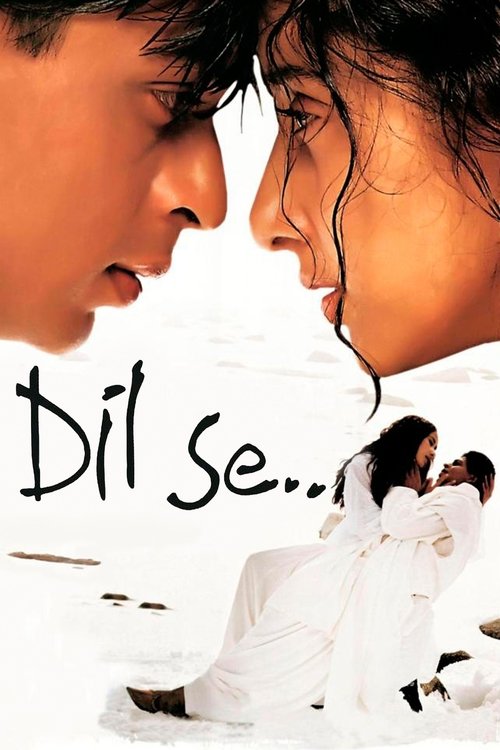
Dil Se..1998
Shahrukh Khan and Preity Zinta in Mani Ratnam's restless, gorgeous meditation on love and violence. Like Aa Gale Lag Jaa, it understands that romance can be noble and destructive at once, and it refuses to make that contradiction comfortable.
But It's bleak in ways Hindi cinema rarely dares to be. If you want your romance to end in marriage, this will feel deliberately cruel.
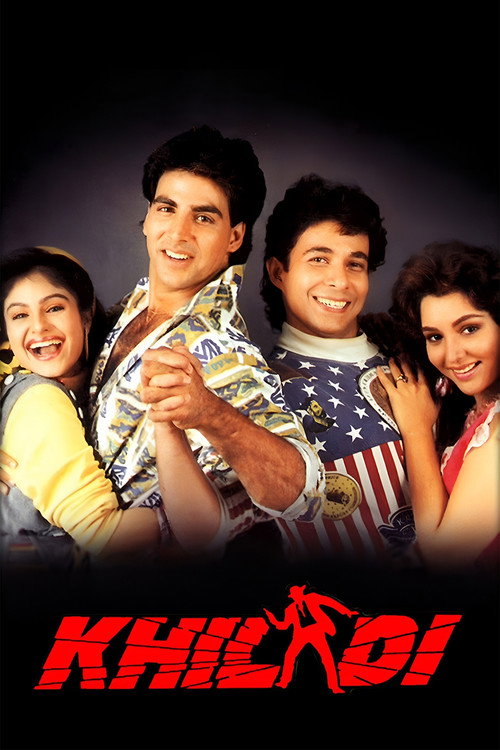
Khiladi1992
Akshay Kumar and Ayesha Jhulka in a romantic thriller that balances action spectacle with genuine emotional stakes. The separation and circumstantial misunderstanding echo Aa Gale Lag Jaa, but filtered through masala cinema's showier register.
But The action sequences can feel disconnected from the romance. If you're watching for the love story, the stunt work will feel like filler.
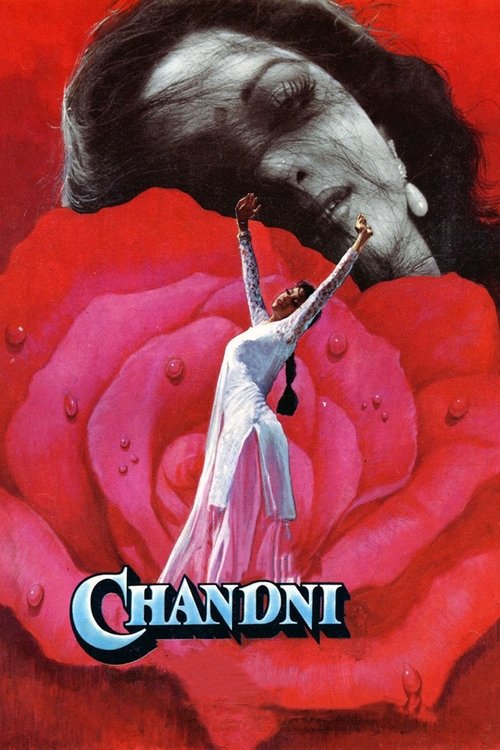
Chandni1989
Sridevi and Rishi Kapoor in Yash Chopra's immaculate romance about love interrupted by accident and circumstance. It's the apotheosis of 1980s Hindi cinema beauty; like Aa Gale Lag Jaa, it treats longing as a valid emotional state, not a problem to be solved.
But The pacing is decorative rather than propulsive. You're meant to luxuriate in the sadness, not race through the plot.
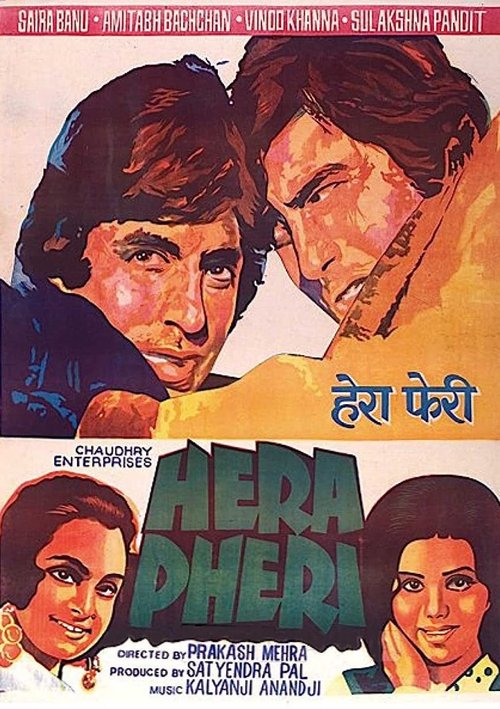
Hera Pheri1976
Vinod Khanna and Neetu Singh in a con-artist comedy that punctuates its lighter mood with genuine romantic vulnerability. It shows that Aa Gale Lag Jaa's themes work across genre registers—love still matters whether you're chasing a fortune or running from heartbreak.
But The heist plot can feel slight compared to the romance, leaving you wishing for more of the emotional core and less complication.
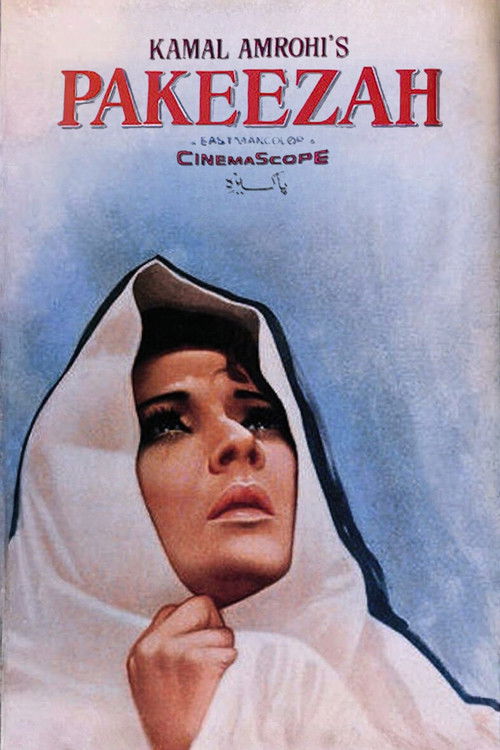
Pakeezah1972
Direct lineage. Aa Gale Lag Jaa borrowed its emotional architecture—the belief that romantic love transcends social law—from Pakeezah's revolutionary defiance.
Meena Kumari's swan song is a pre-Aa Gale Lag Jaa masterpiece about a courtesan and the man who loves her despite society's rules. It established every melodramatic template the later film would inherit: separation, class obstacles, music as emotional truth, and romantic devotion as moral heroism.
But At 2h 45m, it moves with 1970s deliberation. The courtesan storyline carries cultural weight that modern viewers may find uncomfortable or requiring historical context.
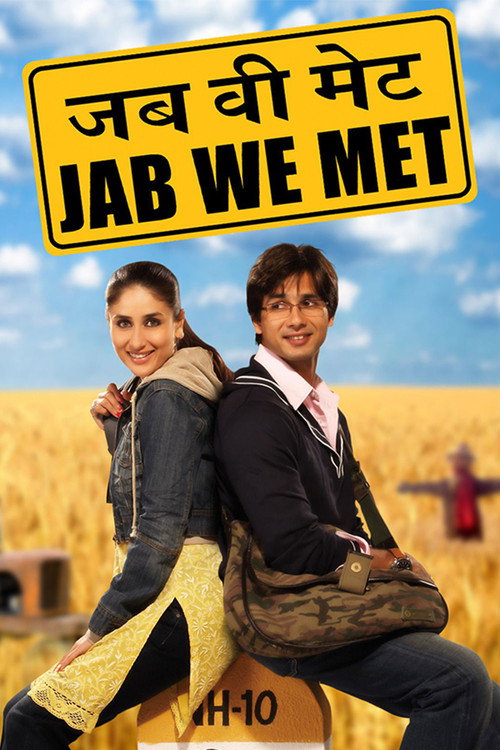
Jab We Met2007
Both believe that the right person entering your life at the right moment can reorganise your entire sense of who you are—that love rewrites fate. But where Aa Gale Lag Jaa is fatalistic, Jab We Met is optimistic.
Shahid Kapoor and Kareena Kapoor in a road-trip romance that feels like Aa Gale Lag Jaa refracted through indie sensibilities: loose, warm, funny, with the same faith that two people can change each other's trajectory. It updates the formula for a generation that cares less about family approval and more about self-discovery.
But The second half loses some of the first act's infectious energy. The resolution, while satisfying, is quieter than Bollywood traditionally dares.
People
Cast
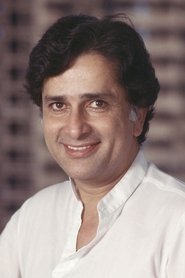 Shashi KapoorPrem
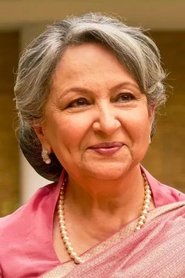 Sharmila TagorePreeti
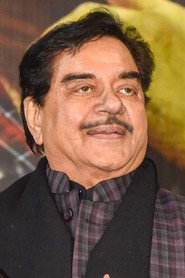 Shatrughan SinhaDr. Amar
- Master TitoRahul
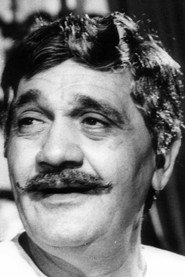 Om PrakashHeerachand
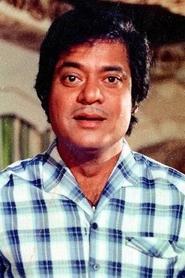 JagdeepJaggi
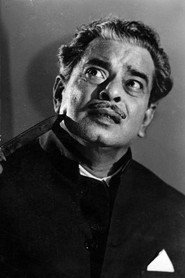 Gajanan JagirdarDr. Saxena
 Sulochana LatkarPrem's Mother
 Shubha KhoteNurse Julie

Directing
- Latif KhanAssistant Director
- Rajesh VarmaAssistant Director
- Manmohan DesaiDirector
- Anil NagrathFirst Assistant Director
Writing
- K.B. PathakDialogue
- Prayag RajScreenplay
- J.M. DesaiStory
Production
- H.A. NadiadwalaAssociate Producer
- A.K. NadiadwalaProducer
- G.I. KapadiaProduction Manager
- Kalluram SondhiProduction Manager