
Film
Gunga Jumna
A sweeping Hindi drama about two brothers divided by fate and choice. Gungaram sacrifices everything to educate his younger brother Jumna, who becomes a police officer—only for them to end up on opposite sides of the law. Dilip Kumar anchors this three-hour epic with intensity and grace, exploring duty, poverty, and the cost of love across a landscape of moral complexity.
Should you watch it?
Watch it if you love old-fashioned melodrama built on brotherly loyalty and a rural Indian setting, where a bond gets tested against a sharp moral divide and the big emotional set pieces are the point.
Skip it if you need brisk pacing, since at nearly three hours with a slow, sentimental build it will test your patience and its tears come often.
What it asks of you: It runs close to three hours at an unhurried pace, with long dramatic beats and talky scenes that let feeling build rather than rushing toward events.
Not sure? Find tonight's pick in a minute.
If you liked this
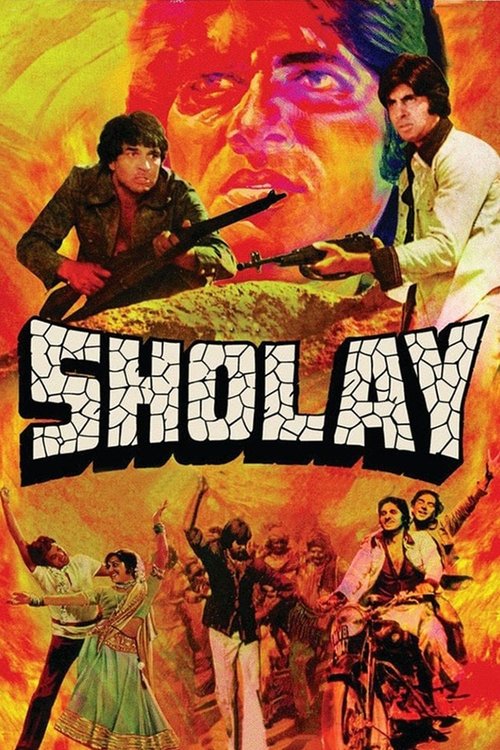
Sholay1975
The spiritual successor to Gunga Jumna: two flawed heroes, a landscape that's almost a character itself, and the question of whether redemption is possible. Amitabh and Dharmendra carry the weight that Kumar carried before them.
But It's longer than most modern films and the pacing reflects a different era. Some of the romance subplot feels like it belongs to a different movie entirely.
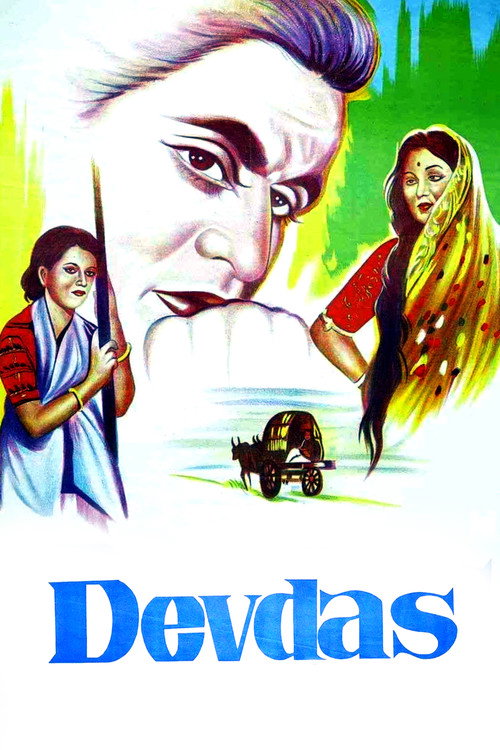
Devdas1955
Dilip Kumar again, in a role that asks what happens when a man chooses destruction. Like Gunga Jumna, it's interested in how social circumstance shapes moral choice, and Kumar's face registers the cost of every decision.
But It is genuinely tragic—not in a dramatic way, in a wearing way. The film doesn't offer comfort, and some viewers will find that exhausting rather than moving.
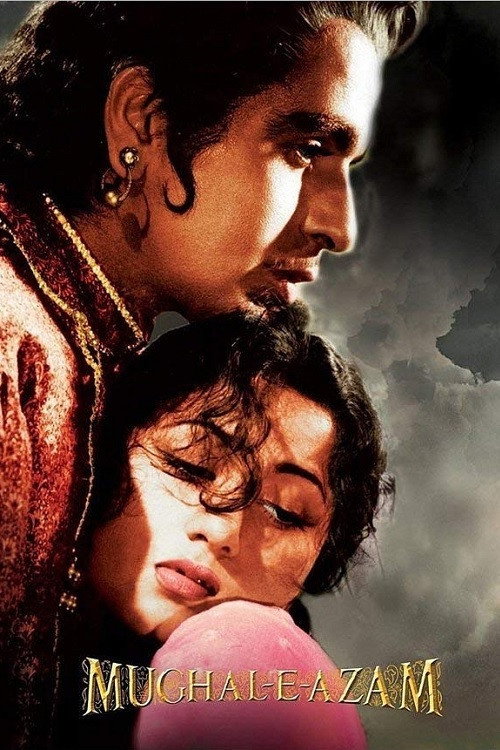
Mughal-e-Azam1960
Made the year before Gunga Jumna, it shares Kumar's commitment to emotional honesty in grand settings. The conflict between duty and love that animates both films finds its purest expression here, and Madhubala is unforgettable.
But At just over three hours, it demands your full attention. The colour process is beautiful but can look dated; some scenes feel slow by modern standards.
Not sure tonight? Get a pick in a minute, starting from Gunga Jumna
The wildcard
Something you would not have found on your own.
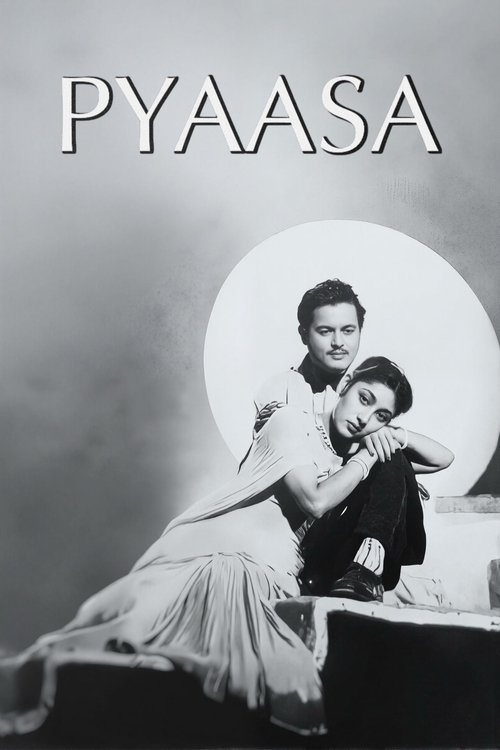
Pyaasa1957
Both films believe that moral choice is determined less by character than by the poverty and indifference of the world. Both end with the hero's gesture of love refused or misunderstood. Both are visual poems about irredeemable circumstance.
Guru Dutt's masterpiece about a poet destroyed by a society that doesn't deserve him. Like Gunga Jumna, it's visually stunning and interested in how good men are crushed by circumstance, but it achieves it through Expressionist shadows and urban decay rather than rural sprawl. The despair is total and unblinking.
But It is bleak in a way that feels almost nihilistic. Dutt's direction can feel baroque and mannered; the film requires you to surrender to its mood rather than follow a clear narrative.
More like this (6)
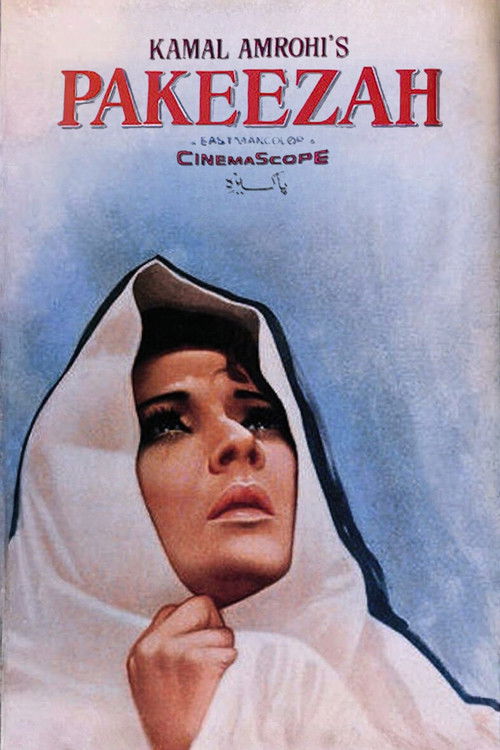
Pakeezah1972
Meena Kumari in a role about a woman trying to escape the circumstances of her birth. The film shares Gunga Jumna's visual poetry and its belief that character is revealed through impossible choices in beautiful, terrible moments.
But It's a film about social shame that can feel dated in how it frames certain ideas. Some sequences are slow; others move too fast. It's uneven in ways that frustrate some viewers.
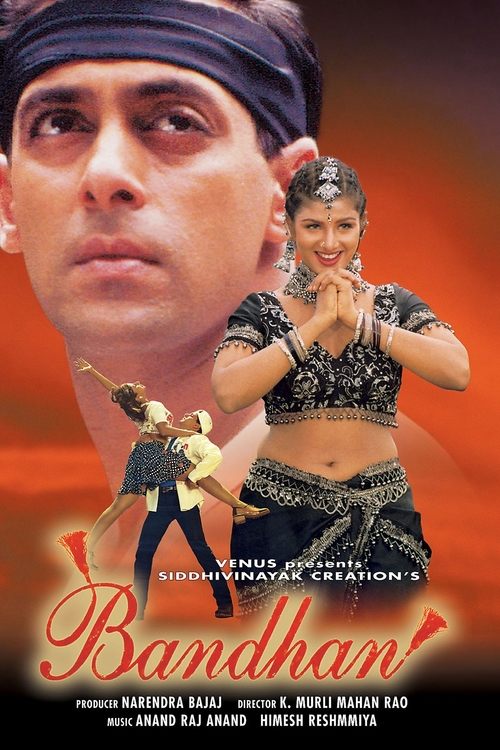
Bandhan1998
A more recent take on similar terrain—two brothers, opposing paths, the question of whether love survives principle. It's more accessible than Gunga Jumna but carrying the same emotional DNA.
But It's glossier and less psychologically complex. If you love Gunga Jumna for its moral ambiguity, this will feel like it's trying to resolve things too neatly.
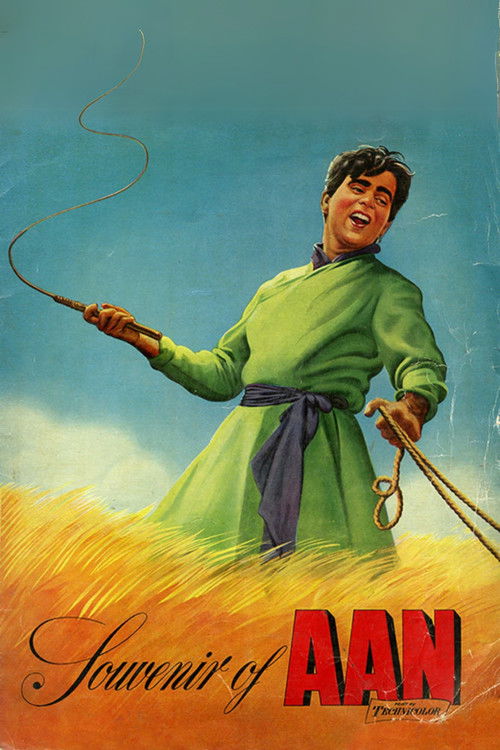
Aan1952
Dilip Kumar in Technicolor, playing a man who must choose between loyalty and justice. The film has the same muscular sincerity and the same belief that heroism is complicated by circumstance.
But It's an adventure film first and a drama second. The romance and action sequences can feel at odds with the character work that makes Kumar worth watching.
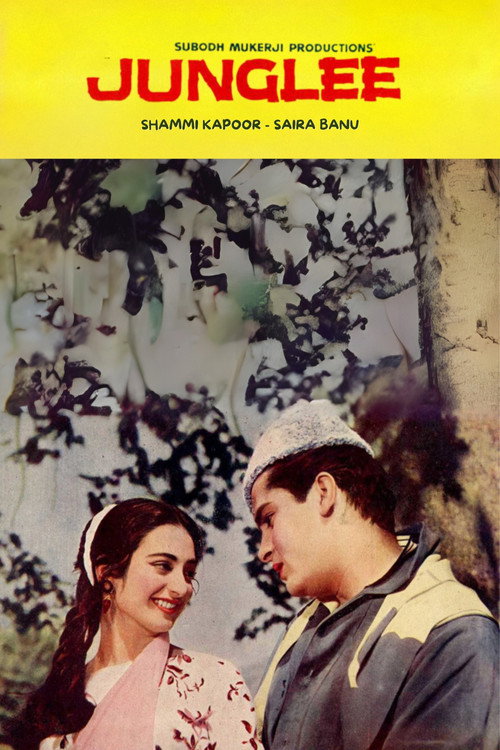
Junglee1961
Released the same year as Gunga Jumna, this Shammi Kapoor film shares an interest in how men prove themselves through sacrifice and moral choice. It's lighter, but the emotional architecture is similar.
But The tone is uneven—it wants to be both action film and family drama. If you're seeking the psychological depth of Gunga Jumna, you'll find the lighter moments deflating.
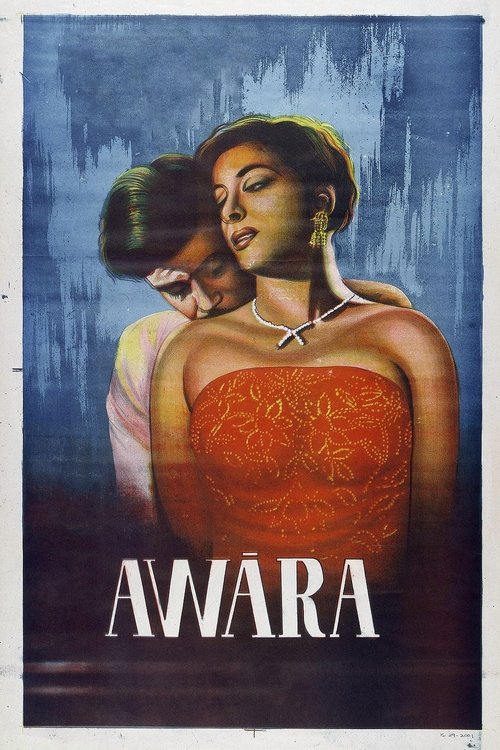
Awaara1951
Both films use the law as a lens to ask whether justice and morality are the same thing. Both centre on a poor man trying to survive in a world that offers him no alternatives. Both feature a climactic moment where social position and personal loyalty tear a family apart.
Raj Kapoor's masterwork uses a courtroom as its frame to ask whether a man is his own choices or his circumstances. A judge must confront his own son, a accused thief—the same brother-against-brother territory as Gunga Jumna, but structured as psychological detective work rather than action.
But The courtroom sections can feel static and talky. Raj Kapoor's performance is mannered by modern standards; some viewers find his style unconvincing.
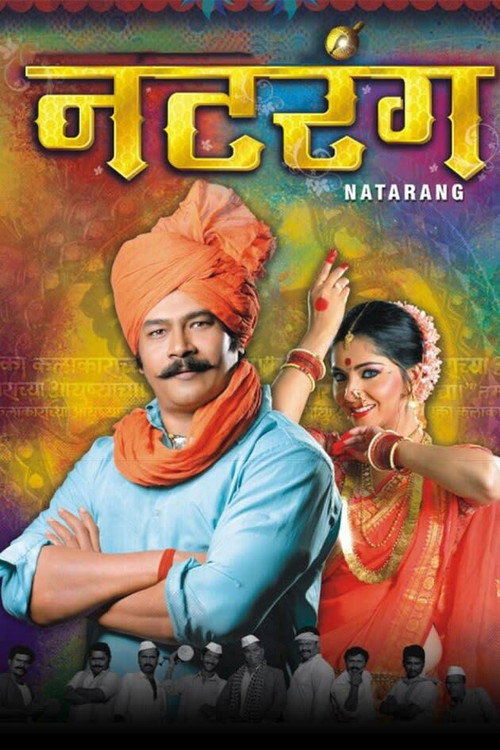
Natrang2010
Both films ask what happens when a person finally gets to choose who they are, and whether that choice can ever come soon enough to matter. Both are three hours long and uninterested in rushing. Both treat transformation as a tragic kind of freedom.
A Marathi film about an aging man who becomes a classical theatre star, discovering in performance a freedom his real life never offered. It shares Gunga Jumna's interest in how identity is performed and circumstance determines who we're allowed to be, but tells it through the language of theatrical tradition rather than crime and police drama.
But It requires patience with long scenes of theatrical performance. If you don't connect with the central character's discovery, the film can feel like it's moving nowhere.
People
Cast
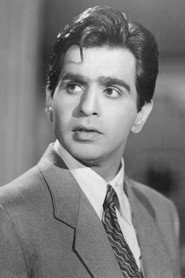 Dilip KumarGungaram
 Nasir KhanJumna
 VyjayanthimalaDhanno
 Leela ChitnisGovindi
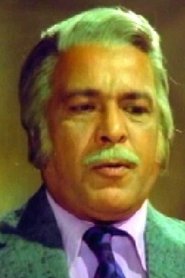 Anwar HussainHariram
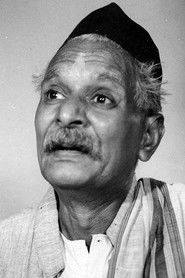
 HelenCourtesan
 Aruna IraniYoung Kamla
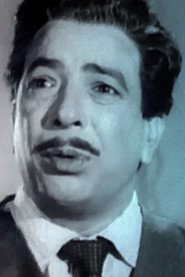 Nazir HussainPolice Superintendent
 AzraKamla
Directing
- Nitin BoseDirector
Writing
- Wajahat MirzaDialogue
- Dilip KumarWriter
Production
- Dilip KumarProducer