
Film
Laila-Majnu
A 1976 Hindi adaptation of the timeless love story, with Rishi Kapoor as a wealthy Arab man who falls for a girl he meets in school and pursues her across years and continents. Gorgeously shot, deeply romantic, operating at full melodramatic intensity. For anyone who loves sweeping passion and doesn't need irony in their romance.
If you liked this
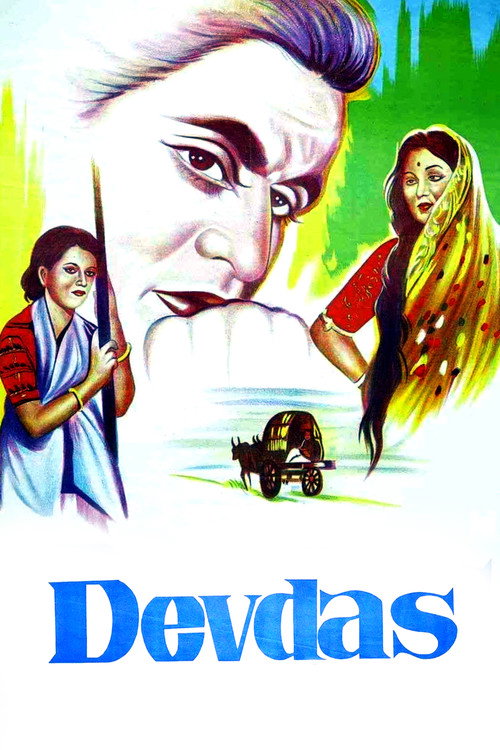
Devdas1955
Bimal Roy's canonical version of Sarat Chandra Chatterjee's tragedy, with Dilip Kumar and Suchitra Sen at the heart of doomed, all-consuming love. The spiritual ancestor of every grand romantic catastrophe in Hindi cinema.
But Deeply, deliberately bleak. The romance exists to be destroyed, and watching it happen is exhausting rather than cathartic for some viewers.
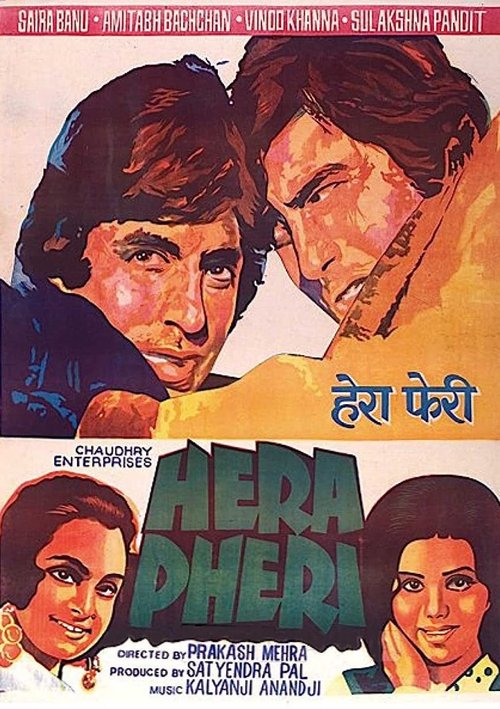
Hera Pheri1976
Also 1976, also Rishi Kapoor, also a love story that bends plot and plausibility in service of devotion. The year's showcase for romantic cinema at maximum sincerity, if you want the era entire.
But Watching two films from the same era and actor risks sameness. The magic is in how differently they deploy the same earnestness.
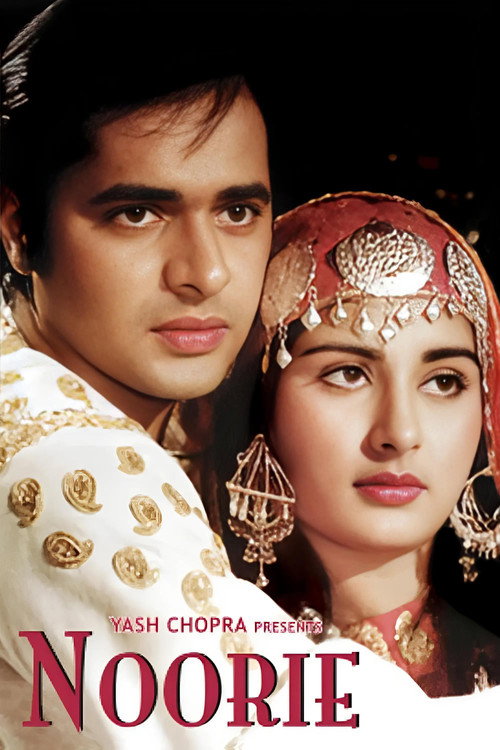
Noorie1979
Raj Kumar and Deepti Naval in a story of impossible love between classes, shot through with visual beauty and a tenderness that makes heartbreak feel inevitable and necessary. Bollywood romance for people who want to feel something real.
But The second half pivots away from romance into social statement. Some find it enlightening, others feel preached at.
Not sure tonight? Get a pick in a minute, starting from Laila-Majnu
The wildcard
Something you would not have found on your own.
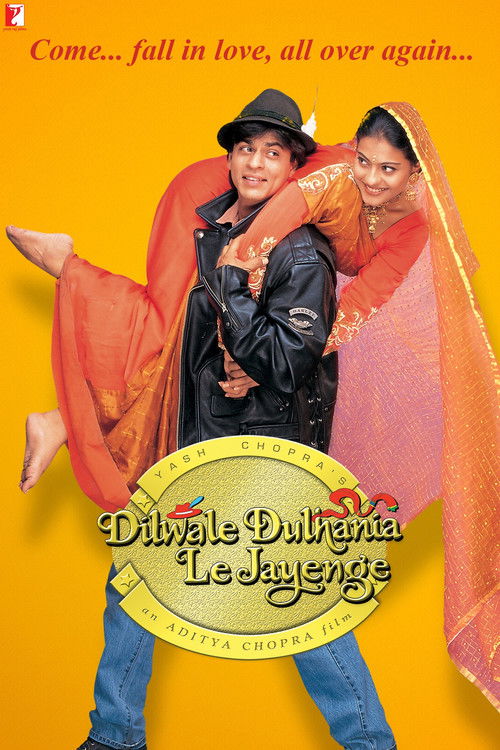
Dilwale Dulhania Le Jayenge1995
Both are structured as quests for union against odds — but where Laila-Majnu is classical tragedy accepting separation as destiny, DDLJ rewrites the ending to propose that love and family might not have to destroy each other. Same architecture, opposite faith.
Shah Rukh Khan and Kajol across Europe and Punjab; the moment Hindi cinema romance recalibrated itself for a global diaspora while keeping faith with tradition. Modern passion filtered through family, through distance, through choice. The bridge between old cinema and new.
But Nearly three hours. The stakes are emotional and social rather than tragic, which some find less compelling than the doom-laden tragedies Laila-Majnu cleaves to.
More like this (7)
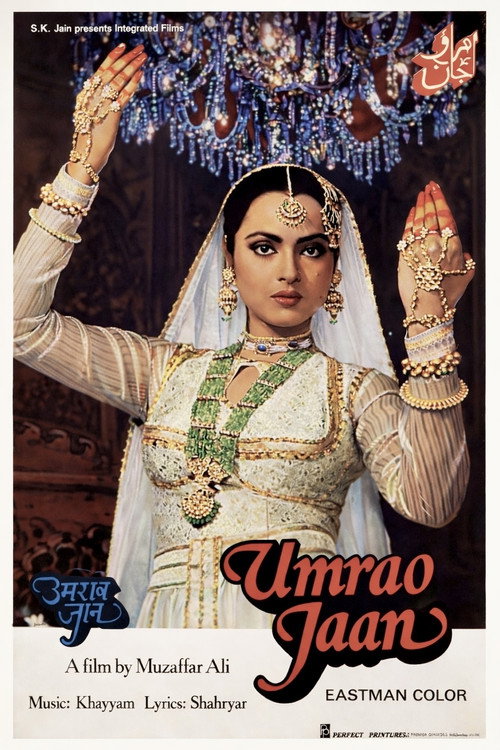
Umrao Jaan1981
Rekha's career-defining role as a courtesan who falls for an aristocrat. Lyrically beautiful, morally complex, and the music is weaponised melancholy. Romance shot through with loss and wisdom about desire.
But Slower pacing than modern taste expects. Recitals go on. If you're not ready to sit in mood, you'll fidget.
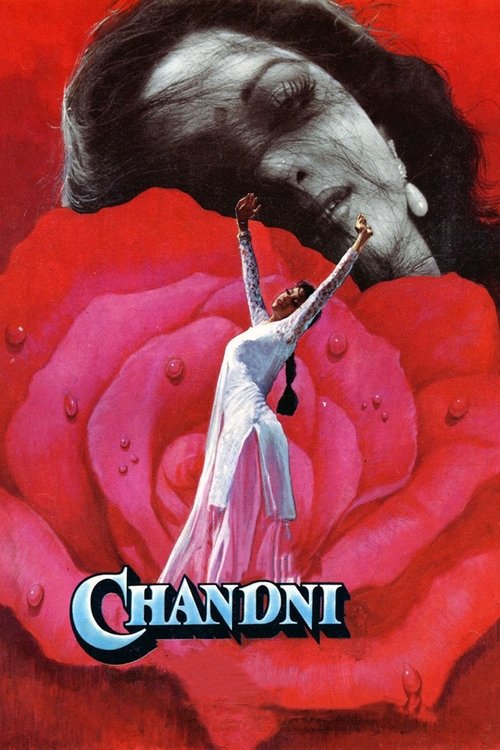
Chandni1989
Sridevi and Rishi Kapoor in Yash Chopra's love story engineered for maximum visual and emotional impact. The 1980s perfected the romantic film, and this is the blueprint: passionate, gorgeous, funny, heartbreaking.
But Unapologetically a product of its decade. The excess that makes it work may read as dated or overwrought depending on your tolerance.
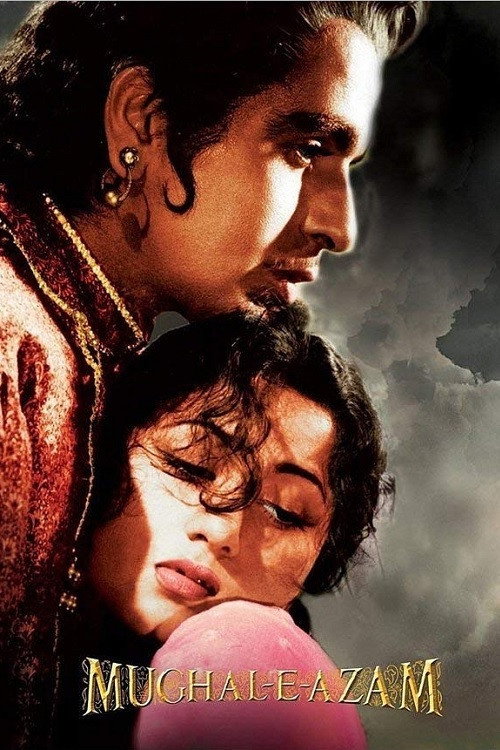
Mughal-e-Azam1960
K. Asif's historical romance between an emperor and a courtesan, in glorious colour. Grand, theatrical, the apotheosis of cinema as spectacle. A film that believes in the power of love to reshape empires.
But Three and a half hours. The theatrical style will feel mannered if you prefer subtlety, and the historical framework is secondary to the passion.
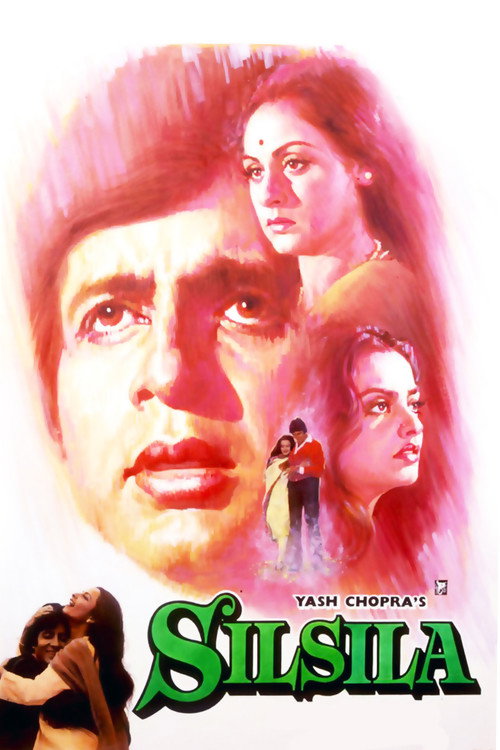
Silsila1981
Amitabh Bachchan and Jaya Bahadur in Yash Chopra's meditation on adult love, infidelity, and the gap between desire and duty. Romantic but not naïve. Shot through with jazz and complexity.
But The protagonist is complicit in his own misery in ways that can feel frustrating. Romance isn't rewarded here; it's questioned.
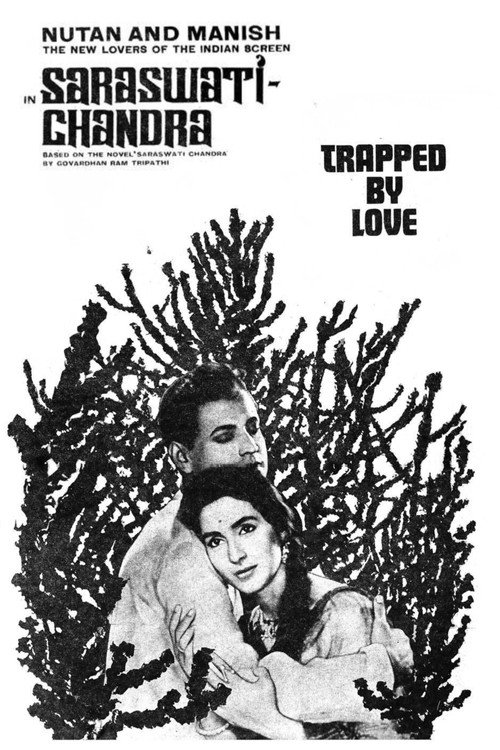
Saraswatichandra1968
Rajesh Khanna and Anoushka Dey in a love story that survives social opposition and personal tragedy through sheer force of devotion and virtue. Period romance for audiences who believe love should be steadfast.
But The morality is rigid and the pacing deliberate. Modern sensibilities may find it pious rather than passionate.
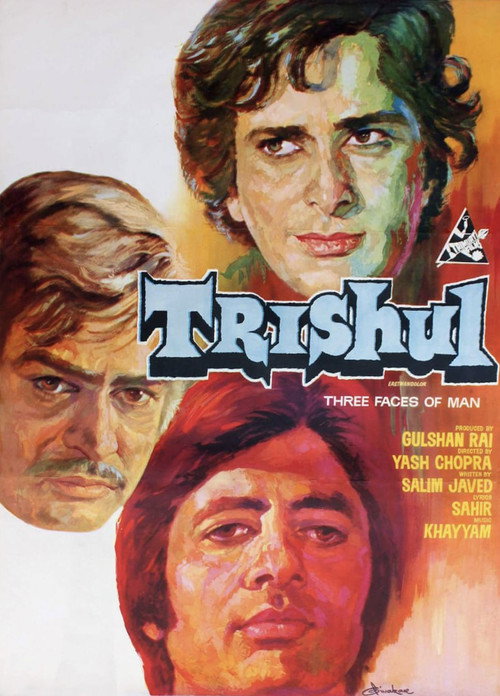
Trishul1978
Amitabh Bachchan and Raakhee; a complex family saga where romantic love tangles with revenge, class struggle, and paternity. Romance here is one element in a much larger meditation on power and desire.
But The romance is contextual rather than central. If you came purely for love story, the detours will feel like distraction.
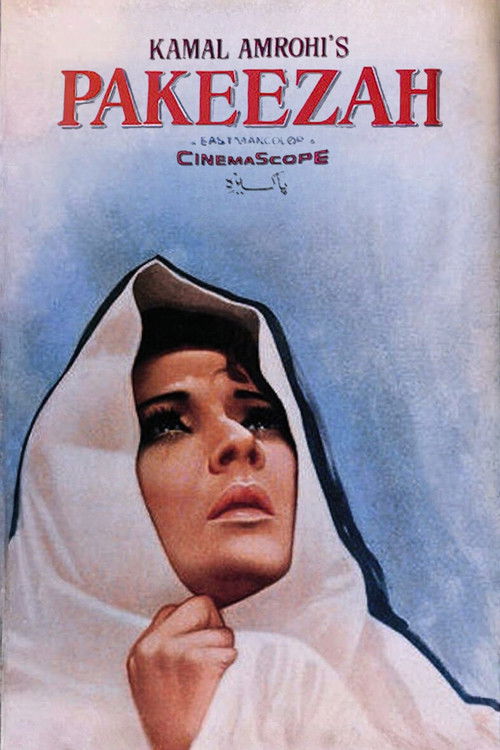
Pakeezah1972
Both treat romance as a force that transgresses social boundaries—but Pakeezah asks whether society will ever forgive the transgression, where Laila-Majnu assumes the couple will bear the cost. One is romantic tragedy at the level of structure; the other at the level of society's refusal to let the couple survive their own happiness.
Meena Kumari as a courtesan's daughter trapped by birth and respectability; Rajesh Khanna as the man who loves her anyway. Visually extraordinary—shot through with mirrors, water, candlelight—and thematically about whether love can redeem shame society has imposed. Romance as moral argument.
But Released incomplete after Kamal Amrohi's death; the narrative gaps are real and distracting. Some find the morality around female sexuality dated and frustrating rather than poignant.
People
Cast
 Rishi KapoorMajnu / Kaish Amari
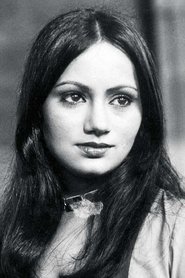 Ranjeeta KaurLaila
 Danny DenzongpaPrince Bahksh
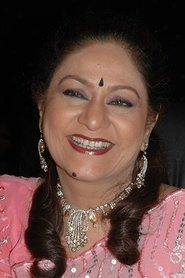 Aruna IraniZarina
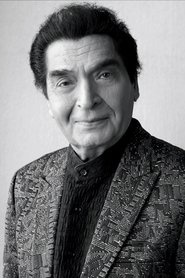 AsraniKamraj
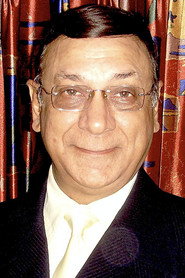 Kanwarjeet PaintalJafran
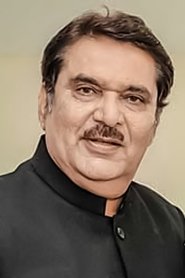 Raza MuradMastan
 IftekharEmir Sharwari
 Achala SachdevLaila's Mother
- Preeti GanguliGulbadan
 Mumtaz BegumLaila's Grandmother
Directing
- Harnam Singh RawailDirector
Writing
- Abrar AlviDialogue
- Anjana RawailStory Consultant