
Film
Ponette
- Drama
- Slow-burning
A four-year-old girl processes her mother's sudden death through a fog of confusion, magical thinking, and theological questioning. Shot almost entirely from child height, it's a film that trusts its audience to sit with genuine grief without sentimentality. Tender, sometimes difficult, for anyone who's ever wondered what loss looks like from the inside.
Should you watch it?
Watch it if you want a grief story told at a child's eye level, where the adults' explanations sound stranger than the loss itself and the camera stays patient with small, stubborn hopes.
Skip it if you need story to drive you forward, because it lingers on one child's sorrow at length and its pace is deliberately slow and wearing.
What it asks of you: Ninety-seven minutes of patience with a grieving child's point of view, long stretches of watching rather than being told what to feel, and little interest in tidy comfort.
Not sure? Find tonight's pick in a minute.
If you liked this
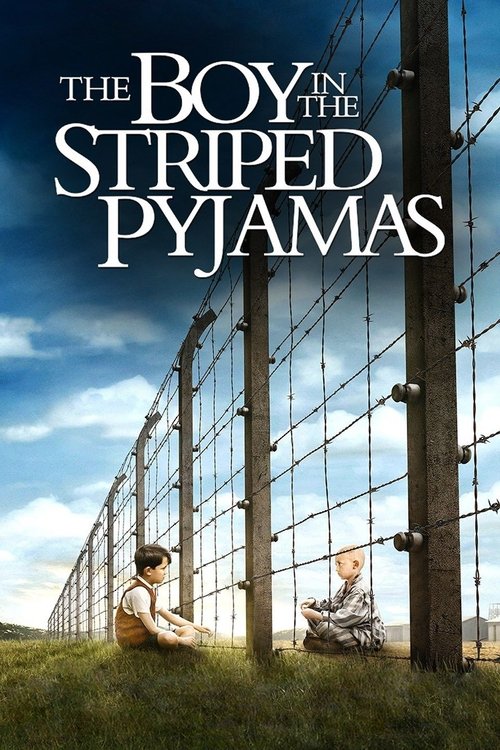
The Boy in the Striped Pyjamas2008
A child's perspective on incomprehensible tragedy, told without manipulation. Like Ponette, it sees the world through innocent eyes confronting something adults can barely articulate.
But Its subject matter is historically heavy, and the ending divides viewers on whether the film earns its emotional weight.
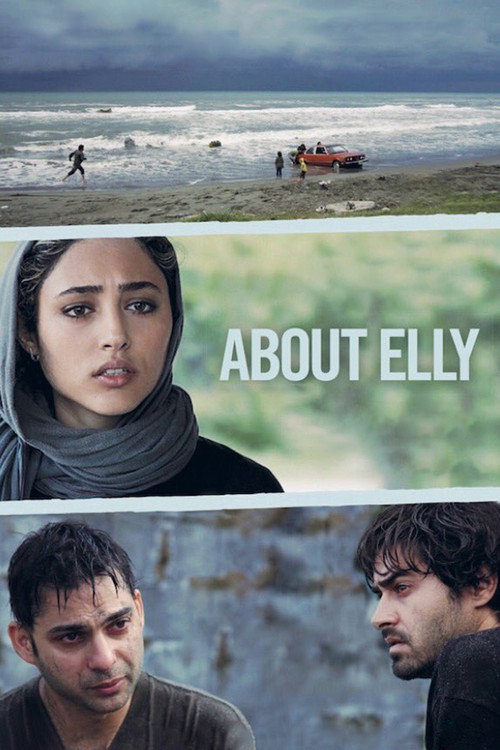
About Elly2009
A modest tragedy spirals outward through a group of friends, each processing loss differently. Shares Ponette's interest in how people construct meaning after shock, and the gap between what we say and feel.
But It's deliberately paced and somewhat remote in tone. Long stretches of ordinary conversation before the film's moral weight becomes clear.
A Ghost Story2017
Grief as an abstract, ongoing state rather than a journey toward closure. Both films reject the idea that loss can be 'resolved,' focusing instead on presence and absence as ongoing conditions.
But Experimental and visually austere. Some find it pretentious; others find the pacing maddening.

Not sure tonight? Get a pick in a minute, starting from Ponette
The wildcard
Something you would not have found on your own.
Come and See1985
Both films trust children as vehicles for exploring states of consciousness that adults have defenses against. Both refuse sentiment or explanation. Ponette's quiet devastation and Come and See's screaming chaos are opposite reactions to the same moral principle: that childhood cannot protect you.
A child's consciousness as it encounters atrocity and the complete destruction of childhood innocence. Like Ponette, it refuses to soften what it shows, but instead of intimate grief, it's apocalyptic loss.
But Brutal Soviet war film about the Nazi invasion of Belarus. Genuinely traumatizing; not an evening's entertainment in any conventional sense.

More like this (8)
Requiem for a Dream2000
Unflinching about despair and the ways people convince themselves things are other than they are. Like Ponette, it refuses to soften its subject or guide you toward catharsis.
But Its violence and addiction are far more explicit and graphic. A very different tone—urgent and assaultive where Ponette is still and intimate.

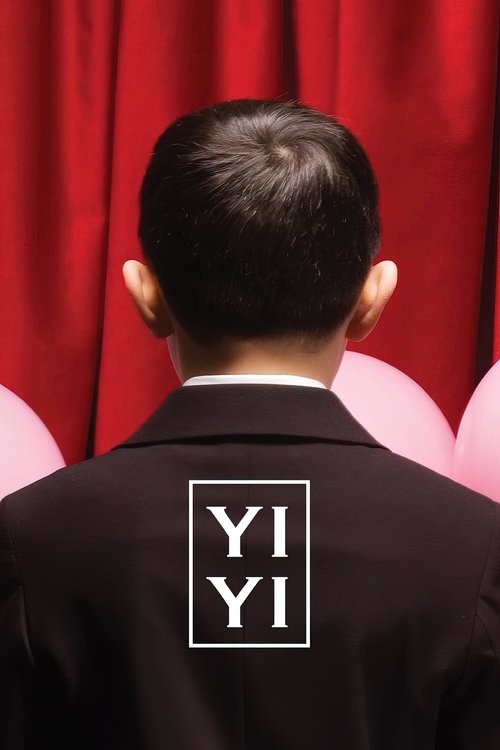
Yi Yi2000
Another film that moves through a family's private griefs with patience and tenderness. Watches children and adults separately processing the same loss, finding unexpected grace in ordinary moments.
But Nearly three hours long, and nothing happens in the conventional sense. Requires genuine patience and tolerance for ambiguity.
Boyhood2014
Follows a child's interior life across years with a light touch, letting small moments accumulate into something profound. Shares Ponette's faith in observation over explanation.
But Some feel the lack of dramatic shape is a cop-out rather than a virtue. The protagonist is passive, which frustrates viewers wanting traditional character arc.

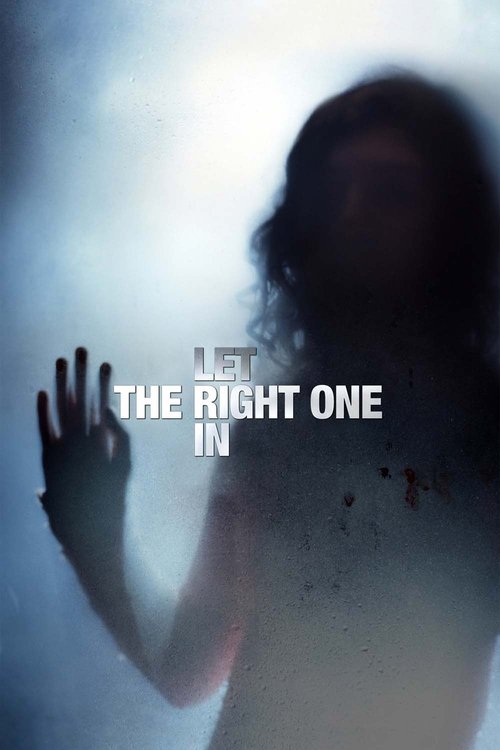
Let the Right One In2008
A child's loneliness and hunger for connection, shot with the same respectful distance Ponette uses. Both films see childhood not as innocence but as a form of exile.
But It's a vampire film with genuine violence. Tonally much darker, less focused on grief than on isolation and otherness.
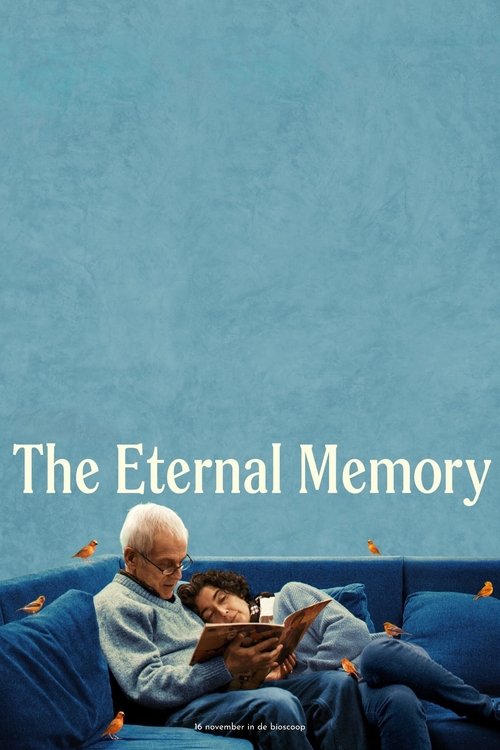
The Eternal Memory2023
An old man losing his wife to dementia, watching her disappear while she remains present. Shares Ponette's exploration of how we hold onto people who are no longer accessible to us.
But Heartbreaking and slow. Some viewers find it too painful to sit with; others feel it doesn't go far enough in its emotional claims.
Ikiru1952
A man confronting mortality and the question of whether his life has meant anything. A different kind of loss, but the same patient, dignified refusal to console the viewer.
But Post-war Japanese cinema in black and white, nearly three hours long. Very distant from contemporary filmmaking in both form and pace.

Winter Light1963
Both films focus on how religious explanations fail children and believers when confronted with real loss. Ponette's magical thinking about resurrection parallels the priest's inability to provide comfort. Both ask: what do we say when God doesn't answer?
A priest's crisis of faith when confronted with suffering he cannot explain away. Bergman shoots faith and doubt as physical, embodied experiences rather than intellectual arguments.
But Deliberately austere Bergman; sparse, cold, bleak. Ninety-five minutes that feel much longer. Religious doubt without resolution will exhaust or alienate many viewers.

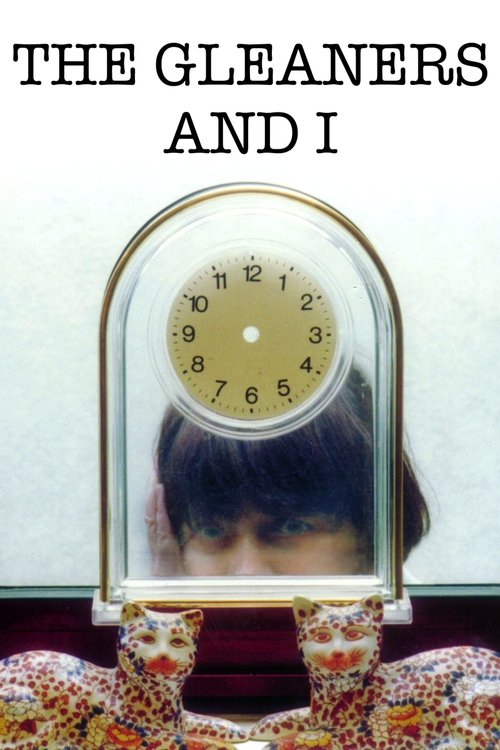
The Gleaners and I2000
Both are films about looking closely at small, overlooked things—a child's face, discarded vegetables, the texture of ordinary survival. Both find profound meaning in what others pass over. Both are fundamentally about attention as an act of love.
A documentary essay about waste, dignity, and what remains after removal. Agnès Varda moves through the world collecting fragments and stories. Less about plot than about attention itself as a form of care.
But Essayistic and digressive. Not a traditional narrative. Some find it meandering; others find it precious rather than profound.
People
Cast
 Victoire ThivisolPonette
- Matiaz Bureau CatonMatiaz
- Delphine SchiltzDelphine

- Luckie RoyerLuce
- Carla IbledCarla
 Antoine du MerleAntoine
 Marie TrintignantLa Mère
 Claire NeboutLa Tante
 Aurélie VérillonAurélie
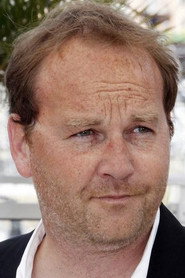 Xavier BeauvoisLe Père
- Henri BerthonL'Instituteur
Directing
- Marie de LaubierAssistant Director
- Jacques DoillonDirector
- Sandrine RevetSecond Assistant Director
- Emmanuel RigautThird Assistant Director
Writing
- Jacques DoillonWriter
Production
- Valérie ArroyoAdministration
- Eric AufèvreAssistant Unit Manager
- Laurence DiazAssistant Unit Manager
- Philippe RobineAssistant Unit Manager
- Pierre-Alban GuyotAssistant Unit Manager
- Antoinette BoulatCasting
- Brune CompagnonCasting
- Christel BarasCasting
- Ève GuillouCasting
- Lola DoillonCasting
- Magali MontoyaCasting
- Marick HermetCasting
- Sandrine RevetCasting
- Sophie BlanvillainCasting
- Christine GozlanExecutive Producer
- Alain SardeProducer
- Cécile CabelProduction Secretary
- Muriel RobineProduction Secretary
- Eva SimonetPublicist
- Florence SempéUnit Manager
Recommended by
My Girl, The Night of the Iguana, Valerie and Her Week of Wonders