
Film
Alfie
Other titles called Alfie: the 1966 film.
Jude Law plays Alfie, a charming London ladies' man coasting on wit and good looks until his conscience finally catches up. It's a remake of a 1966 British film transplanted to modern Manhattan, all sardonic voiceover and emotional reckoning. For anyone fascinated by how charisma can mask emptiness, or who wants to watch a beautiful man realize he's been running from himself.
If you liked this
Closer2004
Released the same year, this explores how attractive people weaponize charm and sex to avoid genuine connection. Mike Nichols dissects urban romance with surgical precision and dark humour; it's vastly more bitter and intelligent.
But The tone is relentlessly cynical. There are no heroes here, only varying degrees of selfishness. Some find it exhausting rather than cathartic.

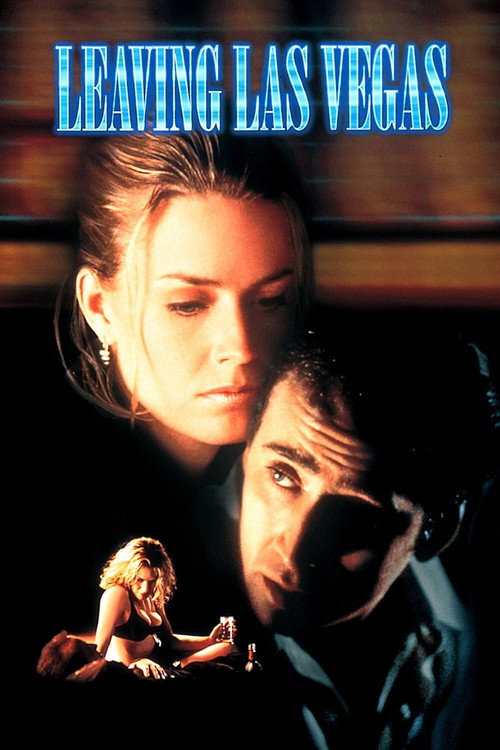
Leaving Las Vegas1995
Nicolas Cage delivers a career-best as a man in freefall, talking directly to us as his life disintegrates. If you want to see the consequences of running from yourself played entirely straight—no romantic comedy softening—this is it.
But It's unrelentingly dark and depicts alcoholism and prostitution without sentiment. Demanding in a way designed to hurt, not entertain.
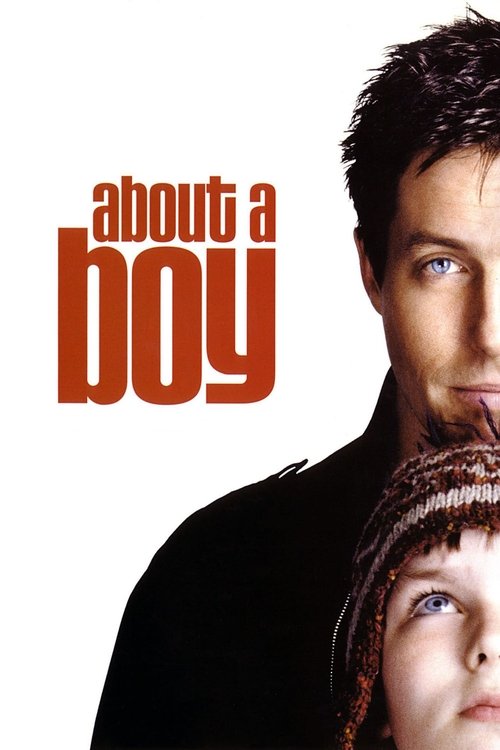
About a Boy2002
Another charming man-child (Hugh Grant) learning that emotional avoidance corrodes you. It's lighter in tone but hits the same nerve: you can't coast forever on surface charm without it eating away at who you are.
But The tone shift from cynical to sincere might feel manipulative if you're allergic to redemption arcs and pop scores.
Not sure tonight? Get a pick in a minute, starting from Alfie
The wildcard
Something you would not have found on your own.
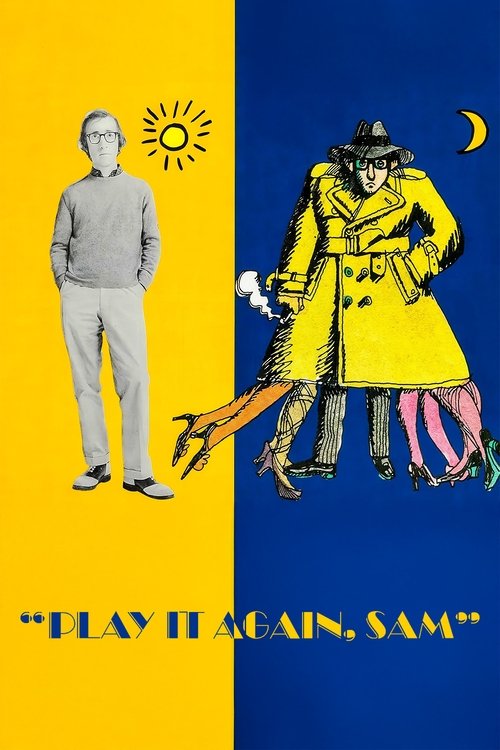
Play It Again, Sam1972
Both trace a specific male type—the charmer whose trick is making avoidance seem like philosophy—but Play It Again, Sam shows him from inside his own head rather than as a predator of other people's hearts.
Woody Allen's Allan Felix is Alfie's spiritual ancestor—a man using borrowed charm (and Humphrey Bogart impressions) to avoid intimacy. Allen's neurosis undercuts the seduction; it's the same character excavated from a different angle, sadder and funnier.
But It's a 1970s comedy that moves slowly and relies on cultural references that have aged. The gender dynamics will feel dated, and Allen's brand of stammering anxiety can feel self-indulgent.
More like this (8)
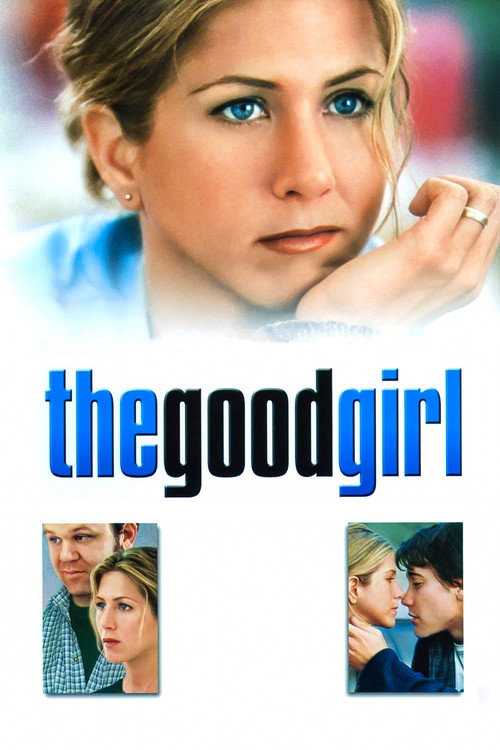
The Good Girl2002
Jennifer Aniston as a woman trapped in a life-sapping routine, making terrible choices with a coworker played by Jake Gyllenhaal. It captures that same aimless, self-destructive energy of people sleepwalking through their own lives.
But It's a quiet film about quiet desperation. Nothing happens in the grand sense; the tragedy is entirely internal. Some will find that boring.
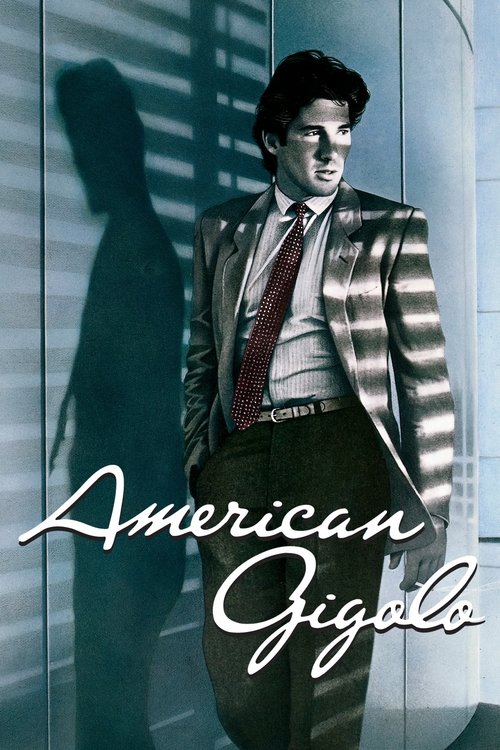
American Gigolo1980
Richard Gere in the prototype of this exact character: a beautiful man whose profession and personal life have erased any distinction between them. Paul Schrader's script is sharper and the stakes feel higher.
But It's dated in look and feel. The pace is deliberately slow. You have to meet it where it lives, and that's in a kind of 1980s existential malaise.
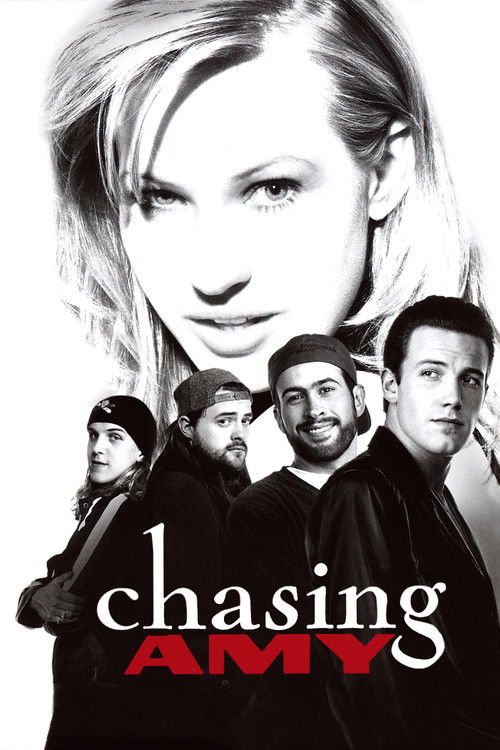
Chasing Amy1997
Kevin Smith's funniest film, structured around a charming guy realizing his romantic philosophy is actually just selfishness in disguise. Self-aware and genuinely moving without ever becoming saccharine.
But The dialogue is very 1990s Kevin Smith—long monologues that some find indulgent. The film's treatment of sexuality and identity feels a bit dated now.
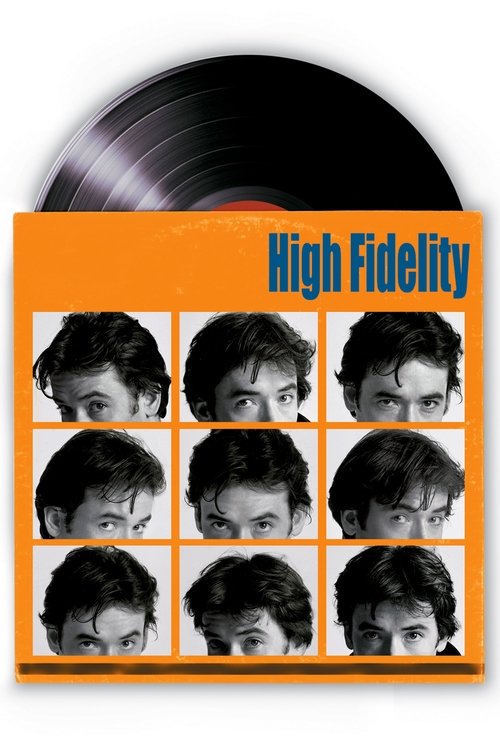
High Fidelity2000
John Cusack as a man obsessed with his past heartbreaks, unable to move forward. Like Alfie, it's built on voiceover confession and a guy forced to confront that he's the problem in his own story.
But It's built on very early-2000s music taste and record-store culture. Some of the romantic philosophizing hasn't aged well, and the ending is more forgiving than the premise earns.
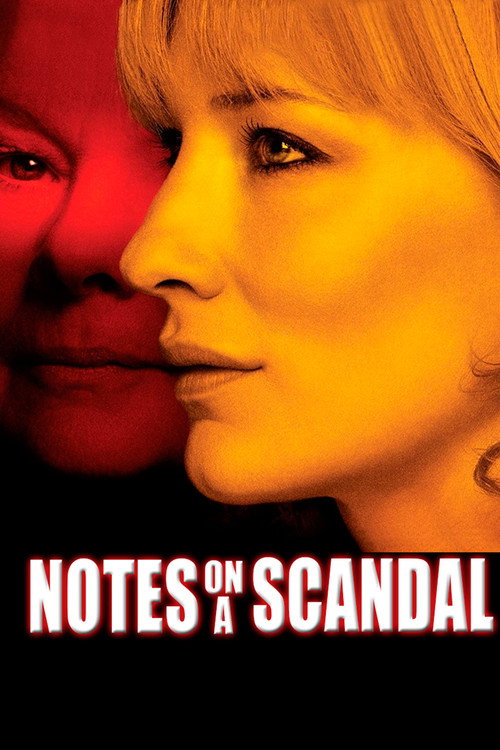
Notes on a Scandal2006
Cate Blanchett plays a woman whose entire life is a performance, maintaining an attractive exterior while decay happens underneath. Judi Dench's voiceover gives it a Rashomon quality—unreliable perspective from someone complicit in the mess.
But It's simultaneously a thriller and a character study, which means it satisfies neither impulse completely. The pacing is glacial by design.
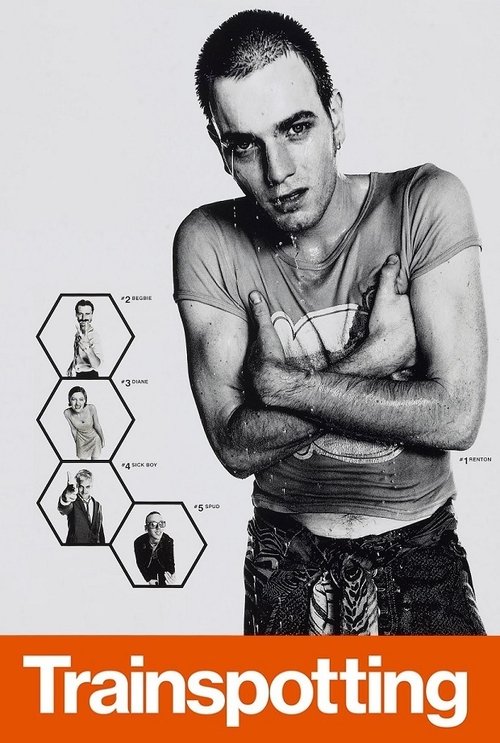
Trainspotting1996
Renton talks directly to you while his and his friends' lives crater under the weight of addiction and avoidance. It's Alfie's premise—a charismatic person narrating their own drift into meaninglessness—but with heroin instead of heartbreak.
But The subject matter is unsparing and often gross. Casual brutality, sexual assault, and child death are treated as backdrop. It's a film that can feel cruel rather than compassionate.
Tiny Furniture2010
Same structure—an attractive, articulate person narrating their own moral drift—but Dunham refuses the Hollywood redemption. There's no big epiphany, just a small one, and it doesn't fix anything.
Lena Dunham's debut is Alfie with the gender swapped and the self-awareness cranked to eleven. A woman drifts through New York making terrible choices, narrating her own worst impulses with unflinching honesty. It's smaller and crueler and ultimately more forgiving.
But It's deliberately unglamorous and shot on a budget that shows. Dunham plays the lead unsympathetically, and if you're expecting anyone to be likeable, you've come to the wrong film. Very much a 2010 indie film in its aesthetic and pacing.

In the Mood for Love2000
Both use visual style and voiceover (or lack thereof) to excavate loneliness, but where Alfie is about someone running from intimacy, this is about two people trapped by it. Stylistically they're in opposite corners of cinema.
Wong Kar-wai's masterpiece is the inverse: two people circling each other through a 1960s Hong Kong apartment building, wanting desperately to connect but paralyzed by propriety and fear. If Alfie is about someone who won't let anyone in, this is about two people who can't quite find the courage to get out.
But It's deliberately paced like a reverie, dialogue kept to a minimum, entire scenes built on glances and silk dresses and jazz. If you want plot momentum or clarity, this will feel like watching paint dry in the most beautiful way possible.

People
Cast
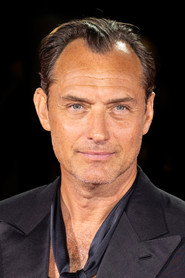 Jude LawAlfie
 Marisa TomeiJulie
 Omar EppsMarlon
 Jane KrakowskiDorie
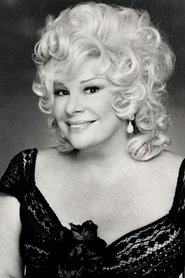 Renée TaylorLu Schnitman
 Jeff HardingPhil
 Sienna MillerNikki
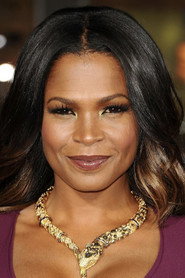 Nia LongLonette

 Kevin RahmTerry
- Max MorrisMax
 Gedde WatanabeMrs. Wing
Directing
- Charles ShyerDirector
- Cliff LanningFirst Assistant Director
- Libbie BarrScript Supervisor
- Matthew SharpSecond Assistant Director
Writing
- Charles ShyerScreenplay
- Elaine PopeScreenplay
- Bill NaughtonTheatre Play
Production
- Mindy MarinCasting
- Nina GoldCasting
- Diana PhillipsExecutive Producer
- Sean DanielExecutive Producer
- Charles ShyerProducer
- Elaine PopeProducer
- Charlie DibeProduction Assistant