
Film
The Great Happiness Space: Tale of an Osaka Love Thief
A 2006 documentary following Issei, a 22-year-old host club owner in Osaka, and his staff of young men trained to seduce lonely women for money. It's intimate and unflinching—part anthropology, part tragedy—revealing how desperation and loneliness shape both the hunters and the hunted. For viewers curious about desire, economics, and the gap between performance and reality.
Should you watch it?
Watch it if you are drawn to observational documentaries that let a strange, intimate world unfold without narration telling you what to feel, and you enjoy watching young people perform charm for a living.
Skip it if you want a documentary with a clear argument or interviews that explain the economics behind the hosting trade, since this stays close to the boys and rarely steps back to analyze.
What it asks of you: It runs a brisk seventy-eight minutes and asks you to keep watching closely, reading small gestures and uneasy pauses rather than waiting for big revelations or a tidy wrap-up.
Not sure? Find tonight's pick in a minute.
If you liked this
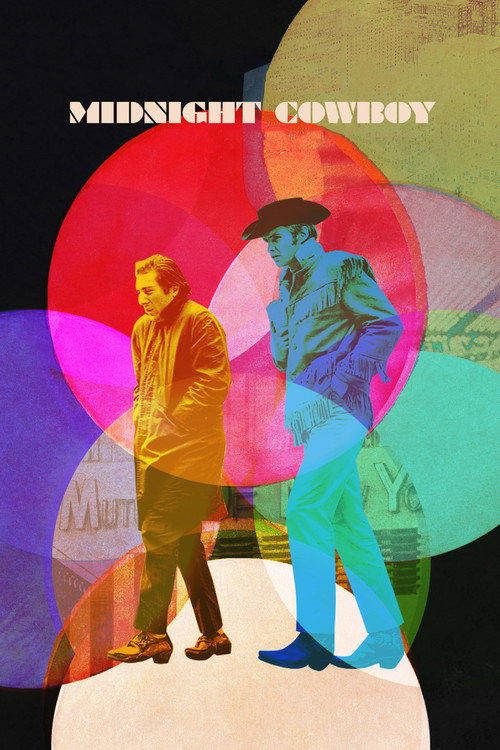
Midnight Cowboy1969
Gritty, unsentimental portrait of hustlers in New York navigating sex work, loneliness, and survival. Shares the documentary's refusal to judge or glamorize its subjects while exposing the human cost beneath the transaction.
But Deeply depressing and sexually explicit. The film's bleakness offers no redemption or comfort, which can feel punishing rather than illuminating.
Grey Gardens1976
Verite documentary about two reclusive women in a decaying mansion, capturing intimate strangeness and dysfunction without narration or judgment. Like the host club film, it finds tragedy and humanity in unconventional lives.
But Slow, meandering, and sometimes uncomfortably voyeuristic. You're watching people struggle, and the film doesn't always know when to look away.

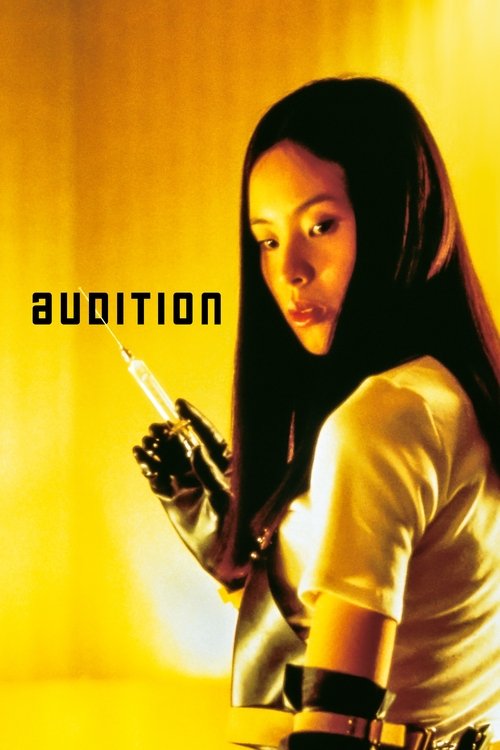
Audition2000
Japanese horror about a man auditioning women for a fake film role, exploring desire, deception, and the violence lurking beneath surface charm. Shares the documentary's unflinching examination of Japanese dating rituals and the darkness underneath performance.
But Extremely graphic violence in the final act. It's not subtle about the cruelty it depicts, and the tonal shift is deliberately unsettling.
Not sure tonight? Get a pick in a minute, starting from The Great Happiness Space: Tale of an Osaka Love Thief
The wildcard
Something you would not have found on your own.
Chungking Express1994
Both capture how urbanization, transience, and emotional hunger create spaces where people buy and sell connection—one literally, one metaphorically. Both are visually intoxicated with the cities that breed such loneliness.
Wong Kar-wai's neon-soaked Hong Kong film about police officers and women, melancholy and longing. Shares the documentary's obsession with urban isolation, unrequited connection, and how modern cities breed peculiar forms of loneliness and desire.
But Deliberately oblique and dreamlike. The narrative resists clarity, and if you need plot coherence, the elliptical storytelling will frustrate.

More like this (7)
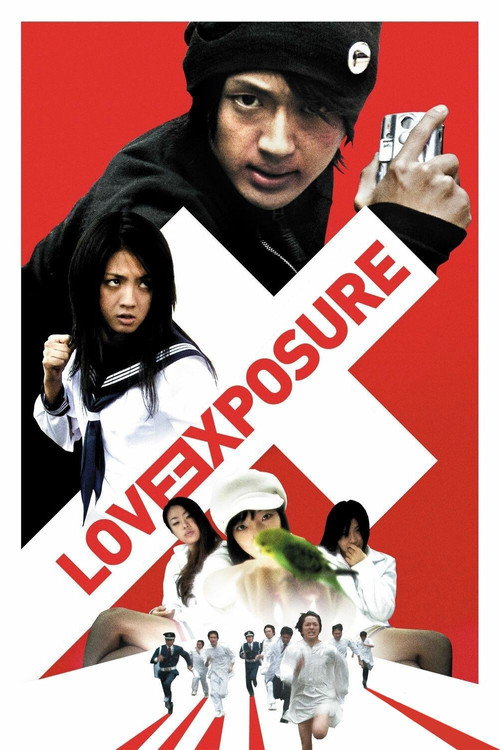
Love Exposure2008
A sprawling, wild Japanese film about loneliness, desire, and how young people construct identities to survive. Shares the documentary's interest in performance as survival and the collision between fantasy and vulnerability.
But Four hours long and structurally chaotic. It overwhelms rather than clarifies, and the tone swings from comedy to melodrama unpredictably.
Exit Through the Gift Shop2010
Banksy's documentary about a street art obsessive, examining performance, authenticity, and how someone manufactures an identity to succeed. The subject's transformation mirrors the host boys' training into manufactured personas.
But Ambiguous about what's real and what's staged—frustrating if you want clear answers. Some viewers feel manipulated by its own uncertainties.

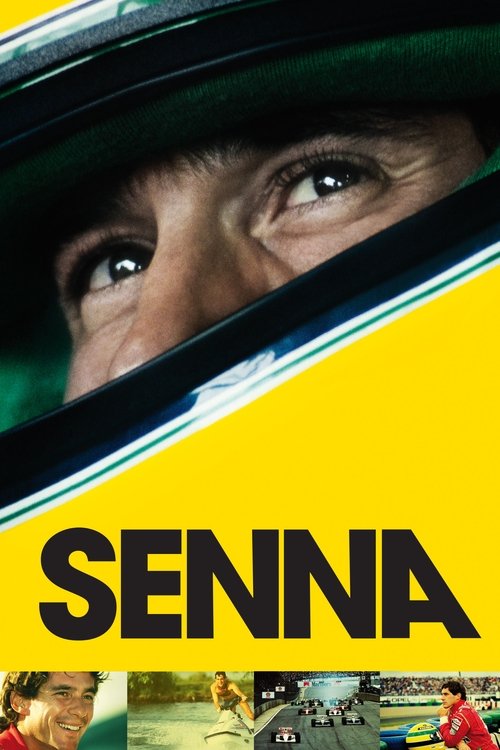
Senna2010
Documentary about racing driver Ayrton Senna using only archival footage and audio, creating an intimate portrait of ambition, performance, and the person behind the persona. Explores obsession and the cost of being the best at what you do.
But If you don't care about Formula 1, it doesn't give you much to grab onto. The sport remains the sport, and the documentary assumes investment.
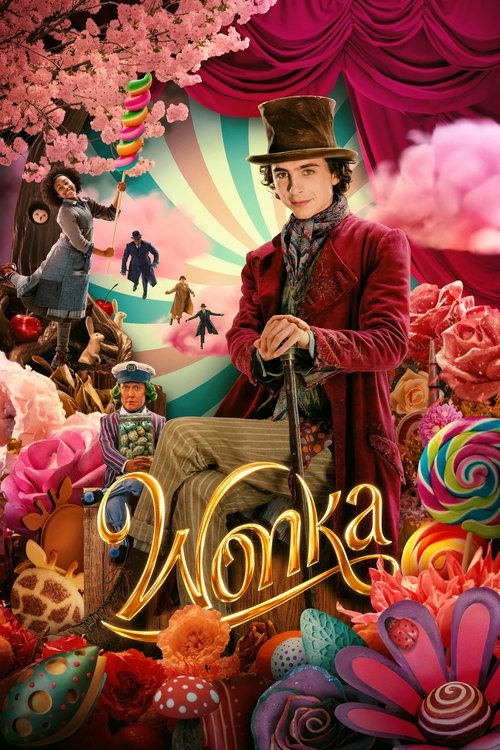
Wonka2023
Musical prequel exploring how a young man with dreams enters a cutthroat world, learns to manipulate perception, and constructs a public persona. Oddly thematic about performance and survival in a competitive landscape.
But Saccharine and carefully family-friendly. It's a joyful spin on themes the documentary treats as tragic, which might feel tone-deaf or trivializing.
Tokyo Story1953
Ozu's masterpiece about ordinary Japanese family life, observation, and the emotional restraint underlying social interaction. Connects to the documentary's fascination with how Japanese culture shapes desire, performance, and intimacy.
But Glacially paced by modern standards. Nothing dramatic happens, and if you want plot or narrative momentum, you'll find this painfully slow.

The Act of Killing2012
Indonesian documentary where perpetrators of genocide recreate their crimes for the camera, exploring how performance, self-justification, and narrative reshape memory. Interrogates the ethics of performance and confession in documentary itself.
But Morally complex and sometimes feels like it's giving a platform to evil. The documentary's methodology is deliberately controversial and uncomfortable.

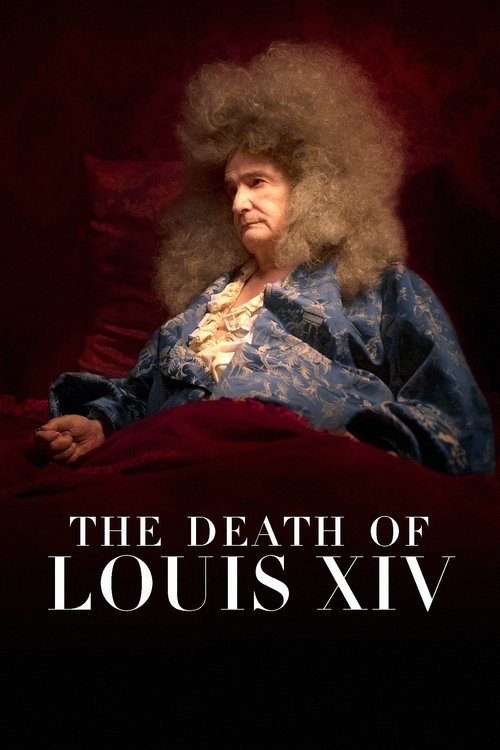
The Death of Louis XIV2016
Both examine performance as a survival strategy when the self is unstable. The documentary shows young men constructing false personas to survive economically; Serra shows a dying king performing authority as his power dissolves. Both ask: what remains when the performance collapses?
Albert Serra's experimental film about the dying Sun King, depicting decay and performance with almost no dialogue. Explores how identity, power, and spectacle hold together even as the body fails—relevant to the host club's manufactured personas.
But Deliberately slow, opaque, and austere. It's challenging avant-garde cinema, not conventional narrative. Many will find it inaccessible or pretentious.
People
Directing
- Jake ClennellDirector