
Film
The Show of Shows: 100 Years of Vaudeville, Circuses and Carnivals
A fever dream of circus, vaudeville, and carnival footage from the 1800s and early 1900s—acrobats, sword swallowers, trained animals, human curiosities, all flickering to life in salvaged film and photographs. Director Benedikt Erlingsson pairs this visual archive with an otherworldly score by Sigur Rós members, creating something that feels less like a history lesson and more like a séance. For anyone who's ever wondered what made crowds gasp before screens existed.
If you liked this
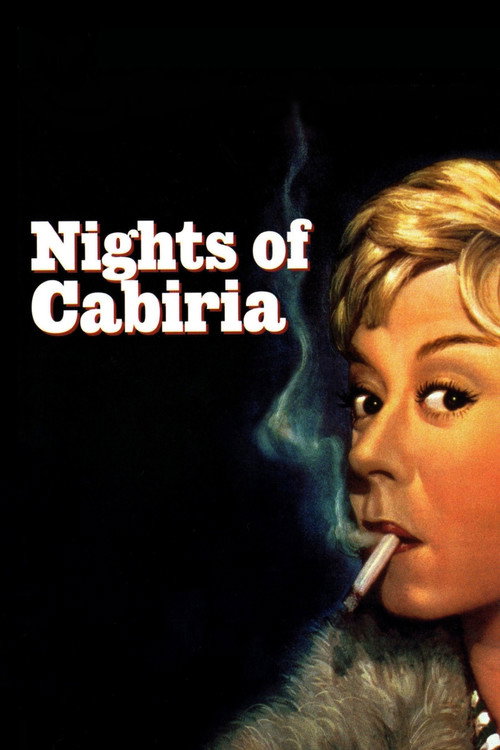
Nights of Cabiria1957
Fellini captures the magic and desperation of street performers and circus life with such tenderness. A spiritual cousin to this archive—he understood that these misfits and showpeople were the soul of entertainment.
But It's bleak in places, and the pacing is slow by modern standards. Some will find it heavy where this documentary is light.
Synecdoche, New York2008
Charlie Kaufman builds an entire theatre-circus hybrid inside a warehouse. The collision of the real and the performed, the archive and the living act—this shares the documentary's fascination with how performance consumes everything.
But It's elliptical and exhausting by design. The protagonist's despair can feel self-involved, and some viewers find it more clever than moving.

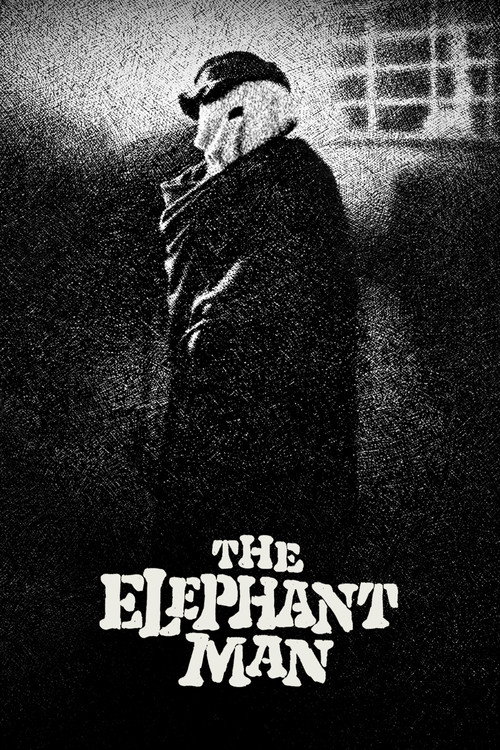
The Elephant Man1980
Lynch's meditation on display, exploitation, and the human body as spectacle. Shows the darkness behind the 19th-century curiosity show while honoring the dignity of its subject in ways this archive invites us to.
But It's deliberately bleak and slow. The deliberate pacing and black-and-white cinematography aren't for viewers wanting momentum.
Not sure tonight? Get a pick in a minute, starting from The Show of Shows: 100 Years of Vaudeville, Circuses and Carnivals
The wildcard
Something you would not have found on your own.
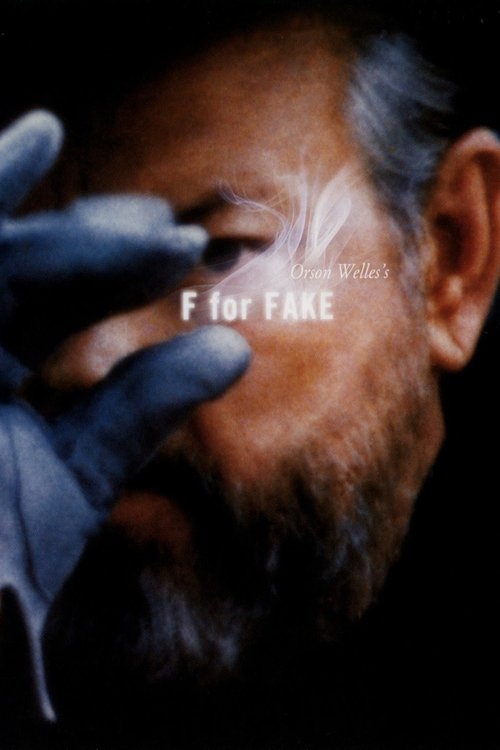
F for Fake1973
Both understand performance as the core human gesture—we are all always on. Welles's film is a magic act about magic acts; this documentary is its archive.
Welles's final film is itself a vaudeville act—sleight of hand, misdirection, pure performance about performance. He demonstrates cinema as magic trick and con, which is what every act in this archive fundamentally is. The connection is structural and spiritual.
But It's deliberately confusing. You're never sure what's real or what you're being sold, which is the point—but some find that irritating rather than thrilling. At 85 minutes it feels both too long and too short.
More like this (7)
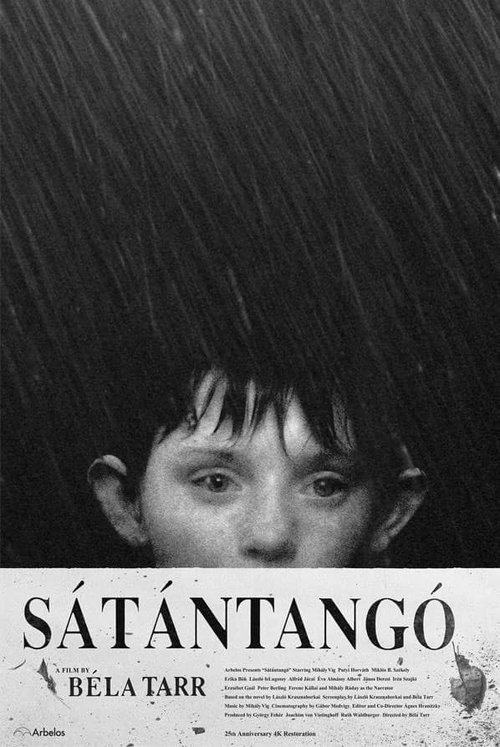
Satantango1994
Béla Tarr's seven-hour ode to performance, theatre, and con artists. Like this film, it understands that all human behaviour is a kind of show—but holds it at a spiritual remove that's hypnotic.
But At over seven hours, it's a commitment. Some find the pacing meditative; others find it punishing. The dialogue is sparse, the mood relentlessly grey.
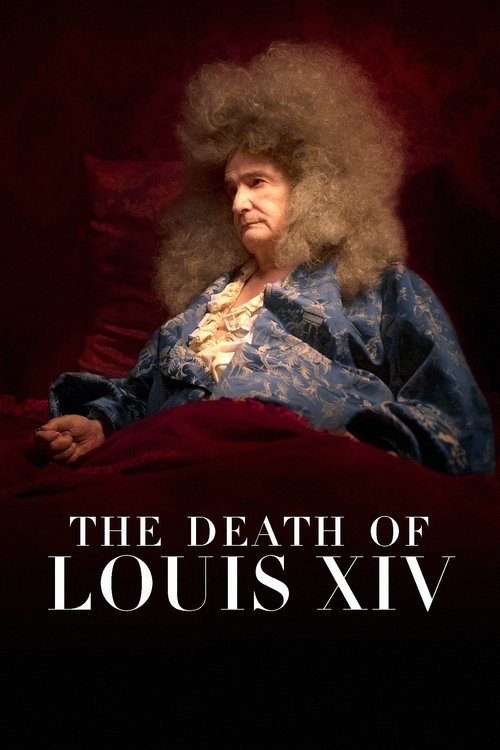
The Death of Louis XIV2016
Lioubomi Smolyanitski watches a man-as-spectacle—monarchy as pure performance—slowly disintegrate. Like the archive, it's fascinated by presence, dignity, and what we project onto the human body.
But Almost nothing happens. It's a chamber piece about decline, illness, and boredom. If you need plot or conventional drama, this will exhaust you.
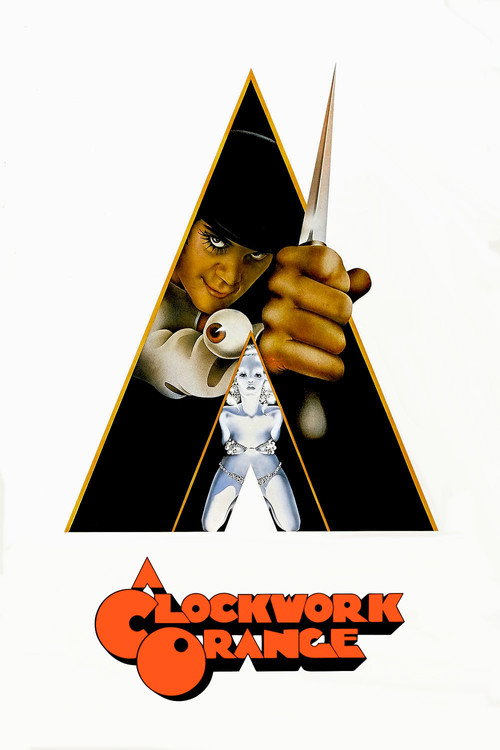
A Clockwork Orange1971
Kubrick understood vaudeville as violence and style—the performative cruelty of spectacle. It shares the documentary's visual intoxication and appetite for showing us acts we've never seen before.
But It's aggressively stylised in ways some find shallow. The sexual violence is real and upsetting. Not for viewers wanting restraint or moral clarity.
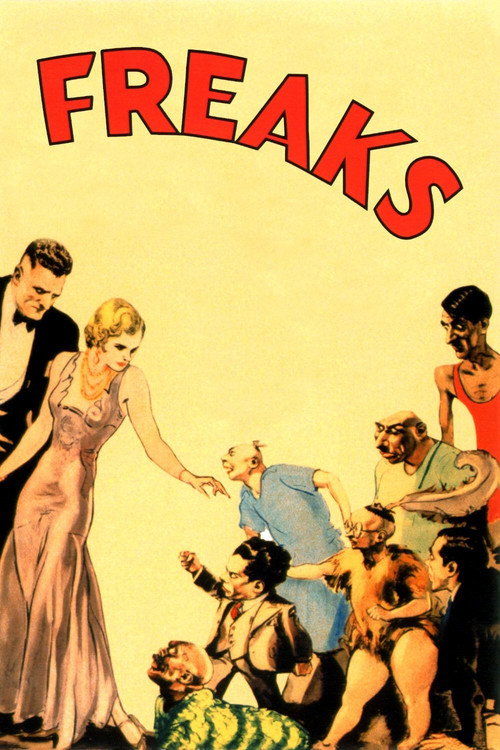
Freaks1932
Tod Browning cast actual circus performers and people with disabilities in a story about exploitation and loyalty. It's a narrative cousin to this archive—showing the same bodies, but asking harder questions about how we look at them.
But The plot is creaky and occasionally melodramatic. Some find its treatment of disability paternising despite good intentions. It can feel like it's having it both ways.
La Haine1995
Mathieu Kassovitz's black-and-white vision of performance as survival—three young men in the banlieue constantly putting on a show for each other and the world. Different era, same theatrical desperation.
But It's bleak and angry. The pacing is punchy rather than contemplative, and some find the posturing dated. Also very much a product of its moment, which can feel distant now.

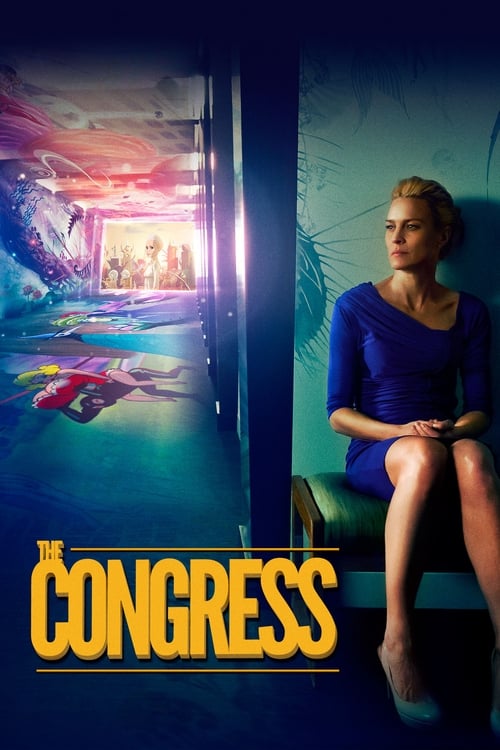
The Congress2013
Both collapse time and archive material with live performance. Both ask: what happens to the body when it becomes pure entertainment, pure image, pure sale?
Ari Folman's part-live, part-animated fever dream where an actress watches her image be consumed by the entertainment industry. It's surreal and unhinged in a way that captures the hallucinatory quality of this documentary—the archive as nightmare.
But It's genuinely weird and structurally chaotic. The animation doesn't work for everyone. Some find it pretentious; others find it simply exhausting.
Meshes of the Afternoon1943
Both treat the human body in space as enough—no story required. Both are intoxicated by the act of watching, and by what cinema can do to presence.
Maya Deren's experimental short creates atmosphere and dread from pure performance and repetition—no plot, just a woman walking through spaces, becoming image, becoming symbol. It's avant-garde, but it shares this documentary's sense that watching itself can be hypnotic and uncanny.
But It's 14 minutes of abstract visual language with no narrative. If you need plot or conventional sense, this will confuse and frustrate you.

People
Directing
- Benedikt ErlingssonDirector
Production
- Heather CroallProducer
- Margrét JónasdóttirProducer
- Vanessa ToulminProducer