
Film
Clayface
- Body horror
- Science fiction
- Drama
- Very dark
A disfigured actor pursues an experimental treatment that restores his face but fractures his mind, transforming him into something monstrous. Clayface is a body-horror thriller that uses superhero mythology as a vessel for examining fame, identity, and the price of reclaiming what's been lost. It's for people who want their genre films to bite.
Should you watch it?
Watch it if you like monster stories built around vanity and a body that betrays its owner, and you enjoy horror that leans into grubby, gleefully gross practical-feeling transformation over polished jump scares.
Skip it if you want a tidy, self-contained superhero film; this one is a 108-minute horror-thriller about one man's unravelling, and its tone stays bleak and sour rather than playful.
What it asks of you: It runs a brisk hour and a half and asks you to stay with a single unpleasant figure as his grip loosens, so expect sustained unease and little relief along the way.
Not sure? Find tonight's pick in a minute.
If you liked this
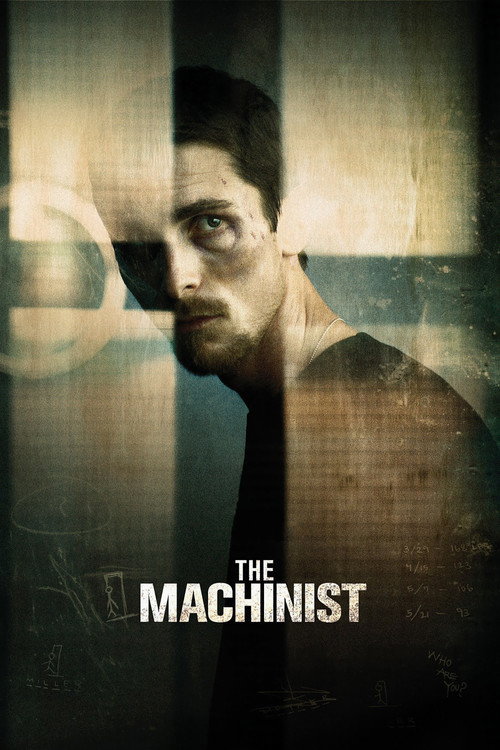
The Machinist2004
Christian Bale's physical transformation anchors a paranoid descent into madness where reality collapses. Like Clayface, it's about a man becoming unrecognizable to himself, shot with nightmare logic and unflinching detail.
But The pacing is deliberately glacial and the protagonist is almost impossible to root for—it demands patience and tolerance for sustained despair.
Under the Skin2014
Glazer's film mines body horror and alien presence from mundane Scottish landscapes. Both films ask what happens when the familiar becomes grotesque, using transformation as their central metaphor and keeping the audience perpetually off-balance.
But It's slow, deeply unsettling, and offers no catharsis or explanation—some will find it pretentious or simply boring.

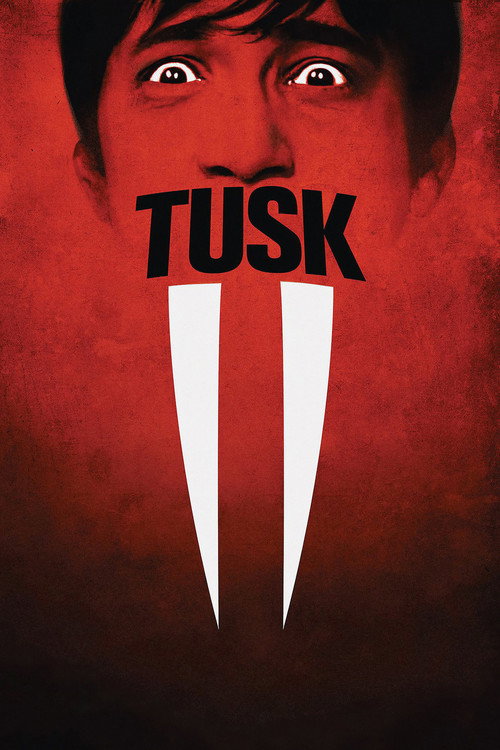
Tusk2014
Kevin Smith's body-horror film is propelled by a similar obsession: one man's delusion remaking another's flesh into his vision. The surgical transformation is genuinely horrifying and the psychological unraveling is thorough.
But It's gory and absurdist in a way that verges on comedy, which undercuts the horror for some viewers. Also deeply strange in ways that alienate rather than intrigue.
Not sure tonight? Get a pick in a minute, starting from Clayface
The wildcard
Something you would not have found on your own.
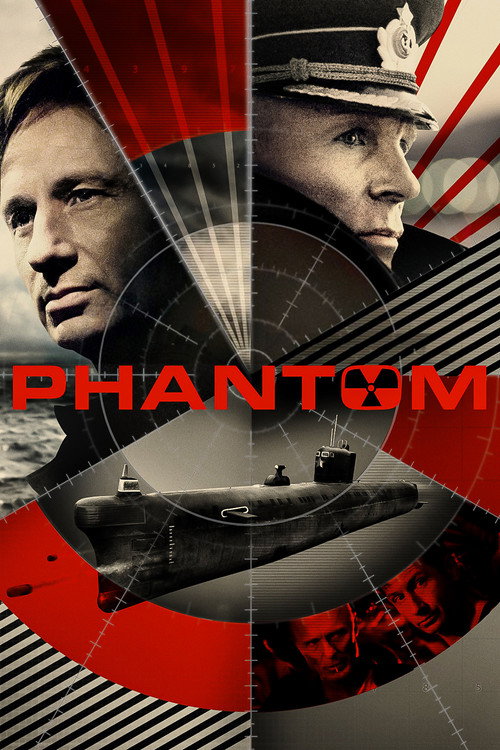
Phantom2013
Both films use transformation (physical in Clayface, psychological here) as the engine for a descent into solipsistic revenge. Both protagonists become unreliable witnesses to their own unraveling.
A Russian submarine captain haunted by a Cold War operation becomes increasingly unmoored from reality, unable to distinguish mission from madness. It's a paranoid thriller disguised as espionage, where the setting (the submarine itself) amplifies psychological breakdown. The obsession and self-destruction echo Clayface's spiral.
But It's in Russian with subtitles, paced like a slow-burn literary adaptation, and offers no easy answers—some will find it tedious rather than tense.
More like this (8)
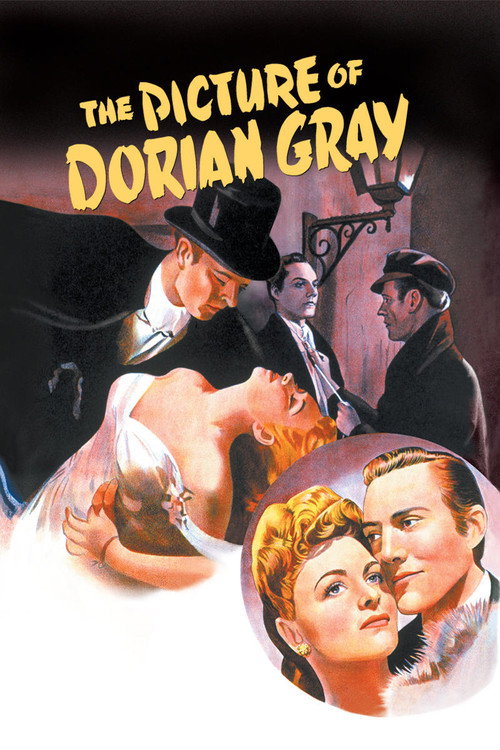
The Picture of Dorian Gray1945
Multiple adaptations exist (try the 1945 version with Hurd Hatfield). At its heart: a man's surface beauty masks inner corruption. Clayface remixes this—your face is restored, but the corruption spreads from within.
But Period costume drama conventions can feel slow and stagy to modern audiences impatient with deliberate pacing.
A Tale of Two Sisters2003
A film about fractured reality and twisted family trauma that uses visual distortion to make the familiar horrifying. The narrative's unreliability mirrors Clayface's grip on sanity slipping away.
But It's oblique and doesn't explain itself; viewers looking for clarity will find it maddening rather than mysterious.

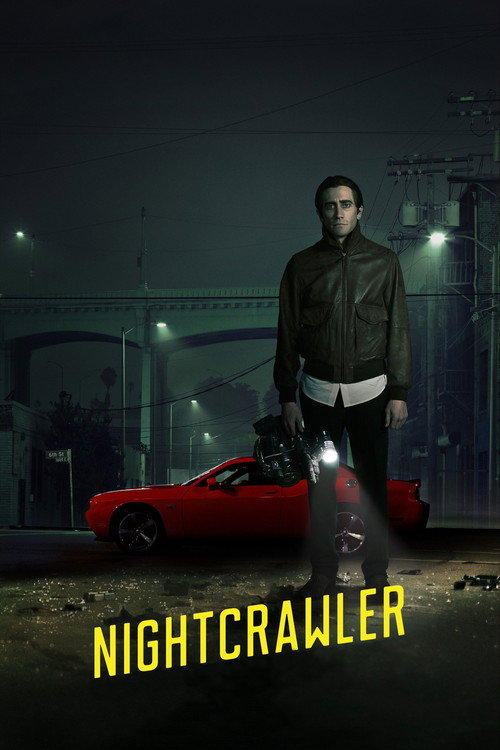
Nightcrawler2014
Jake Gyllenhaal's Louis Bloom is a man reshaping himself in pursuit of an obsession, watching his humanity erode in real time. Both examine the performance of selfhood and what happens when the mask becomes the face.
But It's relentlessly bleak and cynical without offering relief, and Bloom is repulsive in ways that make him hard to follow for two hours.
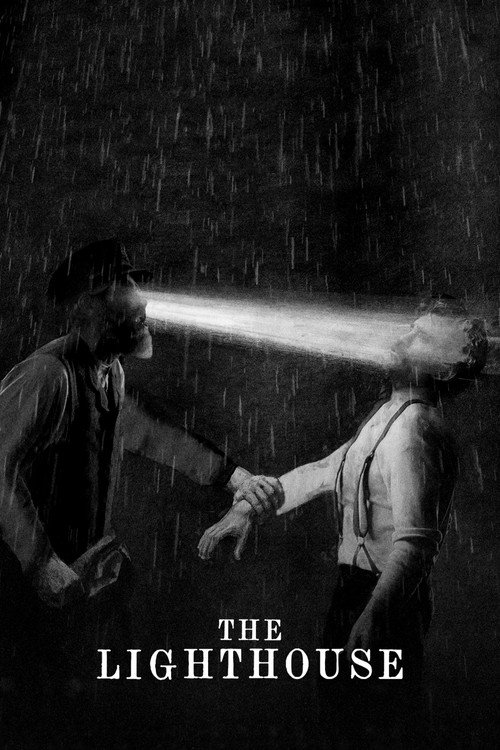
The Lighthouse2019
Two men isolated, reality fracturing, physical deterioration matching psychological collapse. Shot in black-and-white Academy ratio, it transforms an ordinary setting into a fever dream. Pure nightmare architecture.
But The dialogue is dense, the accents thick, and the film's abstract commitment to dread means plot takes a backseat to mood and atmosphere.
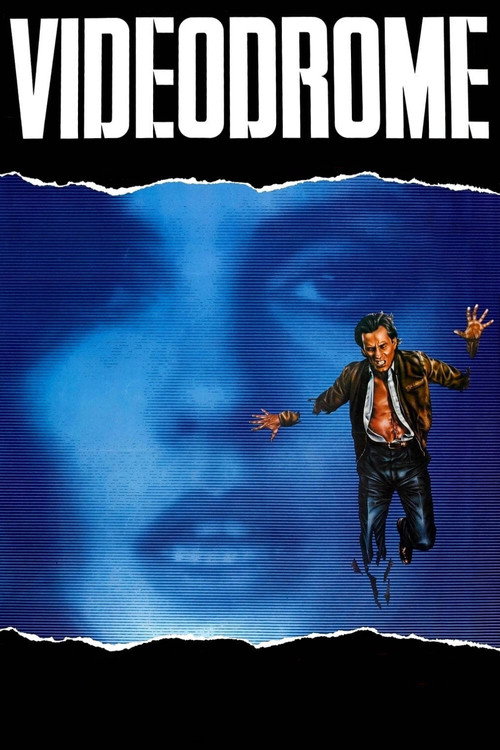
Videodrome1983
Cronenberg's masterpiece: a man's grip on reality dissolves as his body begins changing, unable to distinguish hallucination from physical metamorphosis. The DNA for this kind of horror.
But It's genuinely disturbing body horror with a low budget that shows. The ideas are brilliant but the execution is deliberately ugly.
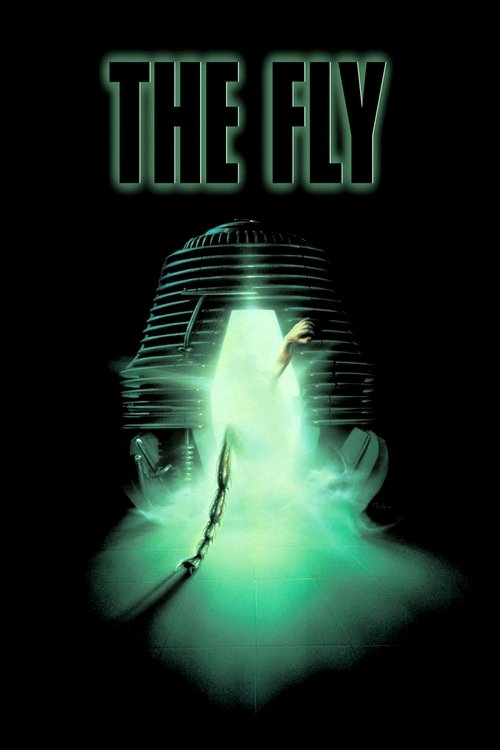
The Fly1986
Another Cronenberg: transformation as tragedy and body horror as existential crisis. Goldblum's Brundle is sympathetic even as he becomes something inhuman—the emotional core that makes the grotesque unbearable.
But Graphic practical effects that haven't aged; some find it more repulsive than compelling, and the final act is genuinely hard to watch.
Bone Tomahawk2015
Both films use mutilation—literal in Bone Tomahawk, chemical and psychological in Clayface—to ask what happens when the body becomes a text that's been rewritten by forces outside the self.
A western that transforms into body-horror nightmare without warning. It's about the violence required to remake a self and a society. Gruesome, committed, and structurally surprising—it refuses the genre you think you signed up for.
But Extremely graphic violence that serves the story but not everyone's tolerance. Also a slow setup that pays off brutally, which frustrates viewers wanting immediate payoff.

The Death of Louis XIV2016
Both Clayface and Louis XIV are obsessed with the face—one fighting to restore it, one watching it betray him. Both use the face as the site where power, identity, and mortality converge.
Lanthimos's film is all decay: a king's body failing in real time, his identity dissolving with it. Shot in extreme close-up, his face becomes the entire landscape. It's body horror stripped of spectacle—intimate, terrible, precise.
But It's eighteen minutes long and consists almost entirely of close-ups of an aging man dying. No plot. No relief. Genuinely difficult endurance cinema.

People
Cast
 Tom Rhys HarriesMatt Hagen / Clayface
 Naomi AckieCaitlyn Corr
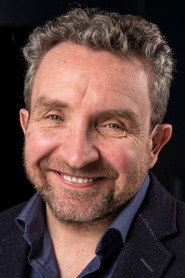
 Max MinghellaJohn Borrelli
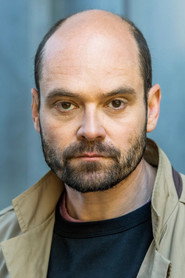

 Ruby SearTheresa
 Wil CobanBones
 Joshua JamesCorey Bowery
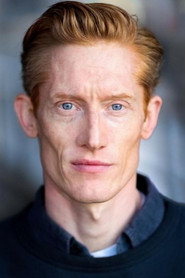 Jake CurranPatches


Directing
- James WatkinsDirector
- Martin CurryFirst Assistant Director
- Anna BrabbinsSecond Assistant Director
- James O'DonnellSecond Unit Director
Writing
- Bill FingerCharacters
- Bob KaneCharacters
- Hossein AminiScreenplay
- Mike FlanaganScreenplay
- Mike FlanaganStory
Production
- Lucy BevanCasting
- Chantal Nong VoExecutive Producer
- Lars P. WintherExecutive Producer
- Michael UslanExecutive Producer
- Paul RitchieExecutive Producer
- Rafi CrohnExecutive Producer
- Trevor MacyExecutive Producer
- James GunnProducer
- Lynn HarrisProducer
- Matt ReevesProducer
- Peter SafranProducer