
Film
Farewell
A taut Cold War thriller about a French businessman in Moscow who becomes the unwitting courier for a disillusioned KGB officer's intelligence leaks to the West. Based on true events, it's a cat-and-mouse game of tradecraft, paranoia, and moral compromise—gripping but deliberately paced, for those who prefer tension to action.
Should you watch it?
Watch it if you like espionage stories where the tension lives in quiet conversations, careful trust and a plain man's growing unease, rather than in gunfire or chases.
Skip it if you want brisk set-pieces, because this is mostly meetings, paperwork and tense talk in cold rooms, and its procedural detail can feel slow before the stakes take hold.
What it asks of you: Settle in for a little under two hours of unhurried scenes and steady, watchful pacing that rewards close attention more than restless viewing.
Not sure? Find tonight's pick in a minute.
If you liked this
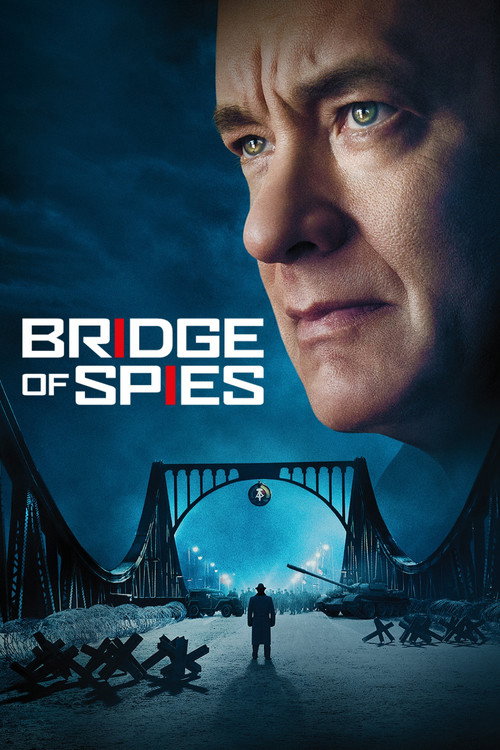
Bridge of Spies2015
Spielberg's measured Cold War espionage film, built on the same architecture of ordinary people navigating impossible stakes. Hanks as a lawyer negotiating across frozen ideological lines has the same quiet intensity.
But It's deliberately slow-burn, almost meditative. If you want kinetic spy thriller energy, this will feel glacial.
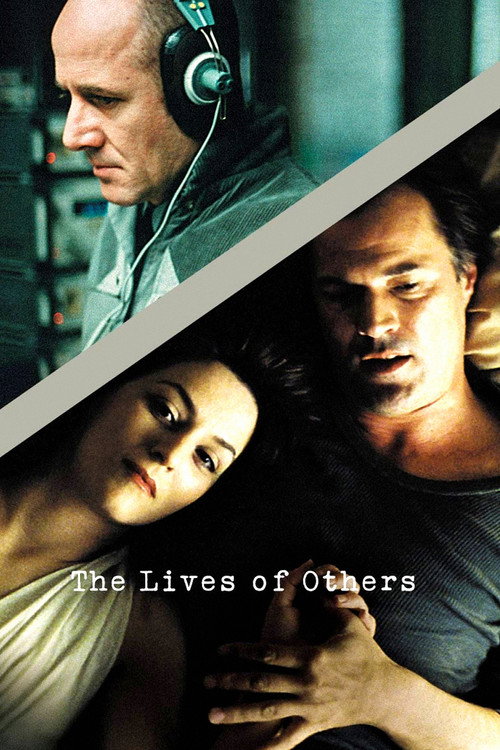
The Lives of Others2006
German masterpiece about a Stasi surveillance operative watching a playwright—utterly absorbed in the moral rot of spying on citizens. The slow dawning conscience, the impossible choices, the paranoia suffocating everything.
But Bleak and deeply unhappy. There are no good outcomes here, only degrees of damage. Watching it is emotionally draining.
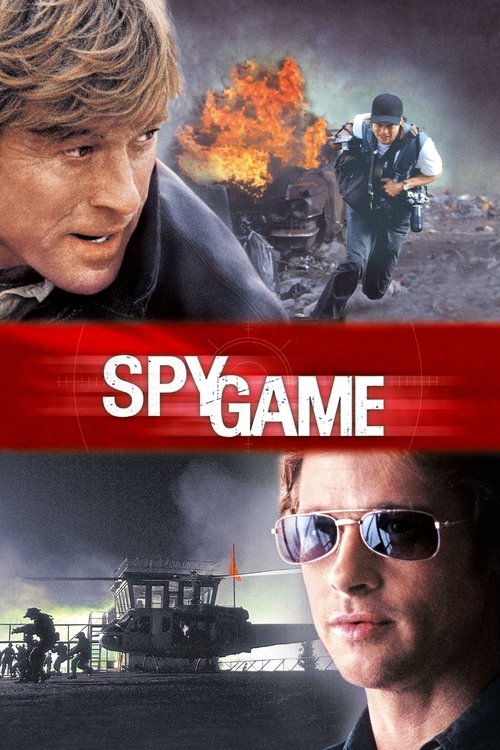
Spy Game2001
Slick, entertaining account of CIA tradecraft and Cold War operations. It moves faster than Farewell and has real action sequences, but keeps the same smart-people-outsmarting-each-other satisfaction.
But It's glossier and more conventional than Farewell. If you loved the moral ambiguity, this trades it for cleaner heroics.
Not sure tonight? Get a pick in a minute, starting from Farewell
The wildcard
Something you would not have found on your own.
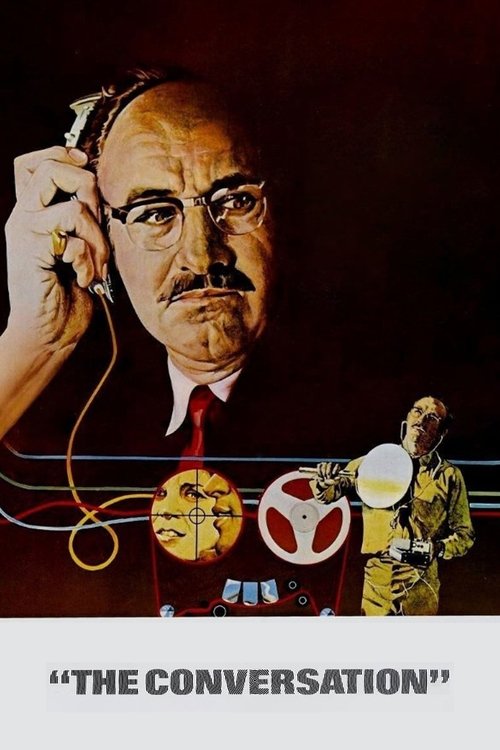
The Conversation1974
Both are about the moral weight of being a witness—of possessing information you never wanted and can't unhear or unsee.
Coppola's masterpiece about a surveillance expert (Gene Hackman) who becomes convinced he's complicit in a murder. It's about watching, listening, guilt, and the terrible power of partial information. The structure is almost identical: an ordinary man pulled into something beyond his control, paranoia calcifying into certainty.
But It's been canonized to death, and some of that 1970s paranoia-cinema aesthetic feels precious now. Also, Hackman's performance is so internal that for long stretches, very little appears to happen.
More like this (8)
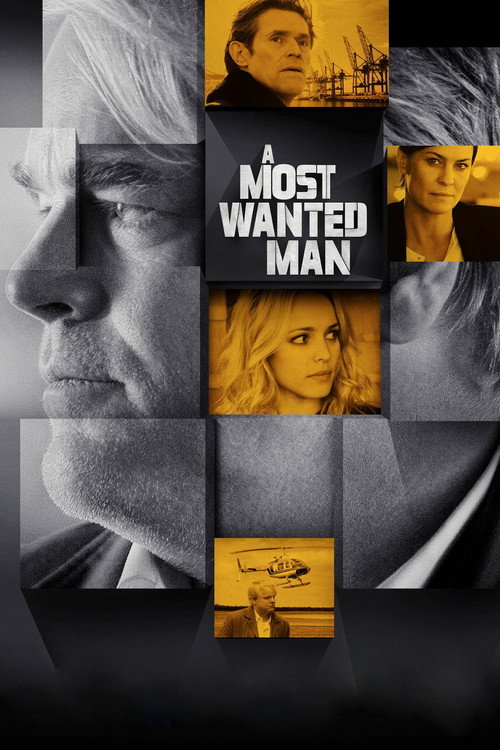
A Most Wanted Man2014
Le Carré adaptation with a superb Gary Oldman. German intelligence, Russian assets, the messy ethics of the post-Cold War spy game. Intricate, cerebral, fueled by principle and distrust.
But It meanders. The plot doesn't move like you expect, and Oldman's control can read as slowness if you're not in the mood.
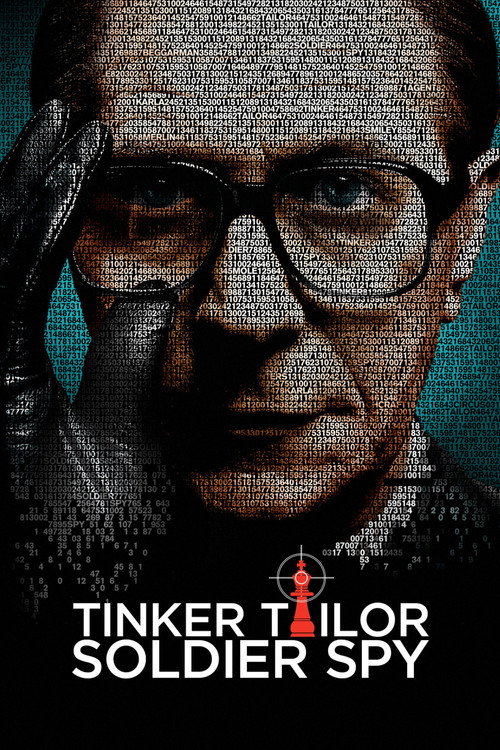
Tinker Tailor Soldier Spy2011
Glacially intelligent le Carré, all buried secrets and mole-hunting paranoia. Gary Oldman's Smiley shares that quality of watching from the edges while the world spins with deception.
But Deliberately opaque. You need to pay attention and accept that some things won't be explained. It rewards focus; it punishes distraction.
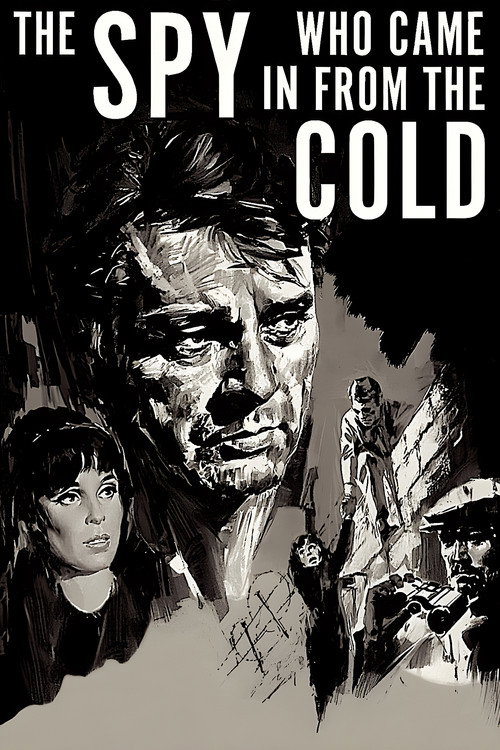
The Spy Who Came In from the Cold1965
Le Carré's first and blackest novel, adapted with Richard Burton. Cold War espionage stripped of glamour—exhausted men making shabby moral compromises for faceless organizations.
But The pacing is 1960s slow, and the ending arrives with the force of a sigh rather than a bang. Some find it depressing rather than thrilling.
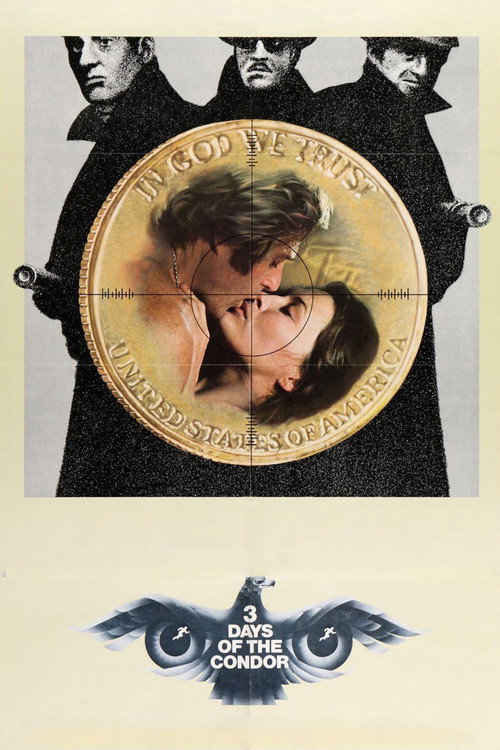
Three Days of the Condor1975
Paranoid 1970s masterpiece: Robert Redford as a CIA analyst who witnesses something he shouldn't and suddenly can't trust anyone. The entire intelligence apparatus becomes the threat.
But It's a product of its era—the editing, the score, even Redford's hair feel very 1975. The aesthetics can date it, depending on your patience.
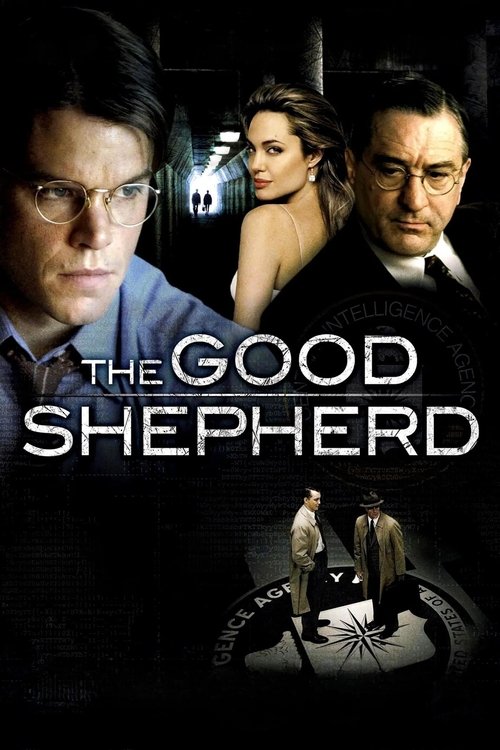
The Good Shepherd2006
De Niro's ambitious epic about the founding of the CIA and the men who built it. Spans decades, tracks the cost of service and compartmentalization on one man's soul.
But It's nearly three hours of deliberate, sometimes heavy-handed drama. The pacing is glacial and some scenes feel more like homework than thriller.
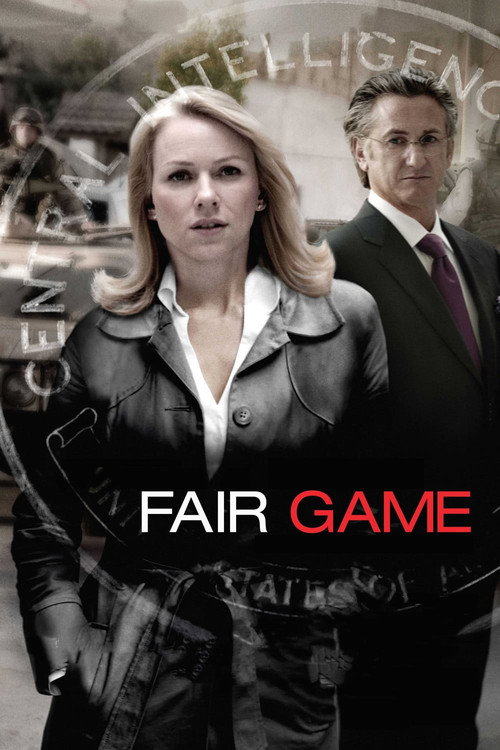
Fair Game2010
Naomi Watts as Valerie Plame, the CIA officer destroyed by politics and betrayal. A true story of institutional cruelty and the collateral damage of power plays.
But It's angrier and more personal than Farewell—less about tradecraft, more about wounded pride and revenge. The emotional register is different.
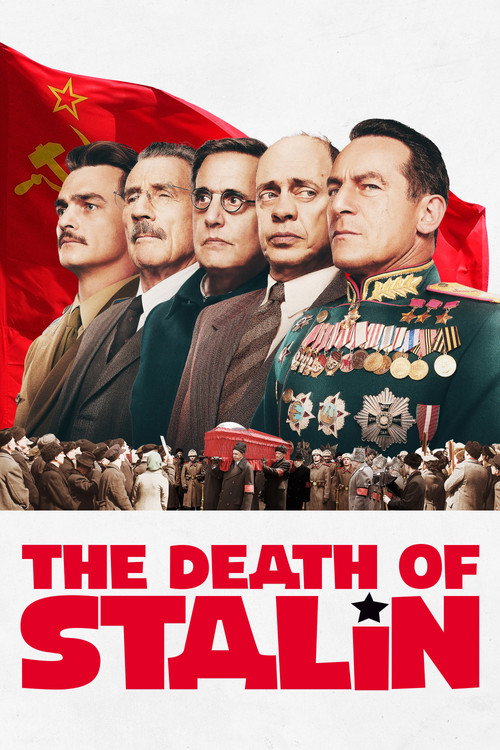
The Death of Stalin2017
Both are about the Soviet system eating itself from the inside, but one is a thriller and one treats the same subject as grotesque dark comedy—a completely different way of understanding the same rot.
Armando Iannucci's savage, hilarious black comedy about the power struggle after Stalin dies. It's Russian history as bureaucratic farce, shot in black-and-white, played by brilliant British comedians. The intelligence and the treachery are the same as Farewell, but the register is pitch-black comedy instead of thriller.
But The humour is vicious and sometimes hard to watch. It's also explicitly funny about atrocity, which will alienate anyone looking for sobriety. The black-and-white cinematography takes adjustment.
Come and See1985
Both examine Soviet power from the inside, but Farewell is a game of tradecraft and Klimov is showing what that game is actually built on—the human devastation that feeds the machinery.
Elem Klimov's devastating Soviet film about a teenage partisan in WWII Belarus. It's not espionage—it's the brutal human cost of the ideological machinery that produces the kind of men Grigoriev becomes. Raw, unforgettable, filmed with nightmarish intensity.
But This is visceral and horrifying. It's about the industrial annihilation of civilians. It's not entertainment; it's a wound. Only watch if you're prepared to be shaken for days.

People
Cast
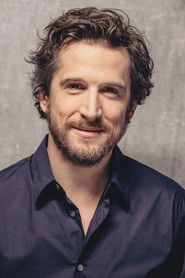 Guillaume CanetPierre Froment
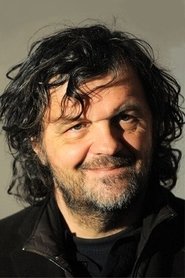 Emir KusturicaSergei Grigoriev
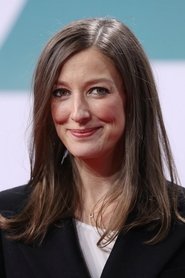 Alexandra Maria LaraJessica Froment
 Ingeborga DapkūnaitėNatasha
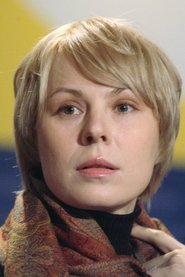 Dina KorzunAlina
 Niels ArestrupVallier
 Willem DafoeFeeney
 Fred WardRonald Reagan
 Philippe MagnanFrançois Mitterrand
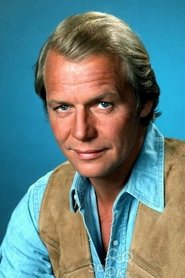 David SoulHutton
- Christian SandströmFBI Agent
Directing
- Christian CarionDirector
Writing
- Serguei KostineOriginal Story
- Christian CarionWriter
- Eric RaynaudWriter
Production
- Gigi AkokaCasting
- Ophélie GelberCasting
- Susie FiggisCasting
- Bertrand FaivreProducer
- Christophe RossignonProducer
- Philip BoëffardProducer
Recommended by
The Company You Keep, The Last Station, Gorky Park, Transformers One