
Film
Manchali
- Screwball comedy
- Light-hearted
A 1973 Hindi romcom built on a fake-marriage con: a jobless man poses as a wealthy woman's husband for cash, but feelings complicate the exit strategy. Sanjeev Kumar carries the film with charm and physical comedy, while the music—lush, playful—threads through the whole thing. It's frothy, occasionally sentimental, made for audiences who enjoy romance that takes its time before the couple actually likes each other.
If you liked this
Pyaasa1957
Guru Dutt's masterpiece about a struggling poet and the woman who loves him. Melancholic, gorgeous, with Rafi's songs embedded into your chest. If you want Hindi cinema that breaks your heart while looking beautiful.
But It's a downer—genuinely bleak about artistic ambition and betrayal. Also nearly three hours, and the print quality on older transfers can be rough.

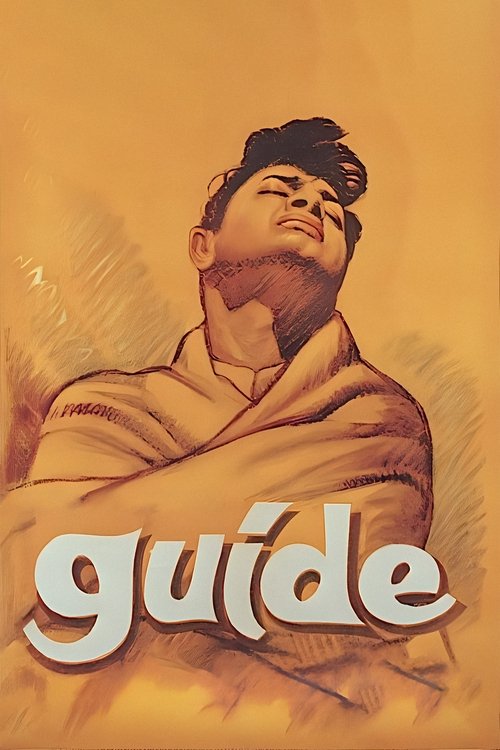
Guide1965
Rajesh Khanna and Waheeda Rehman in a story about a con man who becomes a spiritual guide by accident. Romance, philosophy, and S.D. Burman's incomparable music. The performances are restrained and real in a way that feels modern.
But The plot takes several turns that don't quite hold together logically. Some find the ending unsatisfying or overly symbolic rather than dramatically earned.
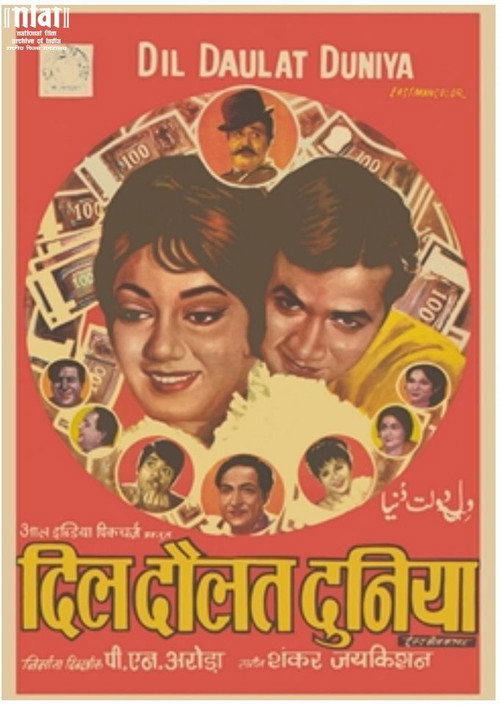
Dil Daulat Duniya1972
A Rajesh Khanna vehicle about inheritance, scheming relatives, and a reluctant romance. Lighter and breezier than Manchali, but the same DNA: young love caught in a tangle of money and family obligation.
But Feels like a remix of better films. The plot is predictable, and some of the humour lands softer than intended.
Not sure tonight? Get a pick in a minute, starting from Manchali
The wildcard
Something you would not have found on your own.
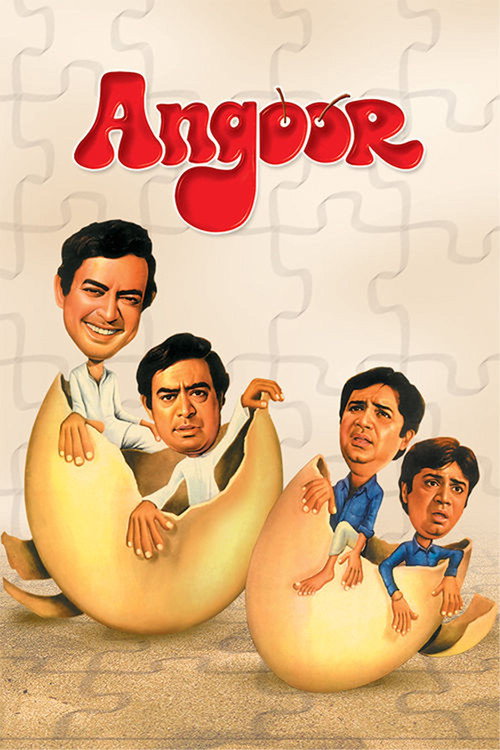
Angoor1982
Both use the romance-through-deception framework, but Manchali is tender and Angoor is anarchic. Watching them back-to-back shows how flexible the formula was in Sanjeev Kumar's hands.
A remake of Shakespeare's *Comedy of Errors* set in contemporary Mumbai, with Sanjeev Kumar himself playing dual roles opposite Rakesh Roshan. It's fast, absurdist, and proves the fake-identity template could be stretched further than Manchali reached. Also: Sanjeev Kumar doing slapstick at full tilt is joyful.
But The plot is deliberately nonsensical and fast-moving to the point of dizzying. If you need clarity and a grounded narrative, the relentless switching and mistaken identities will exhaust you.
More like this (5)
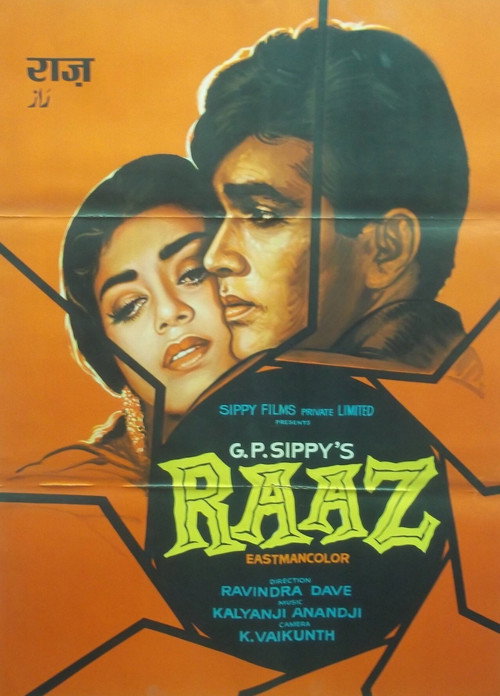
Raaz1967
Rajesh Khanna and Mumtaz in a thriller-romance hybrid. Sanjeev Kumar's contemporary, Khanna was the bigger star, but this shows the kind of charismatic male lead who carried Hindi cinema in the early '70s.
But The mystery is transparent, and it's more dated in its pacing than you'd expect for a suspense film. Some plot holes even at the time.
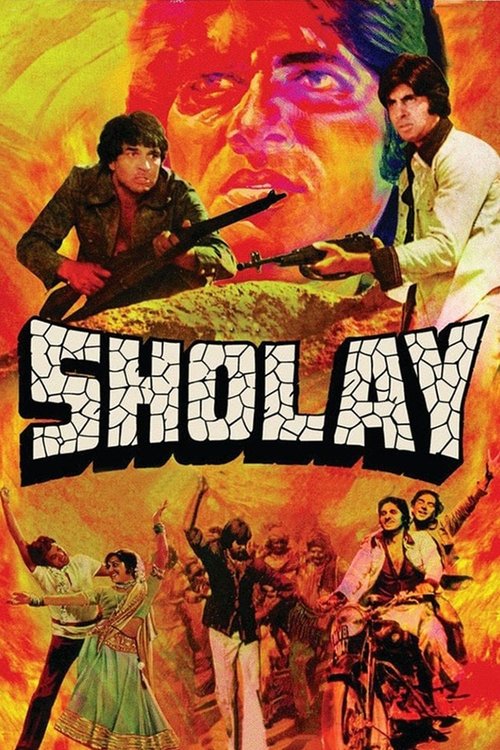
Sholay1975
The greatest Hindi film ever made—a Western transplanted to rural India with two charming rogues and a revenge plot. Not about romance, but Sanjeev Kumar's co-lead here is the mirror image of his Manchali character: clever, funny, fundamentally good.
But It's nearly three and a half hours and has become so culturally massive that watching it can feel like homework. Some of the comedy bits haven't aged well.
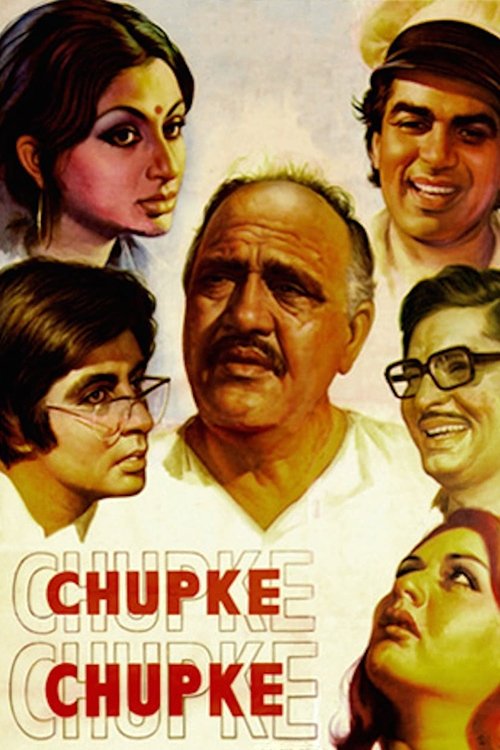
Chupke Chupke1975
Amol Palekar and Deepti Naval in a domestic comedy about a chemistry professor who plays pranks on his in-laws. Gently intelligent, beautifully acted, and it finds humour in observation rather than slapstick. Utterly charming.
But The pacing is slow and deliberate. If you want quick laughs, you'll find it meandering. Some viewers find it too gentle to hold attention.
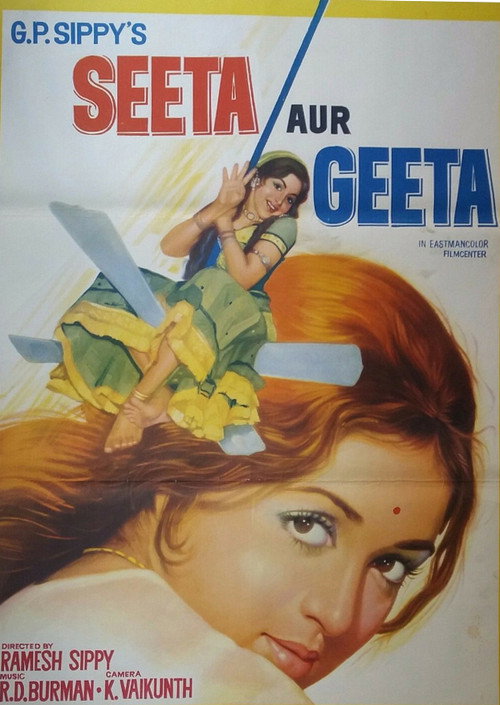
Seeta and Geeta1972
Rajesh Khanna opposite a double-role Mumtaz. This one leans harder into fantasy and spectacle than Manchali, but has that same goofy romantic energy and physical comedy from the male lead.
But The plot is silly even for a '70s film, and the gender politics are very much of their time. The logic of the twin-switch gimmick falls apart if you think about it.
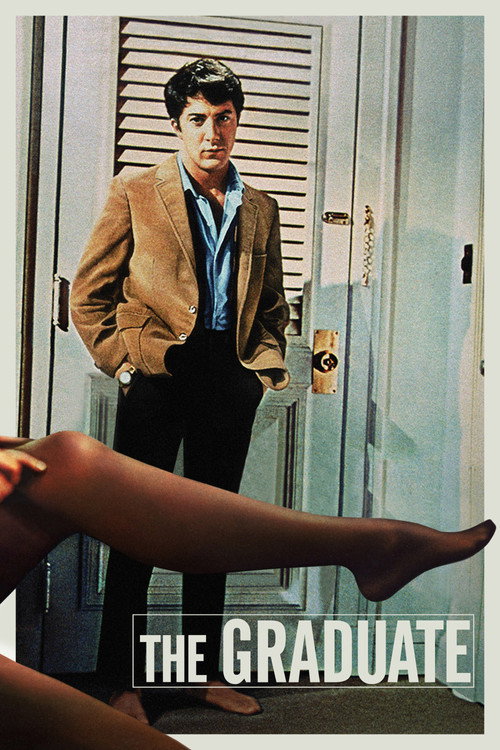
The Graduate1967
Both pit a young man against a transactional relationship, but where Manchali plays it as romantic comedy, *The Graduate* plays it as satire. They're inverse takes on the same skeleton: Can you fall in love while being used, and does the answer matter?
An American comedy about a young man seduced and then caught between two women—but also about being trapped by expectation and family plots. The tone is satirical rather than warm; it stings while it amuses. Dustin Hoffman's nervousness is the opposite register from Sanjeev Kumar's charm, but the shape is similar: a young man caught in an older woman's scheme.
But It's very much a '60s artefact and can feel dated in its sexual politics. The comedy is sometimes hostile. If you want your romance played straight, this deconstructs the whole thing.
People
Cast
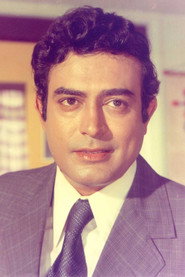 Sanjeev KumarSushil Kumar
 Leena ChandavarkarLeena
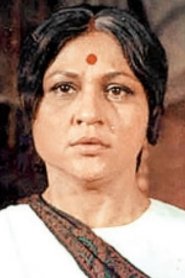 Nirupa RoyChachi
Directing
- Raja NawatheDirector
Production
- Raja NawatheProducer