
Film
Last Night
Other titles called Last Night: the 2010 film.
Don McKellar's *Last Night* finds Toronto on December 31st, 1999, as the world ends at midnight. It's a tender, funny apocalypse that watches ordinary people navigate their final hours with grace, regret, and unexpected connection. Less catastrophe film than character study—a love letter to small moments that matter.
Should you watch it?
Watch it if you like quiet, observant films where the end of the world is a backdrop for small, awkward human choices, and where a bittersweet tenderness creeps up on you rather than announcing itself.
Skip it if you want a disaster movie with spectacle or a brisk plot; this is loose and talky, and much of its charm sits in lingering over ordinary conversations and hesitations.
What it asks of you: Ninety-four minutes of unhurried, patient watching, with a mostly low-key mood and a willingness to let scenes drift and sit with characters who are deciding how to spend their last hours.
Not sure? Find tonight's pick in a minute.
If you liked this
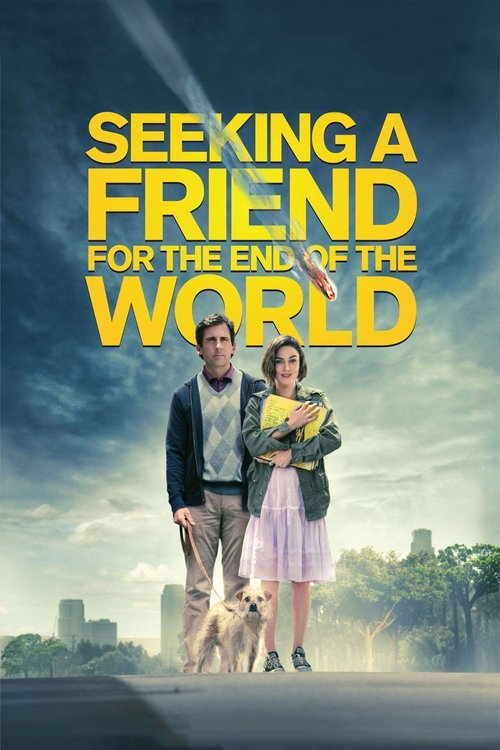
Seeking a Friend for the End of the World2012
Two mismatched strangers spend their last days together finding meaning in small gestures and genuine connection. Steve Carell and Keira Knightley have real chemistry, and the film balances dark humour with surprising warmth throughout.
But It's more melancholic than funny, and some find the romance between them unearned. The tonal shifts can feel uneven if you're not in the mood for quiet sadness.
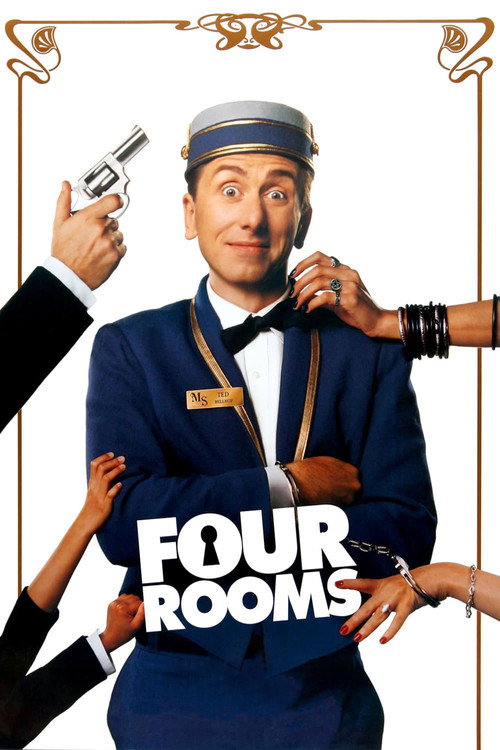
Four Rooms1995
New Year's Eve in a single hotel on the verge of chaos. Like *Last Night*, it's an ensemble piece about strangers and staff navigating one compressed night with darkly comic energy and genuine oddness.
But Directed by Tarantino and Allison Anders, it's deeply stylized and sometimes feels more interested in performance than story. Wildly uneven—some sketches land brilliantly, others don't land at all.
Synecdoche, New York2008
Charlie Kaufman's opus about a theatre director creating an elaborate show inside a warehouse while his life collapses. Dense, poetic, and structurally playful in ways that echo *Last Night*'s meditation on how we spend our time.
But It's deliberately confusing and asks a lot from viewers. Three hours, no clear plot, and intellectual to the point where it can feel pretentious if it's not clicking for you.

Not sure tonight? Get a pick in a minute, starting from Last Night
The wildcard
Something you would not have found on your own.
Ikiru1952
Both films use a defined ending point to strip away pretense and reveal what actually matters. They're about clarity bought by finality.
Kurosawa's masterpiece about an aging bureaucrat discovering meaning as he faces mortality. Like *Last Night*, it asks what we owe ourselves and others when time runs out, but with Japanese formality and deep melancholy that makes the warmth hit harder.
But It's 143 minutes, black-and-white, and emotionally austere. The second half becomes almost unbearably sad, and there's no catharsis—only quiet acceptance.

More like this (6)
American Beauty1999
Another 1999 film about ordinary people seeing their lives clearly at a moment of reckoning. Lester Burnham's awakening parallels *Last Night*'s characters finding meaning in their final hours. Stylish and darkly comic.
But It's very much a product of its moment and some of the politics around desire haven't aged well. The twist ending divides people sharply.

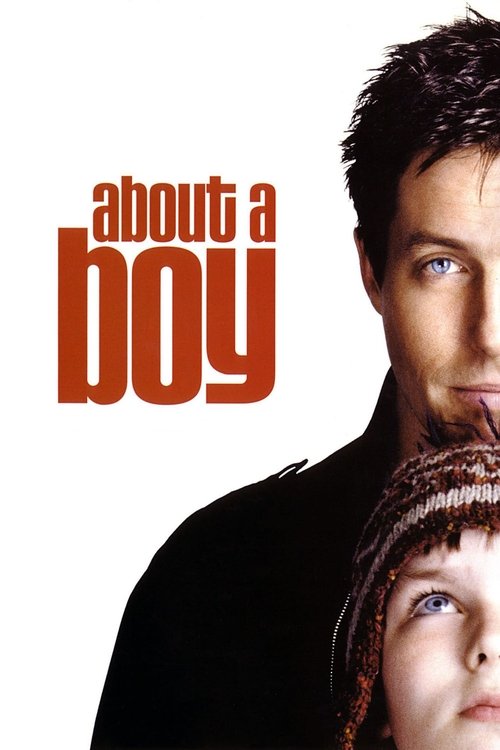
About a Boy2002
A lighter ensemble comedy about people's lives intersecting and how we're all more connected than we think. Hugh Grant and Toni Collette anchor a script with warmth and genuine funny moments about finding your place.
But It's considerably more conventional than *Last Night*. If you want something formally adventurous or bleak, this is too earnest and sitcom-like.
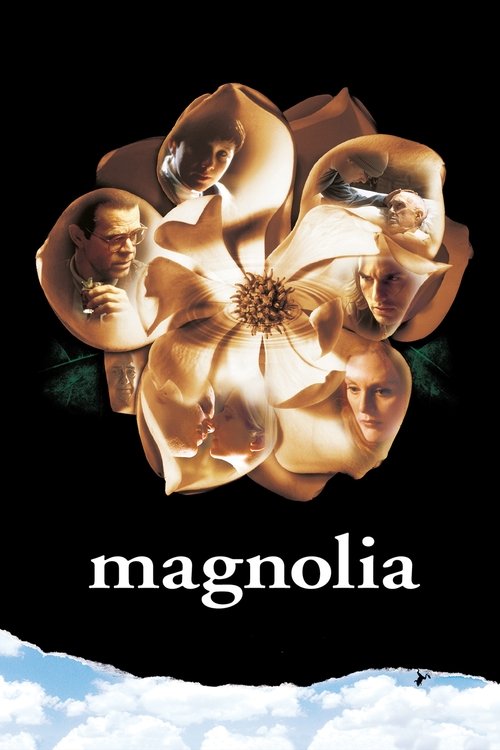
Magnolia1999
Paul Thomas Anderson's three-hour Los Angeles symphony about strangers whose stories collide. Like *Last Night*, it finds profound connection in brief moments between people, and treats small gestures with real weight.
But It's exhaustingly ambitious and sprawling. The famous frog rain scene divides viewers, and the length can feel self-indulgent without patience for the slower passages.
This Is Us2016
An ensemble series built on the idea that we're all walking through profound personal moments at the same time. Structure-forward storytelling connects timelines the way *Last Night* connects strangers—finding grace in fragments.
But Genuinely manipulative about emotion, with big manufactured twists. If you don't like being made to cry on schedule, the sentimentality can feel cloying and calculated.

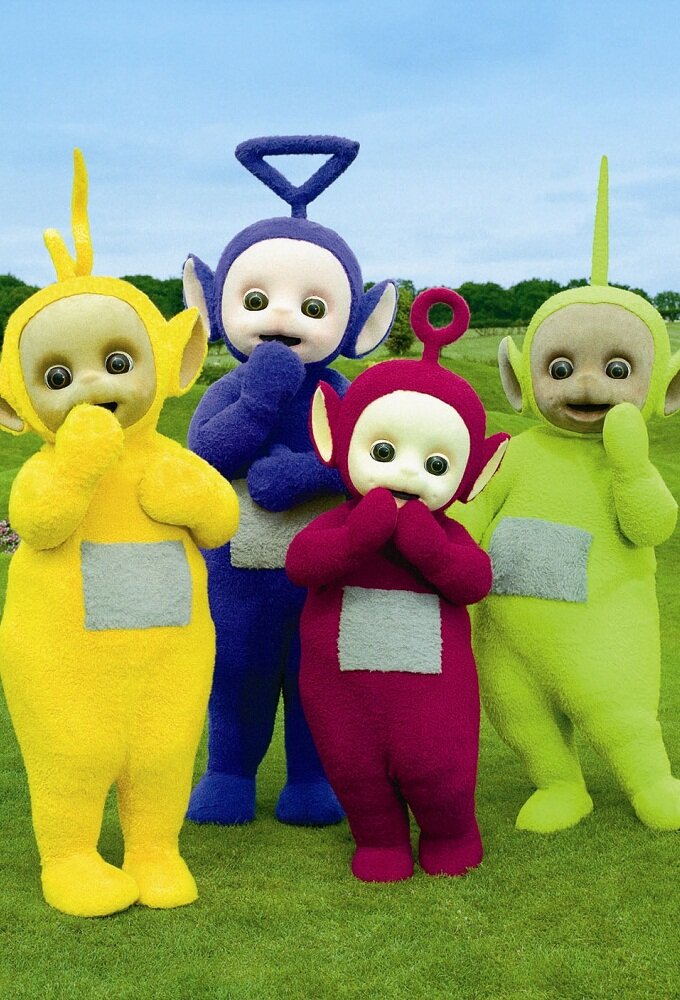
Teletubbies1997
Both treat ordinary, repetitive moments—eating, saying goodbye, existing together—as profound. Neither insists you feel big emotions; both suggest small ones matter most.
A BBC series for toddlers that, oddly, shares *Last Night*'s tone: gentleness, repetition, characters moving through a carefully constructed world performing small rituals. It's hypnotic, purposeless, and deeply humanizing—Teletubbies hug each other without irony.
But It's made for children under five. Watching as an adult requires deliberate surrender to something designed to be simple. Some find it unsettling rather than soothing.
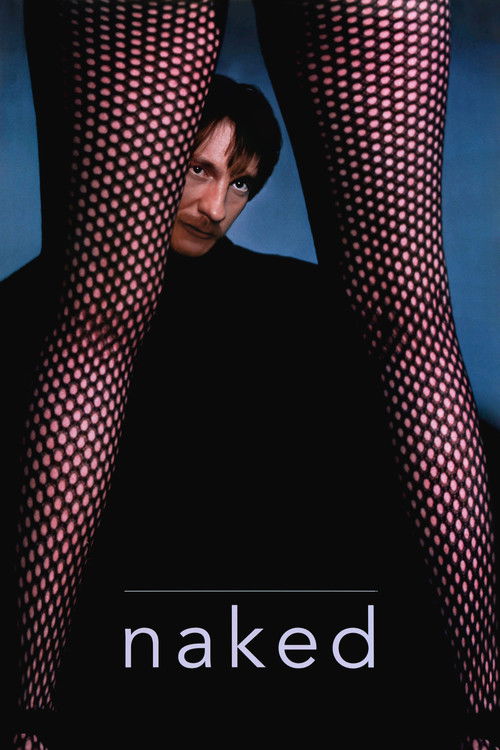
Naked1993
Where *Last Night* finds grace in connection during an external apocalypse, *Naked* shows how apocalyptic thinking poisons connection before the world ends. They're moral inverses exploring the same terrain.
Mike Leigh's brutal masterpiece about a man wandering London over a few days, talking philosophy and despair with strangers. It's apocalyptic in mood—everyone behaves as if the world is ending—but the apocalypse is internal.
But Graphically violent and sexual, deeply misanthropic, and genuinely difficult to watch. The protagonist is often contemptible, and there's no redemption or warmth to offset the darkness.
People
Cast
 Don McKellarPatrick Wheeler
 Sarah PolleyJennifer Wheeler
 Roberta MaxwellMrs. Wheeler
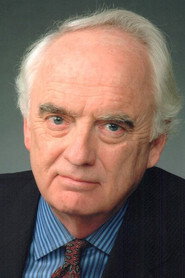 Robin GammellMr. Wheeler
 Trent McMullenAlex
 Sandra OhSandra
 Charmion KingGrandmother
- Jessica BookerRose
 David CronenbergDuncan
 Tracy WrightDonna
 Callum Keith RennieCraig Zwiller
 Karen GlaveLily
Directing
- Don McKellarDirector
- Jennifer JonasFirst Assistant Director
- Oliver OlsenScript Supervisor
- Trent HurrySecond Assistant Director
- Annie BradleyThird Assistant Director
- Maria PopoffThird Assistant Director
Writing
- Don McKellarWriter
Production
- Jennifer JonasAssociate Producer
- Diane KerbelCasting
- Joseph BocciaCo-Producer
- Carole ScottaExecutive Producer
- Caroline BenjoExecutive Producer
- Daniel IronProducer
- Niv FichmanProducer
- Lisa LavoratoProduction Accountant
- Robin M. ReelisProduction Coordinator
- Joseph BocciaUnit Production Manager