
Film
Cascade
A science fiction film imagining cascading infrastructure collapse across Britain. Drawn from a 2003 docudrama about a day when the entire transport network seized, Cascade explores how systems fail, how quickly society unravels, and what ordinary people do when the grid goes dark. It's speculative catastrophe with a documentary's grounding—urgent, technically minded, and British in its dark wit.
Should you watch it?
Watch it if you enjoy a quiet, grounded what-if about ordinary people whose routine suddenly stops working, and you don't mind waiting for a film that may not exist yet.
Skip it if you need concrete details before committing, since no cast, runtime or release date is confirmed, and its science fiction tag may not match its documentary roots.
What it asks of you: Nothing is settled yet: no length, pace or tone can be judged, so treat it as a file to check back on rather than a night planned.
Not sure? Find tonight's pick in a minute.
If you liked this
The Day Britain Stopped2003
The source material itself: a gripping dramatised documentary about a real traffic gridlock that paralysed the nation. Taut, plausible, and genuinely tense about systems failing in real time.
But As a docudrama it feels more procedural than cinematic—less dramatic crescendo, more methodical unravelling. Pacing is deliberate rather than propulsive.
Threads1984
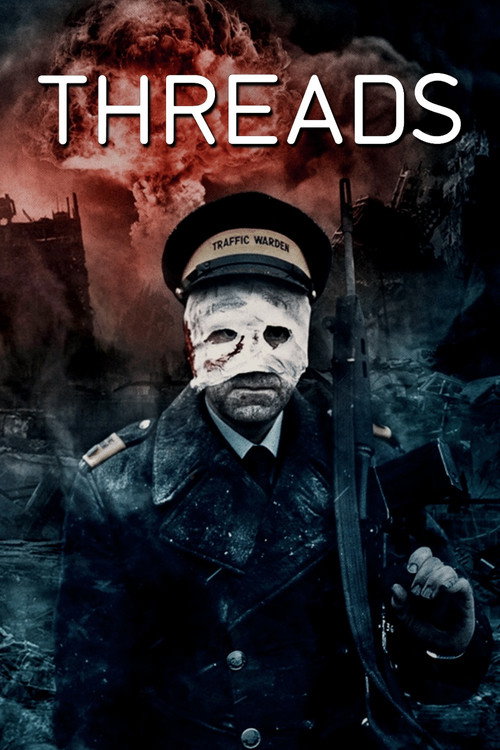
A nuclear war film that refuses to look away from systemic collapse. Brutal, unflinching, and structured around cascading failures—power, food, communication, sanity. British sci-fi at its most devastatingly serious.
But Relentlessly bleak. There are no heroes, no solutions, no uplift. It's designed to leave you shaken and won't let you forget that feeling.
The Road2009
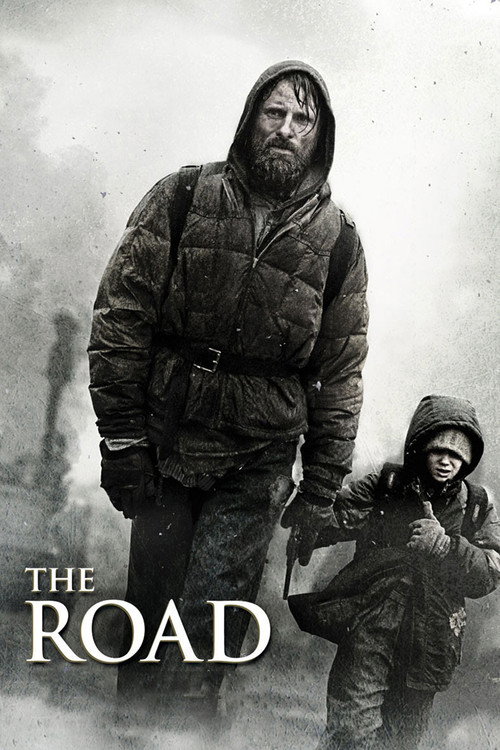
Post-collapse survival stripped to essentials: two figures moving through a dead world. Cormac McCarthy's vision of infrastructure gone and nature hostile. Visually stunning in its bleakness, morally complex.
But Glacially paced and emotionally exhausting. The world-building is sparse; you won't find comforting explanations or clear cause-and-effect. Grief becomes the atmosphere.
Not sure tonight? Get a pick in a minute, starting from Cascade
The wildcard
Something you would not have found on your own.
Seeking a Friend for the End of the World2012
Both use large-scale system failure as a canvas to examine how individuals respond—not with heroism but with very human choices about connection and meaning.
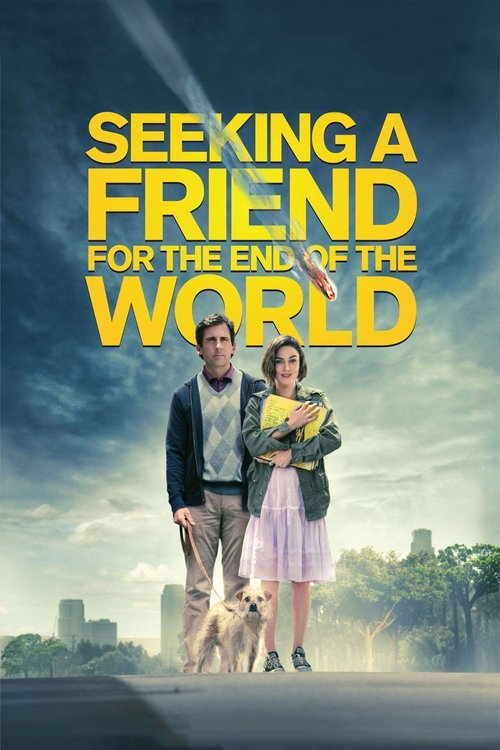
A comet will strike Earth in three weeks. Instead of panic, two neighbours set off to find connection. It sounds whimsical but it's genuinely tender—less about the catastrophe than about how people face it together. Steve Carell and Keira Knightley.
But Tonal whiplash: part comedy road trip, part intimate drama about mortality. Refuses to commit to either register. The apocalypse backdrop feels almost secondary to the relationship, which some will find evasive.
More like this (7)
Blackout2012
A miniseries about a cascading power failure across the northeastern US. Taut, character-driven, and genuinely smart about how infrastructure breakdown propagates through society in hours. Underrated thriller.
But Once the lights go out, the energy never quite recovers. Second half trades technical intrigue for melodrama. The resolution feels a bit neat given the chaos.
Children of Men2006
Gravity-defying long takes through a collapsing Britain. Society isn't suddenly gone—it's visibly rotting. Stunning cinematography, genuine dread, and a clear-eyed look at how states crumble from inside.
But Relentlessly grim and, despite the technical brilliance, somewhat static. Hope is a concept rather than something you feel. Philosophical dystopia, not action.
Stalker1979
A Soviet meditation on systems, desire, and the infrastructure of doubt. A guide leads clients through a forbidden zone to a wish-granting room. Hypnotic, profound, and structured around the failure of certainty itself.
But Glacial pacing and metaphorical density. If you want plot momentum this will feel like watching grass grow. The payoff is psychological, not narrative.

Blindness2008
A city loses sight overnight and descends into lawlessness. Less about spectacle than about social cohesion evaporating. A study in how quickly order becomes chaos when basic trust collapses.
But Aggressively pessimistic about human nature. The degradation is thorough and sordid. By design there's little dignity or heroism to take comfort in.
Last Night1998
The world will end at midnight and Toronto spends its final evening offline, unbuttoned. A gentle, wry film about what people actually do when systems fail—not panic, but connection. Unexpectedly warm.
But Apocalypse here is a whisper, not a bang. No tension, no action, no survival stakes. For some that's the point; for others it's the problem.
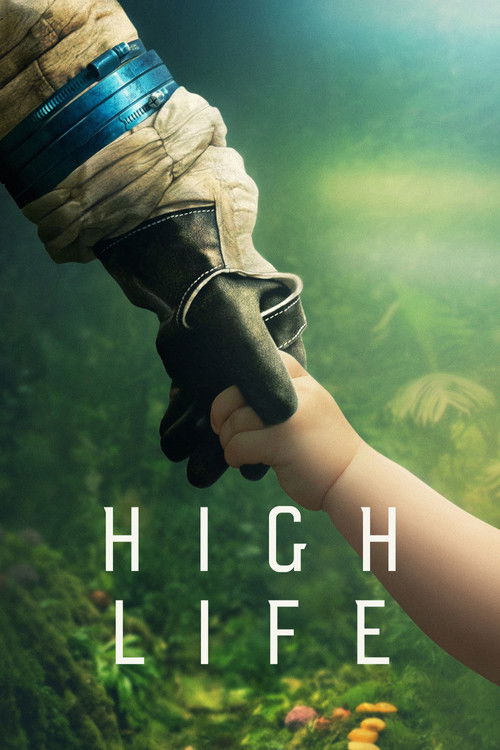
High Life2018
Like Cascade imagined as an intimate chamber piece: confined systems breaking down, cascading consequences trapped with nowhere to go, and the crushing weight of infrastructure when it becomes a prison.
Robert Pattinson and a baby on a derelict spacecraft hurtling into a black hole. A sci-fi film that's really about the psychology of confinement and slow, inevitable failure. Hypnotic, strange, visually extraordinary. Claire Denis directing.
But Glacially paced with almost no dialogue. The narrative is fragmented and elusive. If you want to understand what's happening, the film is actively resisting—you have to sit with strangeness and ambiguity.
Come and See1985
Both examine collapse in granular detail—what happens when order fails is not action-adventure but the stripping away of everything that held people safe. Where Cascade imagines British infrastructure failing, this shows what happens to human infrastructure under historical catastrophe.
A Soviet film following a boy through the horrors of WWII on the Eastern Front. Infrastructure, civilisation, and belief collapse utterly. Brutally honest, formally stunning, and morally unsparing in ways most war films avoid.
But One of the most difficult films ever made. Graphic violence, psychological devastation, and no redemption arc. It's designed to wound. Not entertainment—a confrontation with what systems can destroy.

People
Directing
- Baltasar KormákurDirector
Writing
- Kieran FitzgeraldScreenplay