
Film
The Whales of August
- Family drama
- Slow-burning
Two elderly sisters spend a Maine summer day together, their easy silences and careful conversations rippling with decades of shared history. Bette Davis and Lillian Gish are magnificent—watchful, funny, tender. It's a film about time and regret and the strange grace of growing old with someone who knows all your stories. Quietly devastating.
Should you watch it?
Watch it if you love quiet character studies where old friendships, faded grandeur and small domestic frictions carry the weight, and you don't need much plot to be moved.
Skip it if you want things to happen, since almost nothing does beyond talk, memory and the slow rhythm of a single summer day.
What it asks of you: Patience, mostly: it runs about ninety minutes and lets its scenes breathe, so you settle into long pauses and slow exchanges rather than being pulled forward by suspense.
Not sure? Find tonight's pick in a minute.
If you liked this
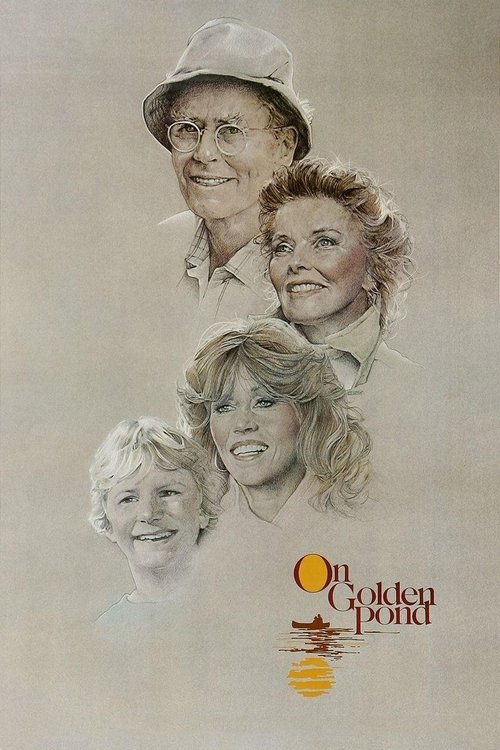
On Golden Pond1981
Another intimate portrait of aging and marriage, with Henry Fonda and Katharine Hepburn's final film giving it a poignant weight. The lake house becomes a character itself, and the conflict between the couple feels earned and real.
But It trades in some easier emotional beats than *Whales*—more sentimental, less willing to let things simply sit quietly without explanation.
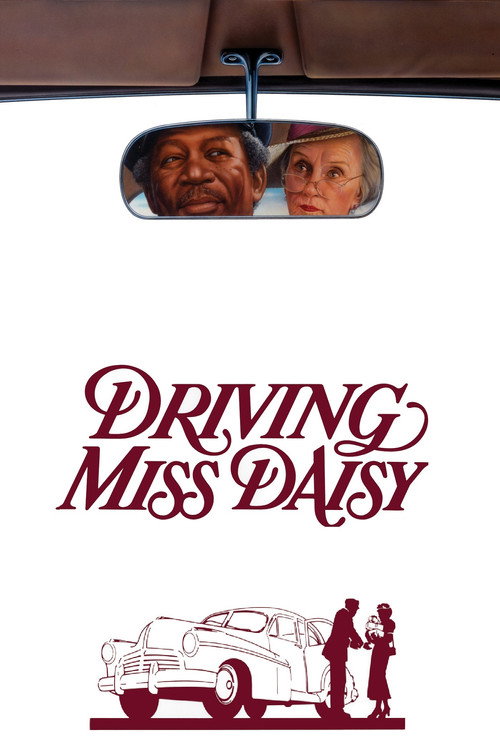
Driving Miss Daisy1989
A 90-minute span of two people in a car, their relationship unfolding through small moments and long silences. Jessica Tandy and Dan Aykroyd move through decades together, and the restraint is everything.
But The film's racial politics have aged in ways that feel incomplete, and sometimes it reaches for sentiment when stillness would cut deeper.
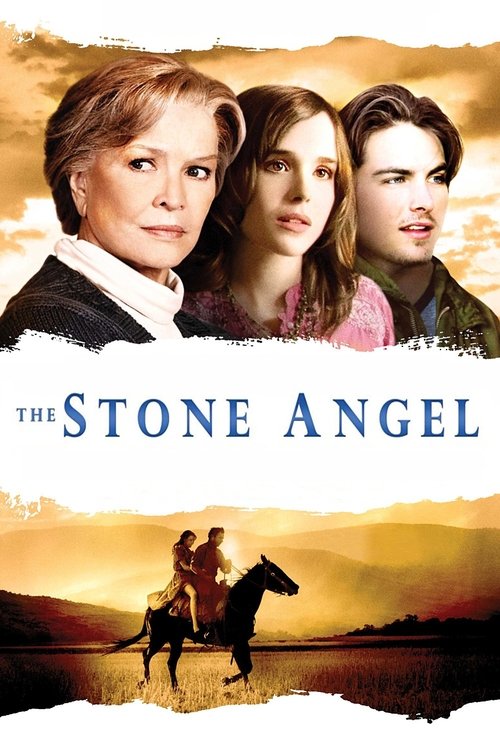
The Stone Angel2007
Ellen Burstyn as an elderly woman confronting the regrets she's carried her whole life. Like *Whales*, it refuses to make aging soft or forgiving—just honest, stubborn, real.
But It's denser and more novelistic than *Whales*, which some will find richer and others will find slower.
Not sure tonight? Get a pick in a minute, starting from The Whales of August
The wildcard
Something you would not have found on your own.
Tokyo Story1953
Both films understand that aging isn't a plot—it's a condition, a way of being in the world. They're about presence rather than action, and they trust silence to do the work.
Ozu's masterpiece about elderly parents visiting their adult children. It's nearly all domestic quiet—tea, meals, conversations about nothing—and somehow it contains everything about time, loss, and the peculiar ache of being alive.
But It's in Japanese, the plot is gossamer-thin, and it moves at its own meditative pace. Patience isn't optional.

More like this (8)
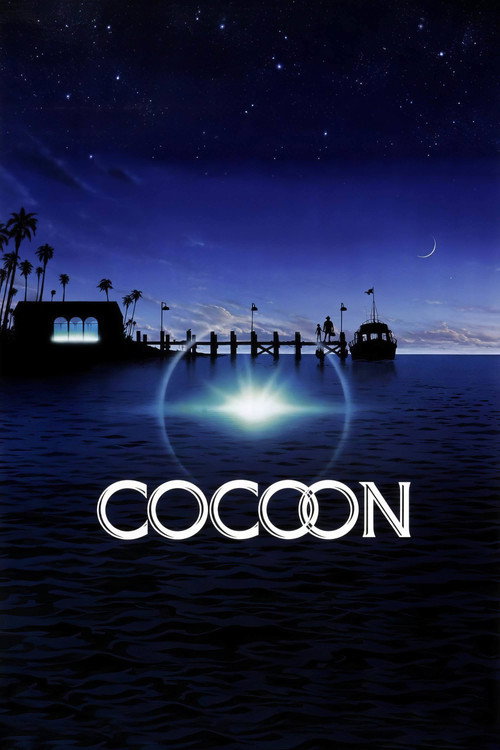
Cocoon1985
A ensemble of older actors given real moments of grace, humor, and vitality. Wilford Brimley, Hume Cronyn, Jessica Tandy—they're allowed to be sexual, funny, afraid, hopeful. It's generous and warm.
But The sci-fi premise can feel like window dressing, and the tonal shift toward the end tilts toward uplift in a way *Whales* never does.
The Best Years of Our Lives1946
Three men adjusting to life after war, with scenes of devastating quietness and unexpected gentleness. The domestic spaces become moral spaces, and small conversations carry enormous weight.
But At nearly three hours, it demands patience, and its structure is episodic in ways modern audiences sometimes find baggy.

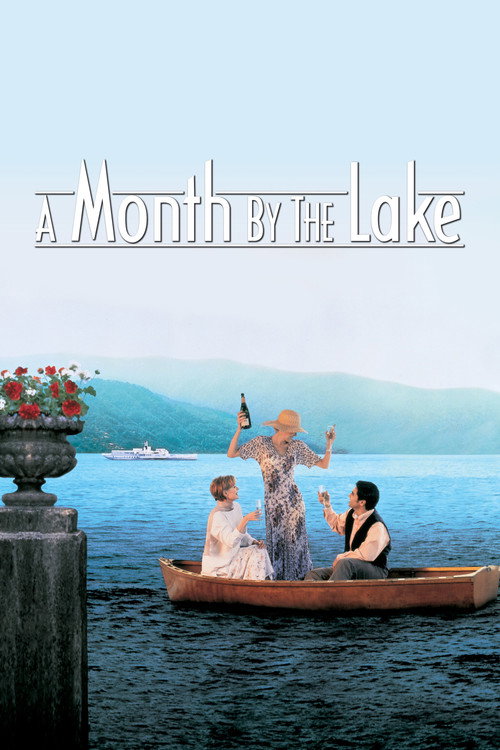
A Month by the Lake1995
Uma Thurman and Edward Fox on an Italian lake, skirting around attraction and possibility, memories and loneliness. It's delicate and bittersweet, with landscape doing emotional work.
But The pacing is deliberate to the point of stillness, and if you're looking for narrative momentum, you'll be frustrated.
Krisha2016
Akhtan Arym Kubanova's film about his own family—real people, mostly non-actors, negotiating love and obligation. It has *Whales*' gift for finding grace in the ordinary and unspoken.
But It's made on a micro-budget in Kyrgyzstan with subtitles, and its structure is more poem than plot. Some will find it inaccessible.

Amarcord1973
Fellini's memory-soaked film moves through seasons in a small Italian town, characters glimpsed and loved and let go. It has the same bittersweet tone as *Whales*—nostalgic without being sentimental.
But It's episodic and dreamlike, which some experience as gorgeous and others as frustratingly vague.

The Remains of the Day1993
Anthony Hopkins as a butler late in life, finally reckoning with the choices he's made and the relationships he's avoided. It's about regret and dignity and the spaces between people.
But The emotional restraint can read as coldness, and the pacing is glacial—some will find it contemplative, others will find it dull.

Ikiru1952
Both films refuse to sentimentalize aging and death. They see the elderly as people still wrestling with meaning, not settling into grace. The specificity of their small lives matters more than grand themes.
Kurosawa's film about a dying man who discovers what it means to live. It's devastatingly clear-eyed about mortality and meaning, with a final section of such tenderness it leaves you hollowed out.
But It's about terminal illness and spans grief in ways that are unflinching. Not cathartic, not easy—necessary and hard.

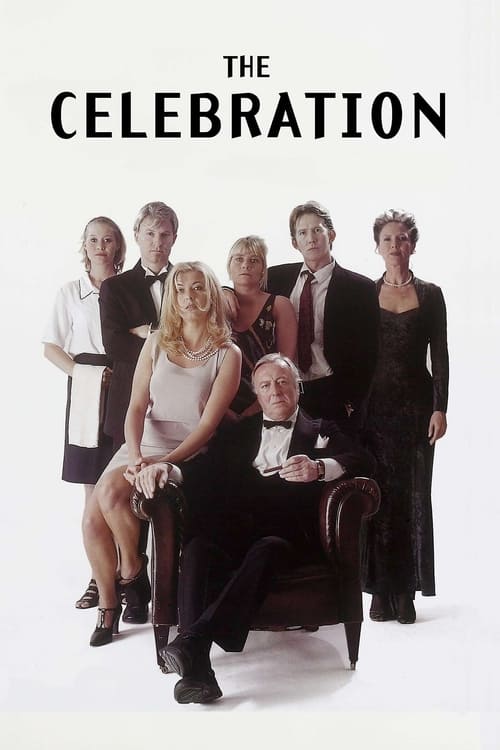
The Celebration1998
Where *Whales* is about two sisters who've learned to live together by not saying things, *Celebration* is about a family that can't survive one more day of silence. Both understand family as a condition of shared history—one finds peace in it, one finds it unbearable.
Thomas Vinterberg's Dogme 95 film—a family gathers for a party and everything explodes. It's about accumulated resentment, the stories families tell themselves, and what happens when someone refuses to keep quiet.
But It's shot on video, it's chaotic and ugly and angry, and it goes places the family film normally won't. Some will find it cathartic; others will find it exhausting.
People
Cast
 Bette DavisLibby Strong
 Lillian GishSarah Webber
 Vincent PriceMr. Maranov
 Ann SothernTisha Doughty
 Harry Carey Jr.Joshua Brackett
 Margaret LaddYoung Libby
 Mary SteenburgenYoung Sarah
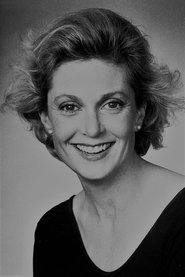 Tisha SterlingYoung Tisha
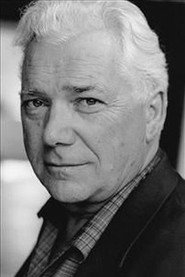 Frank GrimesMr. Beckwith
- Frank PitkinOld Randall
- Mike BushYoung Randall
Directing
- Lindsay AndersonDirector
- Broderick MillerFirst Assistant Director
- Matthew J. ClarkSecond Assistant Director
- Beverly BurtonSecond Second Assistant Director
Writing
- David BerryScreenplay
- David BerryTheatre Play
Production
- Stuart M. BesserAssociate Producer
- Shep GordonExecutive Producer
- Carolyn PfeifferProducer
- Mike KaplanProducer