
Film
Living
- Drama
- Slow-burning
A 1953 London civil servant learns he's dying and begins to question a lifetime of careful conformity and emotional numbness. Bill Nighy delivers a quietly devastating performance as a man discovering what it means to truly live. Achingly tender, formally precise, and entirely without sentimentality—a film about regret that feels like grace.
If you liked this
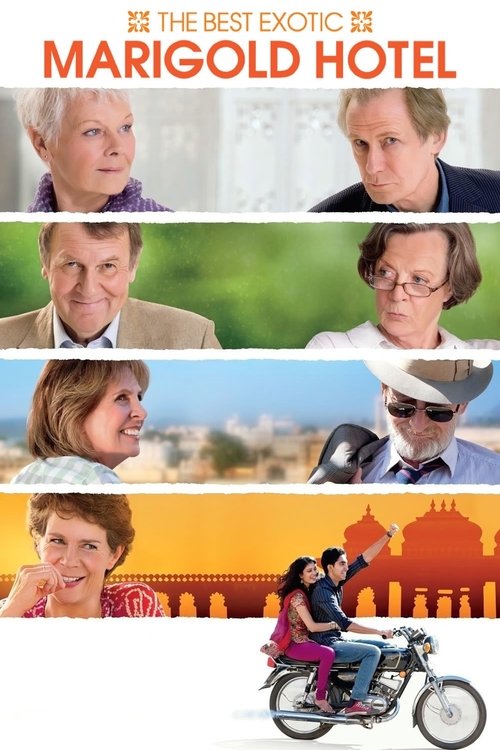
The Best Exotic Marigold Hotel2012
A gentler exploration of aging, second chances, and people learning to shed decades of emotional caution. Judi Dench and the ensemble cast radiate warmth without undermining the real stakes of mortality and change.
But It can feel a touch generic in stretches, and the optimism is earned but still feels safer than what Living is willing to risk.
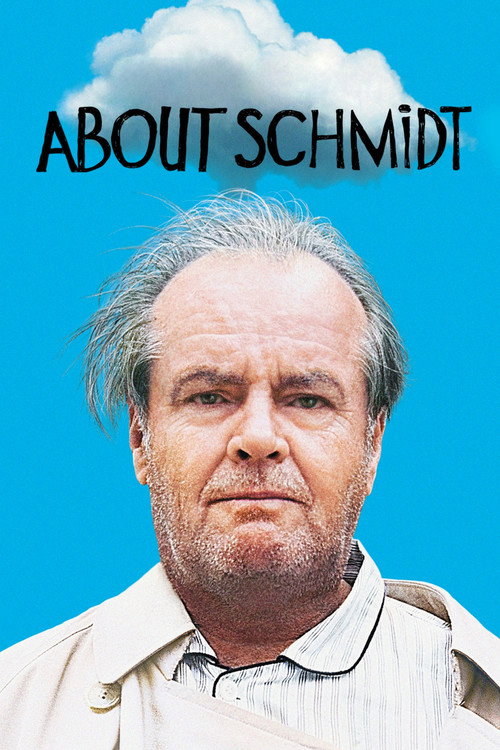
About Schmidt2002
Jack Nicholson as a retired man confronting the meaninglessness of his achievements and the people he thought he knew. Sharp-eyed about masculine emptiness and the small rebellions that wake us up.
But The comedy lands differently than you might expect—sometimes darkly, sometimes just sadly—and the film never lets you settle into comfort.
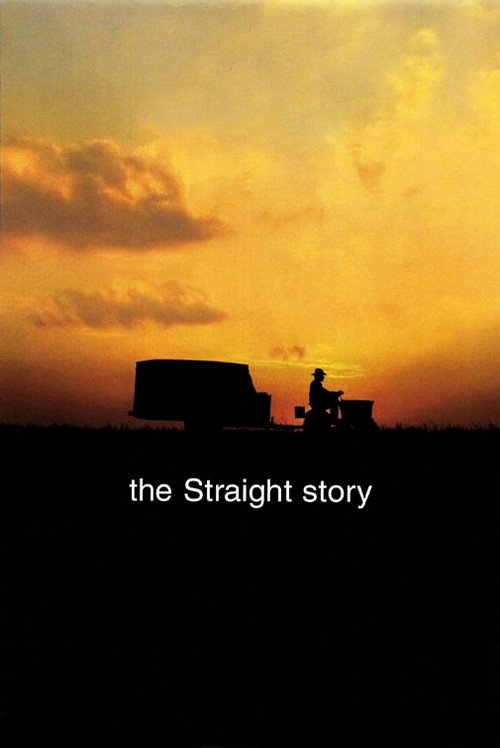
The Straight Story1999
David Lynch directing an elderly man's quiet journey of reconciliation and revelation. Achingly sincere about small gestures, rural dignity, and the courage it takes to change direction late in life.
But At its heart it's genuinely, almost radically slow. If you need plot momentum or emotional fireworks, this will test your patience.
Not sure tonight? Get a pick in a minute, starting from Living
The wildcard
Something you would not have found on your own.
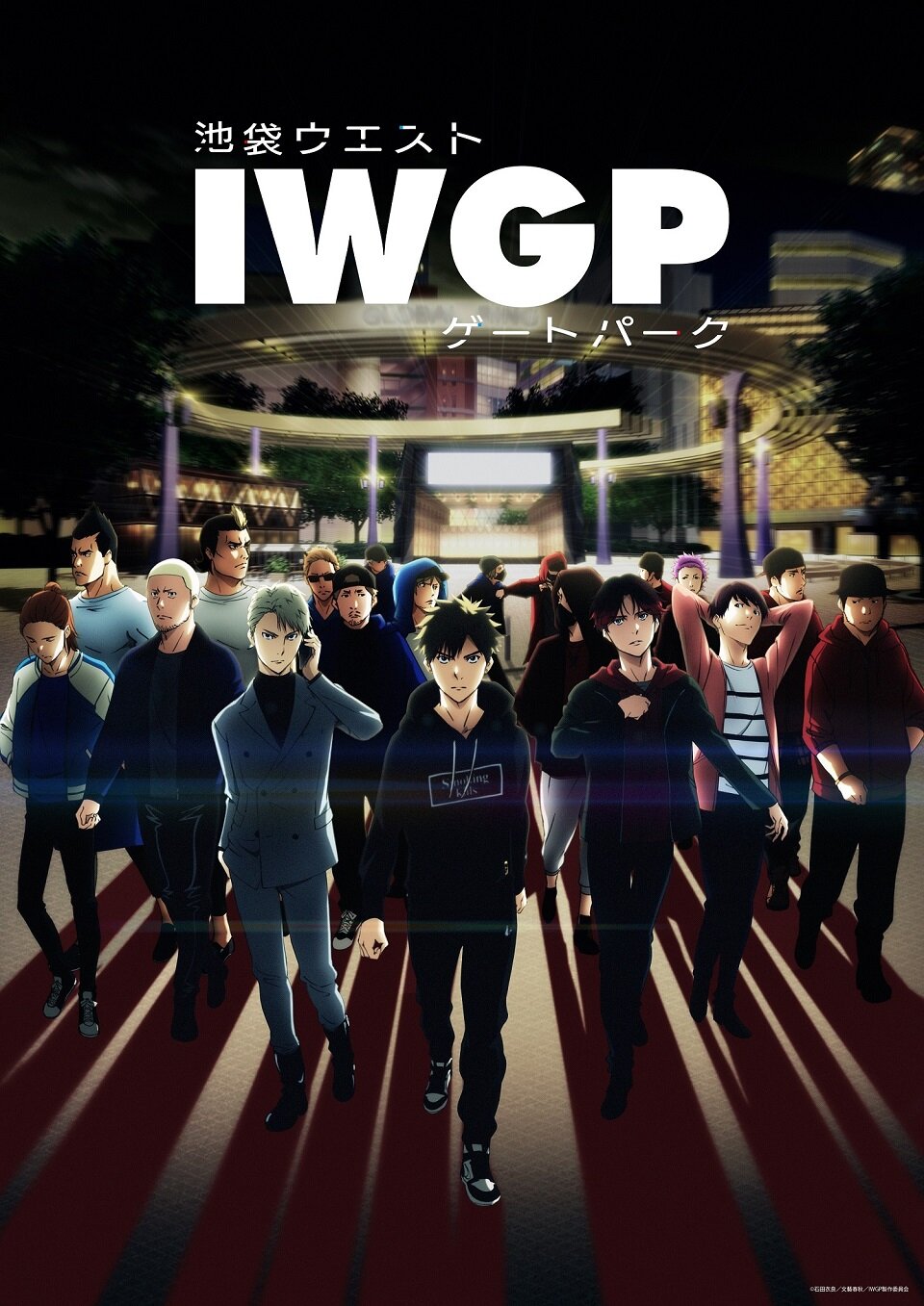
Ikebukuro West Gate Park2020
Both interrogate the meaning of a life lived—one looking backward from old age, one from youth—using distinct visual languages to ask if we ever really know what matters until we're forced to choose.
A Japanese series about young people navigating loyalty, loss, and the search for meaning in Tokyo's underbelly. Visually gorgeous, structurally inventive, and preoccupied with the same question: what makes life worth living?
But It's violent, sometimes chaotic, and aesthetically very different from Living's restraint. It's also in Japanese with subtitles, which requires attention.
More like this (8)
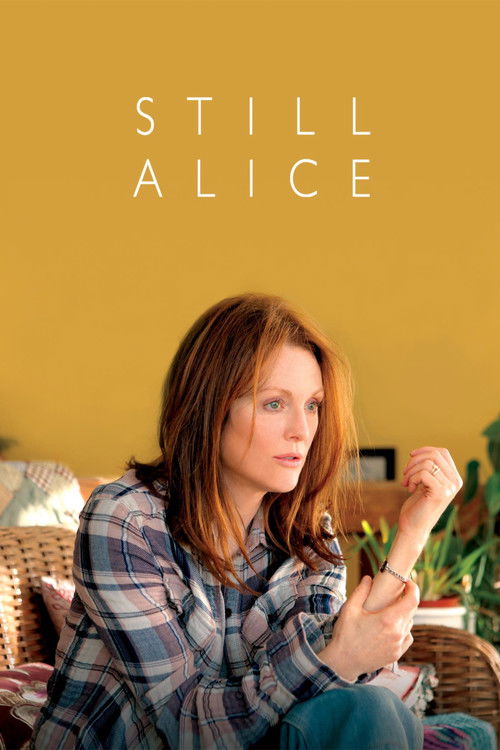
Still Alice2014
Julianne Moore gives a performance of devastating honesty as a woman losing her mind. A companion piece about grappling with what it means to hold onto selfhood when your anchor is slipping.
But It's relentlessly painful to watch. Not depressing so much as humanely, unflinchingly bleak about what disease takes.
Tokyo Story1953
Ozu made this the same year Living is set. An aging couple visits their son in Tokyo; nothing happens except everything does. The spiritual ancestor of what Haynes is doing—finding profundity in the domestic and undramatic.
But Deliberately paced by 1950s standards, meditative to the point where some find it static. The reward is gradual.

Ikiru1952
Kurosawa's masterpiece about a dying Japanese bureaucrat finding meaning through a final project. The closest cousin to Living—same era, same premise, but Japanese cinema's answer with more emotional rawness and darker irony.
But It's almost three hours, and the emotional weight can feel crushing rather than cathartic. Not a comfort film.

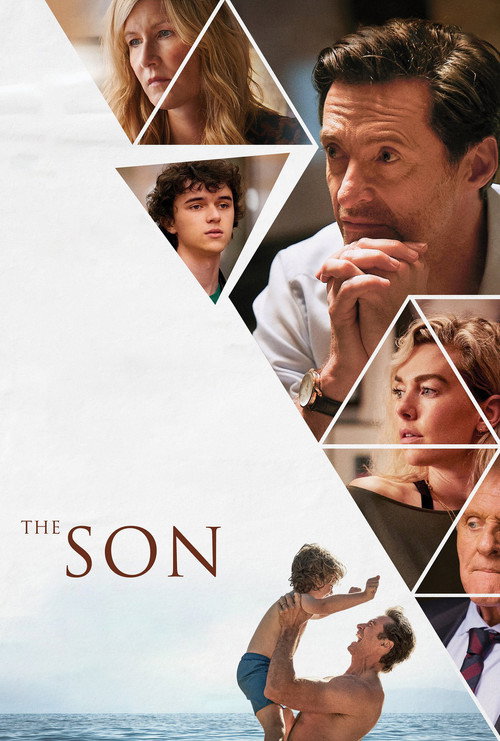
The Son2022
Florian Zeller directs Hugh Jackman in a portrait of a man fractured by doubt and parental failure. Formally inventive and genuinely distressing—about how we age into the mistakes we carry.
But Deliberately fragmented style can feel overwrought, and the film doesn't offer much in the way of resolution or peace.
Moonlight2016
Three chapters of a man's life, moments of connection and silence that define him. Beautifully composed meditation on how we become who we are, told without sentimentality.
But It's oblique and demands patience. There's no grand revelation, just the ache of recognition.

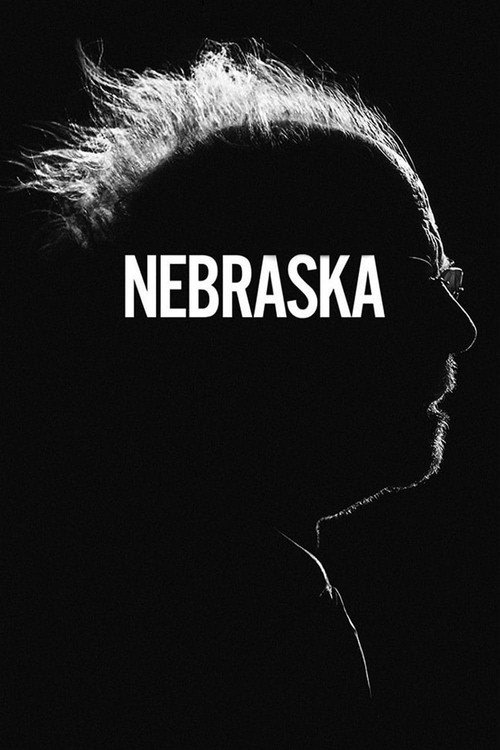
Nebraska2013
Alexander Payne in black and white, Bruce Dern as an aging man on a road trip with his son. Funny and melancholy, about dignity and disappointment and what we owe each other across the chasm of years.
But The Great Plains setting and weathered tone can read as deliberately unglamorous in ways that test patience. It's not trying to move you quickly.
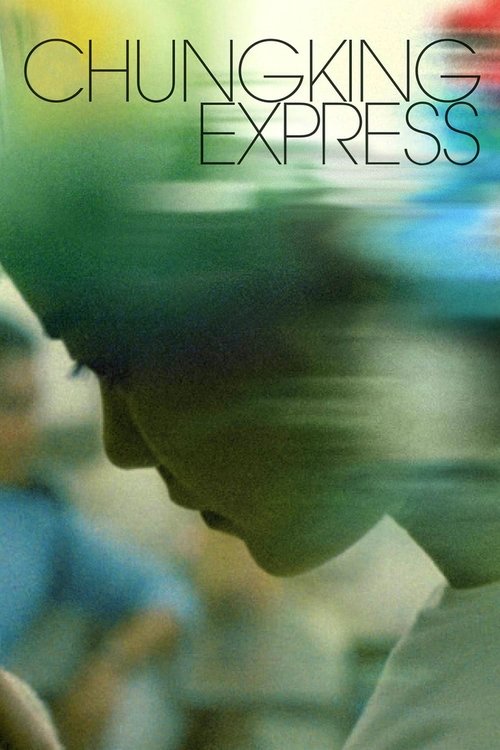
Chungking Express1994
Where Living finds revelation in stillness and duty, Chungking Express finds it in movement and accident—but both films believe that sudden awareness of another person is what makes us alive.
Wong Kar-wai's neon-soaked love letter to chance meetings and the ways strangers briefly illuminate our loneliness. Formally dazzling, achingly romantic without being safe, about the quiet ecstasy of connection.
But It's a mood piece rather than a narrative; some find it too self-consciously stylish, and the emotional beats are whispered rather than stated.
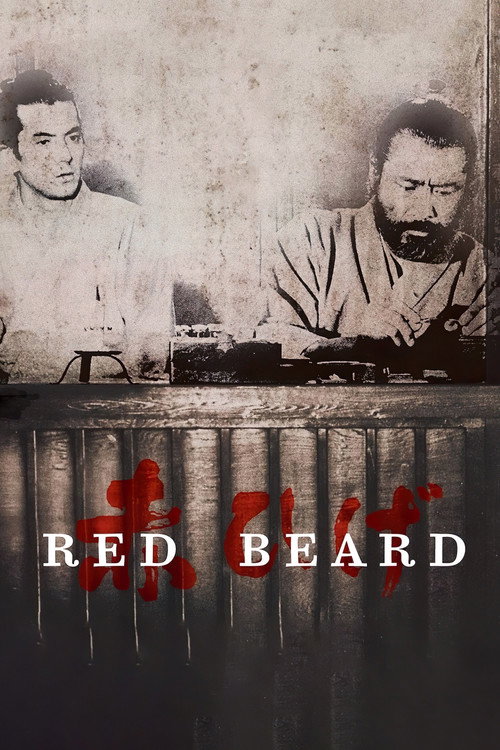
Red Beard1965
Both films center on a man who has built a life within constraints—duty, propriety, the role he was assigned—and the discovery that meaning came not from breaking free but from seeing others clearly.
Kurosawa's final black-and-white film: a young idealistic doctor meets an elderly one whose compassion and acceptance have survived decades of human suffering. Visually monumental and emotionally generous in ways that feel almost impossible now.
But It's three hours and fifteen minutes, and the pacing is deliberate—there's no scene that moves faster than it needs to. It demands you settle into its world.
People
Cast
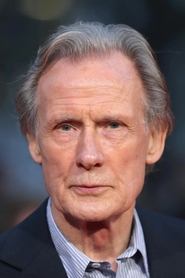 Bill NighyWilliams
 Aimee Lou WoodMargaret Harris
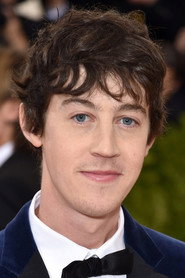 Alex SharpPeter Wakeling
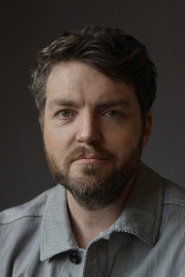 Tom BurkeSutherland
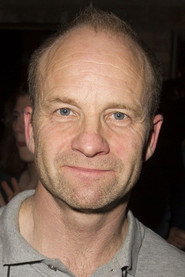 Adrian RawlinsMiddleton
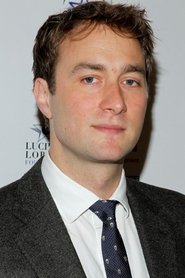 Oliver ChrisHart
- Hubert BurtonRusbridger
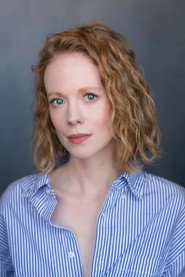 Zoe BoyleMrs. McMasters
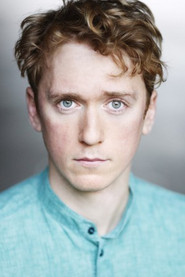 Barney FishwickMichael
 Patsy FerranFiona
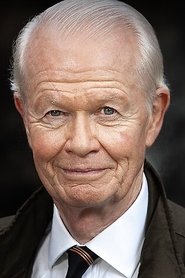 Michael CochraneSir James
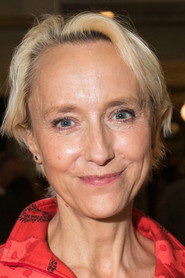 Lia WilliamsMrs. Smith
Directing
- Oliver HermanusDirector
- George EveryFirst Assistant Director
Writing
- Akira KurosawaOriginal Film Writer
- Hideo OguniOriginal Film Writer
- Shinobu HashimotoOriginal Film Writer
- Kazuo IshiguroWriter
Production
- Kahleen CrawfordCasting
- Eliza HeslopCasting Associate
- Kristina BörjesonCo-Executive Producer
- Jane HooksCo-Producer
- Daniel BattsekExecutive Producer
- Emma BerkofskyExecutive Producer
- Ian PriorExecutive Producer
- Kazuo IshiguroExecutive Producer
- Kenzo OkamotoExecutive Producer
- Ko KurosawaExecutive Producer
- Nik PowellExecutive Producer
- Norman MerryExecutive Producer
- Ollie MaddenExecutive Producer
- Peter HampdenExecutive Producer
- Sean WheelanExecutive Producer
- Thorsten SchumacherExecutive Producer
- Elizabeth KarlsenProducer
- Stephen WoolleyProducer
- Polly DuvalProduction Supervisor