
Film
The Geisha Boy
Jerry Lewis as a bumbling American magician sent to entertain troops in 1950s Japan, where he forms an unlikely bond with an orphaned boy. It's broad physical comedy meeting genuine sentiment—Lewis at his most childlike and vulnerable, the film caught between slapstick and something unexpectedly tender. For anyone who loves comedy that isn't afraid to feel.
Should you watch it?
Watch it if you love a bumbling showman's physical comedy, the kind of slapstick where a clumsy performer's stage tricks keep going wrong, with a 1950s Hollywood charm.
Skip it if you find Lewis's mugging and sight gags wearing thin, since the broad, mannered comedy rarely eases off over its ninety-eight minutes and the sentiment runs thick.
What it asks of you: It runs a brisk ninety-eight minutes, but expects you to enjoy big, repeated physical set-pieces and to accept a sentimental, cheerful tone without much irony.
Not sure? Find tonight's pick in a minute.
If you liked this
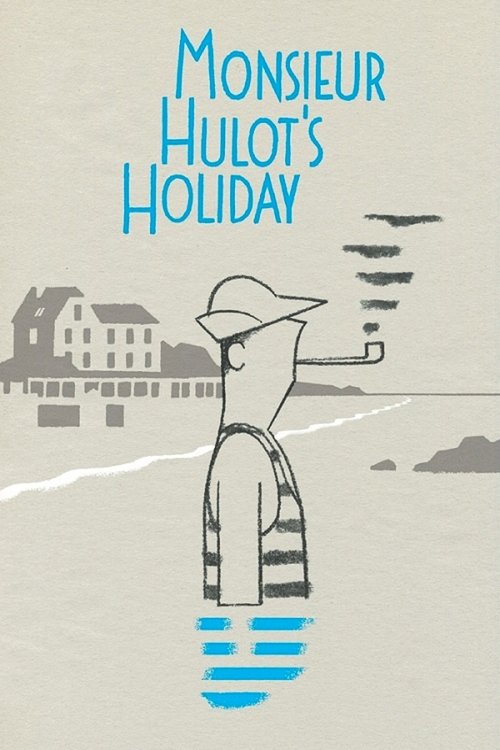
Monsieur Hulot's Holiday1953
Jacques Tati's wordless masterpiece about a man and his car ruining a beach vacation. Pure physical comedy with an affection for human mess and minor disasters. Every frame is architecture.
But Very little plot. If you need dialogue and story momentum, this moves like a man in a suit made of cardboard.
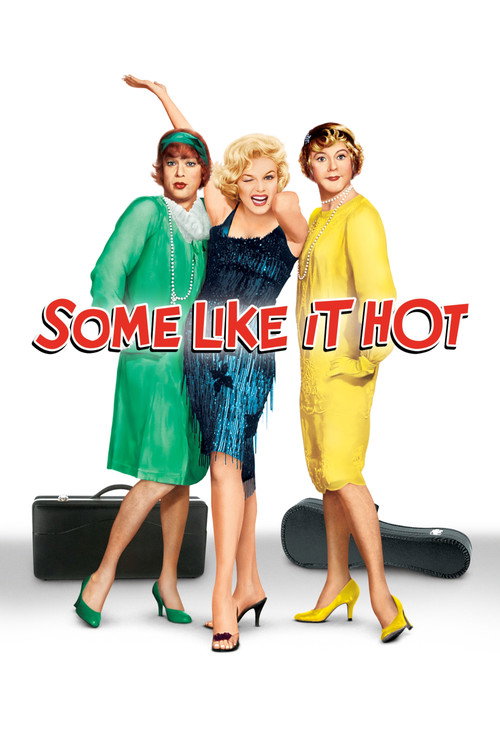
Some Like It Hot1959
Billy Wilder's comedy about two musicians fleeing Chicago in drag. Technically perfect filmmaking in service of absolute chaos. Everything lands, and it's genuinely funny in ways that still hold.
But Broad by today's standards. If gender comedy makes you squirm, this will not help.
It Happened One Night1934
Screwball perfection: Claudette Colbert and Clark Gable sparring across America. Smart, fast, warm. A template for romantic comedy that shaped everything after it.
But Feels slight if you need your comedy to comment on something. It's just brilliant at being itself.

Not sure tonight? Get a pick in a minute, starting from The Geisha Boy
The wildcard
Something you would not have found on your own.
Ikiru1952
Both find unexpected depth in the meeting of American emotional openness and Japanese culture; both suggest that kindness to a vulnerable person is the most serious work there is.
Akira Kurosawa's film about a dying bureaucrat finding meaning through small acts of kindness. Japanese cinema, but it speaks to the same heart that makes *The Geisha Boy* work—American innocence meeting Japanese restraint, comedy and mortality intertwined.
But It's a film about a man dying of cancer. Calling it comedy feels wrong; it's philosophical and slow. Not entertainment in the conventional sense.

More like this (8)
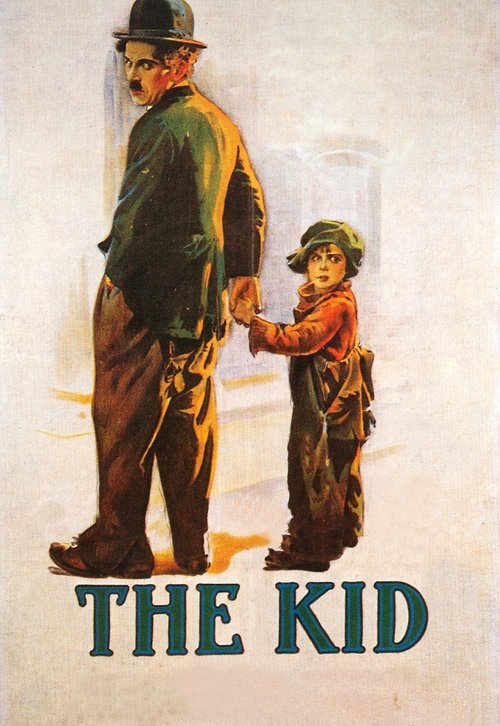
The Kid1921
Chaplin as the Tramp caring for an abandoned child. Physical comedy bleeding into genuine heartbreak. The DNA of every sentimental comedy since, done first and better than almost anyone has done it since.
But Silent. Slow by action-film standards. The sentimentality might feel heavy-handed if you're allergic to earnestness.
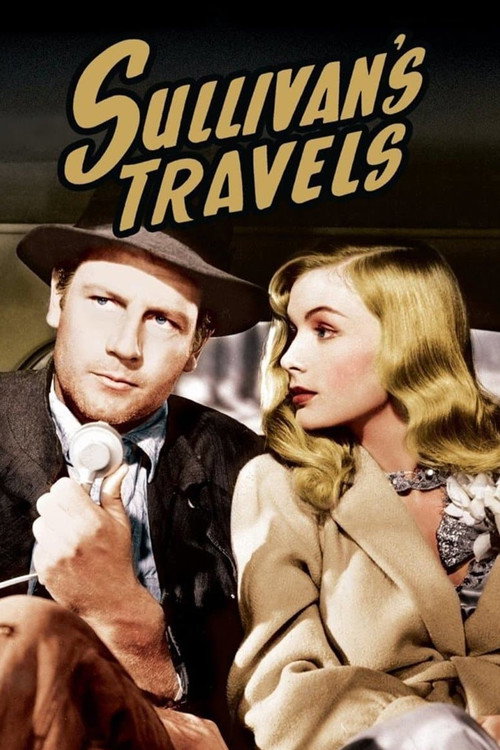
Sullivan's Travels1941
Preston Sturges on whether comedy matters. A filmmaker learns the value of making people laugh. Clever, warm, and it means something. Sturges at his peak.
But Tone shifts between screwball and genuine darkness. Some find the tonal whiplash unsettling rather than enriching.
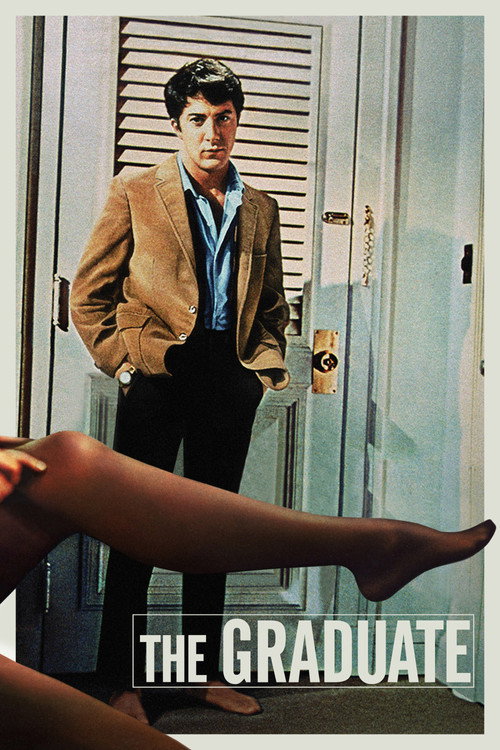
The Graduate1967
Dustin Hoffman adrift in suburban America, seduced by an older woman, in love with her daughter. Comedy and dread perfectly balanced. Simon & Garfunkel. That poster. It's as good as everyone says.
But The sexual politics haven't aged well. The protagonist remains morally indefensible, which is partly the point but uncomfortable to sit with.
Singin' in the Rain1952
Gene Kelly, Donald O'Connor, and Debbie Reynolds in the greatest musical comedy ever made. Every number is perfect. The fun is genuine and it's technically astonishing.
But If musicals feel like work, no amount of perfection will change that. Some find the lightness frustrating.

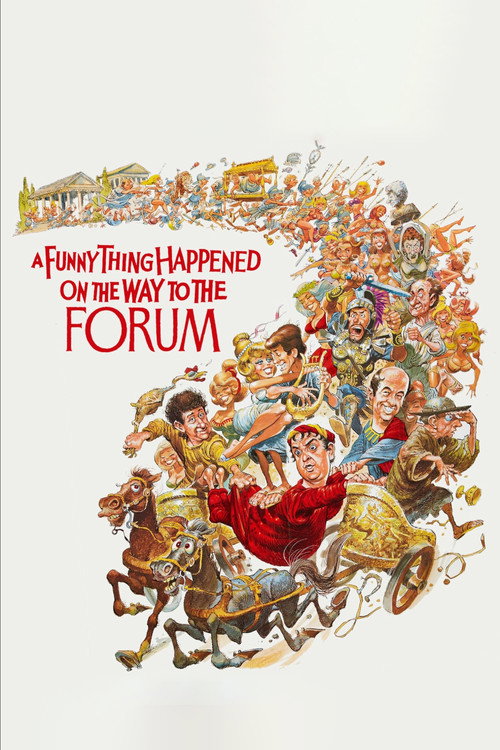
A Funny Thing Happened on the Way to the Forum1966
Zero Mostel and Phil Silvers in Sondheim's farce about Roman slaves, sex, and mistaken identity. Theatrical, anarchic, relentlessly entertaining. Pure comic pleasure.
But The plot barely matters and the humor is sometimes crude. If you need narrative coherence or intellectual substance, look elsewhere.
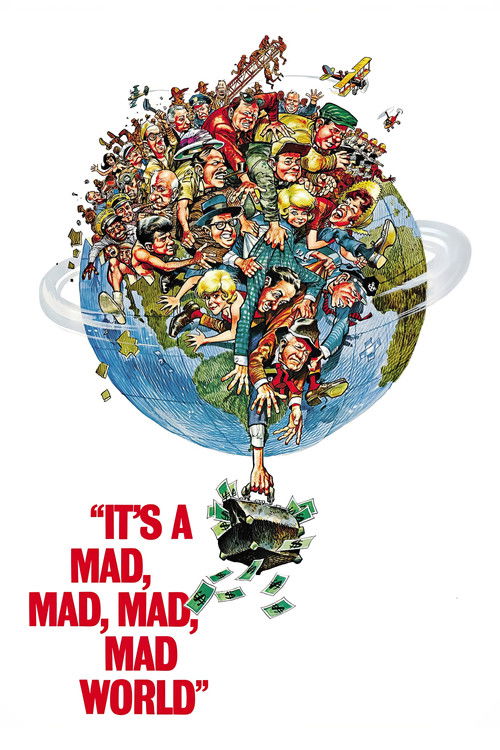
It's a Mad, Mad, Mad, Mad World1963
Everyone—Sid Caesar, Jonathan Winters, Milton Berle, Spencer Tracy—in a treasure-hunt comedy. Chaotic, generous, and you can feel how much fun they're having. Comedy as abundance.
But Overstuffed and occasionally meandering. At 161 minutes it's exhausting rather than exhilarating if you're not already committed.
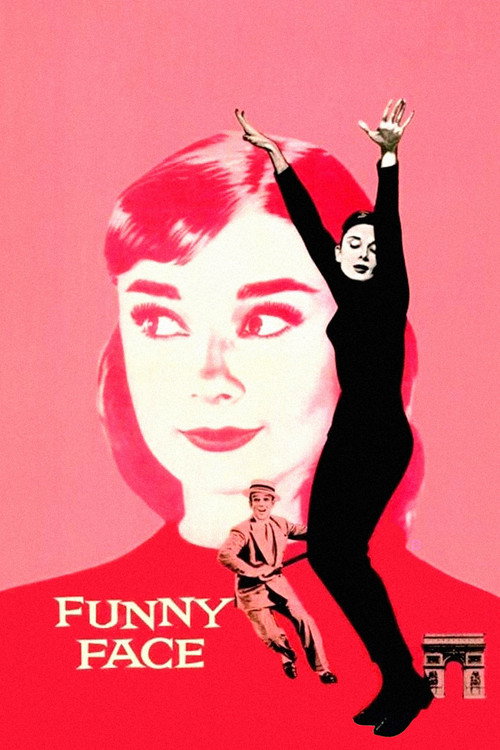
Funny Face1957
Both traffic in American wholesomeness abroad; both feature a childlike male lead who connects with someone across a cultural divide; both are funnier and sadder than their surfaces suggest.
Fred Astaire and Audrey Hepburn in a musical about fashion photography and Paris. Gorgeously shot, lighter than air, but with real affection underneath the glamour. Astaire dancing with genuine warmth instead of aloofness.
But The gender dynamics are pretty dated. Hepburn's character exists primarily to be shaped by men, and the film doesn't notice or care.
Umberto D.1952
Both are films about a man bonding with a dependent living outside normal society; both ask what love and responsibility mean; one finds it through farce, the other through tragedy.
De Sica's neorealist film about an elderly pensioner and his dog facing homelessness in Rome. A completely different register from Lewis's slapstick—quiet, observant, heartbreaking—but moved by the same fundamental question: how do we care for the vulnerable?
But Bleak. No laughs. Italian neorealism means watching a man lose everything with no redemption in sight. Difficult viewing.

People
Cast
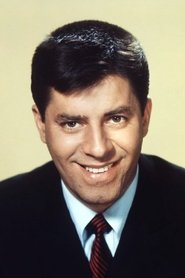 Jerry LewisGilbert Wooley
 Marie McDonaldLola Livingston
 Nobu McCarthyKimi Sikita
 Sessue HayakawaMr. Sikita
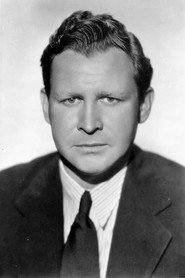 Barton MacLaneMajor Ridgley
- Robert HiranoMitsuo Watanabe
 Suzanne PleshetteSergent Pearson
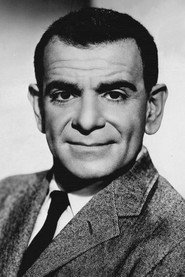 Sid MeltonTaxi Driver
- Carl ErskineCarl Erskine - Dodgers Pitcher
- Gil HodgesGil Hodges - Dodgers First Baseman
- Walter AlstonWalter Alston - Dodgers Manager (uncredited)
- Gino CimoliGino Cimoli - Dodgers Left Fielder (uncredited)
Directing
- Charles C. ColemanAssistant Director
- Ralph AxnessAssistant Director
- Frank TashlinDirector
Writing
- Frank TashlinScreenplay
- Frank TashlinScreenstory
- Rudy MakoulStory
Production
- Ernest D. GlucksmanAssociate Producer
- Jerry LewisProducer
- Jack MintzProducer's Assistant