
Film
The Merchant of Four Seasons
Rainer Werner Fassbinder's portrait of a fruit-seller whose small success breeds spiritual death. Hans Epp survives a heart attack only to discover that respectability and prosperity deliver something worse than failure: the slow erasure of self. Tender, brutal, and almost unbearably intimate. A German tragedy about the cost of becoming what your family wants.
If you liked this
Stalker1979
Andrei Tarkovsky's meditation on desire and the spiritual void at the heart of wanting. Glacially paced, hypnotic, structured around a journey toward something that may not exist. A masterpiece about the gap between ambition and meaning.
But It moves at the speed of geological time. Nothing happens in the conventional sense. You need patience that not every evening offers.

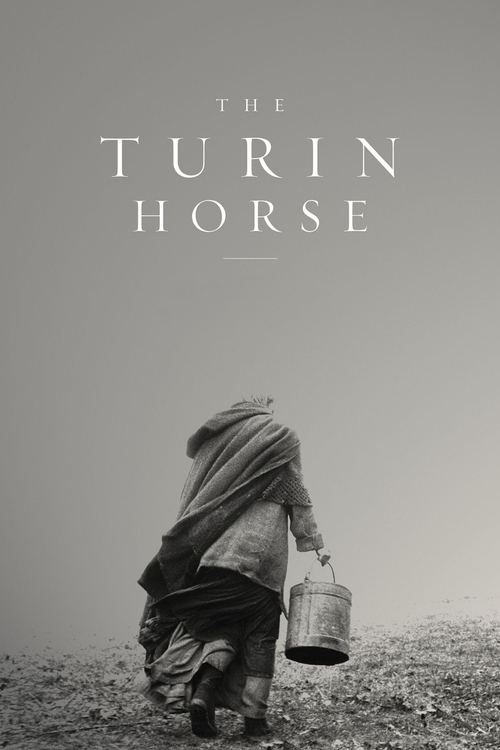
The Turin Horse2011
Béla Tarr's final film: a couple and their servant endure repetition and slow decay in a cottage at world's end. Wordless, austere, completely hypnotic. Watches like a photograph of despair becoming routine.
But It's in black and white, dialogue is minimal, and the world feels like it's collapsing. Bleak does not begin to cover it.
Jeanne Dielman, 23, quai du Commerce, 1080 Bruxelles1976
Chantal Akerman's three-hour portrait of a widow's days: shopping, cooking, sex work, routine. Nothing is dramatized. Everything breaks when one small thing changes. Revolutionary cinema about what we ignore when we call it ordinary.
But It is genuinely three hours of watching a woman perform domestic tasks. Boring in the way a mirror can be boring.

Not sure tonight? Get a pick in a minute, starting from The Merchant of Four Seasons
The wildcard
Something you would not have found on your own.
Umberto D.1952
Both are portraits of men watching their world shrink while remaining locked in it. Fassbinder saw neorealism as cinema's moral heart—the refusal to lie about what ordinary life costs.
Vittorio De Sica's neorealist film about an elderly pensioner and his dog in Rome. No plot in the conventional sense—just the small indignities of aging and poverty. It changed cinema. Affects you before you know you're being affected.
But Nearly 75 years old, Italian neorealism, almost nothing happens. If you need narrative momentum, stop here.

More like this (8)
Winter Light1963
Bergman on faith, doubt, and the smallness of rural life. A pastor navigates meaning when meaning seems to be dissolving. Austere, cold, compassionate. Feels like watching someone's faith crack in real time.
But Swedish blankness from 1963. Black and white. Deeply internal. Not a film that lets you look away and still understand.

The Seventh Seal1957
Bergman's masterpiece: a knight plays chess with Death during plague. Philosophical, visually stunning, genuinely funny despite the weight. It earned its reputation. One of cinema's handful of perfect films.
But It's been canonized to death. The cultural weight can work against it. Some find it more idea than emotion.

A Ghost Story2017
David Lowery's strange, tender film about a ghost who watches his widow grieve. Shot almost entirely in square frame, hypnotic and mournful. A meditation on time, loss, and how we haunt the spaces we love.
But It's unconventional and slow, and much of it is just Casey Affleck's ghost watching. The square frame can feel gimmicky.

Come and See1985
Elem Klimov's war film: a Belarusian boy's initiation into the absolute horror of invasion. Visually rapturous and morally devastating. Not propaganda—just the thing itself, unbuffered.
But It is a punishing film about violence against civilians. Not for evening viewing. Genuinely difficult.

Ikiru1952
Akira Kurosawa's masterpiece: a dying bureaucrat finds meaning in his last act. Humane, funny, then transcendent. About how lives matter in the spaces where we never expected them to.
But Three hours. Japanese cinema from the '50s. The pacing is deliberate. Some find it sentimental.

Synecdoche, New York2008
Charlie Kaufman's only directorial feature: a theater director builds a life-size replica of New York inside a warehouse, and it becomes indistinguishable from real life. Fractured, ambitious, genuinely moving about failure and ego.
But It's deliberately confusing and it doesn't resolve. The whole film is a metaphor that doesn't close. Many find it exhausting.

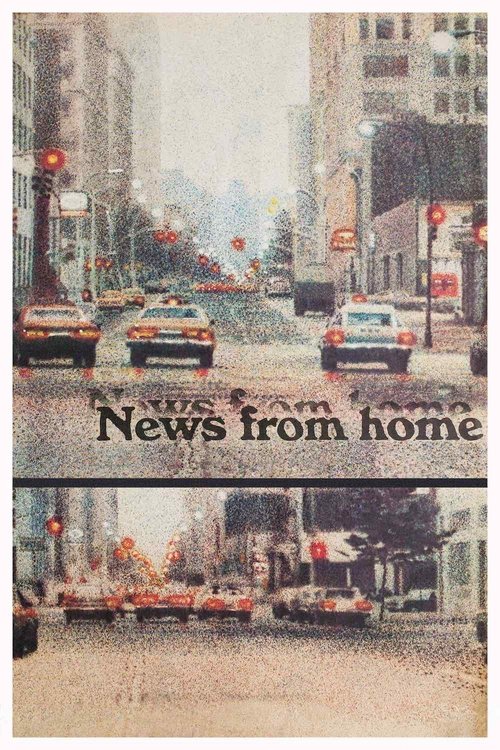
News from Home1976
Like Fassbinder, Akerman was obsessed with how small gestures and routines contain everything. Both films trust the camera to find tragedy in the mundane, not to manufacture it.
Chantal Akerman's essay film: she reads her mother's letters aloud while filming the streets of New York in long, static shots. Hypnotic, mysterious, about language failing to close the distance between bodies.
But It's aggressively non-narrative. Forty minutes of street footage while a woman reads letters. Experimental in ways that demand something from the viewer.
Tokyo Story1953
Ozu and Fassbinder were kindred spirits—both found the infinite in the quotidian, both understood that family is where we practice our small, devastating choices.
Yasujirō Ozu's masterpiece: an elderly couple visits their adult children in Tokyo. Nothing resolves. Time passes. Things change without drama. It's about how we fail each other while remaining bound by love.
But It's a film about almost nothing. Slow. Japanese from 1953. Ozu's style is so austere it can feel like watching paint. Not for everyone.

People
Cast
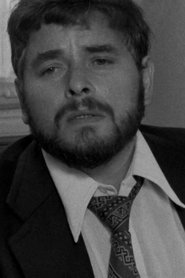 Hans HirschmüllerHans Epp
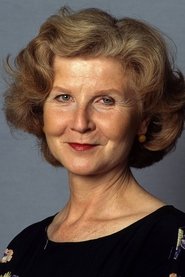 Irm HermannIrmgard Epp
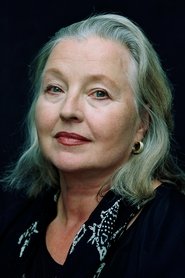 Hanna SchygullaAnna Epp, Hans's sister
- Andrea SchoberRenate Epp, Hans's daughter
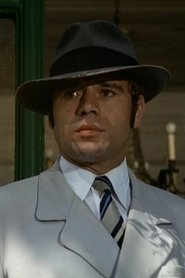 Karl ScheydtAnzell
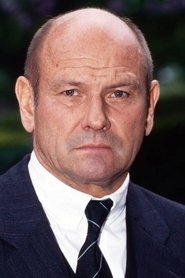 Klaus LöwitschHarry
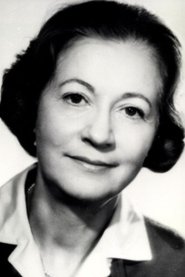 Gusti KreisslMother Epp
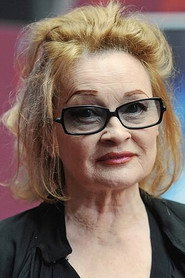 Ingrid CavenHans's great love
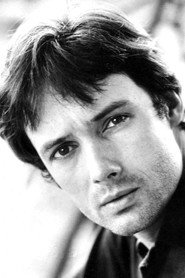 Peter ChatelDr. Harlach
- Elga SorbasMarile
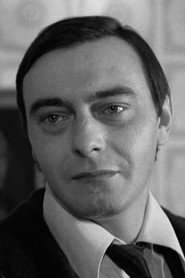 Kurt RaabKurt, Hans's brother-in-law
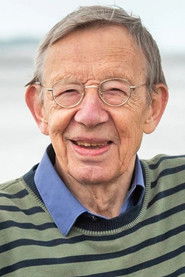 Hark BohmPolizei-Vorgesetzter
Directing
- Harry BaerAssistant Director
- Rainer Werner FassbinderDirector
Writing
- Rainer Werner FassbinderScreenplay
Production
- Rainer Werner FassbinderProducer
- Ingrid CavenProduction Manager
- Christian HohoffUnit Production Manager
- Karl ScheydtUnit Production Manager