
Film
There Is No Evil
An Iranian anthology examining four men navigating executions within their country's justice system. Structurally audacious and emotionally precise, it transforms abstraction into intimacy—showing how ordinary people compartmentalize extraordinary violence. For viewers seeking cinema that thinks as hard as it feels.
Should you watch it?
Watch it if you are drawn to stories where a single quiet decision carries the weight of a whole society, and you admire films that build moral pressure patiently rather than through big speeches.
Skip it if you want a film that moves briskly or resolves its dilemmas neatly, since this one is long, deliberate and leaves its hardest questions sitting with you well after the credits.
What it asks of you: Settle in for a two-and-a-half-hour run split into four separate chapters, each with its own cast and tension, and give it your full attention rather than half of it.
Not sure? Find tonight's pick in a minute.
If you liked this
A Prophet2009
French prison drama with similar moral clarity and structural intelligence. Watches like a chess match between systems and individual conscience, building unbearable tension from bureaucratic routine.
But Three hours of confined spaces and incremental manipulation. No catharsis, only the cold logic of institutions grinding forward.

Winter Light1963
Bergman's interrogation of faith and duty in the face of meaninglessness. Uses sparse scenes and silences to expose the gulf between belief and action, structure and morality.
But Deliberately austere and glacial. Demands patience with ambiguity and refuses to offer comfort or resolution.

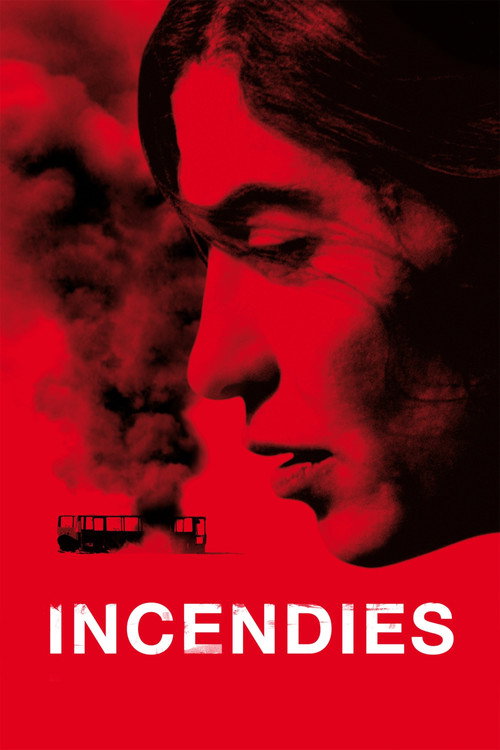
Incendies2010
Denis Villeneuve's masterpiece about inherited trauma and buried secrets across generations. Uses structure as a weapon, with a final act that recontextualizes everything before it.
But Deals with sexual violence and atrocity. Emotionally devastating, and the ending creates a moral vertigo that lingers painfully.
Not sure tonight? Get a pick in a minute, starting from There Is No Evil
The wildcard
Something you would not have found on your own.
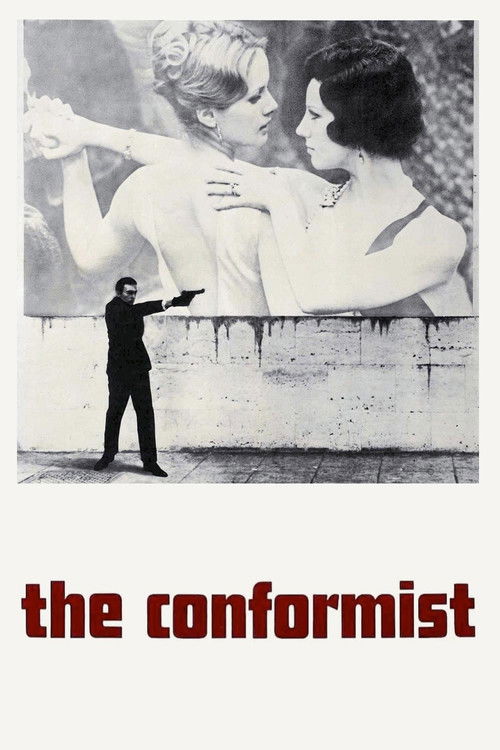
The Conformist1971
Both films examine how ordinary men become executors of state violence through incremental moral accommodation, using formal complexity to illuminate psychological compartmentalization.
Bertolucci's baroque masterpiece about a man complicit in fascism through inaction and moral compromise. Uses visual beauty as ironic counterpoint to moral emptiness—how aesthetics seduce us into atrocity.
But Formally dense and deliberately oblique. Requires visual literacy and rewards multiple viewings; can feel pretentious on first contact.
More like this (8)
The Death of Ivan Ilyich2024
Russian chamber piece about a man's confrontation with mortality and the lie of his own life. Intimate and unsparing, watching someone strip away self-deception in real time.
But Deeply claustrophobic and philosophically abstract. Not narrative-driven; watches more like a philosophical argument enacted through a man's mind.
Requiem for a Dream2000
Aronofsky's structural symphony about four people's parallel descents into dependency and self-destruction. Visual innovation serves emotional truth, not the reverse.
But Deliberately punishing to watch, with editing that assaults rather than caresses. Some find the style overwhelming or manipulative.

Spotlight2015
Methodical investigation into institutional corruption and moral cowardice. Proves that procedural cinema can be as dramatically gripping as any thriller.
But Patient and incremental rather than explosive. Rewards attention but never provides the satisfaction of individual heroics.

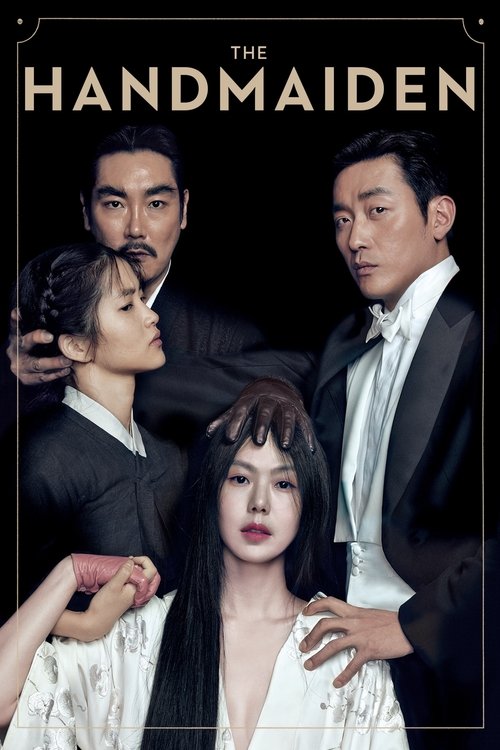
The Handmaiden2016
Park Chan-wook's intricate puzzle-box about desire, loyalty, and manipulation under totalitarian control. Structurally dazzling while remaining emotionally coherent.
But Complex plotting and multiple revelations require active attention. Some resent the twist-heavy narrative as trickery rather than depth.
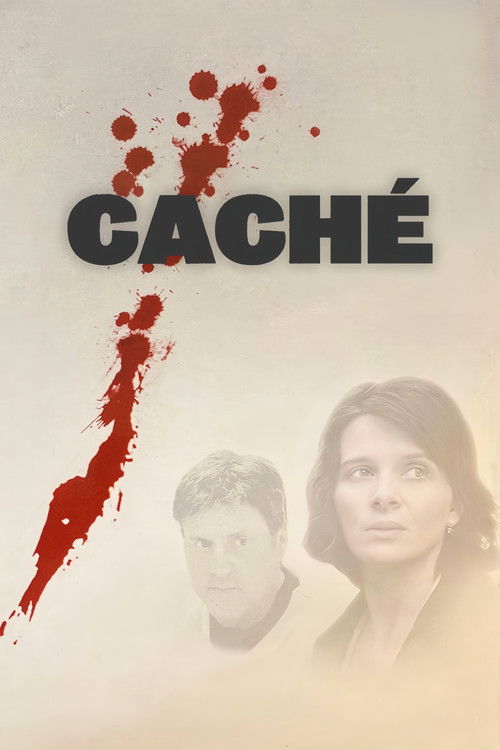
Caché2005
Haneke's mounting dread about complicity and repressed colonial guilt. Deceptively ordinary surfaces that contain entire moral abysses beneath them.
But Refuses to resolve or explain. Ends with ambiguity that frustrates viewers seeking narrative closure or moral clarity.
Ikiru1952
Kurosawa's meditation on meaning-making in the face of death. Watches like a man slowly learning to live only as he's dying—quiet, devastating, entirely human.
But Slow-paced and inward. The second half shifts into a different register that some find sentimental or emotionally manipulative.

The Act of Killing2012
Both interrogate the psychology of men who've committed state-sanctioned killing—but this one asks them directly, making complicity undeniable and accountability impossible.
Indonesian documentary where mass murderers recreate their own killings for the camera. Turns the camera into a mirror, asking whether confronting horror can produce conscience or only performance.
But Graphic depictions of simulated killing. The ethical questions about the filming process itself remain deliberately unresolved and troubling.

Come and See1985
Both films refuse to aestheticize state violence or allow viewers moral distance. They insist that witnessing atrocity changes the person watching, not just the person acted upon.
Soviet war film that abandons narrative for apocalypse. Transforms a boy's face into the film itself, documenting the destruction of innocence through systematic atrocity. Cinema as trauma.
But Visually and emotionally punishing. The final scenes are genuinely difficult to sit through; many viewers find it unwatchable despite its undeniable power.

People
Cast
 Mahtab ServatiNana
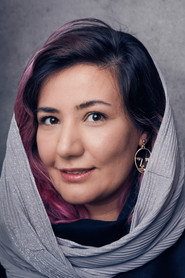 Shaghayegh ShourianRazieh
- Baran RasoulofDarya
- Darya MoghbeliTahmineh
- Kaveh AhangarPouya
- Jila ShahiZaman
- Ehsan MirhosseiniHeshmat
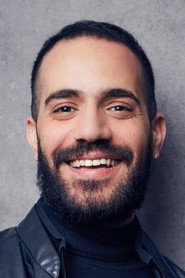 Mohammad ValizadeganJavad
- Alireza ZareparastHasan
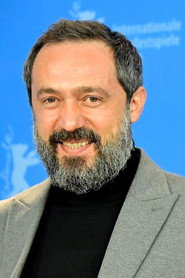 Mohammad SeddighimehrBahram
- Pouya MehriAli
- Salar KhamsehSalar
Directing
- Ashkan NajafiAssistant Director
- Meysam MuiniAssistant Director
- Samrand MaroofiAssistant Director
- Mohammad RasoulofDirector
Writing
- Mohammad RasoulofWriter
Production
- Farzad PakProducer
- Kaveh FarnamProducer
- Mohammad RasoulofProducer