
Film
Loveless
- Family drama
- Very dark
Andrey Zvyagintsev's merciless portrait of a marriage collapsing under its own indifference. Zhenya and Boris are too busy hating each other and chasing new partners to notice their son slipping away. Shot in cold, precise frames, it's a film about the cruelty of inattention—how people can share a home and share nothing else. For those who can sit with moral discomfort.
Should you watch it?
Watch it if you admire cold, precisely composed films where the drama lives in frozen silences between people and the bleak Moscow winter does half the talking.
Skip it if you need warmth or a character to root for, since nearly everyone here is hard to like and the mood stays chilly for over two hours.
What it asks of you: Slow, deliberate framing and long unhurried takes across two hours, with sparse dialogue that leaves the meaning in faces and empty rooms, so you have to keep looking.
Not sure? Find tonight's pick in a minute.
If you liked this
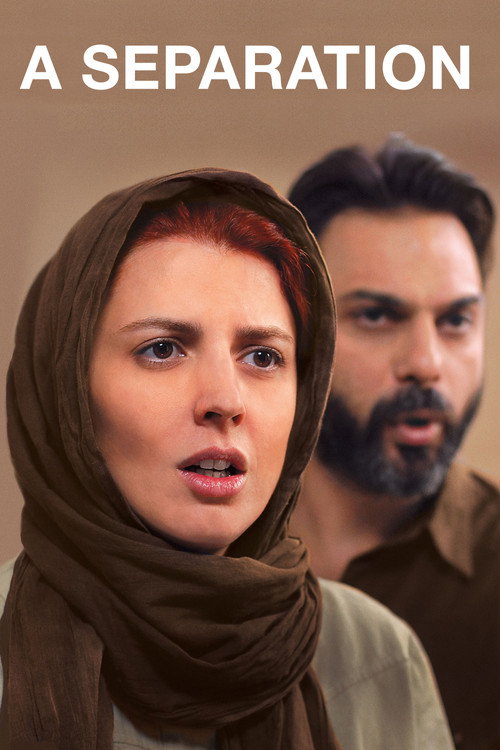
A Separation2011
Asghar Farhadi's Iranian masterpiece about divorce and custody, where every character has a point and none of them are wrong. It builds moral complexity the way Loveless builds dread, asking what we owe each other when we stop loving.
But It's deliberately paced and emotionally exhausting. If you want catharsis or a clear villain to blame, you won't find one here.
The Lord of the Rings: The Return of the King2003
Andrei Tarkovsky's son made this: a father and son reconnect after twelve years, and everything about it is tense and unresolved. It has the same cold precision as Loveless, the same sense of profound emotional distance between people who should be close.
But At 110 minutes with minimal dialogue, it demands patience. The style can read as withholding if you're not in the mood for it.

Requiem for a Dream2000
Darren Aronofsky's portrait of four people destroying themselves through addiction. Like Loveless, it doesn't judge—it just watches with unflinching clarity as people pursue their desires at any cost, indifferent to collateral damage.
But It's visually aggressive and exhausting by design. The film doesn't offer comfort, and some sequences are genuinely distressing.

Not sure tonight? Get a pick in a minute, starting from Loveless
The wildcard
Something you would not have found on your own.
Come and See1985
Both films use a child's destruction as their moral center, and both refuse to sentimentalize or explain that destruction. They ask you to witness something terrible without being allowed to comfort yourself.
Elem Klimov's Belarusian film about a boy caught in WWII isn't thematically similar to Loveless, but it shares the same unflinching refusal to look away from human cruelty and indifference. A child destroyed by the world, but in a different context entirely. One of cinema's most devastating works.
But It's a war film depicting graphic violence against children. The final image is one of the most disturbing in cinema. This is not a casual recommendation.

More like this (7)
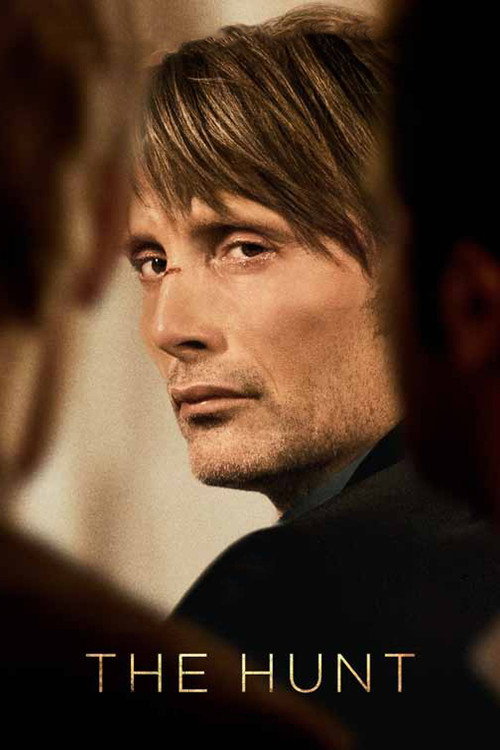
The Hunt2012
Thomas Vinterberg's Danish thriller about a man falsely accused of abuse. It shares Loveless's interest in how quickly people turn on each other, and how a single moment can destroy everything. Morally complex without being fair.
But It hinges on a devastating betrayal that some find exploitative. The ending is bleak in ways that might feel punitive.
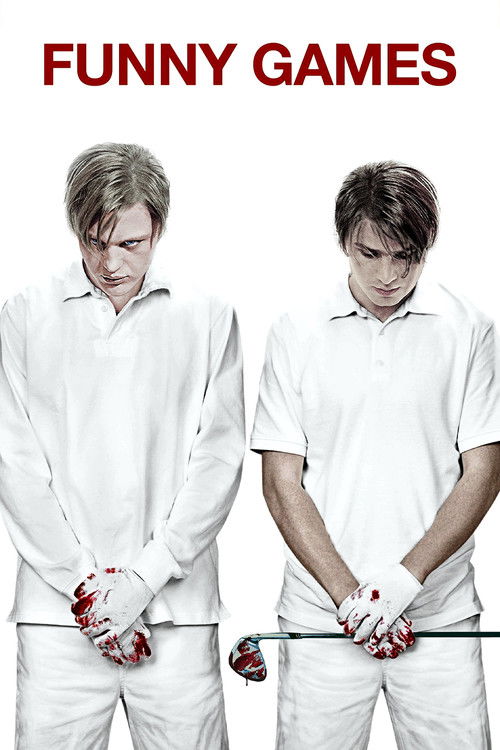
Funny Games2008
Michael Haneke's Austrian original (or the American remake) is about violence and complicity. Like Loveless, it implicates the viewer, making you aware of your own passivity as you watch terrible things unfold.
But It's aggressively anti-entertainment, designed to be uncomfortable. If you want a film to feel good during or after, this isn't it.
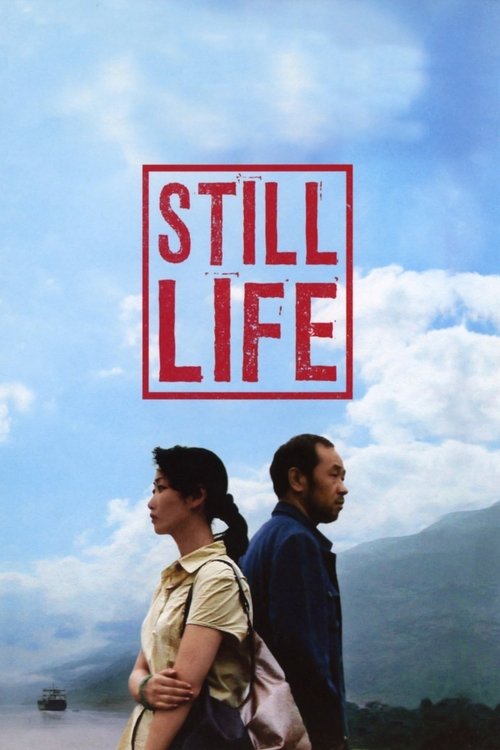
Still Life2006
Jia Zhangke's Chinese masterpiece about urban displacement and human indifference. Like Loveless, it watches patiently as people chase money and status, blind to everything else. Hypnotic and melancholic.
But It's long and deliberately slow. The emotional payoff is subtle; if you're not attuned to the director's wavelength, it can feel like nothing is happening.
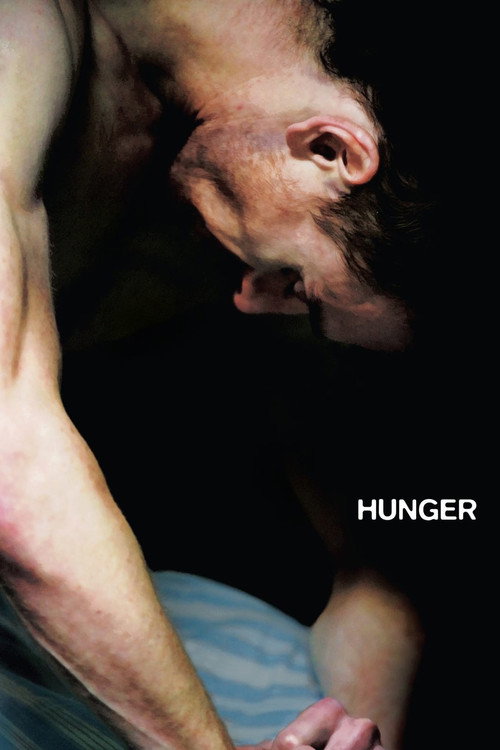
Hunger2008
Steve McQueen's film about IRA prisoner Bobby Sands uses minimalism to devastating effect. Like Loveless, it refuses to soften its subject or explain itself. Pure visual storytelling, spare and brutal.
But It contains graphic violence and self-harm. The final sequence is intentionally almost unwatchable. Not for casual viewing.
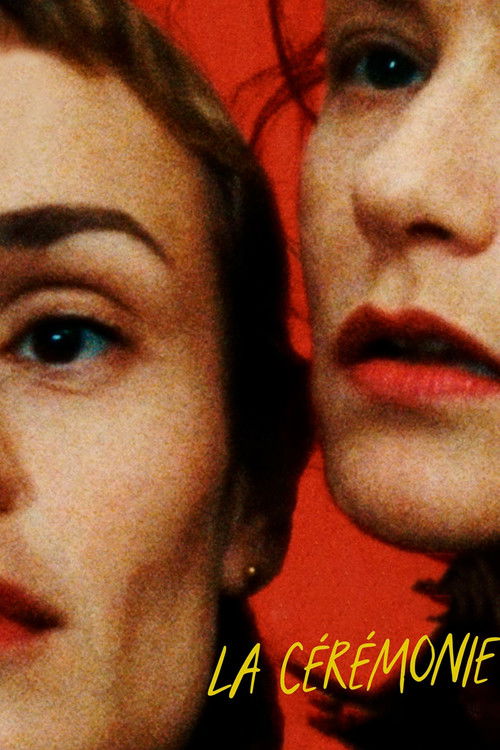
La Cérémonie1995
A Serbian chamber piece about a wedding ceremony where every guest harbors resentment and unspoken conflict. Like Loveless, it's about people trapped together, performing normalcy while everything rots beneath the surface.
But It's claustrophobic and slow-burning. If you're hoping for release or resolution, the film actively withholds it.
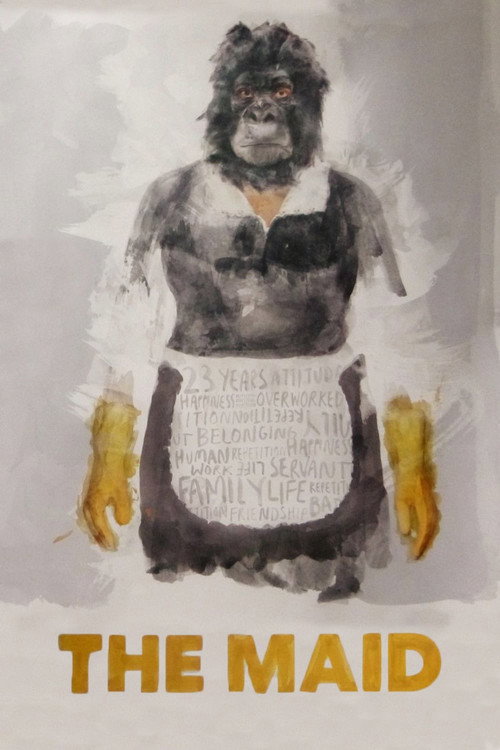
The Maid2009
Both films are about people rendered invisible within their own homes—not through neglect, exactly, but through a fundamental failure of recognition. Loveless is brutal and clear-eyed; The Maid is lyrical and strange. Same wound, different language.
Claudia Llosa's Peruvian film is formally strange—dreamy, fragmented, almost surreal—but it's about class, servitude, and a woman whose humanity is erased by the family she serves. Like Loveless, it's about people being invisible to the people closest to them, but it achieves this through poetry rather than realism.
But The structure is associative rather than narrative. If you need conventional storytelling, the abstract approach will frustrate you. It's also quietly unsettling in ways that sneak up on you.
Winter Light1963
Both films use stark cinematography and emotional distance to explore the failure of human connection. Where Loveless is about the cruelty of indifference, Winter Light is about the tragedy of it. They're asking the same question from different angles.
Bergman's short, austere film about a pastor losing his faith and his will to connect with anyone. It's shot in gray light with minimal music, and it's about emotional paralysis and the inability to reach across the distance between people—the same terrain as Loveless, but made sixty years earlier and in a different key entirely.
But It's philosophically dense and very interior. There's barely a plot. If you need external action or momentum, you won't find it. It can feel like an extended monologue.

People
Cast
 Maryana SpivakZhenya
 Aleksey RozinBoris
 Matvey NovikovAlyosha
 Alexey FateevCoordinator
 Marina VasilyevaMasha
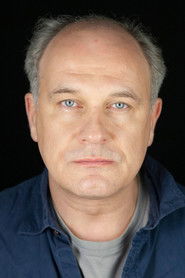 Andris KeišsAnton
 Nataliya PotapovaZhenya's Mother
 Sergey BorisovPolice Officer
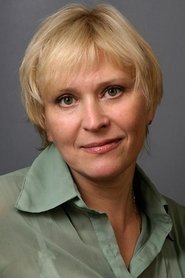 Anna GulyarenkoMasha's Mother
- Artyom ZhigulinKuznetsov
- Maxim SolopovKuznetsov's Father
 Sergey BadichkinColleague
Directing
- Asya GusakovaAssistant Director
- Andrey ZvyagintsevDirector
Writing
- Andrey ZvyagintsevWriter
- Oleg NeginWriter
Production
- Elina TernyaevaCasting
- Grégoire SorlatCo-Producer
- Pascal CaucheteuxCo-Producer
- Vincent MaravalCo-Producer
- Ekaterina MarakulinaExecutive Producer
- Alexander RodnyanskyProducer
- Gleb FetisovProducer
- Sergey MelkumovProducer
- Pavel GorinProduction Manager