
Film
Ski Lift to Death
A 1978 TV thriller with an ingenious premise: two ski champions and a sports promoter get trapped in a derailed ski-lift car with a gangster and his would-be assassin. It's a pressure-cooker chamber piece dressed in '70s leisure wear, where confined space and conflicting agendas replace conventional action beats. Perfect if you love compact thrillers that trust tension over spectacle.
If you liked this
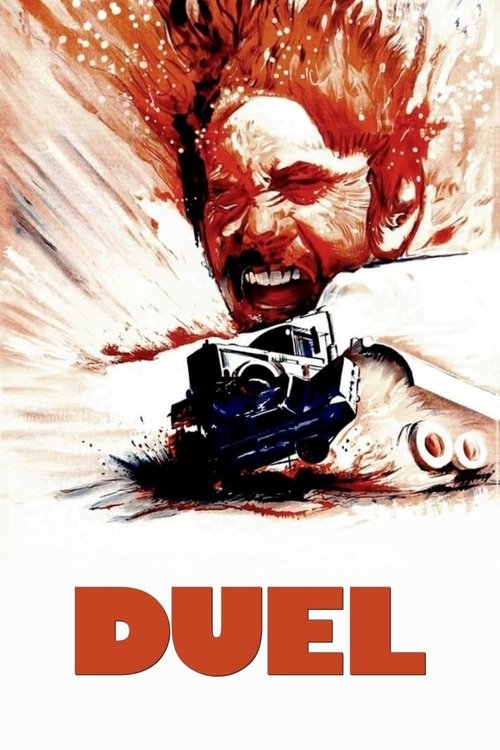
Duel1971
Spielberg's debut is the original confined-space thriller: one man, one truck, one relentless pursuer on an empty highway. It proves that isolation and escalation are enough. Taut, clever, and utterly gripping without leaving a single location.
But Black-and-white television movie aesthetic might feel slow if you're used to modern pacing. The antagonist is faceless for a reason, which some find frustrating rather than brilliant.
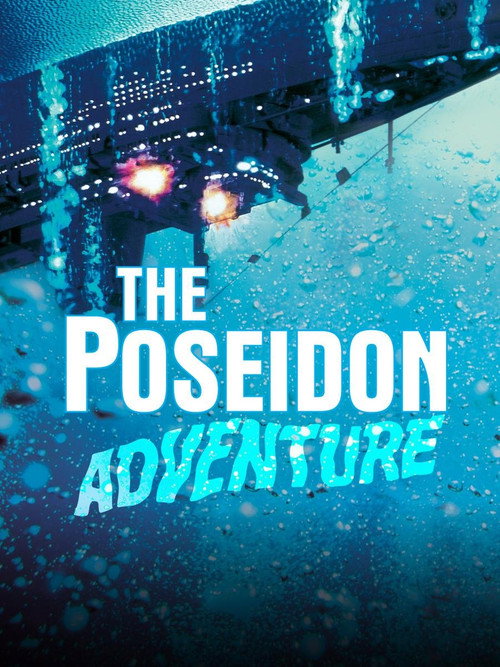
The Poseidon Adventure1972
The disaster-film template: strangers trapped in catastrophic circumstances forced to cooperate and betray. It has the same '70s ensemble energy and that specific pleasure of watching people scheme under duress in impossible spaces.
But It's long, earnest, and occasionally melodramatic in ways that can tip into unintentional camp. The dated special effects might distract from what makes it work.
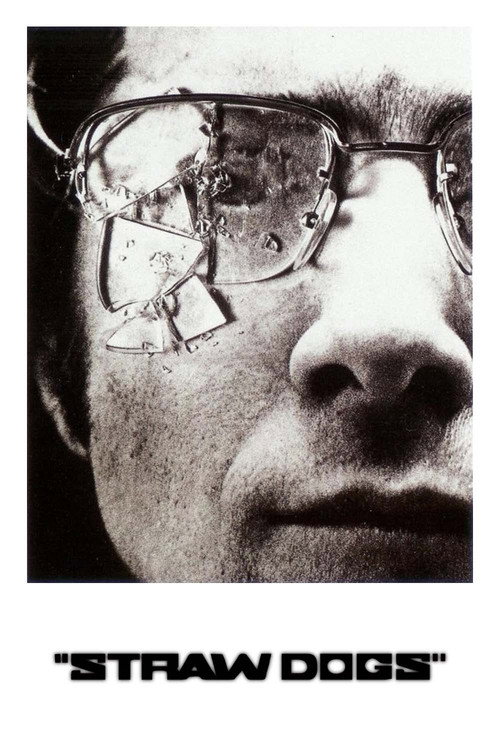
Straw Dogs1971
Peckinpah's masterpiece about ordinary people under siege, forced to become violent to survive. Like Ski Lift, it traps characters and watches what they become when escape isn't an option. Morally complex and genuinely unsettling.
But It's genuinely brutal, including sexual violence. The pacing is deliberately slow-burn. Not comfort viewing, and some will find it exploitative.
Not sure tonight? Get a pick in a minute, starting from Ski Lift to Death
The wildcard
Something you would not have found on your own.
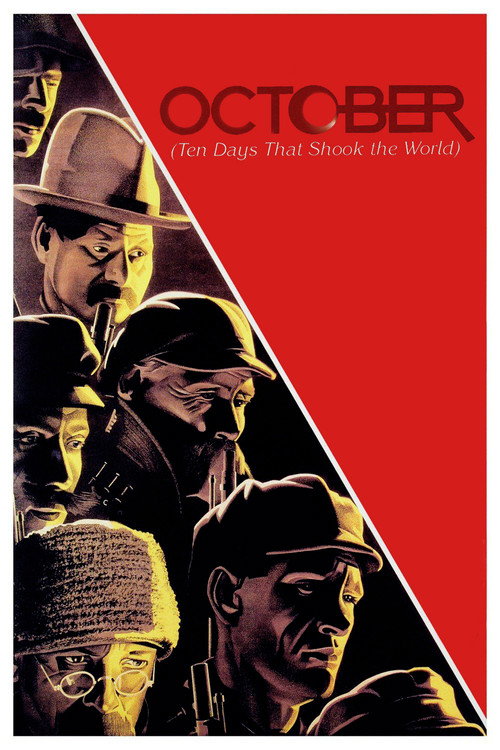
October (Ten Days that Shook the World)1928
Both films understand that conflict between incompatible people in a fixed space is a contained system that creates escalating tension—one uses it for thriller purposes, the other for ideological argument. Same structural engine, entirely different goals.
Sergei Eisenstein's revolutionary Soviet montage-film about the October Revolution. Radically experimental formal technique that influenced cinema forever. If you love *Ski Lift*'s pressure-cooker structure, this shows how confinement and collision create meaning visually.
But Silent film, Soviet propaganda, deliberately patterned editing that prioritizes ideas over narrative flow. It requires active engagement, not passive watching. Very cold intellectually.
More like this (7)
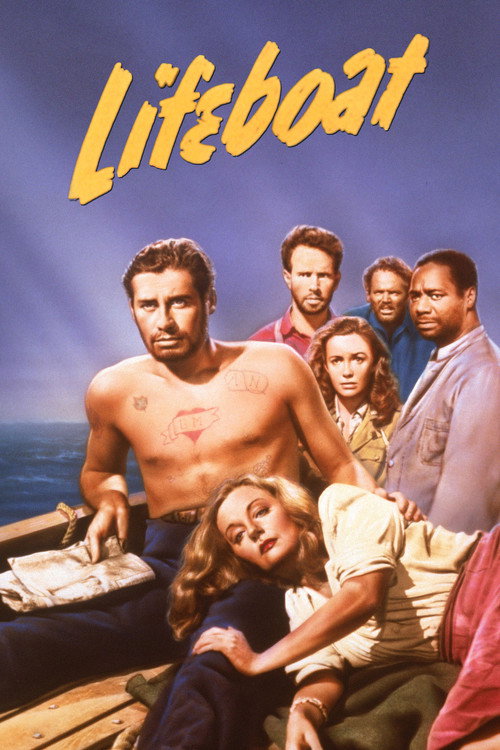
Lifeboat1944
Hitchcock's locked-room thriller set on a lifeboat after a shipwreck. Nine people, one small space, paranoia about who belongs, who can be trusted. The template for every enclosed-space thriller that followed. Ingenious and cynical.
But It's a chamber piece from 1944, so don't expect action beats. The ideology around nationality and trust feels very much of its time. Some find it talky.
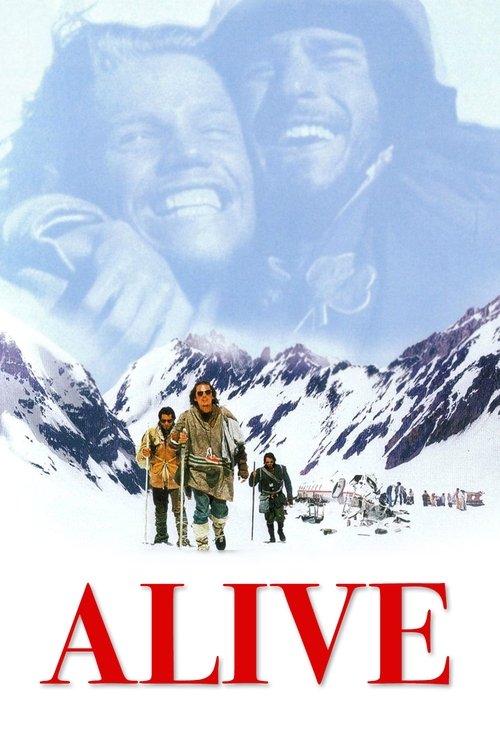
Alive1993
Survival thriller with plane-crash survivors in the Andes, forced into impossible moral choices. Features Don Johnson in a supporting role, and captures that specific '70s/'80s sensibility about how ordinary people fracture under extremity.
But The moral questions it raises—about cannibalism, about sacrifice—aren't resolved neatly. Some sequences are genuinely disturbing. It can feel exploitative about real tragedy.
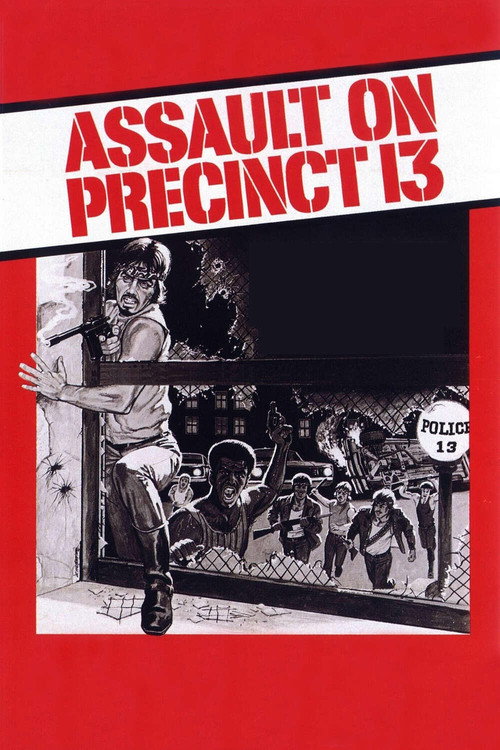
Assault on Precinct 131976
John Carpenter's debut: a police precinct under siege by a gang. It's all isolation, escalation, and ordinary people improvising under fire. Made for almost nothing but feels inevitable and terrifying. Pure cinema.
But The dialogue is functional rather than naturalistic. Some violence is casual and shocking. It can feel cold, or bleak enough to slide into nihilism.
The Vanishing1988
Dutch thriller about obsession and containment. A woman vanishes, and a man becomes trapped in a psychological game with the person who took her. Claustrophobic, relentless, and morally unflinching.
But It's bleak and grim. There are no moments of levity or conventional catharsis. The ending is intentionally difficult. American remake dilutes what makes the original matter.
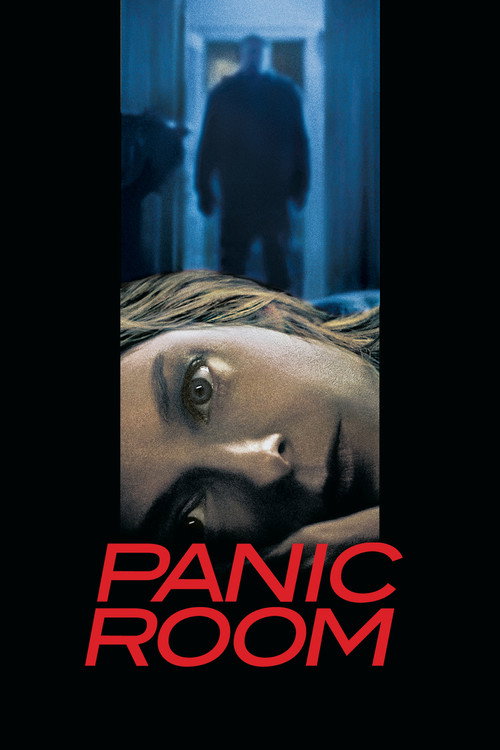
Panic Room2002
Fincher film where a mother and daughter lock themselves in a safe room during a home invasion, only to discover the robbers want what's inside. Contained space, high stakes, escalating problems. Technically virtuoso.
But Some solutions feel contrived. The pacing occasionally prioritizes style over character. Fincher's technique can overwhelm the human stakes.
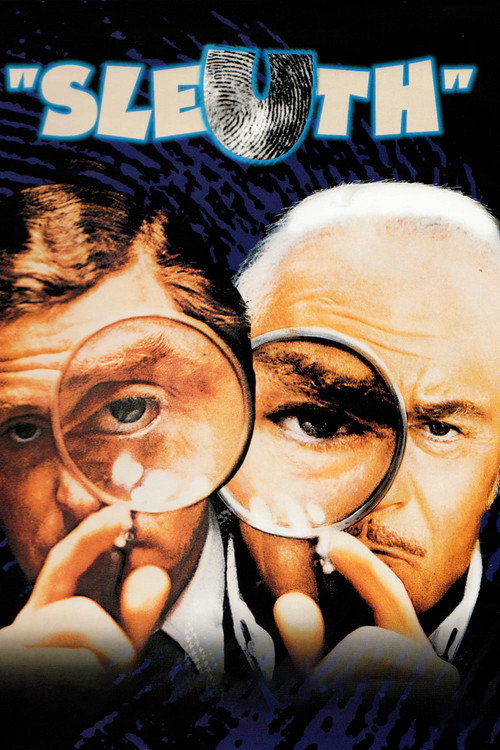
Sleuth1972
Both trap people in confined spaces and let tension come from conflicting agendas and hidden information. But where *Ski Lift* depends on physical circumstances, *Sleuth* is entirely psychological—the confinement is intellectual.
Two men, one room, one night of psychological gamesmanship. Joseph L. Mankiewicz's adaptation of the stage play is pure dialogue and misdirection—a battle of wits where the trap is intellectual rather than physical.
But Almost no action in the conventional sense. It's theatrical rather than cinematic. If you need movement and visual spectacle, this will feel static and dated. Very talky and very British.
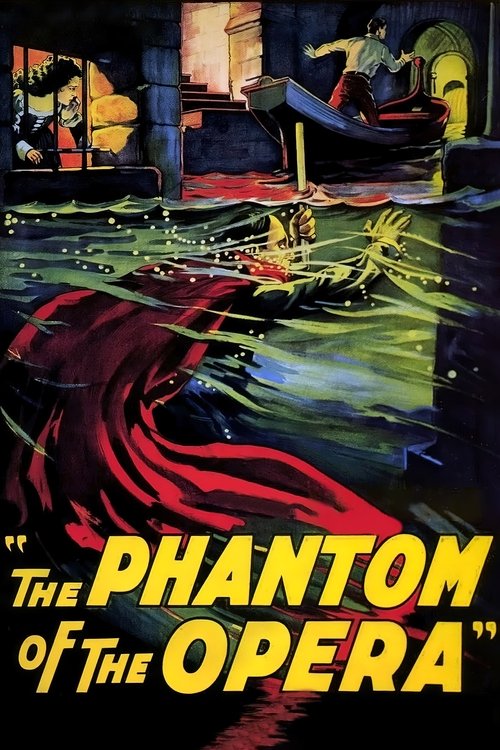
The Phantom of the Opera1925
Both depend on a confined space becoming a pressure cooker where ordinary people are trapped with a dangerous criminal element. *Phantom* does it with Gothic atmosphere and silent cinema; *Ski Lift* does it with contemporary mundanity—same structural DNA, opposite aesthetic registers.
Lon Chaney in the silent original. It has the same '20s sensibility of a later era's *Ski Lift*—costume, confined spaces (the opera house), a gangster-like villain, ordinary people trapped by circumstance. But it's Gothic and surreal instead of contemporary-realist.
But Silent film with stagy acting conventions. The pacing is slow. You have to read intertitles. The ideology about disability and disfigurement is deeply uncomfortable by modern standards.
People
Cast
 Deborah RaffinLee Larson
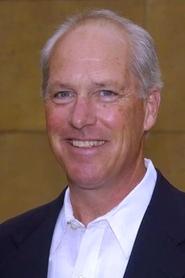 Charles FrankDick Elston
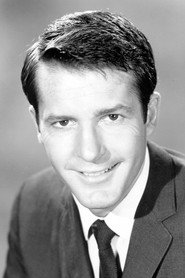 Don GallowayRon Corley
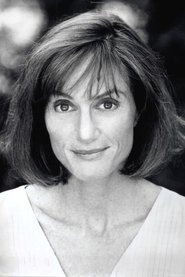 Gail StricklandVicki Gordon
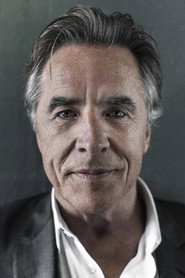 Don JohnsonMike Sloan
 Veronica HamelAndrea Mason
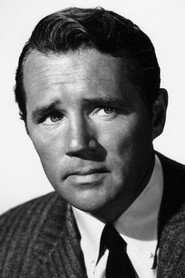 Howard DuffBen Forbes
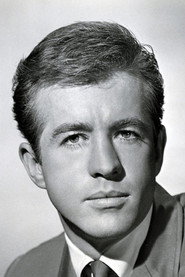 Clu GulagerMarv Gilman
 Lisa ReevesWendy
- Pierre JalbertClevenger
- Suzy ChaffeeMaureen
- Walter MarshJoe Larson
Directing
- William WiardDirector
Writing
- Laurence HeathWriter
Production
- Gerald W. AbramsExecutive Producer
- Bruce J. SallanProducer
- Richard BriggsProducer