Television series
The Last Czars
A dramatized history of Russia's final Romanov dynasty, told through the eyes of Tsar Nicholas II and his family as revolution closes in. Netflix blends acted scenes with historical analysis, creating something between a prestige drama and a history lesson. For anyone who loves the operatic tragedy of royal collapse or wants context for early-20th-century upheaval.
Should you watch it?
Watch it if you like history told through intimate court politics, where the personal failings of a few people quietly shape the fate of a nation, and you don't mind a slow build.
Skip it if you want sweeping battles or brisk plotting, since its talk-heavy scenes and documentary-style restraint may feel slow going for a viewer hoping for spectacle.
What it asks of you: Six episodes of about 45 minutes each make for a short commitment, but every one asks for steady attention and settles into a measured, unhurried register.
Not sure? Find tonight's pick in a minute.
If you liked this
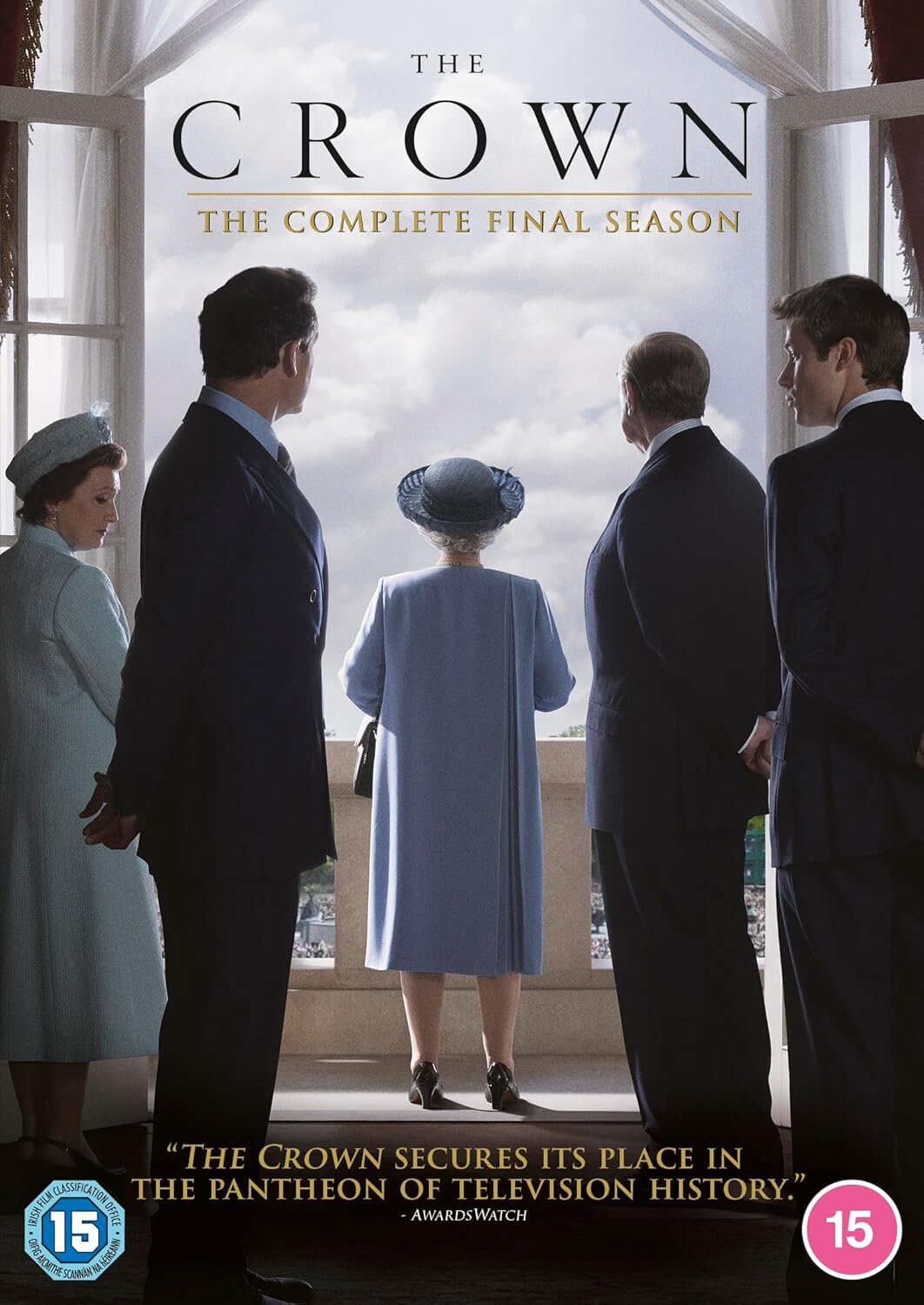
The Crown2016
Another intimate look at royal duty and family dysfunction, but with the stakes of the modern world. It shares the same obsession with how power isolates those who hold it and how personal weakness can reshape nations.
But It's vastly longer and moves much slower. If you want quick, focused history rather than sprawling character study, you'll find it bloated.
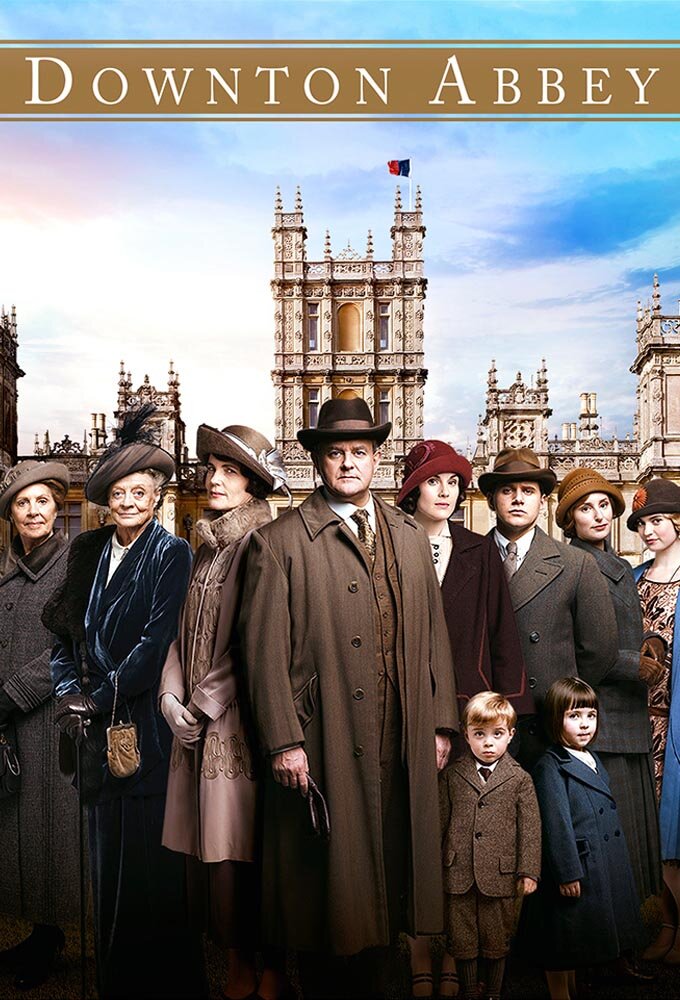
Downton Abbey2010
The same era, the same collision between tradition and modernity, but from the servants' perspective. It has warmth and humour where The Last Czars is austere, and the same fascination with how the old world actually ended.
But It's softer, more romantic, less interested in the horror of history. The tone is almost cosy by comparison.
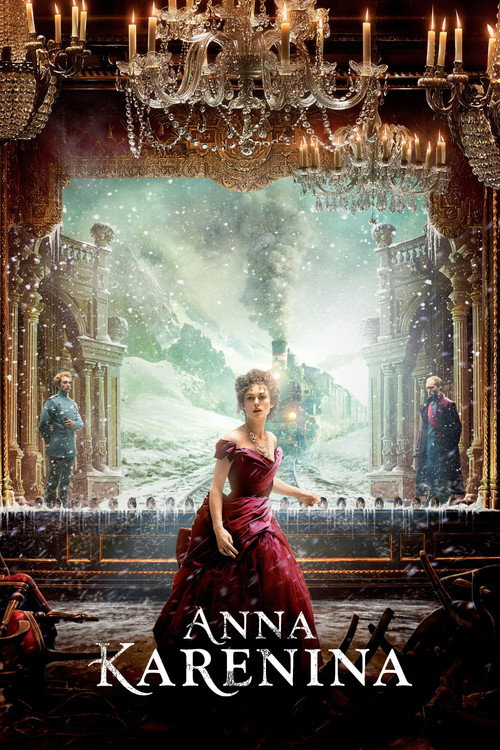
Anna Karenina2012
A lush, theatrical adaptation of Tolstoy that captures the same Russian aristocratic world—the beauty, the moral confusion, the sense of a society eating itself. Joe Wright's direction shares the drama's flair for stylization.
But It's a three-hour period romance, not history. If you're watching for facts rather than feeling, it'll seem indulgent.
Not sure tonight? Get a pick in a minute, starting from The Last Czars
The wildcard
Something you would not have found on your own.
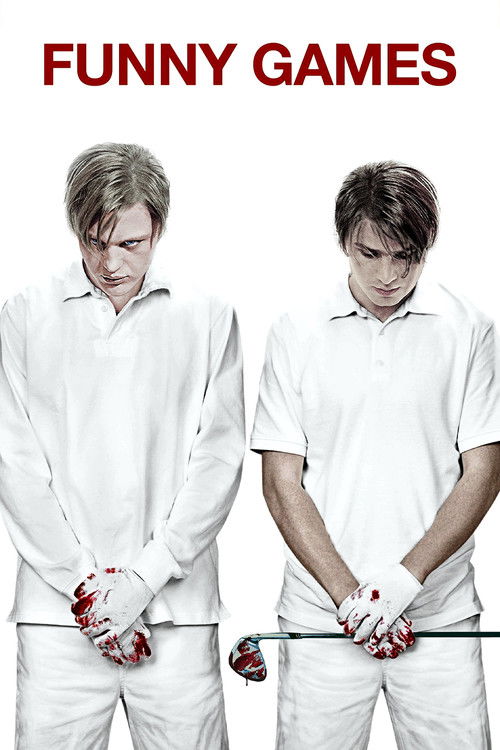
Funny Games2008
Both ask what authority and power do to the people who have them and those who watch them. Both suggest that comfort with cruelty is the real corruption.
Haneke's brutal deconstruction of how we consume violence and enjoy watching people suffer. The Last Czars dramatizes history's real violence but keeps you at a distance; Haneke removes that distance entirely and asks what you're really doing watching.
But It's deliberately unwatchable—not poorly made, but made to be painful and alienating. Some viewers will hate it on principle, and they're not wrong to.
More like this (7)
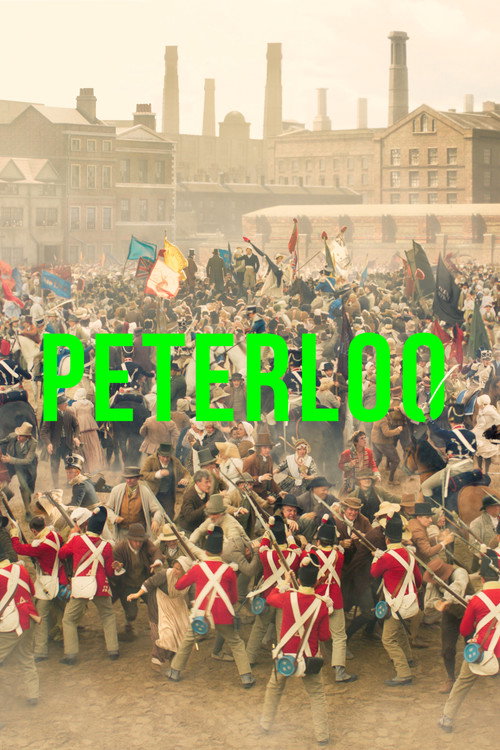
Peterloo2018
Mike Leigh's account of working-class resistance and state violence in 1810s Manchester. It has the same brutal clarity about revolution, the same interest in how ordinary people became desperate enough to demand change.
But It's grinding and bleak, with almost no catharsis. Leigh's style is deliberately undramatic, which some find tedious.
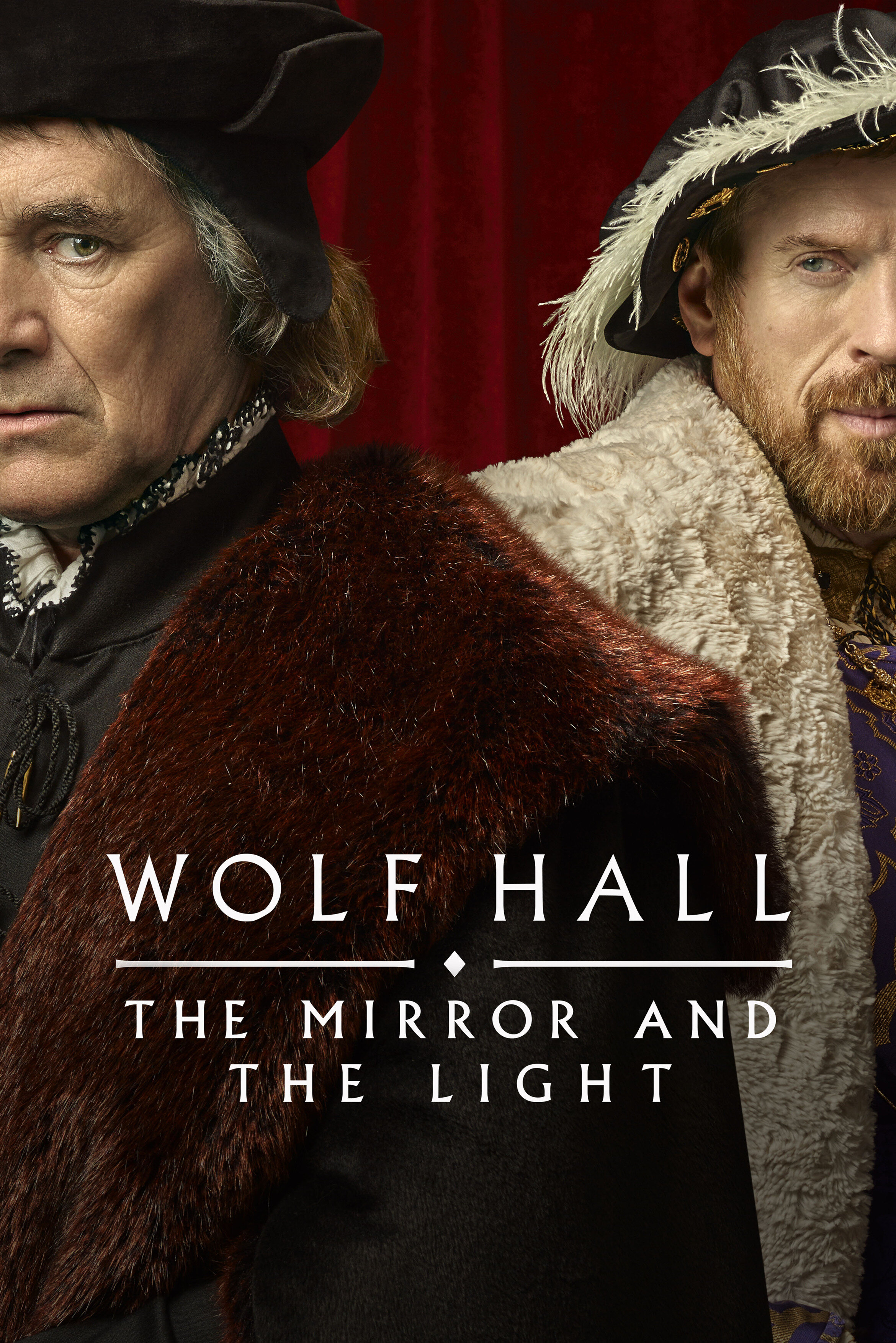
Wolf Hall2015
Another BBC drama about a powerful man navigating court intrigue and the weight of history. It shares the same psychological intensity and the same willingness to make power look lonely and exhausting rather than glamorous.
But Only two seasons before cancellation, so the story feels incomplete. It's also very British in its pacing—some will find it glacial.
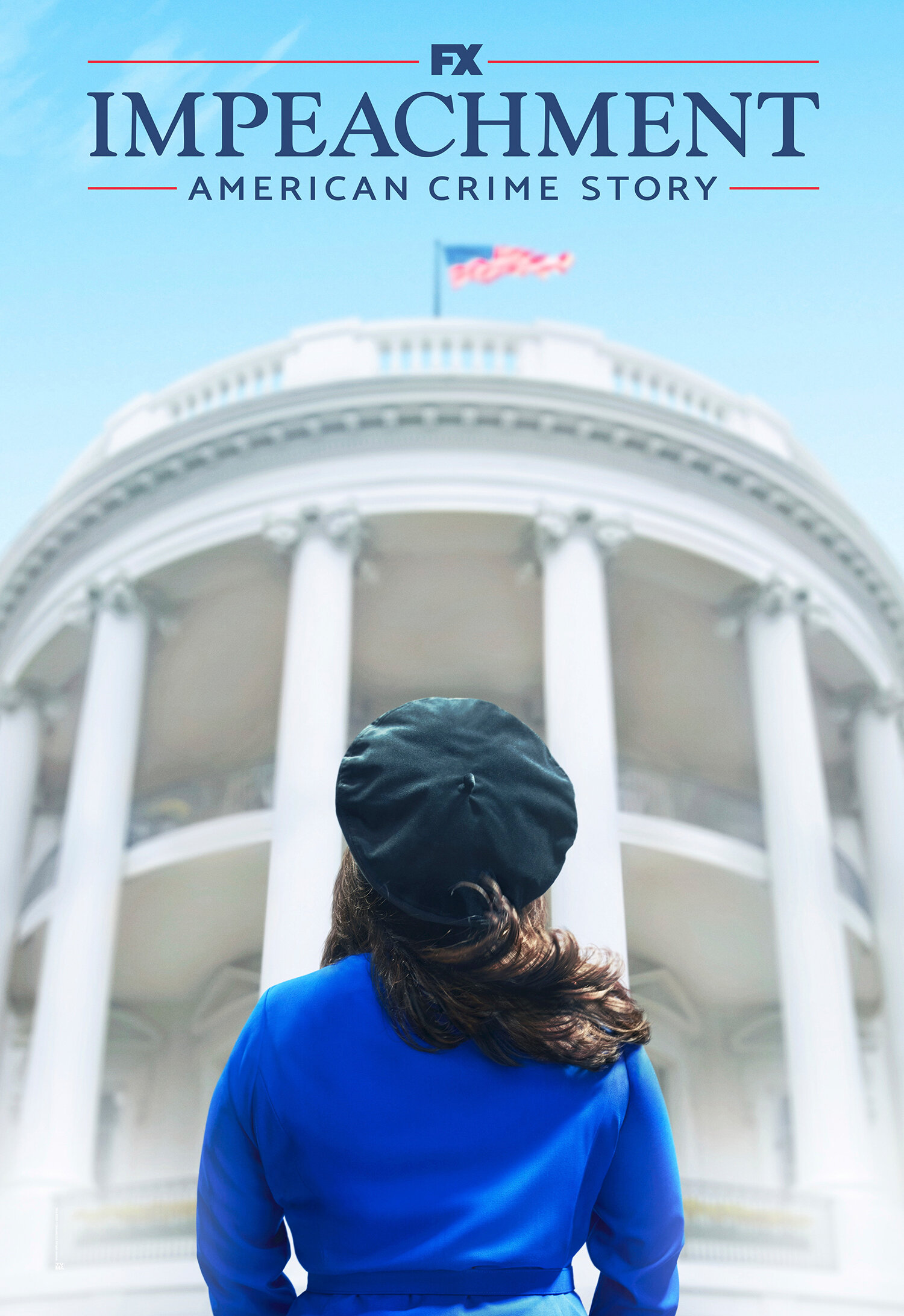
American Crime Story2016
Ryan Murphy's dramatized history mixes documentary techniques with acted reconstruction, just like The Last Czars. It's about the collapse of a world and the forces that destroyed it, with genuine historical stakes.
But It's far more sensational and far less respectful. If you prefer restraint to melodrama, this will feel gratuitous.
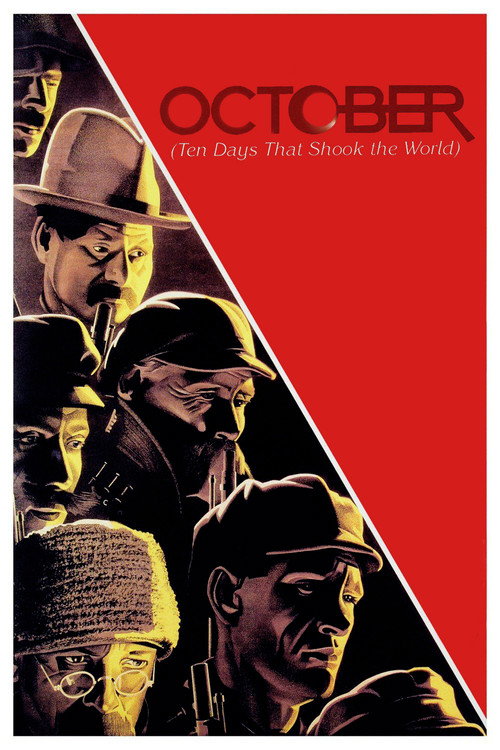
October (Ten Days that Shook the World)1928
Eisenstein's experimental silent film is about the exact revolution that doomed the Romanovs. It's a masterpiece of montage and propaganda, the aesthetic opposite of The Last Czars but equally obsessed with history as tragedy.
But It's 1928, it's silent, it's agit-prop art. If you want narrative clarity and emotional accessibility, this will seem forbidding.
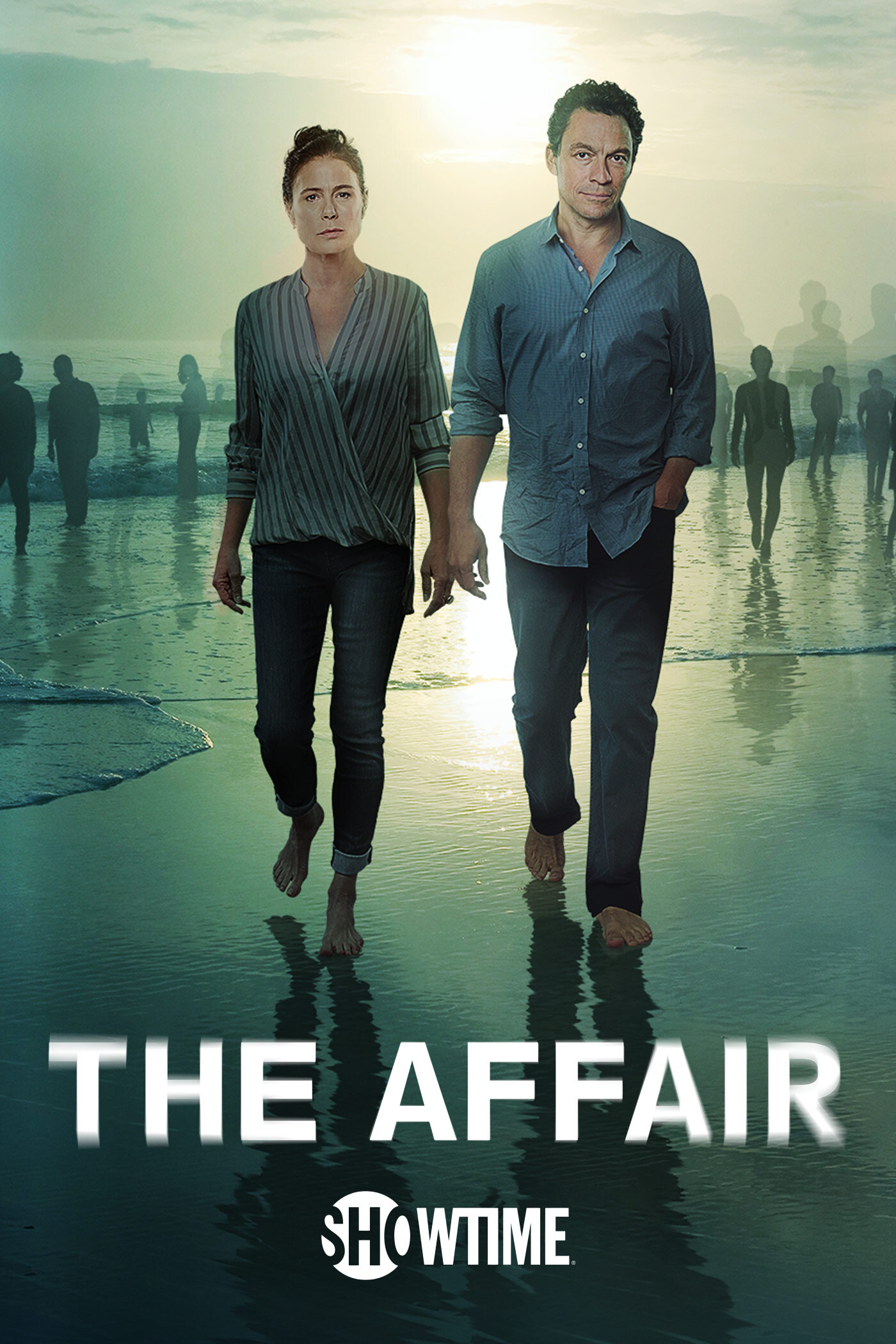
The Affair2014
Like The Last Czars, it tells the same events from multiple perspectives, each unreliable, each revealing something different about power, desire and how people justify themselves. The formal experiment serves the emotional truth.
But It's a contemporary American drama about infidelity, not history. The comparison is purely structural, and five seasons is a lot to invest.
Come and See1985
Both are Soviet-adjacent historical accounts that refuse to prettify their era. Both understand that the revolution mentioned in The Last Czars came at an incalculable human cost.
Elem Klimov's Soviet masterpiece about a child soldier on the Eastern Front. It's history that doesn't explain or comfort, that simply shows the incomprehensible violence of the 20th century beginning. Devastation and clarity in equal measure.
But It's one of the most brutal films ever made. Not violent in an entertaining way—violent in a way that breaks the viewer. Many people genuinely cannot finish it.

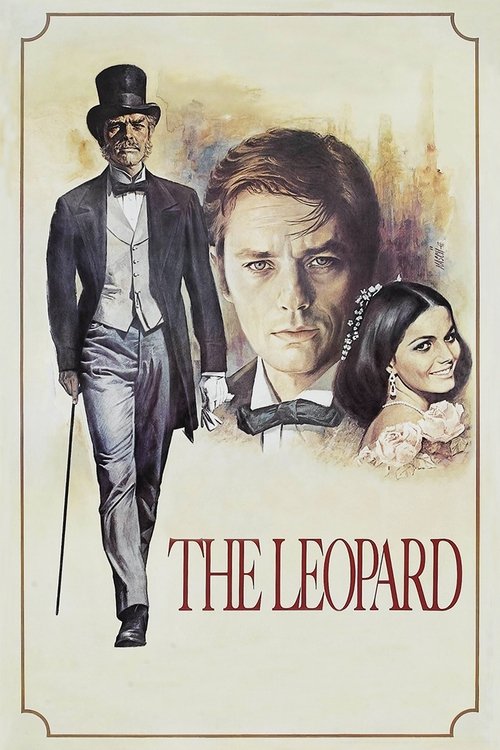
The Leopard1963
Both are about the death of dynasties and the men too tired or too proud to adapt. Both use visual beauty to explore the seduction of a world worth mourning, even when it deserves to die.
Visconti's elegant, hypnotic film about an Italian aristocrat watching his world dissolve during unification. It moves like a dream, indifferent and beautiful, and captures the specific exhaustion of watching history make you obsolete.
But It's measured to the point of stasis. Three hours of aristocratic melancholy, shot in saturated colour that some find gorgeous and others find oppressive. Patience is mandatory.