
Film
Crisis: Behind a Presidential Commitment
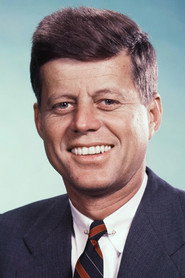
A 52-minute documentary shot in real time during the 1963 University of Alabama integration crisis, following President Kennedy, his cabinet, and the students and governor at the centre of the standoff. Tense, intimate, and historically crucial—you watch institutional power negotiate with moral urgency in the room. Essential viewing for anyone who wants to understand how civil rights progress actually happened.
Should you watch it?
Watch it if you like watching power deliberate in real time, where the tension sits in measured words and cautious calculation rather than in spectacle.
Skip it if you want the confrontation itself up close, since this stays mostly in government offices and talks around the edges of the crowd, formal and deliberately restrained.
What it asks of you: Just under an hour and unhurried through the middle, it rewards sitting through slow procedural deliberation while watching faces and phrasing closely.
Not sure? Find tonight's pick in a minute.
If you liked this
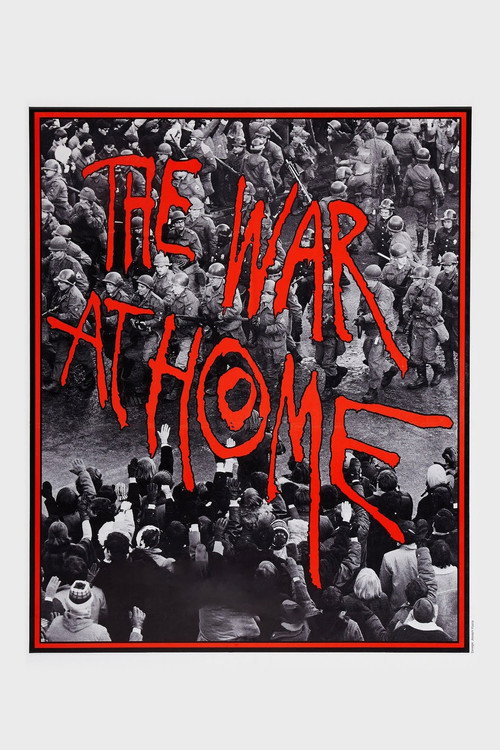
The War at Home1979
Glenn Silber and Barry Alexander Brown's documentary about the Vietnam War's impact on Madison, Wisconsin uses archival footage and interviews to show how national crises splinter families and communities. It's a mirror to Crisis's intimate stakes.
But Shot on 16mm with the grain and feel of its era, it can feel visually austere to modern eyes. Some sequences are repetitive.
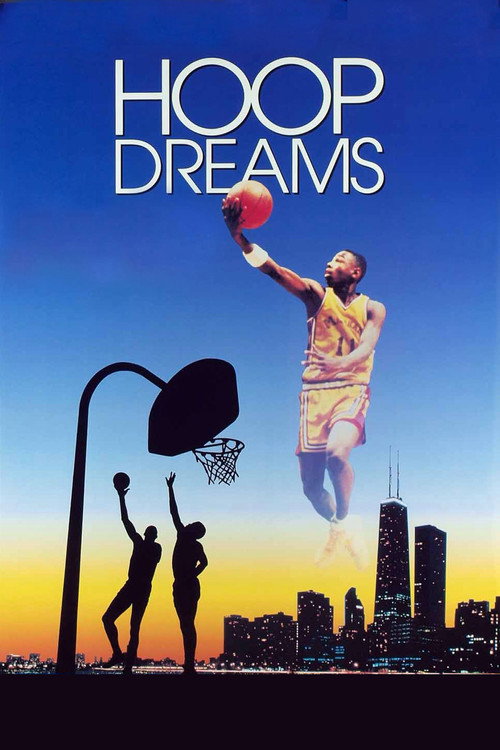
Hoop Dreams1994
Steve James follows two basketball players over five years, capturing the pressure of systems—economic, educational, racial—that shape lives. Like Crisis, it's observational cinema about institutional forces playing out in real time on real people.
But It's three hours and can feel sprawling. The basketball itself matters less than the sociology, which won't grip everyone equally.
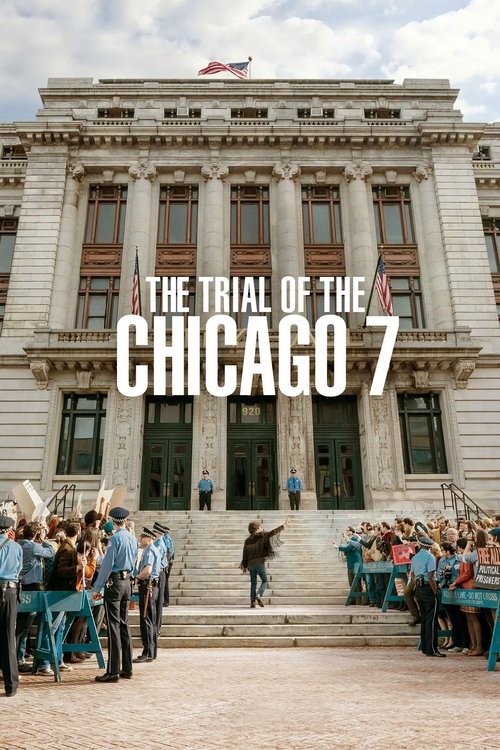
The Trial of the Chicago 72020
Aaron Sorkin dramatizes the 1969 trial of anti-war activists, recreating the high-stakes political negotiations and moral arguments about power, dissent, and the system. Similar DNA to Crisis: how does authority respond to challenge?
But It's a courtroom drama, so there's theatrical scoring and crafted dialogue. Some find Sorkin's style manipulative rather than clarifying.
Not sure tonight? Get a pick in a minute, starting from Crisis: Behind a Presidential Commitment
The wildcard
Something you would not have found on your own.
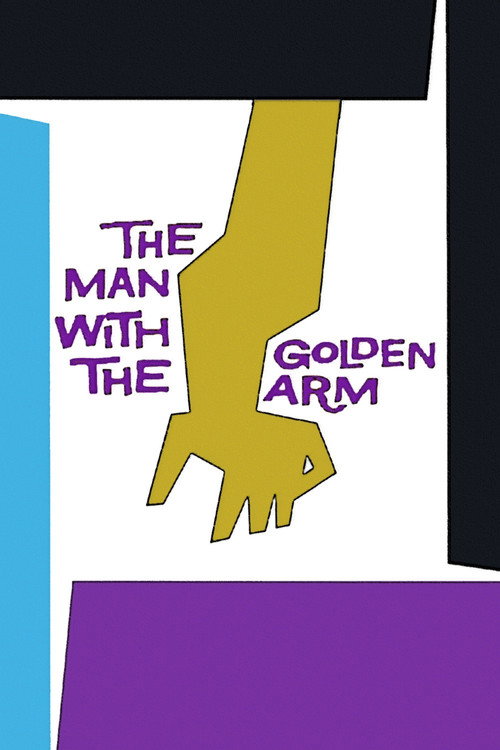
The Man with the Golden Arm1955
Both use cinema to document institutional crises—legal, moral, political—in real time or real detail. Both trust the audience to draw conclusions rather than telling them what to think.
Otto Preminger's film about heroin addiction in Chicago broke the Production Code by treating a morally condemned subject with dignity and realism. Like Crisis, it insists that the camera can see hard truths without flinching, and that systems fail people.
But It's a narrative drama, not a documentary, so the realism is performed. The treatment of addiction feels dated by modern standards. Black-and-white Chicago noir isn't everyone's speed.
More like this (6)
Grey Gardens1976
The Maysles brothers' documentary observes two reclusive women in decline without judgment or intervention. It shares Crisis's commitment to letting the camera see what actually happens in a room, unmediated by voice-over or editorial pressure.
But It's slow and repetitive by design—not everyone has patience for that kind of observation. The subjects' deterioration becomes uncomfortable.

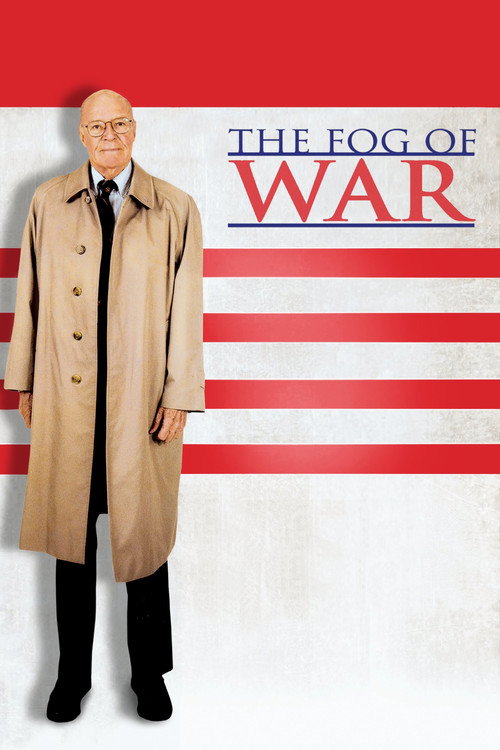
The Fog of War2003
Errol Morris interviews Robert McNamara about the Cuban Missile Crisis and Vietnam, using declassified footage and animation to explore how leaders make decisions under pressure. It's Crisis from the inside of power, decades later.
But McNamara's self-justification can feel evasive. Some viewers find Morris's technique (the animated sequences especially) distracting from the substance.
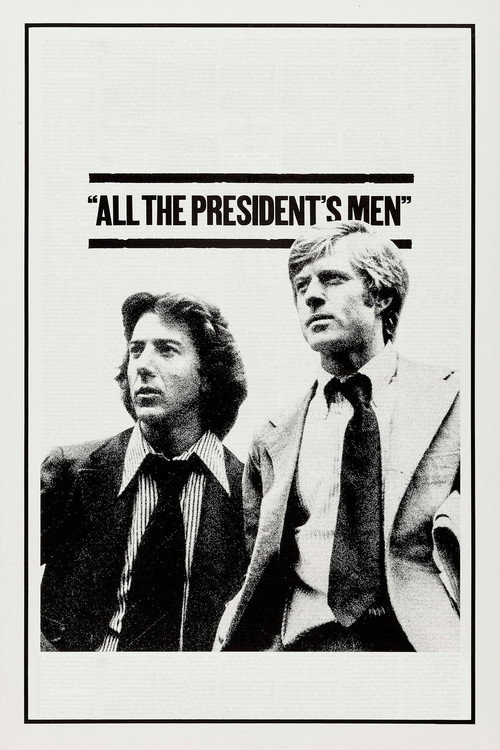
All the President's Men1976
Pakula's thriller about Watergate reporting captures the tension of institutional accountability in real time—how reporters, lawyers, and the system itself move against power. The procedural mirrors Crisis's pacing and stakes.
But It's a '70s political thriller, so it's measured rather than explosive. Younger audiences sometimes find the slow-burn approach dated.
The Battle of Algiers1966
Gillo Pontecorvo's reconstruction of the Algerian independence struggle shows conflict from multiple angles—colonial forces, insurgents, civilians—without taking sides. It's a political crisis watched from all sides at once, like Crisis but with more dramatic intensity.
But It's a reconstruction, not a documentary, so it trades immediacy for art. The politics are explicitly anti-colonial, which can feel didactic.

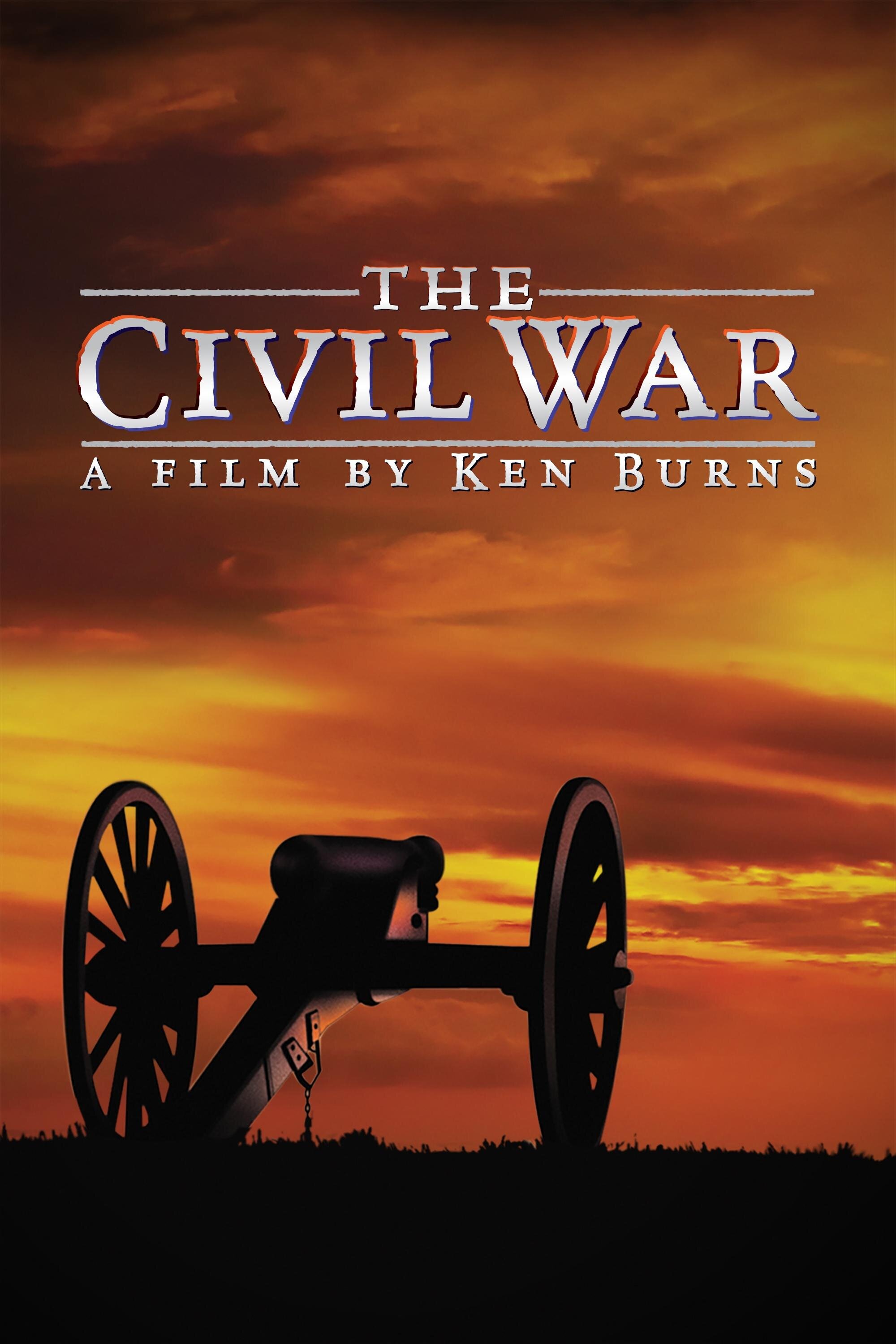
The Civil War1990
Ken Burns's ten-part series uses photographs, letters, and voices to build the lived experience of war and political collapse. It shares Crisis's belief that ordinary people's stakes matter as much as leadership's calculations.
But It's over nine hours. The reliance on still photographs can feel static. Burns's style—the pans, the music—has aged into something very 1990s.
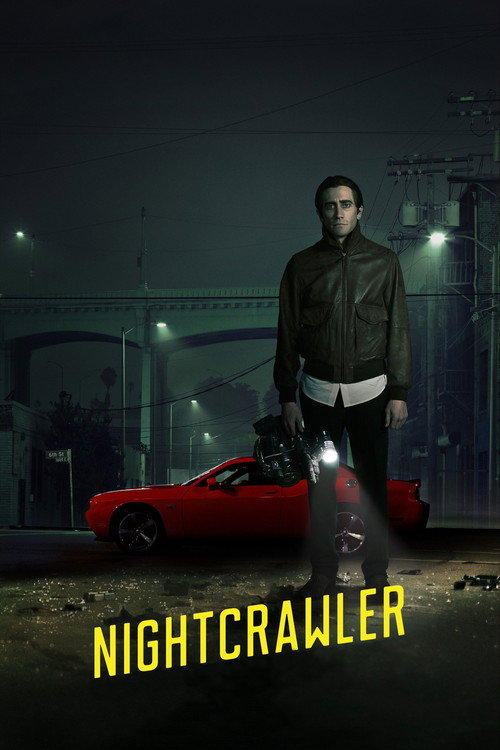
Nightcrawler2014
Both examine how institutions shape outcomes: Crisis shows government machinery responding to civil rights; Nightcrawler shows media machinery shaping crime and reality. Both ask: who benefits when systems move, and what do they distort?
Dan Gilroy's thriller follows a freelance videographer navigating the moral hazards of media and ambition in Los Angeles. Like Crisis, it's obsessed with how institutions—here, television news—distort reality, and what individuals will do to serve them.
But It's a dark thriller with an unsympathetic protagonist. The mood is nihilistic and grinding. If you want hope or moral clarity, this offers neither.
People
Cast
- James LipscombNarrator
 John F. KennedySelf
 George WallaceSelf
- Vivian MaloneSelf
- James HoodSelf
Directing
- D. A. PennebakerDirector
- Hope RydenDirector
- James LipscombDirector
- Richard LeacockDirector
- Robert DrewDirector
Production
- Robert DrewExecutive Producer
- Gregory ShukerProducer