
Film
The Last of His Tribe
A 1992 TV film about Ishi, the last Yahi Indian, who emerges from hiding into early 1900s California. It's a quiet, contemplative drama about cultural collision and belonging, anchored by Graham Greene's measured performance. For anyone drawn to stories of displacement and the cost of survival.
If you liked this
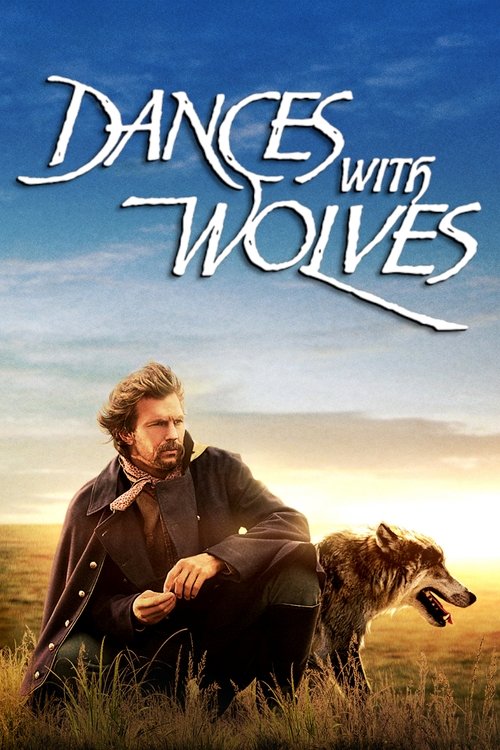
Dances with Wolves1990
A thoughtful epic about a soldier's immersion in Lakota culture, with sweeping landscapes and genuine effort to center Indigenous perspective and dignity.
But Nearly four hours long, and the white protagonist's journey can feel like the story even when it shouldn't be.
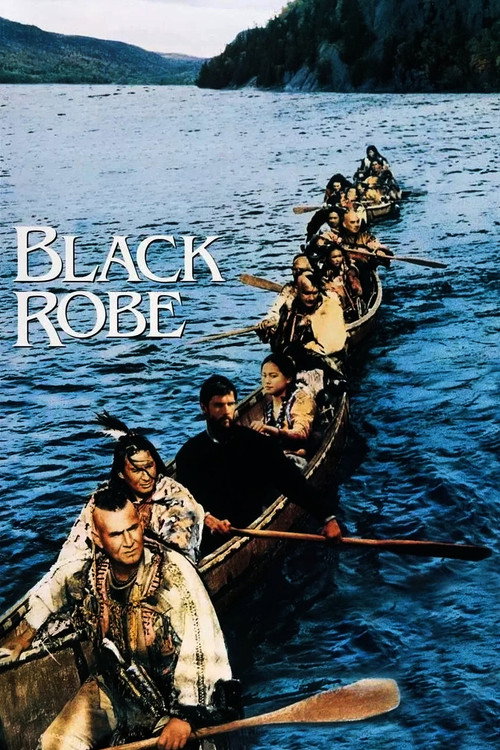
Black Robe1991
A Jesuit missionary's encounter with Huron people in 1600s Canada—far grimmer and more unresolved than Dances with Wolves, with real moral ambiguity and no easy answers.
But Bleak, violent, and deeply uncomfortable. Not a comfort watch, and the ending will stay with you for the wrong reasons.
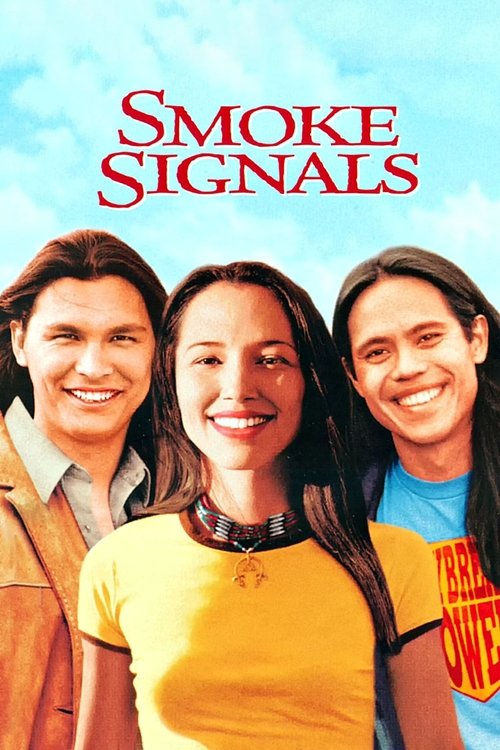
Smoke Signals1998
A road movie written by Sherman Alexie and directed by Chris Eyre, funny and tender, told entirely from Indigenous perspectives about contemporary life and reservation community.
But If you want historical tragedy, this isn't it—it's about now, which some viewers find less 'authentic' than their preconceptions.
Not sure tonight? Get a pick in a minute, starting from The Last of His Tribe
The wildcard
Something you would not have found on your own.
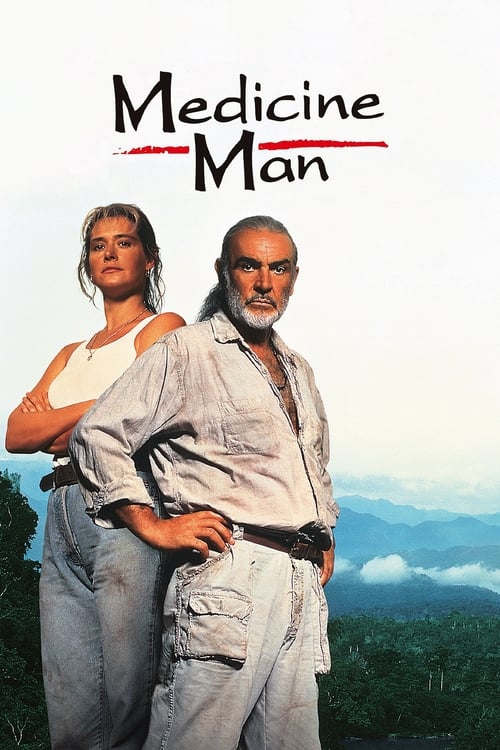
Medicine Man1992
Both made in 1992, both grapple with how a 'civilized' world receives and judges Indigenous knowledge, and both ultimately privilege the white character's understanding.
Released the same year as *The Last of His Tribe*, this is Sean Connery in the Amazon, but the real engine is about knowledge systems in collision—what counts as science, what counts as wisdom. A thriller wrapped around an epistemological crisis.
But It's a mainstream Hollywood film playing dress-up in profundity. The Indigenous perspective is instrumental to the plot, not its center.
More like this (6)
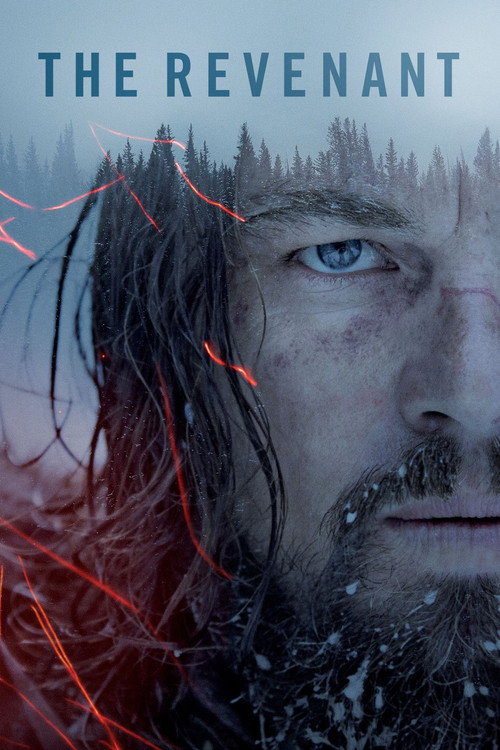
The Revenant2015
A brutal, visceral survival story set in 1820s wilderness with Leonardo DiCaprio as a frontiersman caught between worlds, shot with staggering visual intensity.
But The pacing is glacial, and if you're tired of suffering-as-spectacle, the relentless grimness becomes exhausting rather than moving.
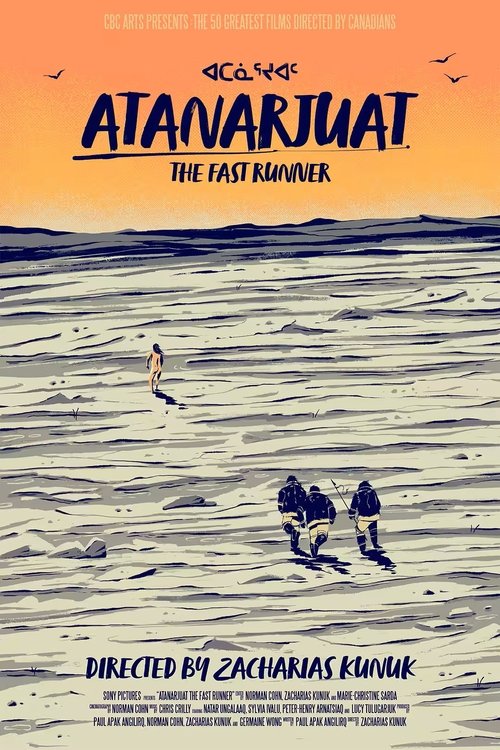
Atanarjuat: The Fast Runner2002
An Inuit film about community, survival, and transformation told in the Inuktitut language. Hypnotic, mythic, and made entirely by Inuit filmmakers—genuinely different cinema.
But Deliberate pacing and unfamiliar narrative structure will test your patience. Subtitles required, and not a conventional plot engine.
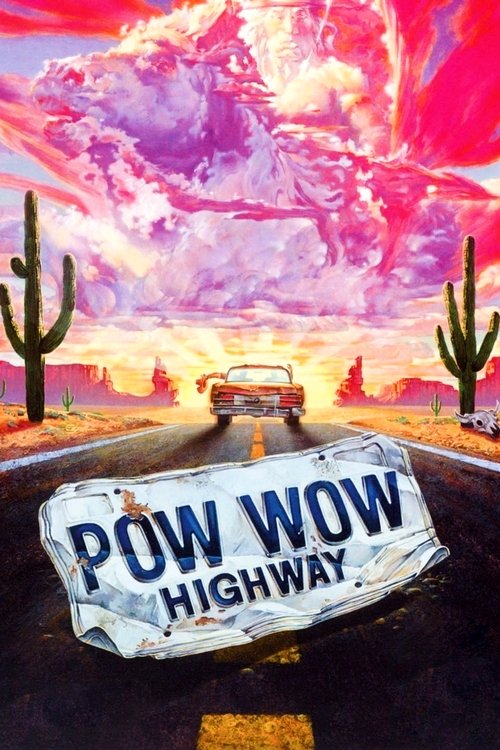
Powwow Highway1989
A road movie with Gary Farmer and A Martinez as Cheyenne friends. Warm, funny, furious, and alive—Indigenous characters with interior lives beyond victimhood.
But Low budget shows. Some will dismiss it as smaller in scope, though that misses the point entirely.
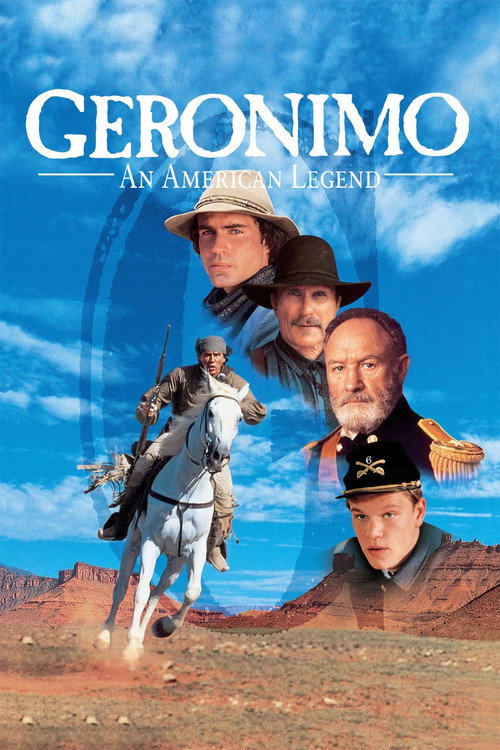
Geronimo: An American Legend1993
Joseph Runningfox and Wes Studi bring authentic Apache perspective to a cavalry Western, with real attention to Geronimo's intelligence and complexity.
But Caught between Hollywood convention and revision—never fully commits to either vision, so splits the difference unsatisfyingly.
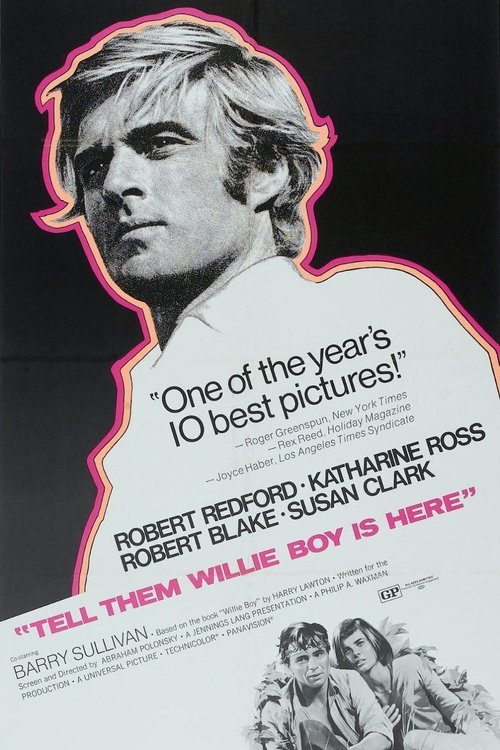
Tell Them Willie Boy Is Here1969
Both examine the impossible situation of Indigenous survival in white America, but *Tell Them Willie Boy* is a structural argument about injustice wrapped in genre, while *The Last of His Tribe* is elegy. Same wound, opposite approaches.
Robert Blake as a Paiute man and Robert Redford as the lawman hunting him—but the real subject is how a man becomes a fugitive for being Indigenous. A Western that dismantles the Western's mythology from the inside, made in the late 1960s and still radical.
But The color grading is murky, it moves slowly, and Redford's morality play can feel didactic. Dated cinematically in ways that distract.
Ishi, the Last Yahi1993
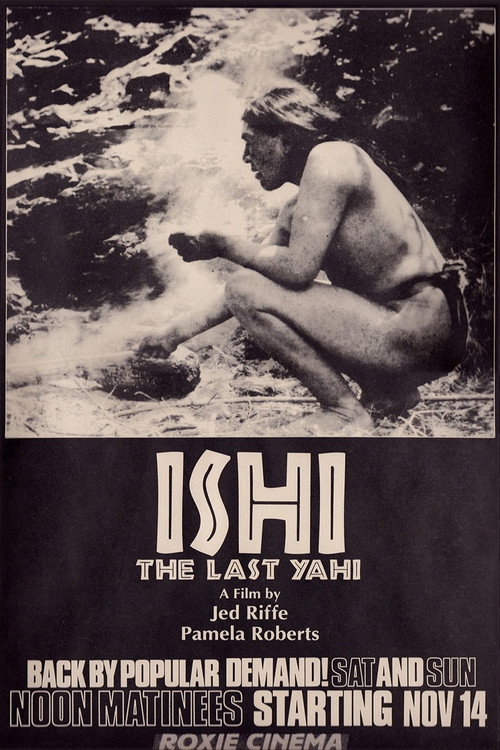
The documentary exists in conversation with the film version, and watching both reveals what narrative choice means—what drama adds and what it takes away. A meta-recommendation that doubles the evening's weight.
A documentary made the same year as the drama. Shorter, featuring actual archival footage and Ishi's direct descendants. It's not a narrative—it's testimony and record. Watching both together reframes what drama can do and what it can't.
But A raw documentary is harder to sit with than a shaped narrative. Some will find it incomplete or undramatic. Seeing the actual person after the film is destabilizing by design.
People
Cast
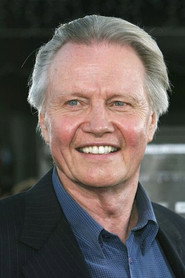 Jon VoightAlfred Kroeber
 Graham GreeneIshi
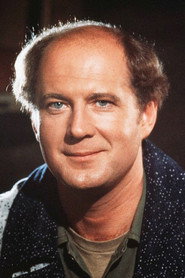 David Ogden StiersDr. Saxton Pope
 Jack BlessingTom Waterman
 Anne ArcherHenriette Kroeber
 Daniel BenzaliMr. Whitney
- Christianne HauberMiss Edna Block
 Charles MartinetAssistant Museum Director
- Carl D. ParkerSheriff Weber
 Angela PatonMrs. Gustafson
- Benne AlderMrs. Whatley
- Marie BainNurse
Directing
- Harry HookDirector
Writing
- Stephen HarriganWriter
Production
- Judith HolstraCasting
- Barbara BloomCo-Producer
- John LevoffProducer
- Robert LovenheimProducer
- Vicki NiemiUnit Production Manager