
Film
Rumble: The Indians Who Rocked the World
A documentary that unearths the Native American architects of rock, blues, and country music—figures like Link Wray and Buffy Sainte-Marie whose contributions were systematically erased from history. Bracing, joyful, and urgent, it's a correction that doubles as a revelation about American popular culture's real foundations.
Should you watch it?
Watch it if you hear rock and roll as a story of borrowed rhythms and stolen credit, and you want the history of its roots traced through the people who lived it.
Skip it if you want a tightly plotted narrative or a deep dive into each artist's life, since this one skims a lot of ground in a single hour and forty minutes.
What it asks of you: It runs about an hour and forty minutes and moves briskly through interviews, archival clips and performance footage, so it rewards steady attention more than close study.
Not sure? Find tonight's pick in a minute.
If you liked this
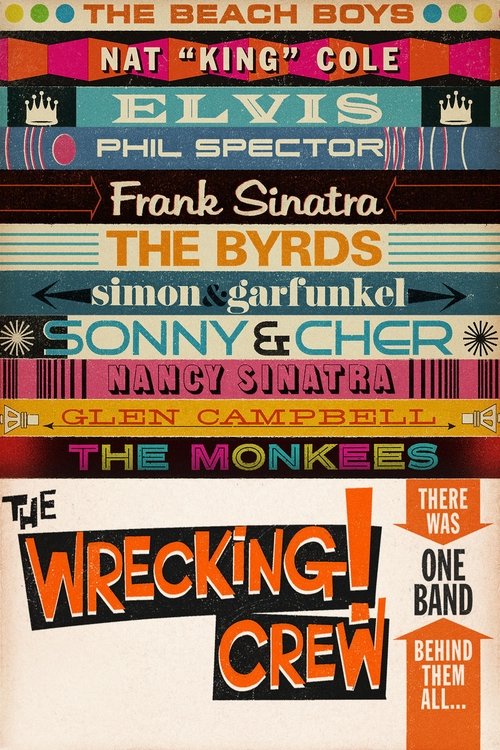
The Wrecking Crew2008
Documents the session musicians who played on countless hits but went uncredited. Like Rumble, it's about invisible hands shaping the soundtrack of American life—here the LA studio musicians who made the sixties sound.
But Focuses mainly on white musicians, so it's narrower in scope and less about cultural erasure specifically. Also drier in tone, less performance energy.
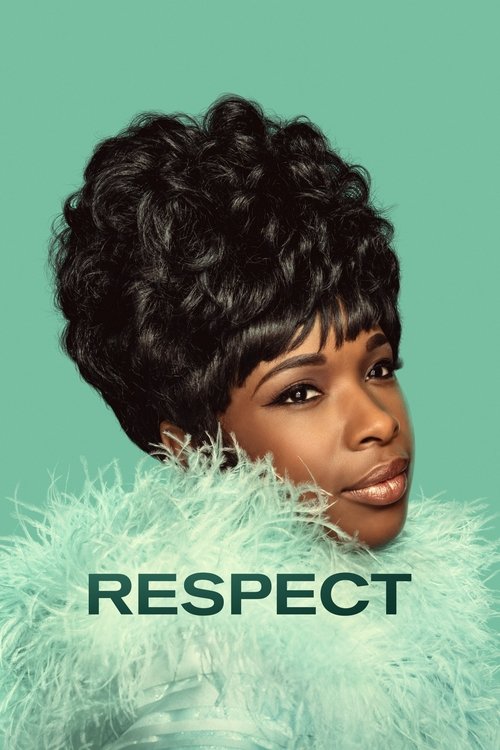
Respect2021
Jennifer Hudson as Aretha Franklin, tracing how a preacher's daughter became the Queen of Soul. Shares Rumble's interest in how Black artists carved out power and identity against enormous resistance.
But It's a conventional biopic with all the genre's predictable beats. Safer story, more Hollywood gloss, less documentary rigor.
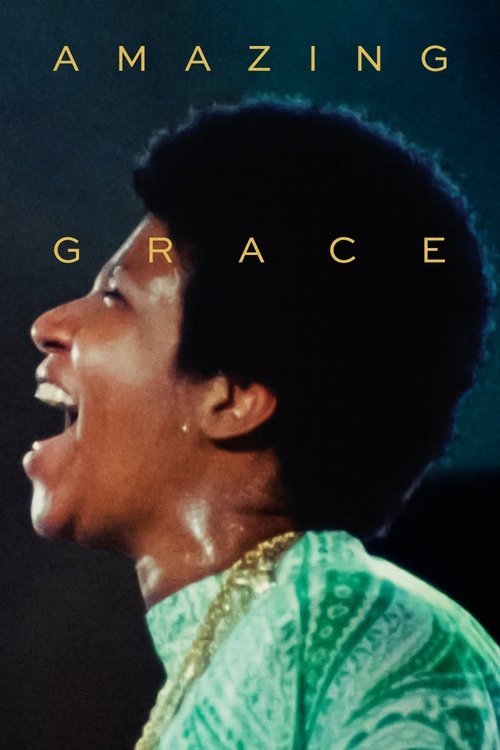
Amazing Grace2018
Captures Aretha Franklin recording her legendary live gospel album, with archival footage and performance footage woven together. Pure joy and spiritual power, the music itself doing most of the talking.
But Narrower focus—one album, one woman—and less interested in the bigger historical picture Rumble explores. Also, if you want context and story, it keeps it minimal.
Not sure tonight? Get a pick in a minute, starting from Rumble: The Indians Who Rocked the World
The wildcard
Something you would not have found on your own.
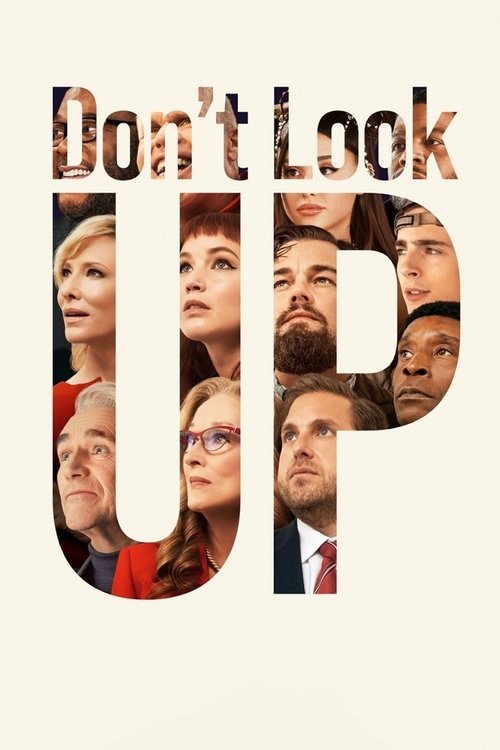
Don't Look Up2021
Both document how systems of power work to make inconvenient stories disappear. Rumble shows what happens when it succeeds; Dont Look Up shows the machinery in action.
Not about music—it's about how institutions silence uncomfortable truths. That machinery of erasure and denial Rumble documents? Here it's the mechanism itself, the entire apparatus that buries what powerful people don't want to hear. Same rage, different target.
But Apocalyptic satire that lands as bleak and grim. Some viewers find it heavy-handed, and it's much less joyful than Rumble's music-soaked energy. Different emotional register entirely.
More like this (6)
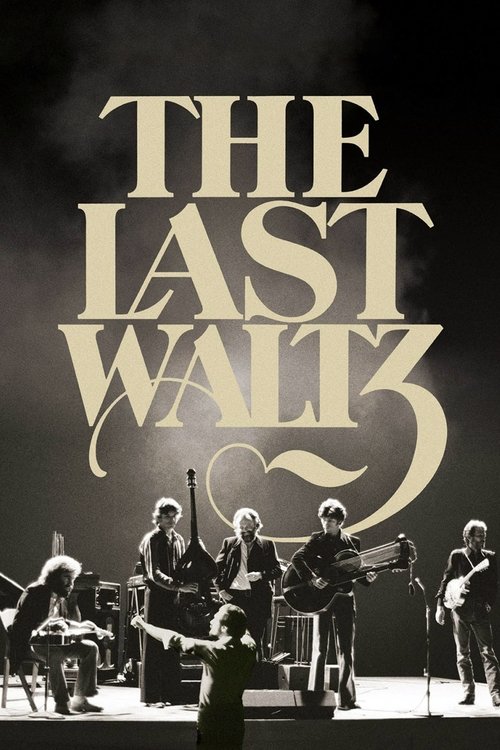
The Last Waltz1978
Scorsese's mythic concert film of The Band's final show, with guests spanning American music's bloodlines. A meditation on roots, influence, and what gets passed down—thematically close to Rumble's core.
But It's a concert film first, a documentary second. If you want sustained talking-head testimony and deep dives, it won't give that to you.
Stray Dogs2014
Country music's outsider history told through archival clips and conversations with artists who didn't fit Nashville's template. Shows how genre boundaries were drawn and who got left out.
But Less polished production and narrower reach than Rumble. Also harder to find, and the scope is smaller—really specific to country music's margins.
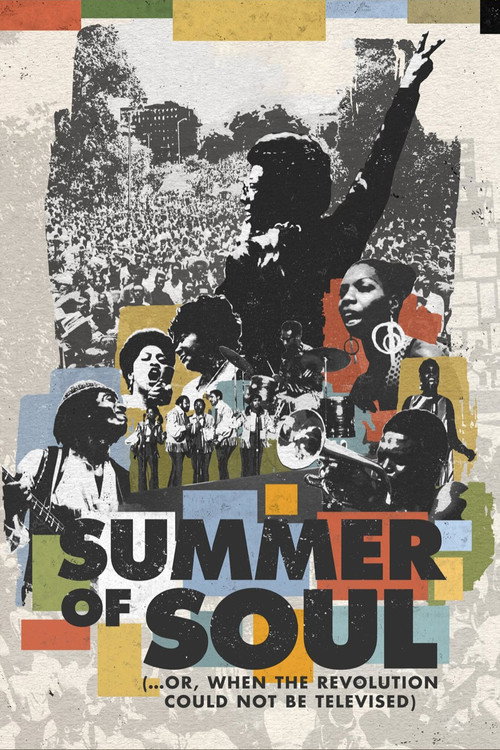
Summer of Soul (...Or, When the Revolution Could Not Be Televised)2021
Rediscovered footage of the 1969 Harlem Cultural Festival, showing Black music and joy in full command. Documents a moment of radical cultural confidence that got buried for fifty years.
But Focuses on one festival in one summer, so it's less about long historical threads than Rumble. Shorter runtime means less room for deep biographical diving.
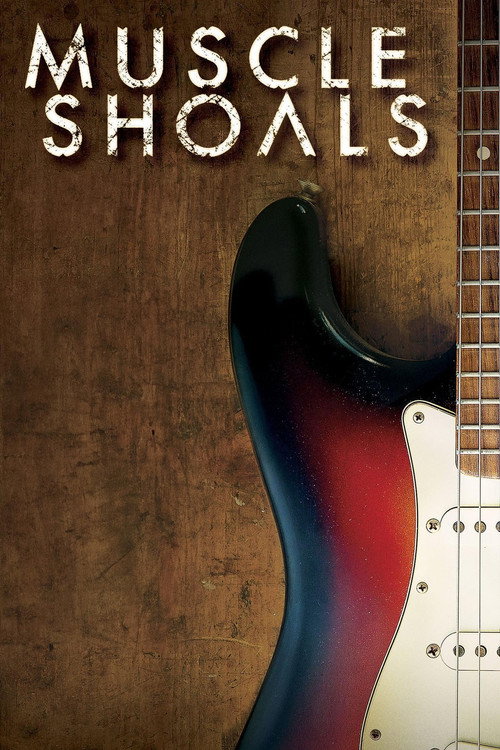
Muscle Shoals2013
A small Alabama recording studio that became the birthplace of countless hits across R&B, rock, and soul. Explores how place, community, and studio wizardry shaped American music.
But More narrowly focused on a single location and its house musicians than Rumble's broader scope. If you want bigger picture history, this is more intimate and local.
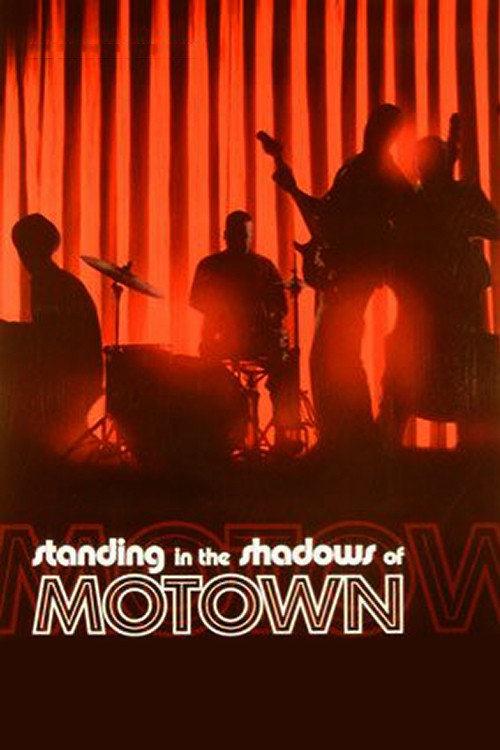
Standing in the Shadows of Motown2002
The story of James Jamerson and the Motown studio musicians whose bass lines and arrangements made the label's sound. Another invisibility story—the backbone no one saw.
But Even more niche than Muscle Shoals, and the production is dated. Really specific audience, and the scope is very tight.
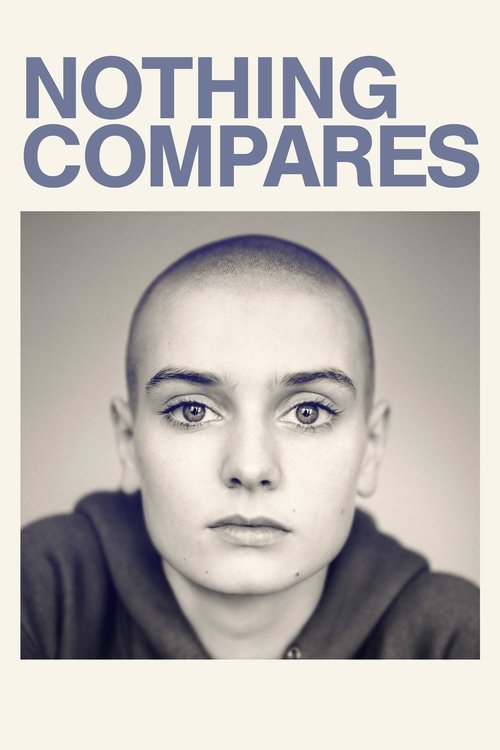
Nothing Compares2022
Both are about artists whose gifts were genuine and whose power threatened something. Both show what erasure and hostility do to brilliant people over time.
A biography of an Irish singer who refused to fit the mold imposed on her, who fought institutions openly and paid for it. Like the artists in Rumble, O'Connor was brilliant, uncompromising, and systematically punished for it.
But Painful to watch in places—it's about artistic brilliance coupled with real suffering and institutional cruelty. Heavier and sadder than Rumble, less celebratory, more elegiac.
People
Cast
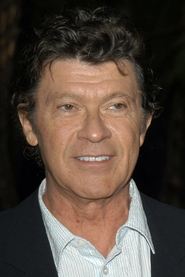 Robbie RobertsonSelf
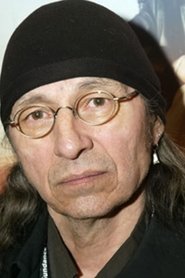 John TrudellSelf
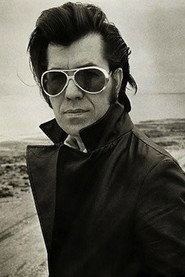 Link WraySelf
- Taj MahalSelf
 Martin ScorseseSelf
 Tony BennettSelf
 Steven TylerSelf
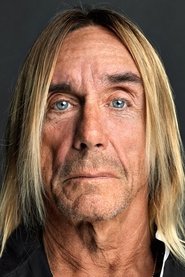 Iggy PopSelf
- Pura Fe (Ulali)Self
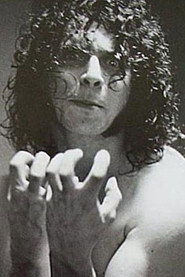 Wayne KramerSelf
Directing
- Alfonso MaioranaDirector
- Catherine BainbridgeDirector
Writing
- Alfonso MaioranaWriter
- Catherine BainbridgeWriter
Production
- Ernest WebbExecutive Producer
- Stevie SalasExecutive Producer
- Christina FonProducer
- Claire MackinnonProducer
- Jake KentProducer
- Lisa M. RothProducer