
Television series
Five Came Back
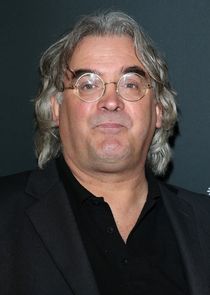
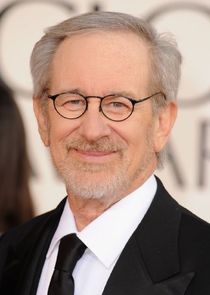
Five Came Back is a three-part Netflix documentary in which Coppola, del Toro, Greengrass, Kasdan and Spielberg each narrate the wartime career of one classic Hollywood director — Capra, Ford, Huston, Stevens, Wyler — who traded soundstages for combat zones. It's a meditation on propaganda, trauma and what filming atrocity does to the person holding the camera.
If you liked this
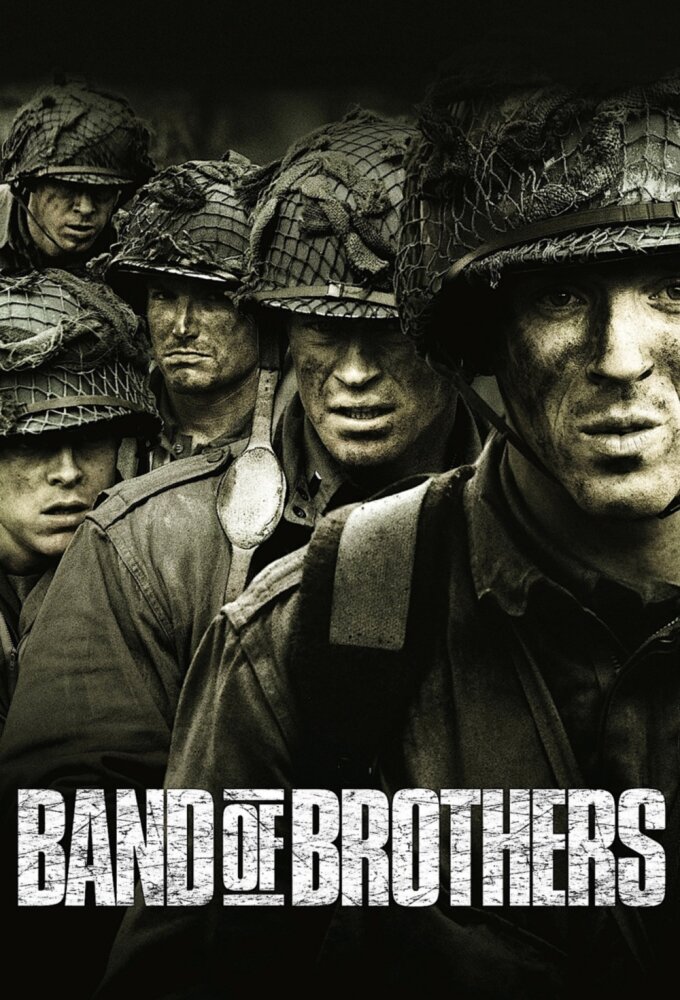
Band of Brothers2001
Spielberg's fingerprints are all over this — the same instinct to find individual faces inside mass slaughter that Five Came Back diagnoses in Ford and Stevens, but with a decade's more budget and no wartime censor.
But Ten hours of unrelenting combat grief is a real commitment, and it never lets up for a breather.
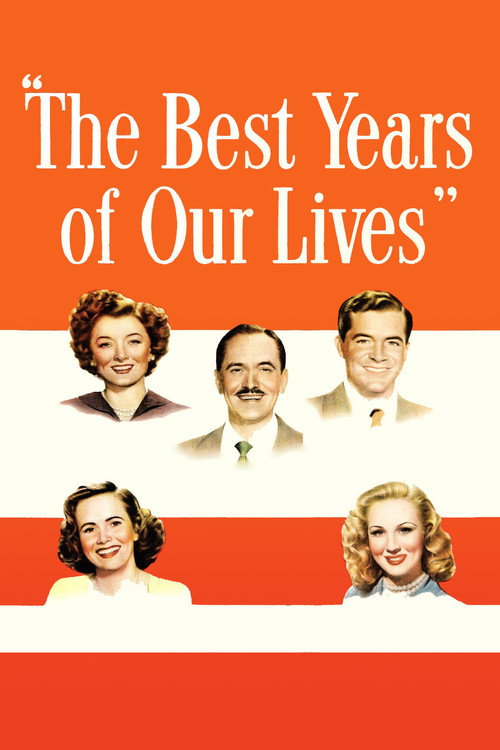
The Best Years of Our Lives1946
William Wyler made this straight after the war he'd just filmed, and it shows — three veterans limping home to a country that doesn't quite know what to do with them.
But Three hours, black and white, and deliberately unglamorous — this is about as far from a modern blockbuster as war cinema gets.
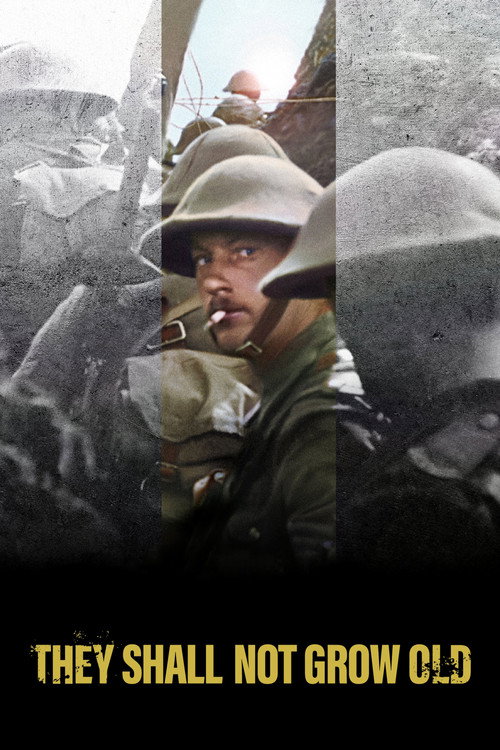
They Shall Not Grow Old2018
Peter Jackson colourised and restored WWI footage until the soldiers look like they could walk into the room — a technical miracle that does exactly what Five Came Back's directors were trying to do: make war feel present tense.
But The uncanny colourisation can feel a little eerie, and there's no real narrative arc, just testimony and image.
The wildcard
Something you would not have found on your own.
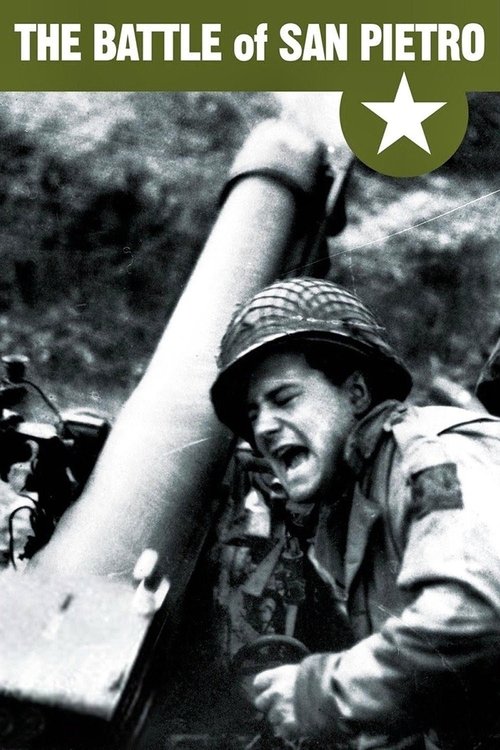
The Battle of San Pietro1945
It's the primary source itself — watch the actual film discussed at length in Five Came Back and judge for yourself what got mythologized in the retelling.
This is literally one of the films Five Came Back is about — John Huston's own 32-minute combat documentary, part real footage, part staged, that the Army nearly suppressed for looking too much like defeat.
But It's rough, propagandistic, and obviously compromised — exactly the messy artifact the tidy retrospective smooths over.
More like this (8)
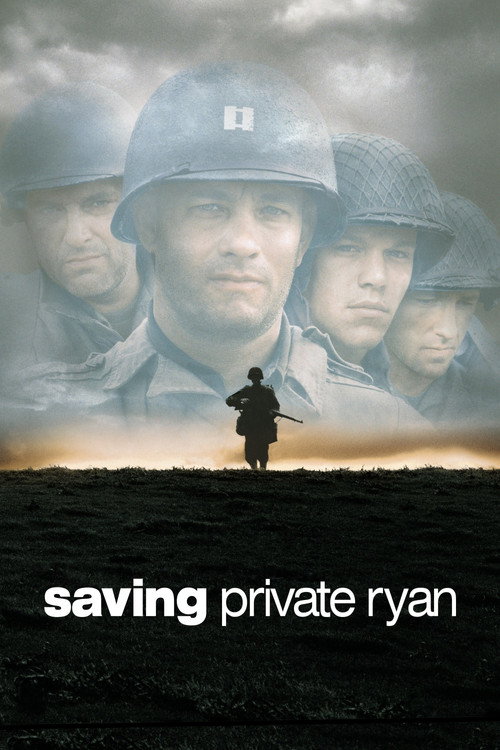
Saving Private Ryan1998
Spielberg turning the documentary instincts he discusses in Five Came Back into the most viscerally convincing combat filmmaking Hollywood has ever managed to put on screen.
But The opening twenty minutes are genuinely traumatic to watch, by design, and some viewers never quite recover from them.
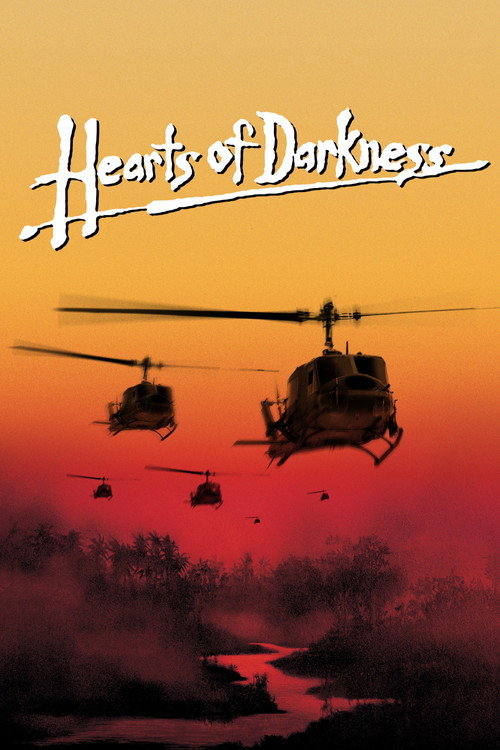
Hearts of Darkness: A Filmmaker's Apocalypse1991
A different war, a different decade, but the same question Five Came Back keeps asking: what happens to a director's sanity when the shoot becomes as chaotic as the conflict it's depicting.
But You'll really want to have seen Apocalypse Now first, or half the fascination is lost on you.
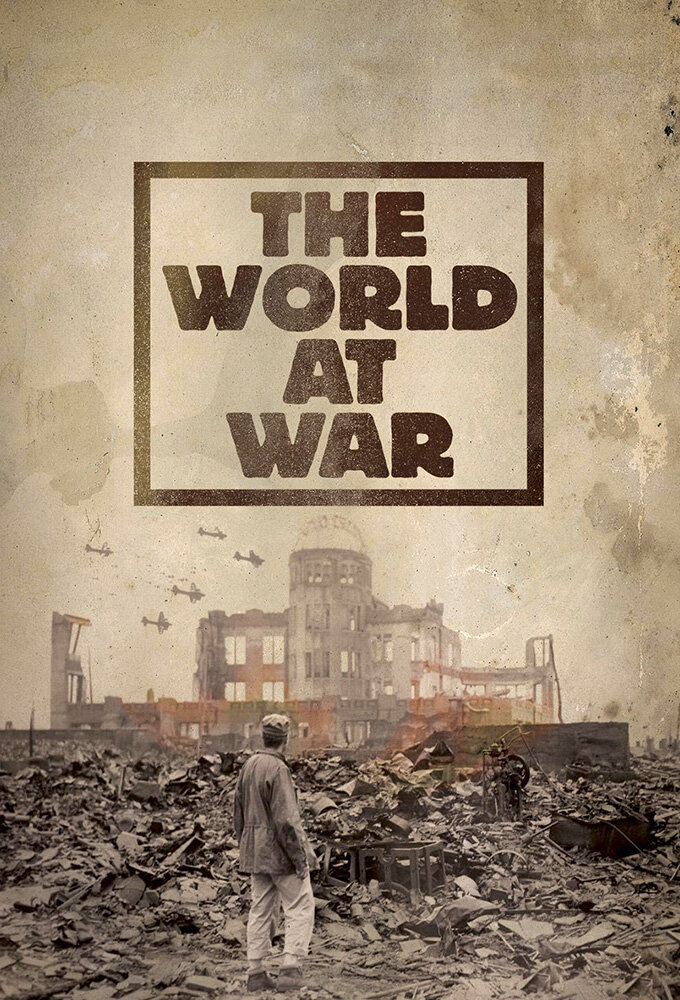
The World at War1973
The gold standard of WWII documentary television, built from the same archival footage some of these Hollywood directors helped shoot, narrated with a gravity nothing since has matched.
But Twenty-six episodes is a serious undertaking, and the pace is stately even by patient modern standards.
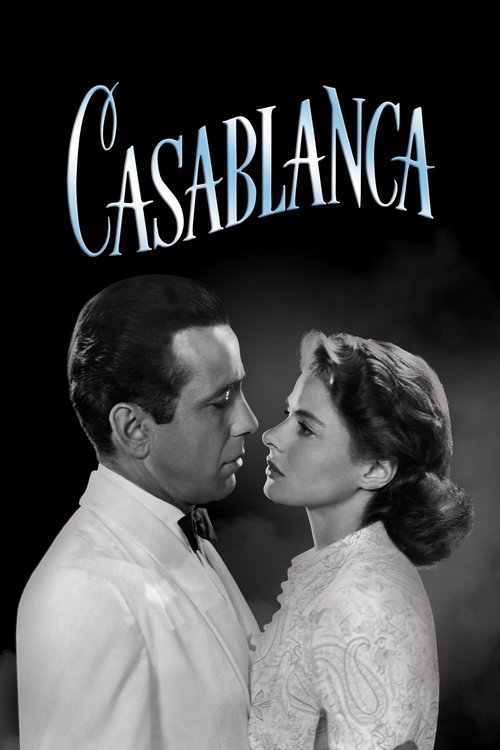
Casablanca1943
Made and released while the war was still being fought, with no idea how it would end — the propaganda instinct Five Came Back examines, but wrapped in the most quotable romance Hollywood ever produced.
But It's pure studio artifice next to the muddy realism the directors in Five Came Back were shooting overseas.
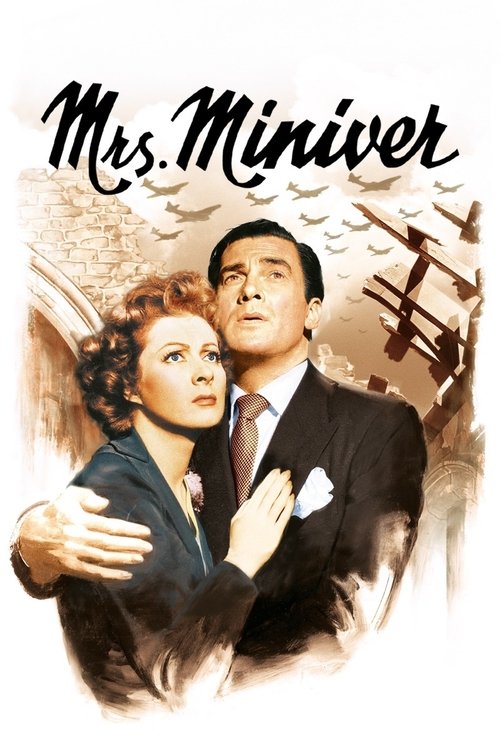
Mrs. Miniver1942
William Wyler's own wartime propaganda picture, made for the home front before he ever picked up a combat camera — useful, almost eerie, to watch beside the man's later footage of actual battle.
But Its stiff-upper-lip Englishness and overt message-mongering feel very much of their particular wartime moment now.
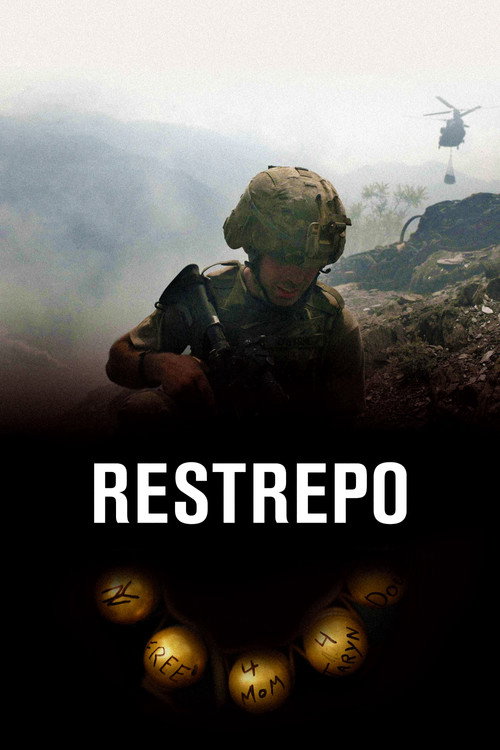
Restrepo2010
No narration, no argument, just a platoon in Afghanistan's Korengal Valley filmed by journalists embedded alongside them — the same close-quarters instinct toward direct witness that occasionally got wartime footage confiscated by the Army back in 1944.
But It's bleak and formless by design, offering no resolution, no moral takeaway, and no easy comfort.
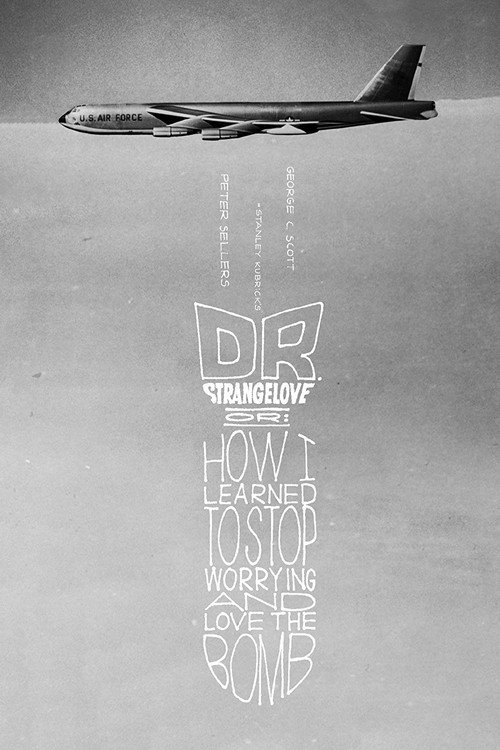
Dr. Strangelove or: How I Learned to Stop Worrying and Love the Bomb1964
Five Came Back treats the institutional war machine with gravity; Strangelove is the same machine viewed as absurdist theatre, a tonal about-face on nearly identical subject matter.
Same machinery — military bureaucracy, propaganda, men behind cameras and consoles trying to control an uncontrollable war — but played as pitch-black farce instead of solemn tribute.
But If you want your WWII viewing straight-faced and reverent, a comedy about nuclear annihilation is the wrong mood entirely.
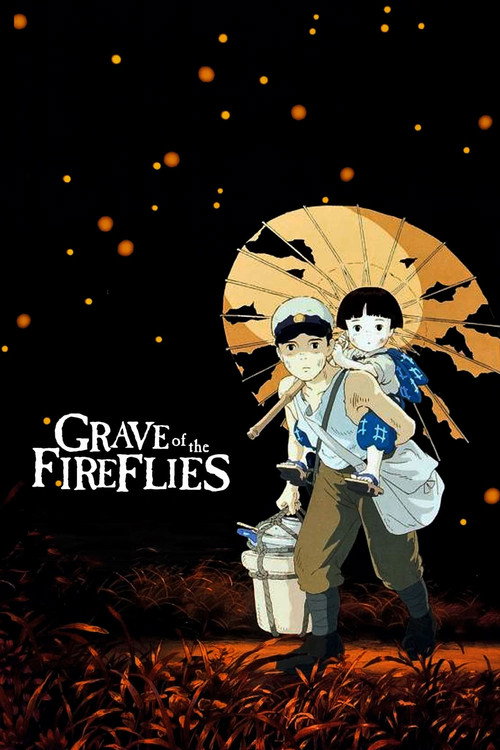
Grave of the Fireflies1988
Five Came Back is about how Hollywood's cameras framed WWII for American audiences; this flips the perspective entirely — enemy civilians, animated medium, zero propaganda comfort.
An animated Japanese film following two siblings surviving the firebombing of Kobe — the war Five Came Back's directors filmed from the other side, and without a shred of the heroism.
But It is devastating, deliberately so, and offers none of the redemptive arc American war narratives usually supply.
People
Cast
 Meryl StreepNarrator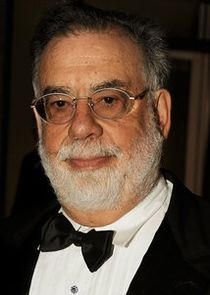


Production
- Will ZnidaricAssociate Producer
- Diane BeckerCo-Producer
- Adam Del DeoExecutive Producer
- Angus WallExecutive Producer
- Barry DillerExecutive Producer
- Ben CotnerExecutive Producer
- Darryl FrankExecutive Producer
- Eli BushExecutive Producer
- Jason SackExecutive Producer
- Jason StermanExecutive Producer
- Justin FalveyExecutive Producer
- Linda CarlsonExecutive Producer
- Lisa NishimuraExecutive Producer
- Scott RudinExecutive Producer
- Steven SpielbergExecutive Producer
- John BattsekProducer
- Laurent BouzereauProducer
Recommended by
Yankee Doodle Dandy, War and Peace of Mind, This Is the Army