
Film
London Can Take It!
A nine-minute propaganda documentary from 1940 capturing London under bombardment during the Blitz. Made for American audiences, it's a portrait of civilian defiance narrated by war correspondent Quentin Reynolds—stirring, earnest, and deeply of its moment. Essential for understanding how a nation at war spoke to itself and others.
If you liked this
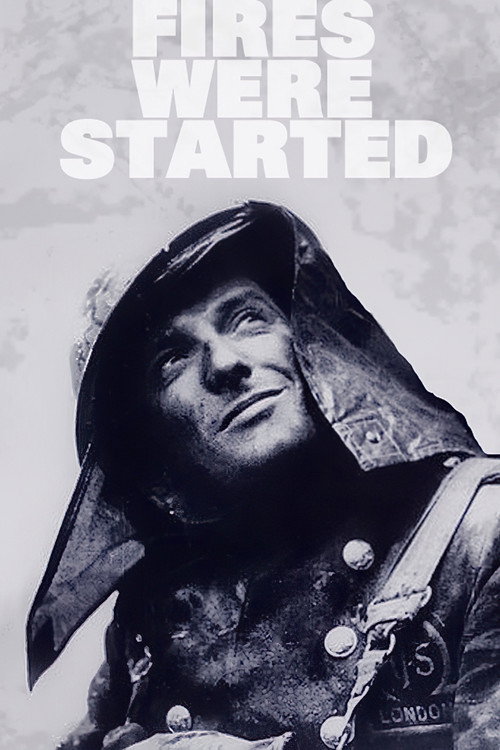
Fires Were Started1943
Humphrey Jennings's masterpiece of the London Blitz, following firefighters through a single night of raids. Visual poetry about ordinary people under extraordinary pressure, made by the same documentary unit that produced London Can Take It!
But Shot in black and white with non-professional actors, the pacing is deliberately slow and contemplative rather than dramatic or fast-moving.
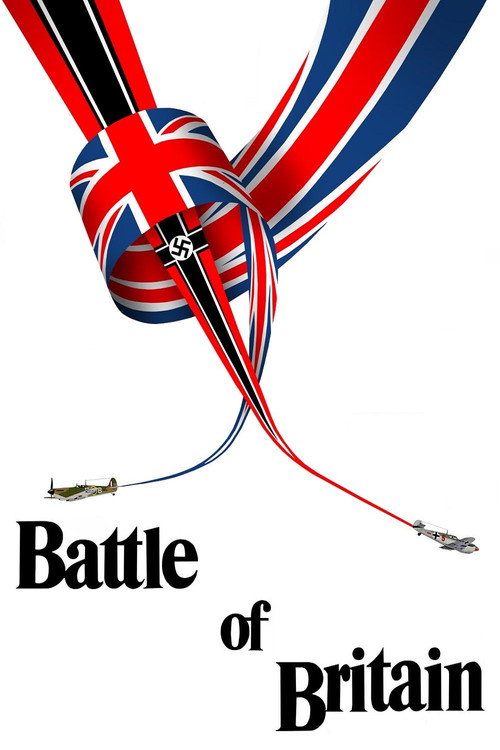
Battle of Britain1969
An all-star recreation of the aerial campaign that preceded the Blitz, with genuine period aircraft and a sweeping score. Captures the scale of the threat and the stakes that made London's survival matter so much.
But Nearly three hours long and occasionally melodramatic in the way 1960s epics were, with plotting that prioritizes spectacle over character depth.
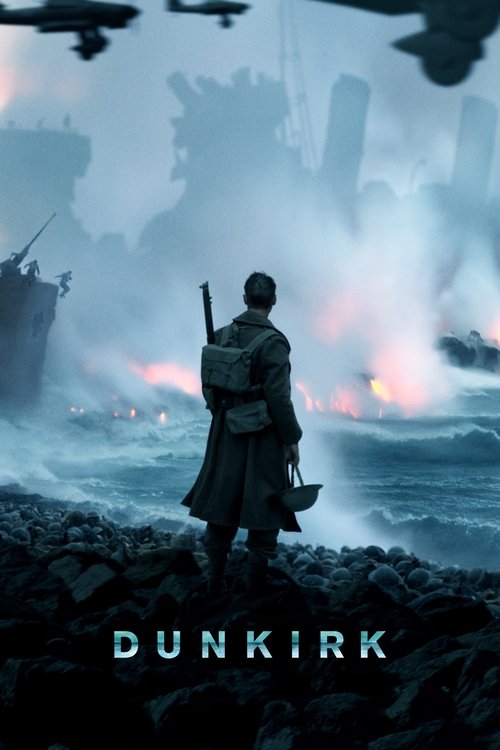
Dunkirk2017
Nolan's visceral account of the evacuation that left Britain alone and vulnerable—the event that gives the Blitz its context and terror. Immersive sound design and interlocking timelines create genuine dread.
But The narrative is deliberately fragmented and the dialogue often inaudible, which some find more exhausting than involving.
Not sure tonight? Get a pick in a minute, starting from London Can Take It!
The wildcard
Something you would not have found on your own.
Night and Fog1956
Both are short documentary essays made in the immediate aftermath of European total war, wrestling with how to represent civilian experience and national survival. London Can Take It! celebrates resilience; Resnais asks what price civilization pays for it.
Alain Resnais's shattering 32-minute documentary about the Holocaust, using camp footage and present-day imagery to confront what total war and total mobilization can become. A direct moral reckoning that moves beyond national pride into human guilt.
But It is extremely difficult to watch—designed to be, in fact. The juxtaposition of beautiful colour photography with atrocity footage is intentionally destabilizing.
More like this (8)
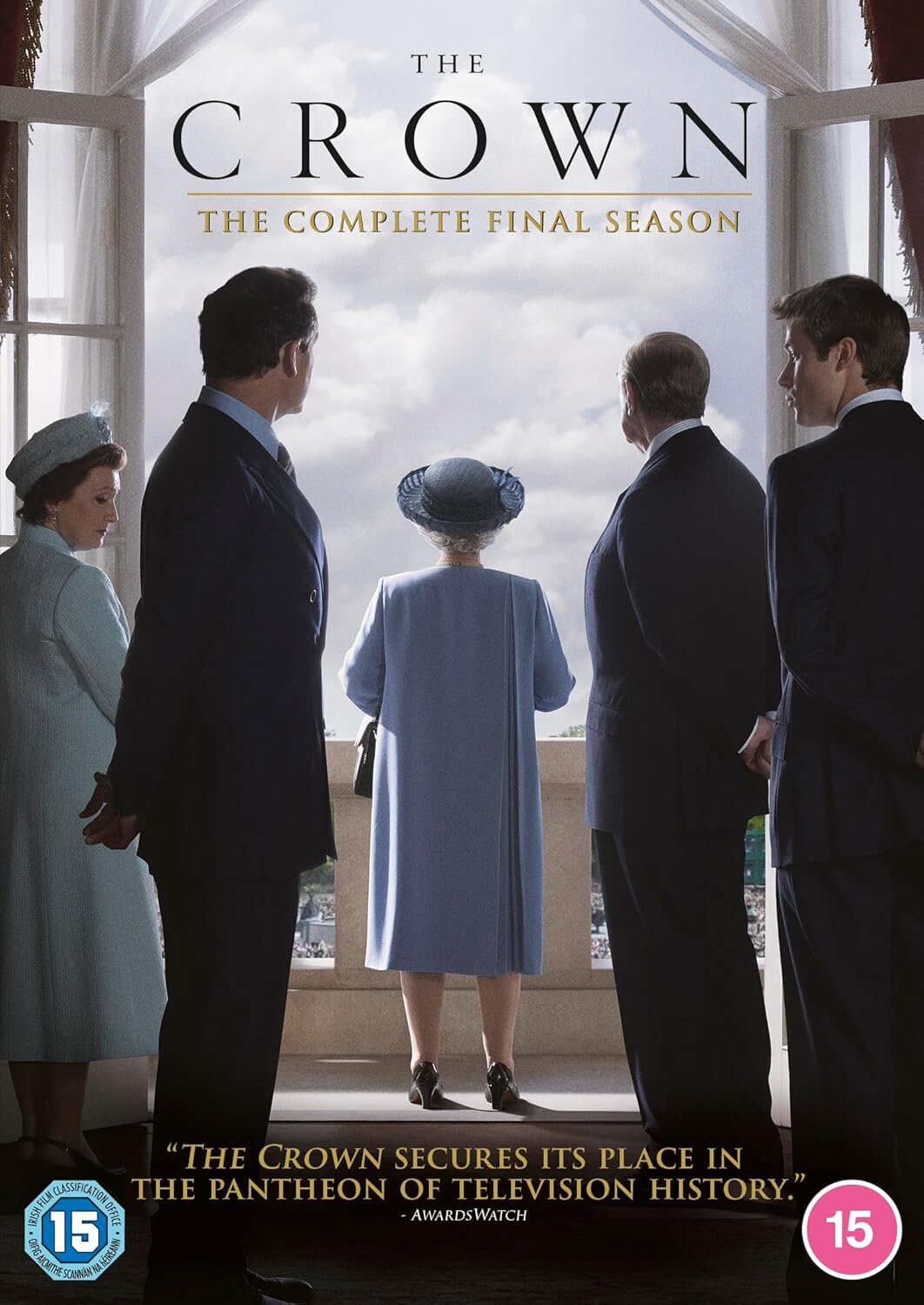
The Crown2016
Season two includes the Blitz and the young royal family's experience of it, offering a different angle on the same moment. Lavishly produced and a useful counterpoint to working-class accounts.
But It's a drama, not a document—scenes are invented, and the emotional beats sometimes override historical accuracy for narrative satisfaction.
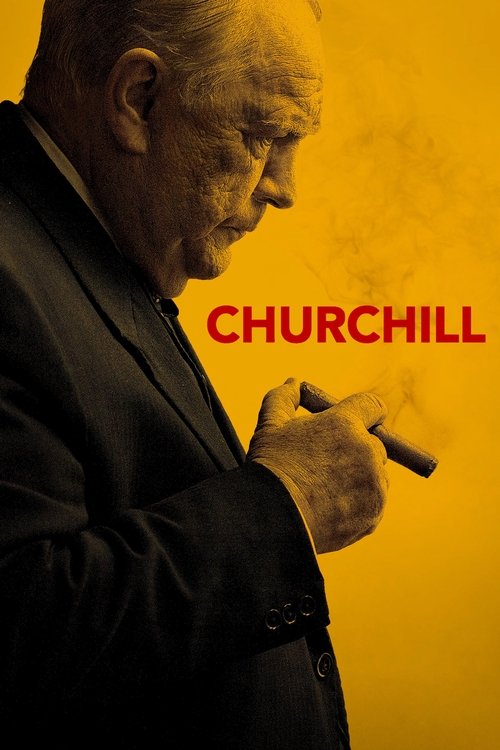
Churchill2017
A character study of Churchill during the darkest hours, with Gary Oldman delivering a magnetic performance. Explores the loneliness of leadership and the weight of decisions made in the dark.
But The film is more intimate drama than sweeping history, and some find the interior focus claustrophobic rather than illuminating.
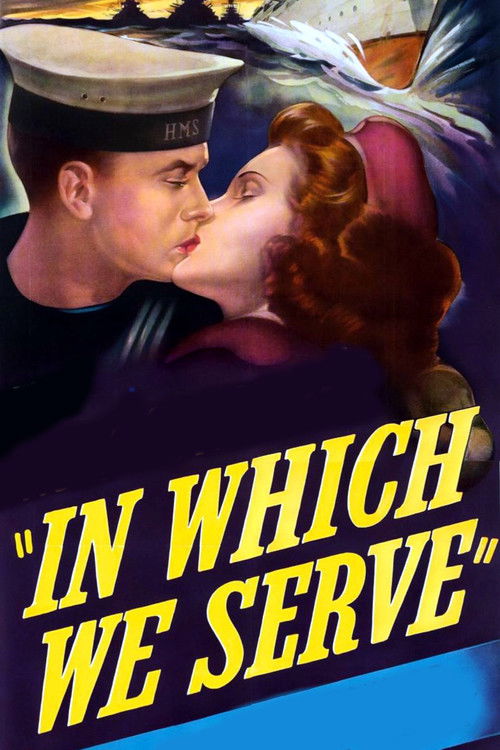
In Which We Serve1942
Coward and Lean's wartime morale-booster about a British naval destroyer and its crew. Made during the war, it captures how the British imagined their own sacrifice—propagandistic but genuinely moving.
But The propaganda intent is transparent and the sentiment can feel overwrought to modern eyes, especially the naval sequences that drag at times.
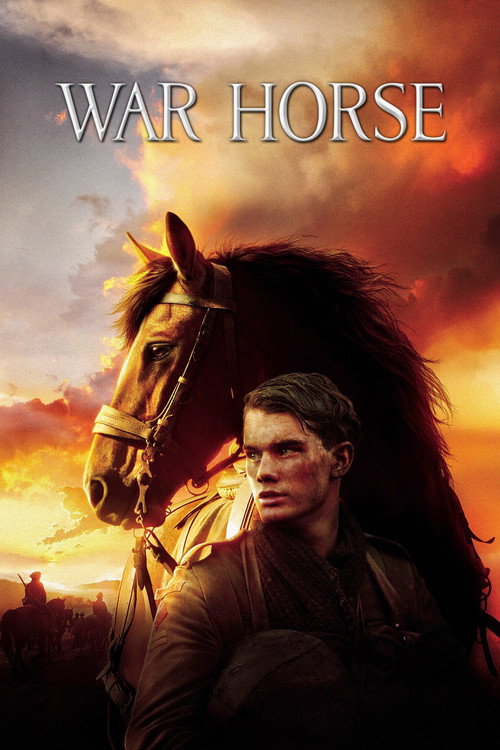
War Horse2011
Spielberg's epic about a boy and his horse across the First World War and into occupied Belgium. A clear emotional through-line and visceral battle sequences that show why the generation that fought the Blitz had already been scarred by war.
But The emotional manipulation is heavy-handed and the film's scope sometimes overwhelms the intimate story at its core.
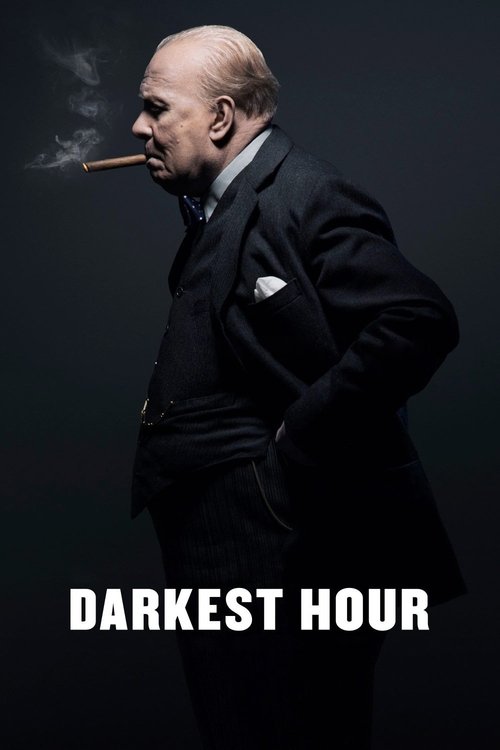
Darkest Hour2017
Gary Oldman as Churchill in his first month as PM, finding the resolve to keep fighting when surrender seemed rational. A political thriller as much as a war film, tense and character-driven.
But Oldman's performance, while stunning, sometimes dominates the room—his Churchill can overshadow the historical moment it's trying to illuminate.
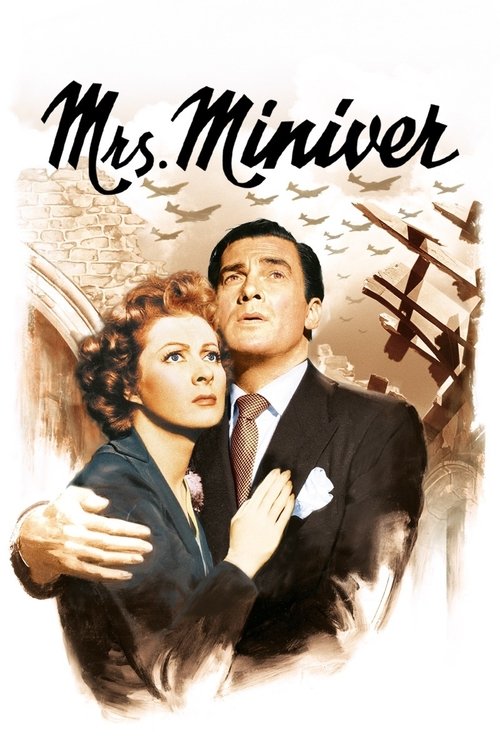
Mrs. Miniver1942
An American film about a British family enduring the early war years, made to rally American sympathy for Britain. The climactic church scene is propaganda, but it works because the characters feel real before the moment arrives.
But The film is transparently designed to move American voters and occasionally tips into sentimentality; the pacing is stately by modern standards.
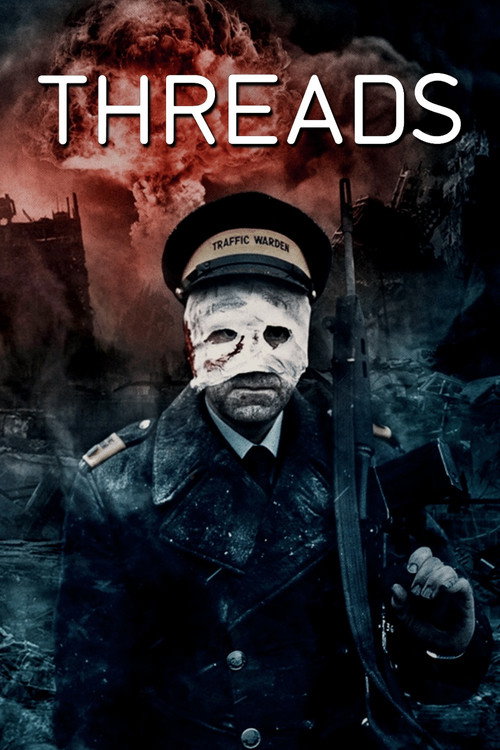
Threads1984
Both are British films addressing attack on the homeland and civilian vulnerability, but Threads strips away the defiance and courage narrative to ask what actually happens to bodies and minds when infrastructure collapses.
A British docudrama about nuclear war arriving without warning in Sheffield. Shot like a documentary, it applies the same unsentimental gaze London Can Take It! turns on the Blitz to the nightmare of the Cold War.
But It is relentlessly bleak and ends with no consolation. The famous scene of firestorm and the aftermath are traumatic and not cathartic.
The Act of Killing2012
Both use documentary form to explore how nations and individuals tell stories about violence and trauma, but Killing inverts London Can Take It!'s premise entirely: instead of the courageous civilian, we see the perpetrator confident in his own mythology.
A documentary where Indonesian death squad leaders recreate their own mass murders for the camera, speaking openly about genocide. A profound meditation on memory, propaganda, and how perpetrators tell their own stories.
But It asks you to sit with killers as they rationalize atrocity; watching can feel complicit, and the film does not resolve that discomfort.

People
Cast
 Quentin ReynoldsSelf - Commentator: War Correspondent, Collier's Weekly (voice)
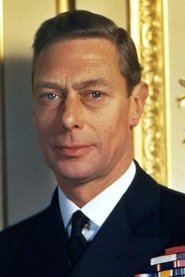 King George VI of the United KingdomSelf - with Bombed Londoners (uncredited)
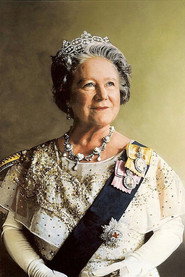 Queen Elizabeth the Queen MotherSelf - with Bombed Londoners (uncredited)
Directing
- Jack LeeAssistant Director
- Pat JacksonAssistant Director
- Ralph EltonAssistant Director
- Budge CooperContinuity
- Harry WattDirector
- Humphrey JenningsDirector
Writing
- Quentin ReynoldsWriter
Production
- Basil WrightAssociate Producer
- Alfred Duff-CooperProducer