
Film
Magnum Force
The second Dirty Harry film pivots from lone-wolf vigilantism to institutional corruption. When rogue cops start executing criminals outside the law, Harry must stop them—even as he sympathizes with their methods. It's a thriller that actually thinks, wrapped in 70s muscle and style, and Eastwood plays a man caught between justice and vengeance with rare nuance.
Should you watch it?
Watch it if you like lean, cynical crime thrillers where a lone cop's moral certainty gets tested against a city's police culture, and you don't mind your hero being hard to like.
Skip it if you tire of a grim, single-minded hero, since the film is built on blunt action set pieces rather than mystery or subtlety.
What it asks of you: Roughly two hours, brisk in its shootouts but unhurried between them, with a hard, humorless tone that rarely lets up for a laugh.
Not sure? Find tonight's pick in a minute.
If you liked this
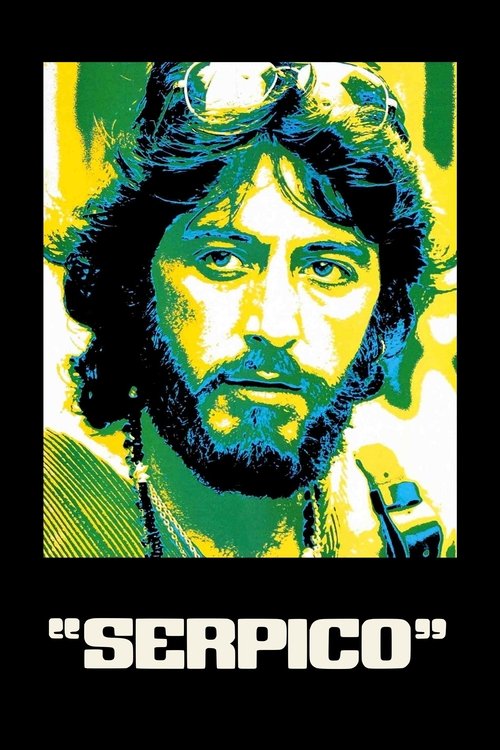
Serpico1973
A contemporary meditation on police corruption and moral compromise. Al Pacino's honest cop navigates institutional rot from within, facing the same question as Harry: how do you stay clean in a dirty system?
But It's more introspective than action-driven, and the pacing is deliberately slow. If you want constant momentum, you'll find stretches that drag.
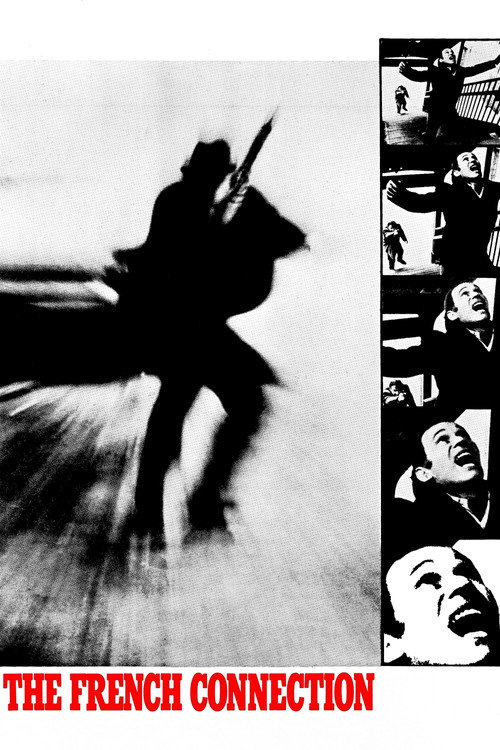
The French Connection1971
The template for intelligent cop thrillers—a gritty, procedural hunt that trusts its audience. Gene Hackman's performance has the same explosive charisma Eastwood brings, and the car chase is genuine cinema.
But Slower than you'd expect from its reputation. The climax is ambiguous and somewhat anticlimactic if you want heroic resolution.
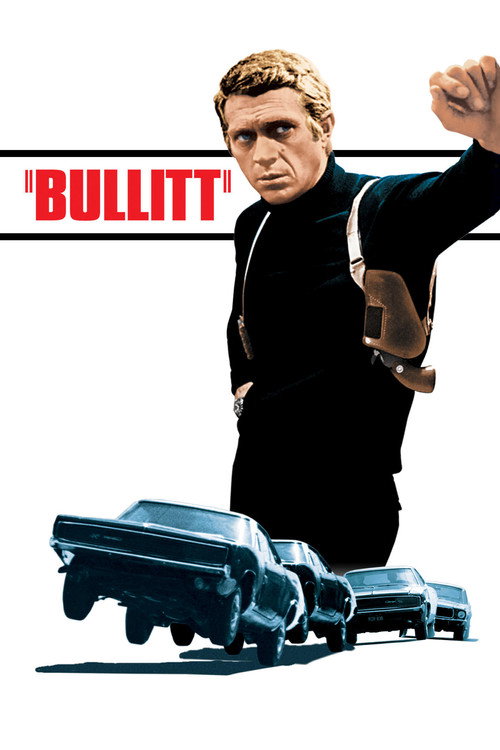
Bullitt1968
Steve McQueen as a detective pursuing truth through a corrupt system. The famous car chase is thrilling, but it's the quiet moments—McQueen thinking, doubting—that make it transcend action formula.
But Nearly 60 years old now, and the pacing reflects that era. Modern action movies are faster and louder.
Not sure tonight? Get a pick in a minute, starting from Magnum Force
The wildcard
Something you would not have found on your own.
Saw2004
Both films ask whether taking justice into your own hands is heroism or fascism, but Jigsaw answers differently—it refuses to let you off easy. It's the conversation Magnum Force started, taken to its worst logical conclusion.
A Swedish film where a detective hunts a vigilante who executes criminals the justice system freed. It's Magnum Force inverted and weaponized—the vigilante is the protagonist, and you're meant to sympathize. Brutal, philosophically serious, and genuinely disturbing.
But Extremely graphic violence and a bleak worldview that doesn't relent. It's a dark exploration without moral comfort, and the tone is punishing.
More like this (8)
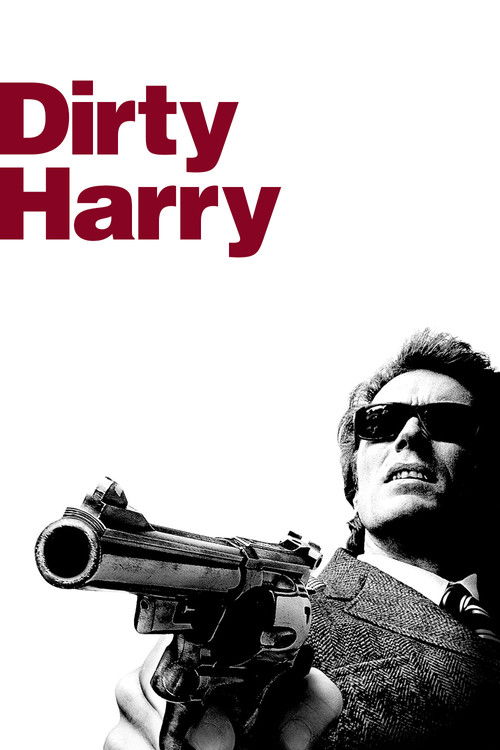
Dirty Harry1971
The first Dirty Harry is essential viewing: Harry as lone wolf against a broken system, famous for its moral ambiguity. You need this to fully understand what Magnum Force is arguing against.
But It's the original, so it feels less fresh. If you've absorbed its influence through decades of cop films, it might feel familiar.
The Killing1956
Kubrick's heist film about cops and criminals bleeding into each other. The non-linear structure and moral murk—everyone's compromised—echo Magnum Force's real theme.
But Shot in black-and-white, 1950s pacing, heavy on dialogue. It's a thinking film, not a visceral one.

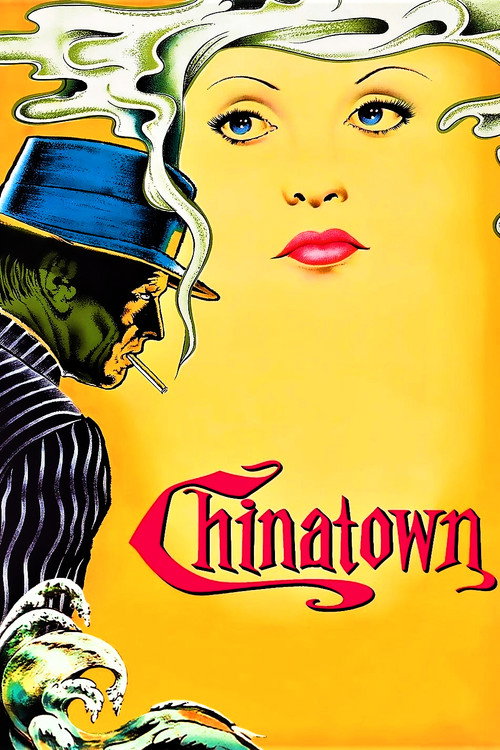
Chinatown1974
The greatest neo-noir ever made. Corruption so deep that individual heroism becomes futile—Jack Nicholson's detective can't win, and the film knows it. Thematically it's Magnum Force's dark mirror.
But Bleak and despairing, with a sexual violence subplot that's disturbing. It doesn't offer catharsis.
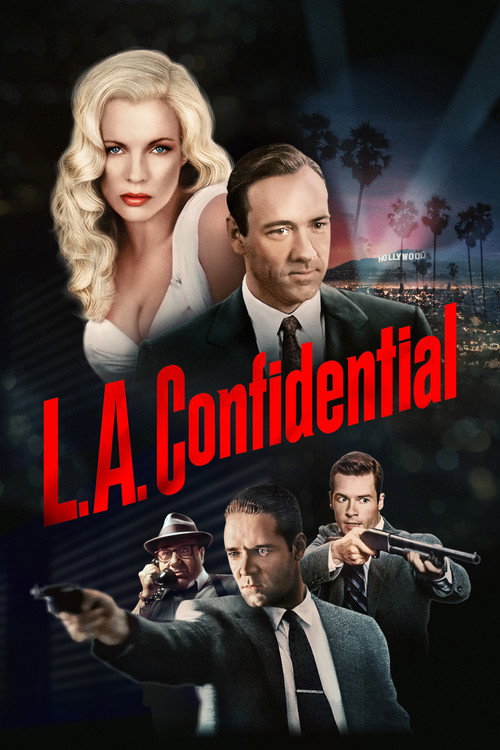
L.A. Confidential1997
Cops and corruption in 1950s LA, with a screenplay that sparkles. It has Magnum Force's central question—how far will you go?—wrapped in noir style and perfect casting.
But Nearly 30 years old now, which makes it feel like a period piece twice over. The violence is sharp but not gratuitous.
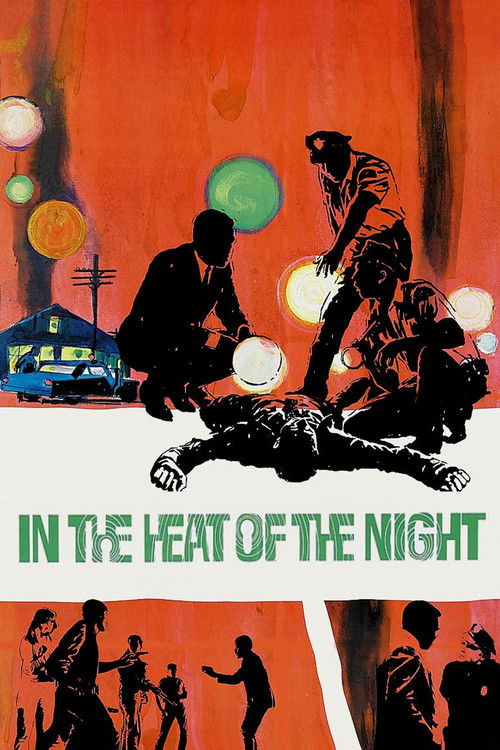
In the Heat of the Night1967
Sidney Poitier and Rod Steiger as a Black detective and White sheriff in the segregated South. It's about justice in a rigged system, and the tension comes from ideas, not just action.
But The social commentary is direct and, by modern standards, somewhat didactic. It can feel like a message rather than a story.
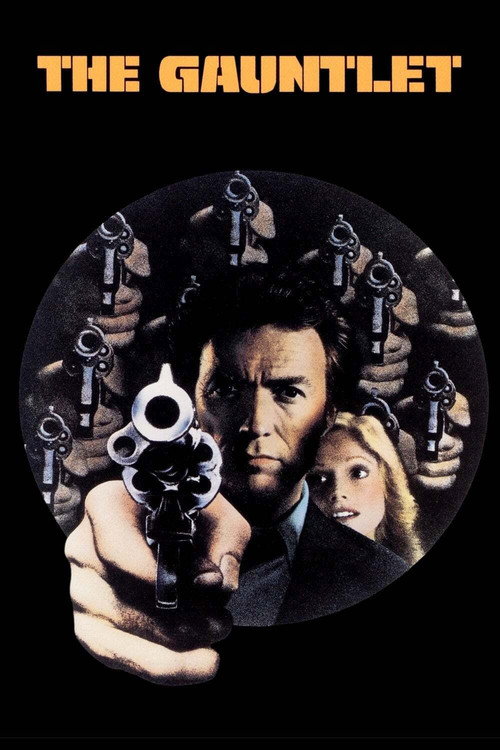
The Gauntlet1977
Clint Eastwood again, this time as a cop protecting a witness through institutional betrayal. The paranoia and the siege mentality match Magnum Force's atmosphere, and it's pure genre fun.
But It's more straightforward action-thriller than Magnum Force's moral complexity. Sometimes it trades thinking for spectacle.
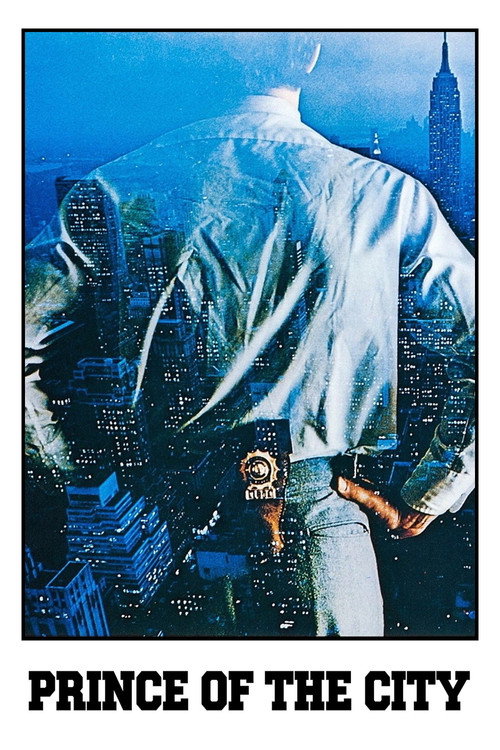
Prince of the City1981
Both films understand that institutional corruption is more dangerous than individual villainy, but Prince of the City is willing to stay in the moral quicksand for two full hours longer than you'd expect. It's what Magnum Force would look like if it refused easy answers.
A four-hour Sidney Lumet epic about a detective informing on corrupt cops, starring Treat Williams. It's a moral labyrinth—nobody's clean, everybody has reasons, and the protagonist sacrifices everything and gains nothing. It's Magnum Force stretched across an entire moral collapse.
But Four hours is a serious commitment, and it's a talky film about bureaucracy and betrayal. There's no action spectacle to break the philosophical heaviness. It requires patience and attention.
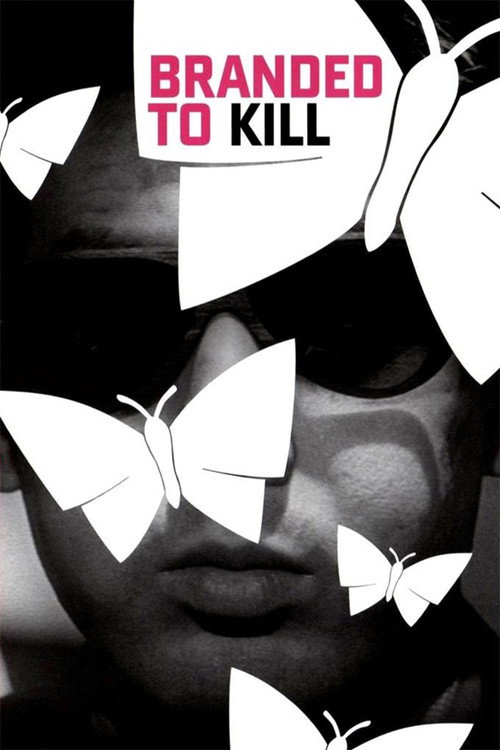
Branded to Kill1967
Where Magnum Force asks if the law can be trusted, Branded to Kill asks if the code between men means anything. It's the same moral universe, but filtered through 1960s Japan and rendered in pure cinema rather than dialogue. It's what Dirty Harry would look like if he operated in the yakuza instead of the SFPD.
A Japanese pulp thriller where a yakuza assassin faces betrayal from within his own criminal organization. It's pure style—visceral, surreal, absolutely strange—but it shares Magnum Force's preoccupation with loyalty and the code that binds men who operate outside the law.
But It's in Japanese with subtitles, and it's formally bizarre—edited like a fever dream, almost incoherent. If you want plot clarity, you'll struggle. It's more mood and image than narrative.
People
Cast
 Clint EastwoodInsp. Harry Callahan
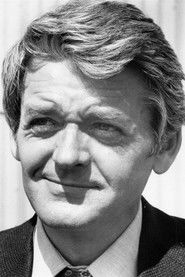 Hal HolbrookLieutenant Briggs
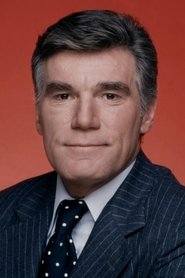 Mitchell RyanOfficer Charlie McCoy
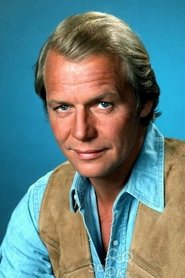 David SoulOfficer John Davis
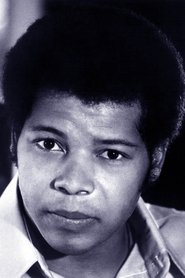 Felton PerryInsp. Early Smith
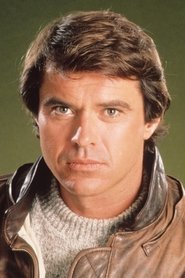 Robert UrichOfficer Mike Grimes
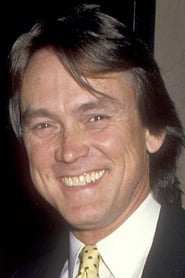 Kip NivenOfficer Alan "Red" Astrachan
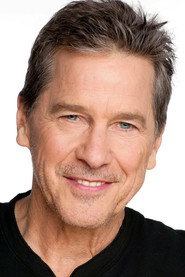 Tim MathesonOfficer Phil Sweet
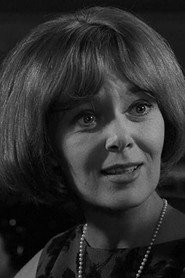 Christine WhiteCarol McCoy
 Adele YoshiokaSunny
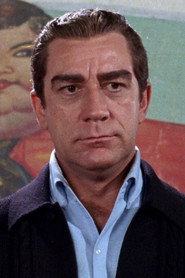 Richard DevonCarmine Ricca
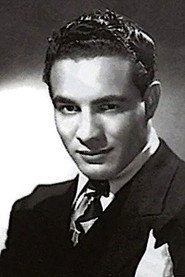 Tony GiorgioFrank Palancio
Directing
- Ted PostDirector
- Hope McLachlinScript Supervisor
Writing
- John MiliusScreenplay
- Michael CiminoScreenplay
- Terrence MalickStory
Production
- Nessa HyamsCasting
- Robert DaleyProducer