
Film
Intruder in the Dust
Adapted from Faulkner, this is less courtroom drama than slow-burn thriller: a Mississippi town waiting to see whether it will lynch an innocent man before the facts can save him. Shot on real Oxford locations with a largely non-professional cast, it trades melodrama for procedure and dread, letting silence and landscape do the moral work. Watch it for its patience, not its punches.
If you liked this
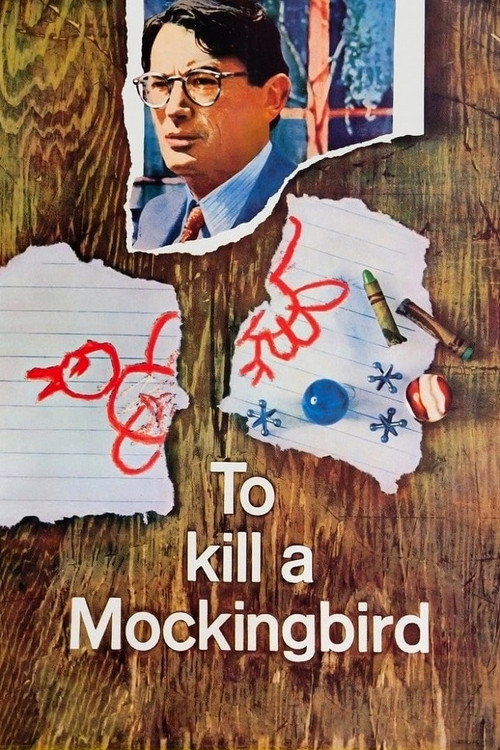
To Kill a Mockingbird1962
The genre's most beloved entry: a Southern lawyer defends a wrongly accused Black man against a town's prejudice, seen through a child's eyes. Gregory Peck's quiet moral authority set the template every courtroom drama since has measured itself against.
But More sentimental and child-centred than Intruder, and its gentler nostalgia can soften the anger the story is really about.
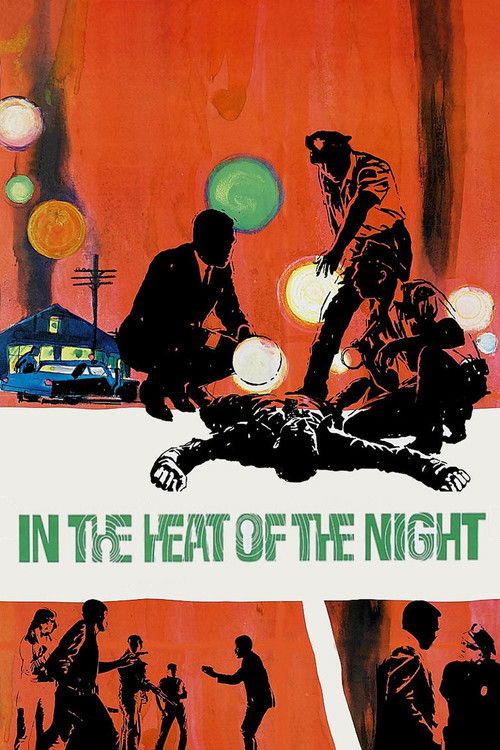
In the Heat of the Night1967
Sidney Poitier's Black detective is trapped in a hostile Mississippi town investigating a murder, and racial contempt itself becomes the case's real obstacle. Tense, sweaty, and still sharp decades on.
But The murder plot is fairly conventional; it's the friction between Poitier and Steiger that really carries the film.
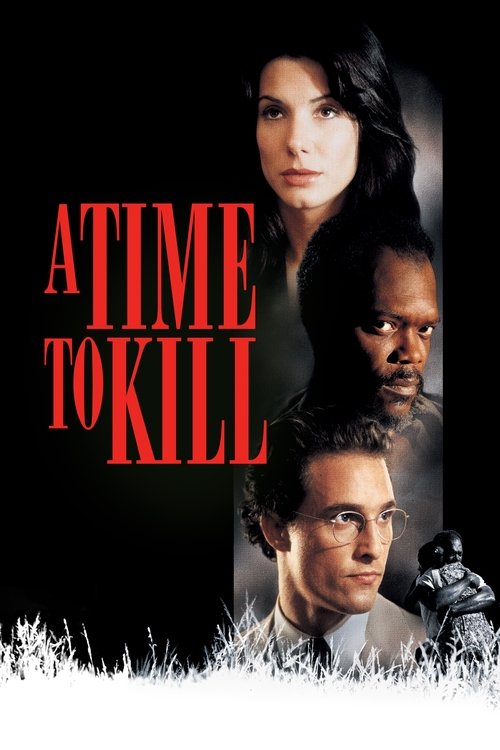
A Time to Kill1996
John Grisham's pulpier take on the same Mississippi courtroom nightmare: a father on trial for killing his daughter's attackers, with a young lawyer caught between the law and a town's fury. Big and unashamedly emotional.
But Leans hard into melodrama and Hollywood gloss where Intruder stays cold and procedural — a very different temperature.
The wildcard
Something you would not have found on your own.
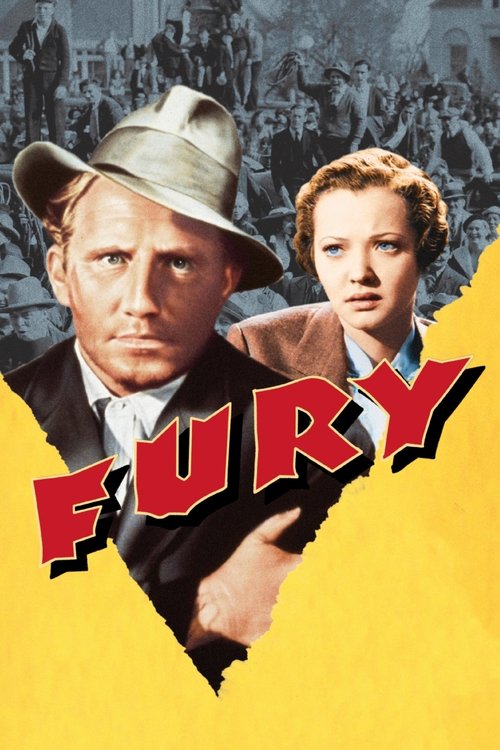
Fury1936
Both films run on the same engine: an innocent man in a small-town jail, and a crowd deciding to skip the trial. Lang got there first, and removing race exposes how manufactured — and universal — mob 'justice' really is.
Fritz Lang's furious thriller about a mob that decides a man's guilt before any trial happens — made over a decade before Intruder, with the same dread of a town turning feral, shot with pure visual nerve.
But The accused man here is white, which strips away the specific racial charge that makes Intruder so pointed.
More like this (8)
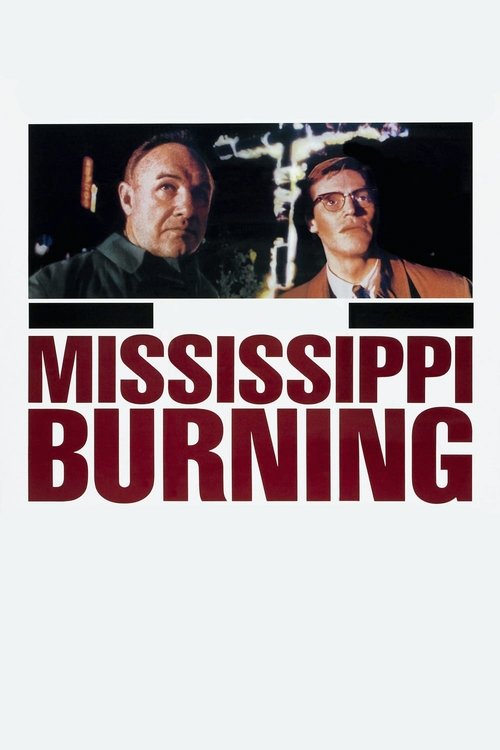
Mississippi Burning1988
FBI agents investigate the disappearance of civil rights workers in a town that closes ranks against them — the same wall of Southern silence Intruder's lawyer must break through, just louder and angrier.
But Criticised for centring white FBI heroism over Black resistance, and for playing loose with the real history.
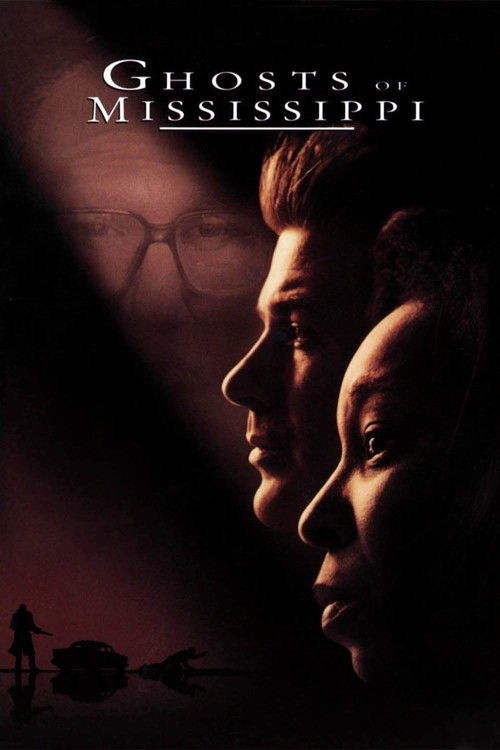
Ghosts of Mississippi1996
A real prosecutor reopens the decades-old murder of Medgar Evers, digging through the same buried evidence and town complicity that drives Intruder's plot, decades later and carrying the weight of actual history.
But Talkier and more procedural than dramatic; it moves at a legal-thriller pace rather than a tense one.
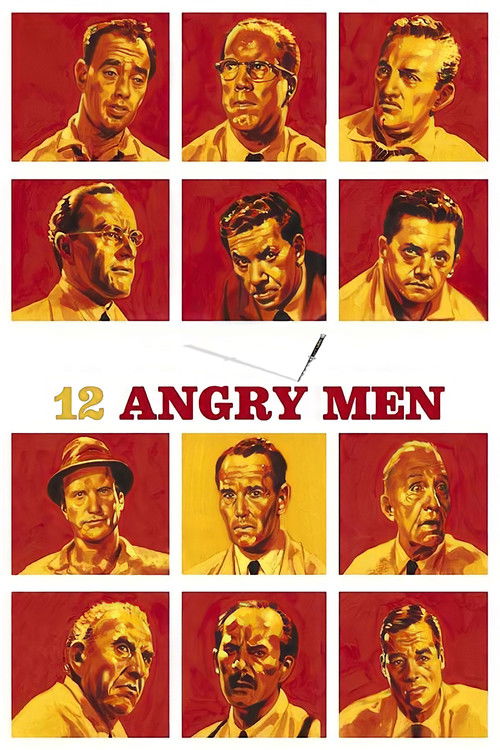
12 Angry Men1957
No courtroom, no verdict shown — just twelve men arguing a man's guilt to death in one room. If you loved Intruder's obsession with evidence and doubt, this is that idea distilled to its purest form.
But No Southern setting and no racial charge attached directly — a cooler, more abstract kind of tension.
The Long Walk Home1990no page yet
Set during the Montgomery bus boycott, it follows the quiet, dangerous solidarity between a Black maid and her white employer — the same slow unraveling of a town's assumptions, told from inside a household instead of a jail cell.
But Smaller and softer in scale, more domestic drama than thriller — don't expect Intruder's sense of dread.
Places in the Heart1984no page yet
A Texas widow and a Black drifter fight to keep a farm afloat against a hostile, Klan-shadowed community. Less mystery than Intruder, but the same portrait of rural Southern life where basic decency is dangerous.
But Broader in scope and warmer in tone; racial violence is present but not the film's central engine.
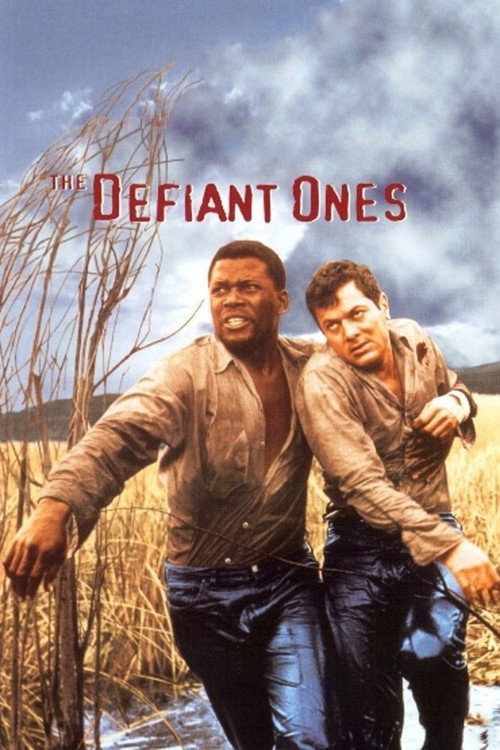
The Defiant Ones1958
Two escaped convicts, one Black, one white, chained together and fleeing through the South — a blunt, physical metaphor for the era's racial reckoning, made with real muscle and moral seriousness.
But More allegory than realism; some will find its symbolism a little heavy-handed by today's standards.
Scottsboro: An American Tragedy2000no page yet
Faulkner wrote Intruder in the long shadow of Scottsboro — the same all-white juries, the same presumption of guilt before evidence. This documentary is the historical record behind the fiction, and it refuses to soften anything.
This Oscar-nominated documentary tells the true story shadowing every Southern wrongful-accusation drama: nine Black teenagers accused of rape by two white women in 1931 Alabama, tried by all-white juries again and again. Meticulous and devastating.
But No fictional catharsis here — the real case dragged on for decades and never resolved cleanly. Heavier than anything in Intruder.
Mandingo1975no page yet
Where Intruder keeps its outrage buttoned-up and procedural, Mandingo rips the lid off the same Deep South power structure and lets it be exactly as ugly and excessive as it actually was. Same wound, opposite register.
A lurid, pulpy melodrama set on a slave plantation, all sweat and cruelty and Southern rot laid bare with none of Intruder's restraint. Trash cinema with real fury underneath — the same anger, turned up to a scream.
But Genuinely exploitative and graphic in ways that will repel plenty of viewers; this is not prestige filmmaking by any measure.
People
Cast
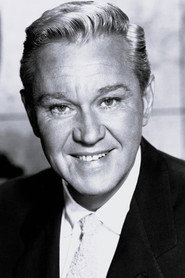 David BrianJohn Gavin Stevens
 Claude Jarman Jr.Chick Mallison
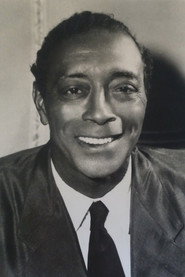 Juano HernándezLucas Beauchamp
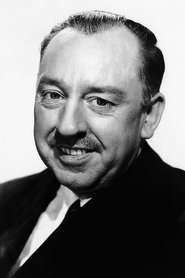 Porter HallNub Gowrie
 Elizabeth PattersonMiss Eunice Habersham
 Charles KemperCrawford Gowrie
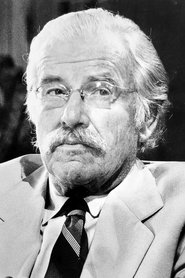 Will GeerSheriff Hampton
 David ClarkeVinson Gowrie
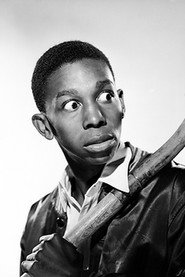 Elzie EmanuelAleck
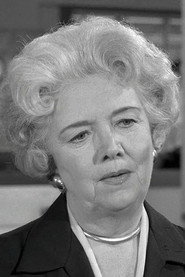 Lela BlissMrs. Mallison
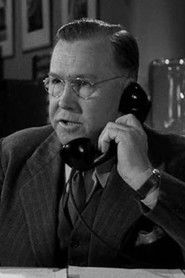 Harry HaydenMr. Mallison
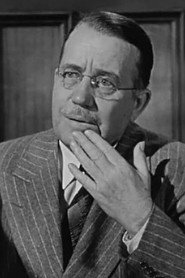 Harry AntrimMr. Tubbs
Directing
- Marvin StuartAssistant Director
- Sid SidmanAssistant Director
- Clarence BrownDirector
- Eylla JacobsScript Supervisor
- Carl RoupSecond Assistant Director
Writing
- William FaulknerNovel
- Ben MaddowScreenplay
Production
- Clarence BrownProducer
- Jay MarchantProduction Manager