
Film
The Best Little Girl in the World
A 1981 TV movie that confronts anorexia nervosa through the story of a high-achieving teenager whose perfectionism masks a dangerous eating disorder. It's unflinching about mental illness without melodrama, anchored by strong performances and a genuine attempt to understand how family dynamics and social pressure create the conditions for self-destruction. For anyone who's lived through or loved someone with an eating disorder.
If you liked this
Ordinary People1980
A penetrating family drama about grief, perfectionism, and the fractures hidden behind suburban respectability. Robert Redford directs with real subtlety, and the performances expose how love and resentment tangle together.
But It moves slowly and asks you to sit with discomfort rather than resolve it. Some find the pace glacial.
My So-Called Life1994
Captures the precise texture of adolescent crisis—the way small social failures feel apocalyptic and adults seem impossibly distant. It's the spiritual cousin to this film, though it spans wider emotional terrain.
But Only lasted one season and ends unresolved. The 90s aesthetic hasn't aged universally well.
Heartbeat2022
Another early-80s TV movie that treats a teenage girl's internal crisis with respect. It's about a deaf girl navigating identity and belonging, with the same earnest commitment to understanding rather than exploiting her struggle.
But Made for television, so the production values are modest. It's harder to find than mainstream releases.

Not sure tonight? Get a pick in a minute, starting from The Best Little Girl in the World
The wildcard
Something you would not have found on your own.
Wasting Away
Where this 1981 film dramatizes the internal experience, the documentary shows the external reality. Together they form a complete picture: one is imagination working to understand, the other is witnesses testifying.
A documentary following several young women with eating disorders through treatment and recovery. It's direct testimony without narration guiding your response—the girls speak for themselves, which is both more honest and more powerful than any dramatization could be.
But It's difficult to watch real people in crisis, and there's no narrative arc that resolves neatly. Some may find it triggering rather than illuminating.
More like this (7)
Johnny Got His Gun1971
A visceral anti-war film about a young man stripped of agency and identity by trauma. Like this film, it refuses to look away from what it means to be trapped inside a broken body.
But Genuinely disturbing and relentless. The subject matter is bleak, and Dalton Trumbo doesn't soften it.
The Best Intentions1992
Bergman's film traces how the seeds of family dysfunction get planted across generations. It has the same unflinching psychological clarity about how love and damage interweave.
But It's Bergman, so it's long and demands emotional stamina. Swedish cinema isn't for everyone's mood.
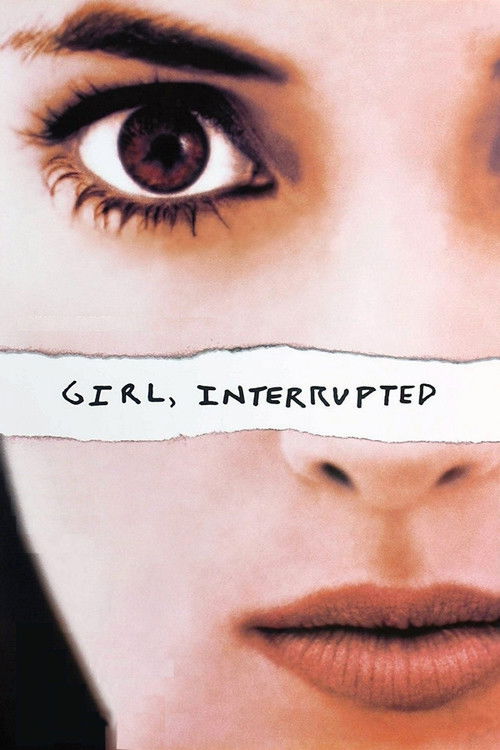
Girl, Interrupted1999
Focuses on hospitalization and recovery with an ensemble cast that prevents any single narrative from dominating. Angelina Jolie and Winona Ryder create genuine complexity without judgment.
But It can feel like it's performing recovery rather than exploring it. The coolness sometimes undercuts the stakes.
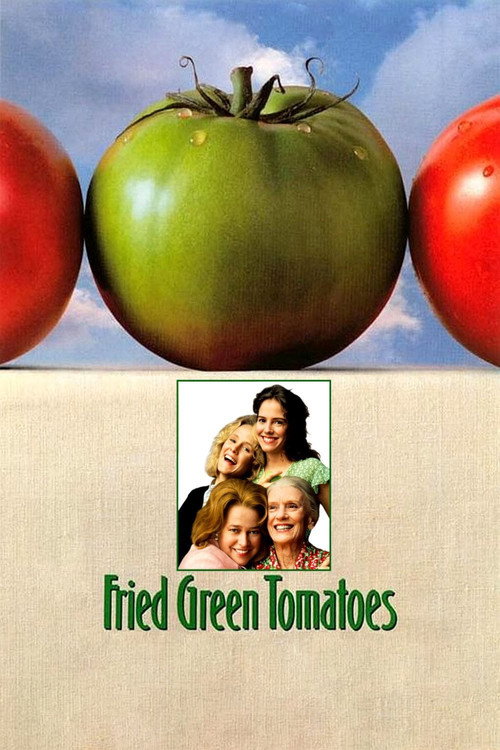
Fried Green Tomatoes1991
Two parallel stories about women finding agency and survival outside prescribed roles. Structured as storytelling itself, it has warmth alongside its examination of female suffering and resilience.
But The frame story feels dated now. It can veer toward sentiment when it means to be sincere.
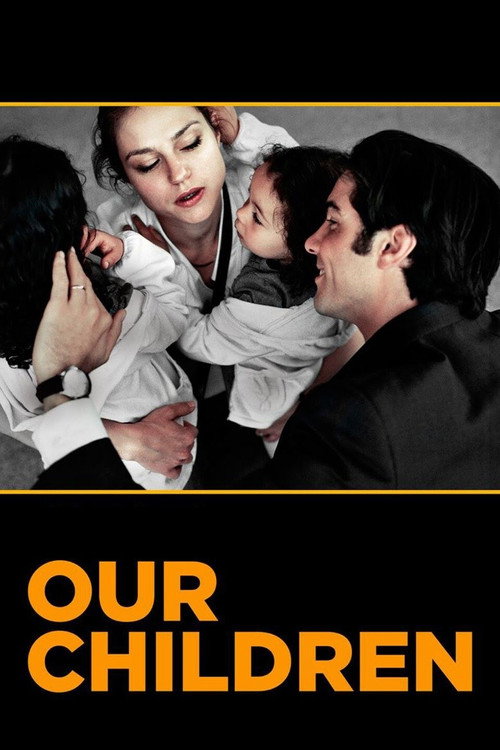
Our Children2012
A Belgian film about a mother's mental breakdown after her children are taken from her. It's claustrophobic and refuses easy explanations for how people fracture under pressure.
But It's punishing to watch and doesn't offer comfort. The despair is real, and some find that exhausting rather than cathartic.
Requiem for a Dream2000
Both films understand that the disorder is not the problem—it's the solution to an unbearable internal problem. Both refuse to let you believe the sufferer is simply vain or weak.
Aronofsky's film about addiction in all its forms—drugs, diet pills, television, the hunger to be loved—treats eating disorder as one strand in a larger web of compulsion. The formal audacity makes the repetitive horror visible in ways conventional drama can't.
But The visual intensity is deliberate and unrelenting. Some find the style overwhelming rather than clarifying; it's designed to assault the senses as punishment.

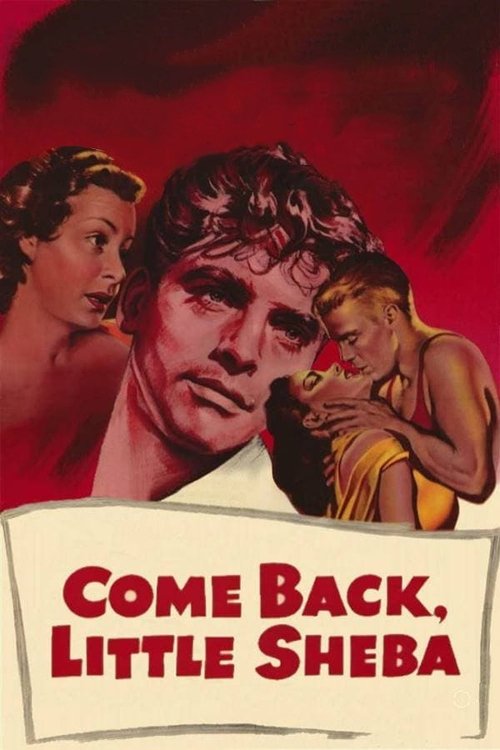
Come Back, Little Sheba1953
Like The Best Little Girl in the World, it understands that the symptom (her starvation, his drinking, her bitterness) is the body's way of speaking when words aren't safe. Both films listen to what the symptom is saying.
Shirley Booth and Burt Lancaster in a play-based film about a marriage corroded by resentment and disappointment, with no clear villain—just two people trapped in patterns they can't break. It's about how family toxicity generates in ordinary, invisible ways.
But It's a 1952 melodrama, so the emotional expression feels staged. The gender politics are dated in ways that can distract.
People
Cast
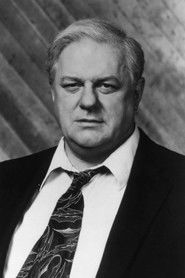 Charles DurningFrank Powell
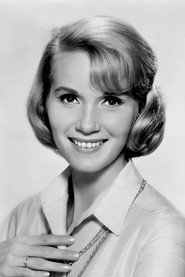 Eva Marie SaintJoanne Powell
 Jennifer Jason LeighCasey Powell
 Melanie MayronCarol Link
 Lisa PelikanGail Powell
 Viveca LindforsMadame Seurat
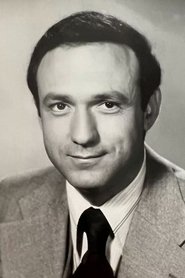 David SpielbergDr. Garrett
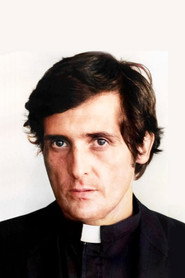 Jason MillerClay Orlovsky
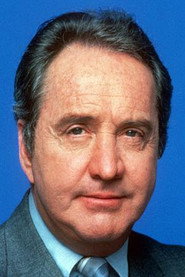 Richard VentureDr. Neil Holzer
 Lenora MayJulie
 Laurence LauMark
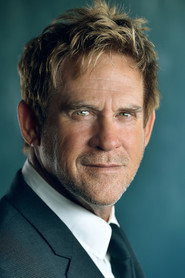 Michael DudikoffChuck
Directing
- Sam O'SteenDirector
Writing
- Steven LevenkronNovel
- David MoessingerWriter
Production
- Aaron SpellingExecutive Producer
- Douglas S. CramerExecutive Producer
- Lynn LoringProducer