
Film
The Best Intentions
Bergman's three-hour portrait of his own parents' marriage—a poor theology student and a wealthy woman who marry for love, only to discover that devotion and duty cannot bridge the gap between their worlds. Intimate, unflinching, gorgeously shot. A film about how two good people can slowly break each other without malice. For anyone who believes the best love stories are the ones that hurt.
If you liked this
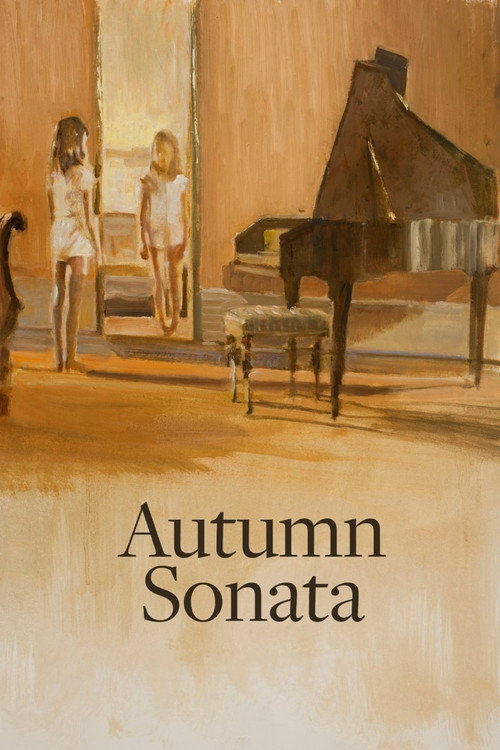
Autumn Sonata1978
Bergman's own meditation on mothers, daughters, and the cruelty of unmet expectations. A concert pianist returns home; two hours of conversation unmake a lifetime of silences. Essential viewing for understanding what Bergman inherited.
But Claustrophobic and emotionally relentless. Very little happens; everything that matters happens in the pauses between words.
A Passage to India1984
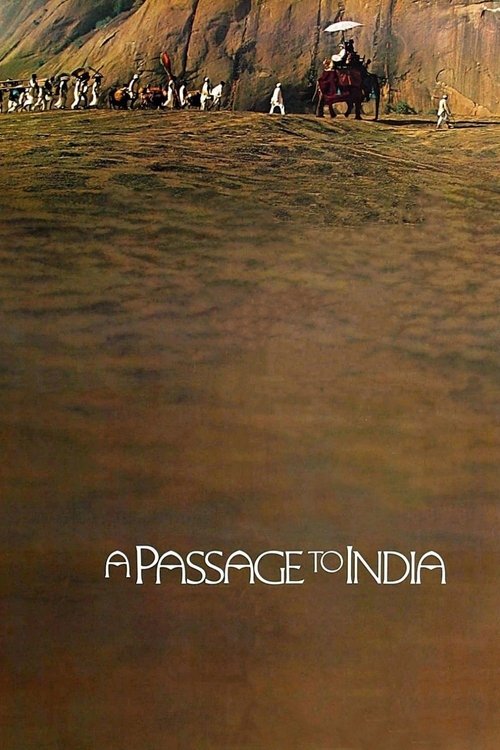
Another sweeping period piece about the collision between social worlds—colonial India, romantic possibility, the slow realization that love alone cannot overcome the structures around it. David Lean's last film, shot with the same deliberate beauty.
But Nearly three and a half hours long. The pacing is deliberate; if you need constant momentum, this will feel glacial.
Scenes from a Marriage2021
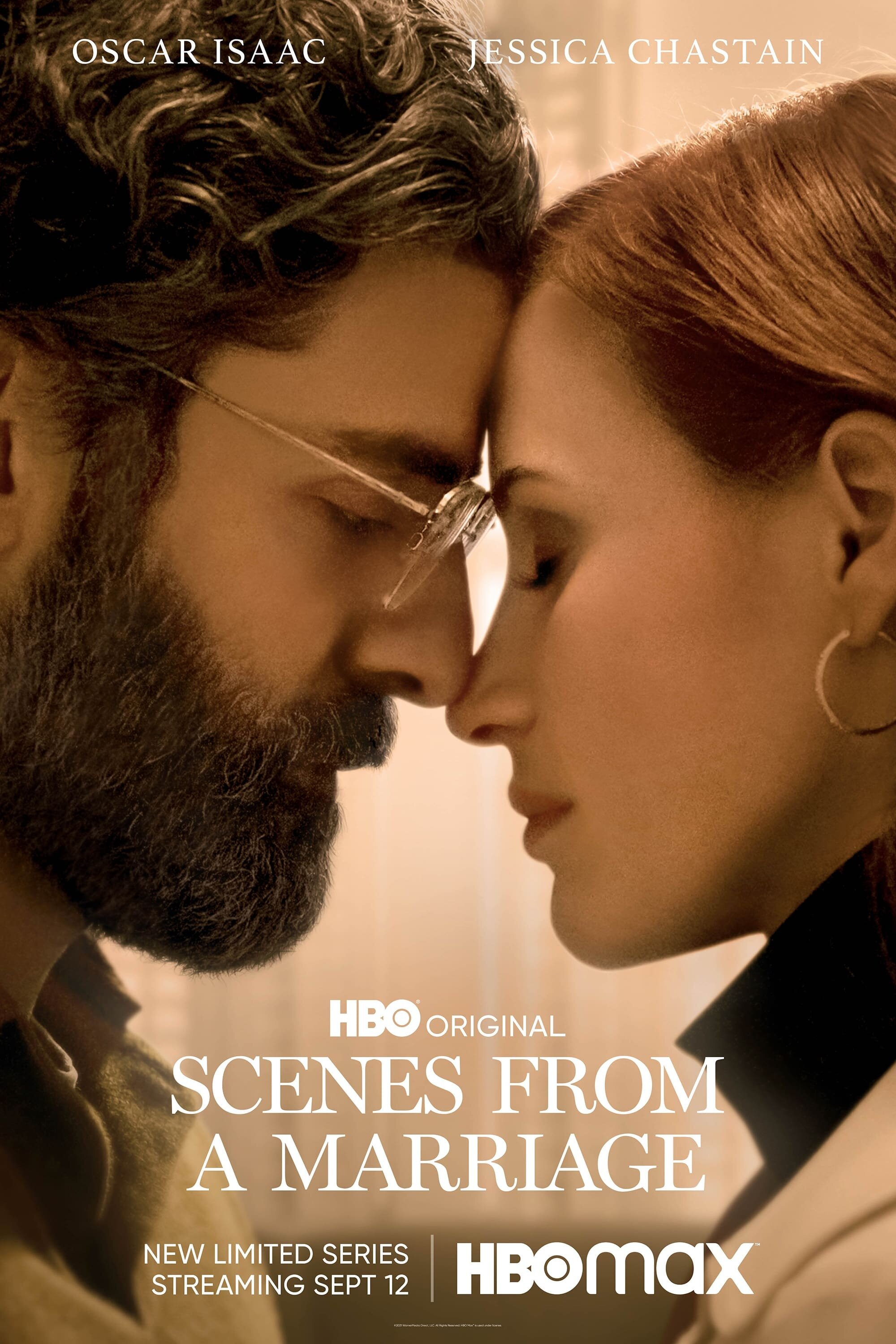
Also Bergman on marriage itself—the full, unvarnished account of two people who love each other and hurt each other across decades. Originally a TV miniseries; shot with devastating intimacy. It rewires how you think about relationships.
But Emotionally exhausting. By design. The honesty can feel punishing if you're not in the mood for it.
Not sure tonight? Get a pick in a minute, starting from The Best Intentions
The wildcard
Something you would not have found on your own.
Synecdoche, New York2008
Both are about the failure of intention—the gap between what we plan and who we become. Both suggest that self-awareness doesn't prevent self-destruction.
Charlie Kaufman's film about an artist constructing a massive replica of New York inside a warehouse—as a way to avoid actually living. It's oblique, dizzying, and deeply about how we use art and ambition as shields against intimacy. Visually baroque; emotionally naked.
But Deliberately confusing and self-indulgent. It collapses narrative logic and can feel pretentious or unfinished rather than profound.

More like this (7)
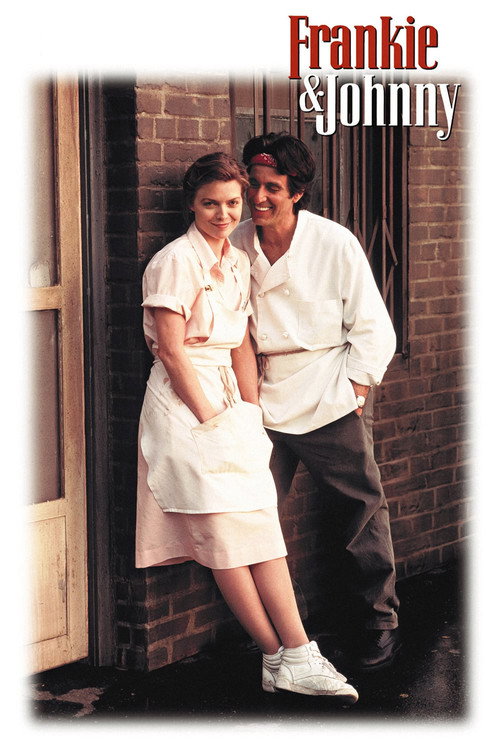
Frankie and Johnny1991
A gentler exploration of two ordinary people trying to find connection despite their wounds and hesitations. Garry Marshall directs; Al Pacino and Michelle Pfeiffer have real chemistry. Quieter than you'd expect from a mainstream romance.
But The sweetness might feel thin if you're craving the moral complexity of *The Best Intentions*. It resolves where Bergman's film resists resolution.
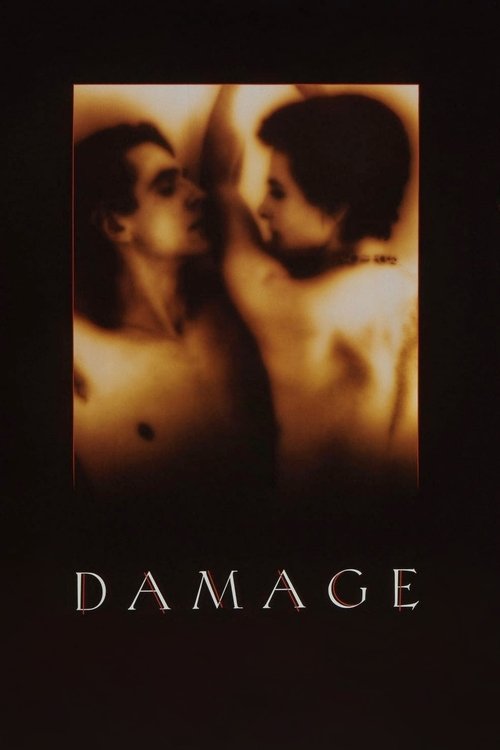
Damage1992
Released the same year, another account of passion upending a careful life. Jeremy Irons as a man whose affair with his son's fiancée destroys everything. Baroque, sexually charged, genuinely tragic. Louis Malle at his most unforgiving.
But More explicitly erotic and darker in register. The social critique is buried under obsession and shame in ways some will find exploitative.
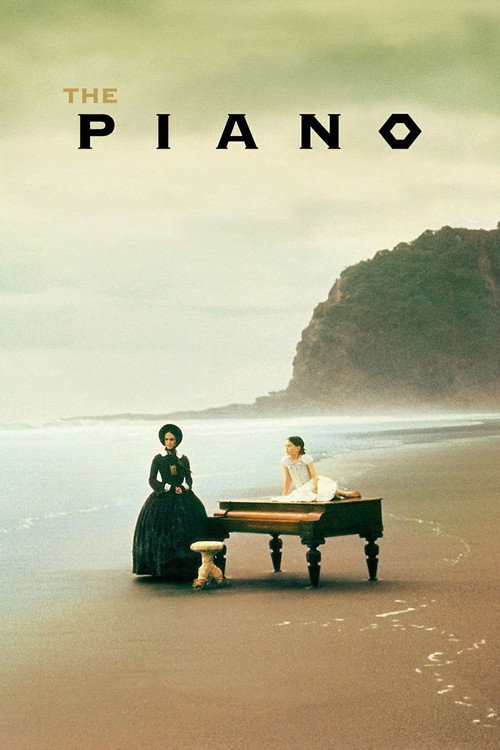
The Piano1993
Period romance about a mute woman sent to marry a stranger in colonial New Zealand. Explores passion, communication, and the violence hidden beneath Victorian propriety. Jane Campion's masterpiece; visually stunning and sensually alive.
But Contains strong sexual content and a scene of sexual assault. The central relationship is complex in ways that discomfit some viewers.
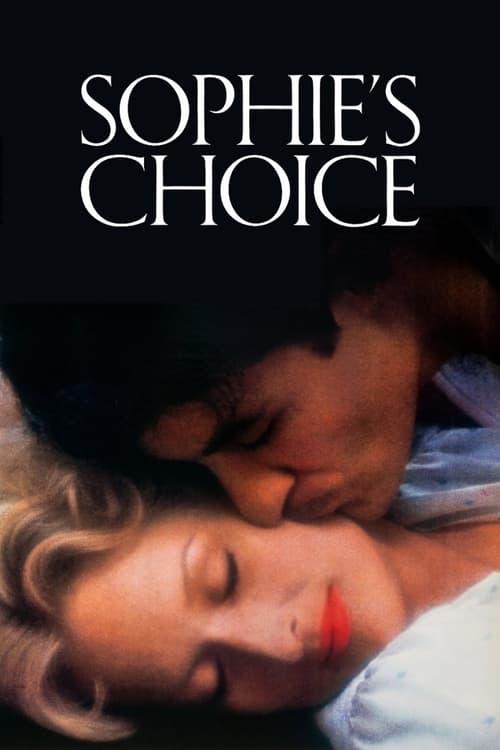
Sophie's Choice1982
A woman haunted by her past marries again and tries to build something stable; her history catches up. Meryl Streep's greatest performance. A film about the weight history places on love, and how sometimes loving someone isn't enough.
But Painful and melodramatic in places. The Holocaust backstory can feel like it's been bolted onto the romantic narrative.
The Remains of the Day1993
Stevens the butler has served a fascist sympathizer for decades, devoting himself to duty. Too late, he realizes he sacrificed love for a loyalty that was never worth it. A quiet reckoning with wasted life and the masks we wear.
But Restrained to the point of numbness; Anthony Hopkins barely moves his face. Some find it glacial rather than poignant.

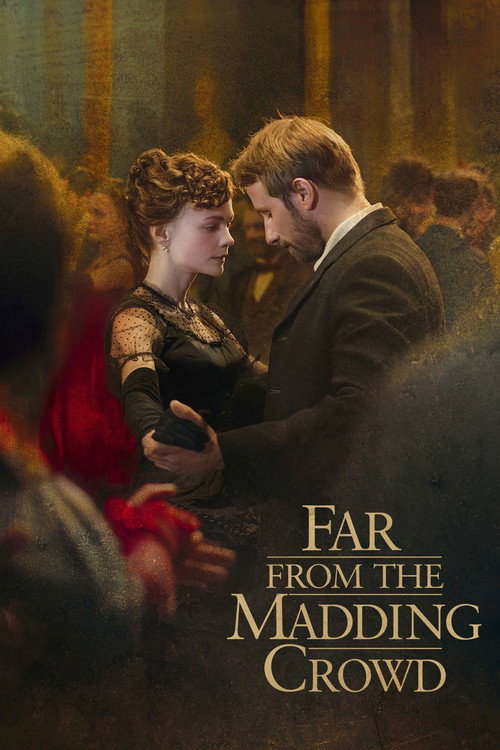
Far from the Madding Crowd2015
Bathsheba Everdene is independent, stubborn, and pursued by three very different men. Thomas Vinterberg directs with restraint; it's less about romantic triumph than about a woman choosing her own difficulty over someone else's comfort.
But The period setting is beautiful but can feel like window dressing. Some sequences move slowly even by literary-adaptation standards.
Winter Light1963
The direct artistic lineage. *The Best Intentions* is Bergman explaining how his parents' marriage produced a son who made *Winter Light*—a film about faith collapsing under the weight of intimate failure.
Bergman's own film about a pastor losing his faith and his ability to connect with his parishioner-lover. A short, crystalline thing (80 minutes). Not about his parents, but about the spiritual and emotional exhaustion that Bergman suggests may have been their inheritance. The real context for *The Best Intentions*.
But Black and white, sparely shot, almost abstract. Very little happens. Religious crisis may feel remote if faith is foreign to you.

People
Cast
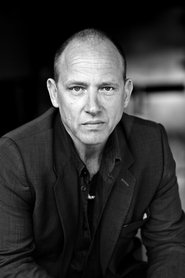 Samuel FrölerHenrik Bergman
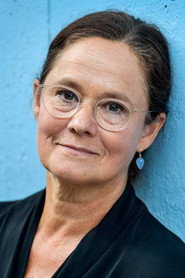 Pernilla AugustAnna Bergman
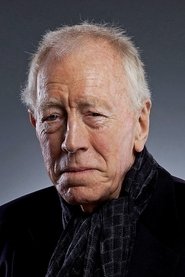 Max von SydowJohan Åkerblom
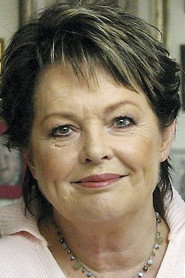 Ghita NørbyKarin Åkerblom
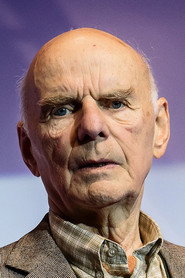 Lennart HjulströmNordenson
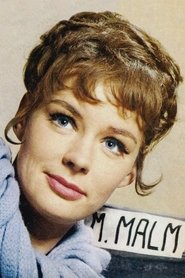 Mona MalmAlma Bergman
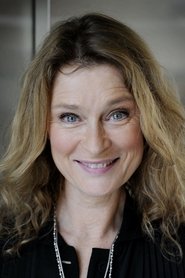 Lena EndreFrida Strandberg
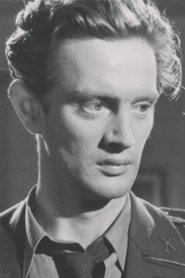 Keve HjelmFredrik Bergman
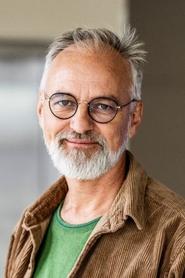 Björn KjellmanErnst Åkerblom
 Börje AhlstedtCarl Åkerblom
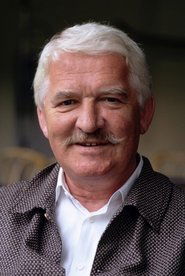 Hans AlfredsonGransjö
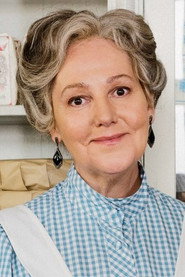 Lena T. HanssonMagda Säll
Directing
- Stefan BaronAssistant Director
- Bille AugustDirector
Writing
- Ingmar BergmanWriter
Production
- Ingrid DahlbergProducer
- Elisabeth LiljeqvistProduction Manager