
Film
Wasting Away
- Drama
- Very dark
A 51-minute film about two teenage girls whose friendship implodes under the weight of heroin addiction. It's unflinching and small-scale, shot with the intimacy of a documentary but the structure of tragedy. For anyone who wants to understand how addiction fractures not just individuals but the bonds between people.
Should you watch it?
Watch it if you want a hard, unsentimental look at how addiction hollows out a friendship, and you can sit with a bleak story that offers no easy comfort.
Skip it if the subject is teenage heroin use, and the film stays in that darkness with little relief, so it is a hard sit if you want warmth.
What it asks of you: Under an hour, it asks for one sitting and your full attention, carried by a heavy mood rather than plot momentum.
Not sure? Find tonight's pick in a minute.
If you liked this
Requiem for a Dream2000
Darren Aronofsky's hypnotic descent into four addictions—heroin, pills, food, and television. The formal inventiveness makes the nightmare visceral without turning it into spectacle or sermon.
But It's deliberately punishing to watch. The sound design is designed to unhinge you, and the ending offers no comfort whatsoever.

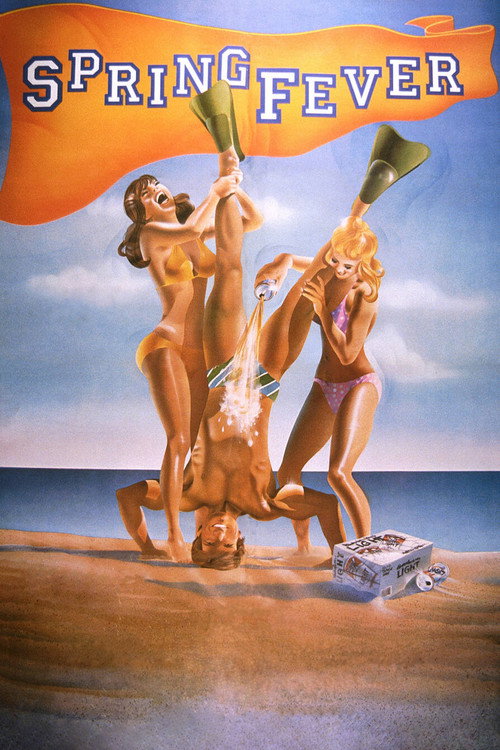
Spring Fever1982
Zhang Nuanxin's Chinese film about friendship and desire between two young women, watching how closeness can curdle. Quieter than Wasting Away but operating in the same emotional register.
But It's formally restrained and slow. The melodrama is internal. If you need narrative momentum or clear dramatic beats, you'll find it glacial.
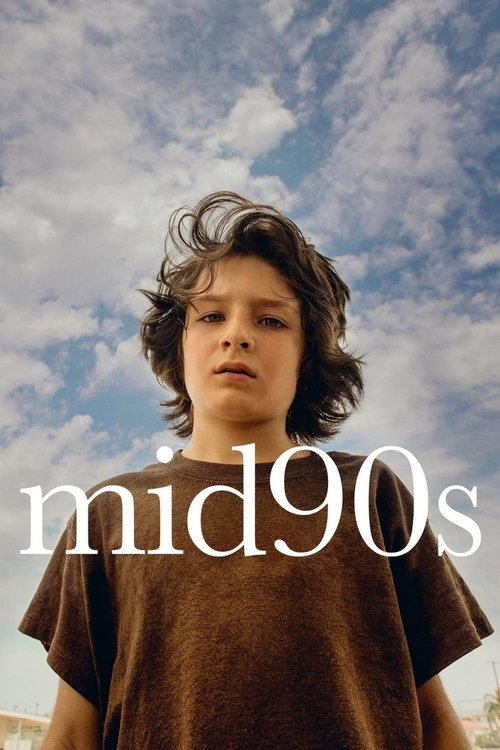
mid90s2018
Jonah Hill's directorial debut captures the texture of teenage friendship—the loyalty, the betrayal, the way small moments feel catastrophic. Shot on 16mm with genuine affection for its subjects despite their self-destruction.
But The skateboarding world and slang might feel distant if that's not your reference point. Some viewers find the naturalistic acting style slack.
Not sure tonight? Get a pick in a minute, starting from Wasting Away
The wildcard
Something you would not have found on your own.
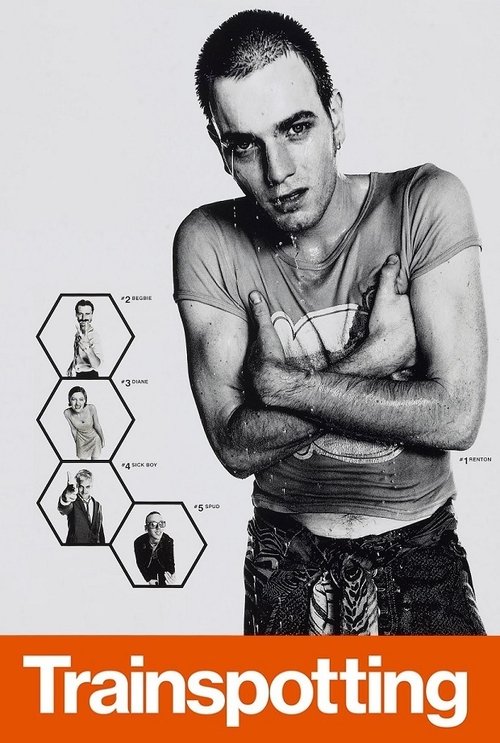
Trainspotting1996
Both are about addiction fracturing friendship, but Trainspotting explodes the story into style while Wasting Away compresses it into documentary plainness. Same core, opposite methods.
Danny Boyle's kinetic, darkly comic heroin film is the opposite of Wasting Away's quiet realism—it's a punk-rock descent told in rapid cuts and magical realism. But underneath, it's asking identical questions: how do you love someone who's destroying themselves?
But The style can overwhelm the substance. It's been imitated so much it feels dated now. Scottish accents and slang require subtitles for many viewers.
More like this (7)
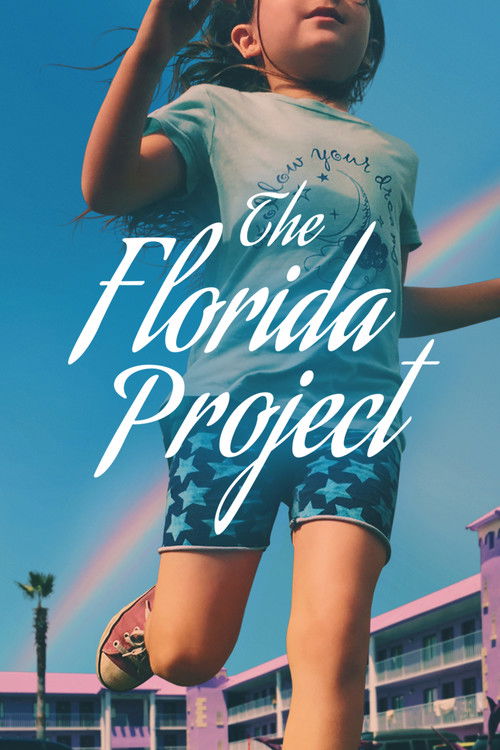
The Florida Project2017
Sean Baker's film about childhood in poverty, told with such tenderness it could break your heart. Like Wasting Away, it trusts you to understand damage without having to announce it.
But The ending is deliberately ambiguous in ways that frustrate some viewers. It refuses to resolve or explain. The poverty porn question lingers.
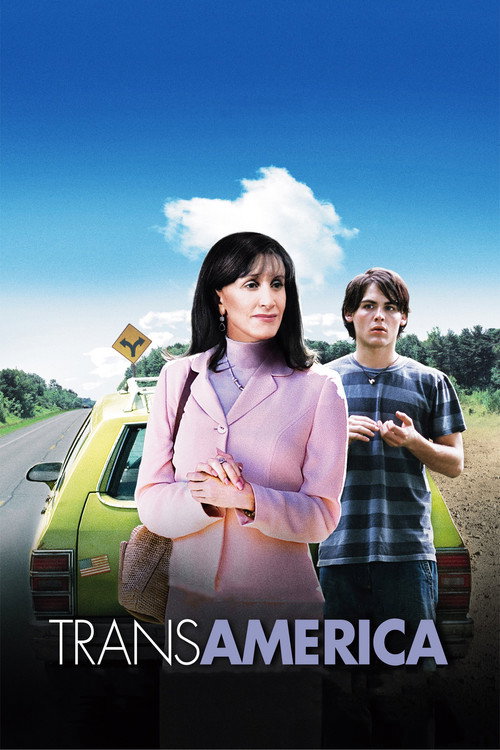
Transamerica2005
A road movie about connection and damage. Felicity Huffman's character is trying to rescue her estranged son, but they're both broken in ways they don't know how to name. Funny and devastating in equal measure.
But It hinges on a transgender reveal that has aged awkwardly in terms of how it centers cisgender perspective. Some of the humor lands badly now.
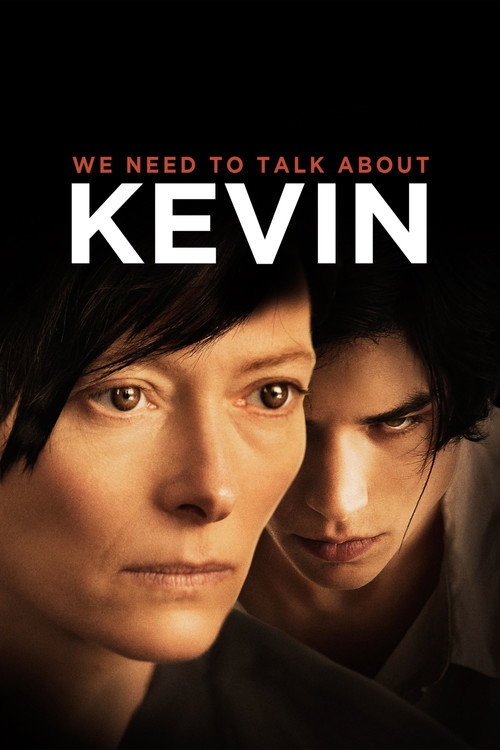
We Need to Talk About Kevin2011
Lynne Ramsay's formal brilliance applied to maternal failure and inherited darkness. It's about how love can't always save you, and how relationships can be poisonous even when both people are trying.
But It's bleak and uncomfortable and makes you complicit in a mother's coldness. The editing is disorienting. Some find it pretentious rather than profound.
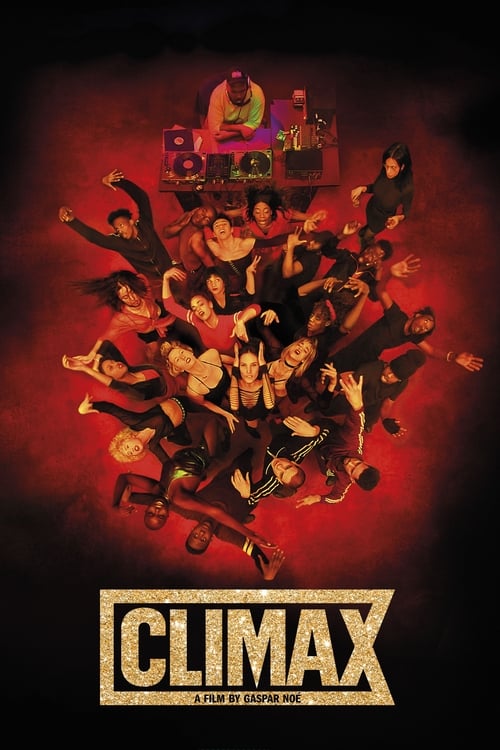
Climax2018
Gaspar Noé's dizzying film about dancers whose friendship dissolves after their sangria is spiked with LSD. The formal audacity—the opening credits roll upside down—never distracts from genuine human terror.
But It's visually punishing. The sexuality is graphic. The sound design is deliberately discordant. By design, it's trying to make you uncomfortable.
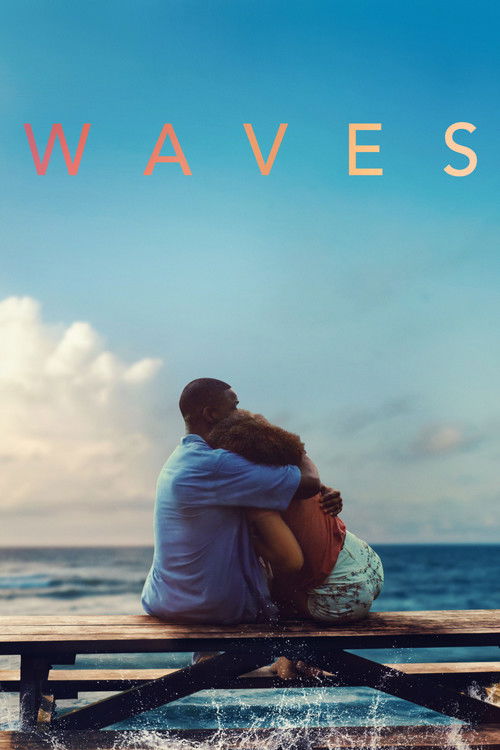
Waves2019
A Black family in Florida fractures catastrophically in the first half, then slowly tries to rebuild. Shot with immense formal beauty, it earns the right to ask whether healing is possible and what it costs.
But It's emotionally exhausting. Some find the tonal shift in the second half incongruous. The beauty of the cinematography can feel at odds with the ugliness of what's happening.
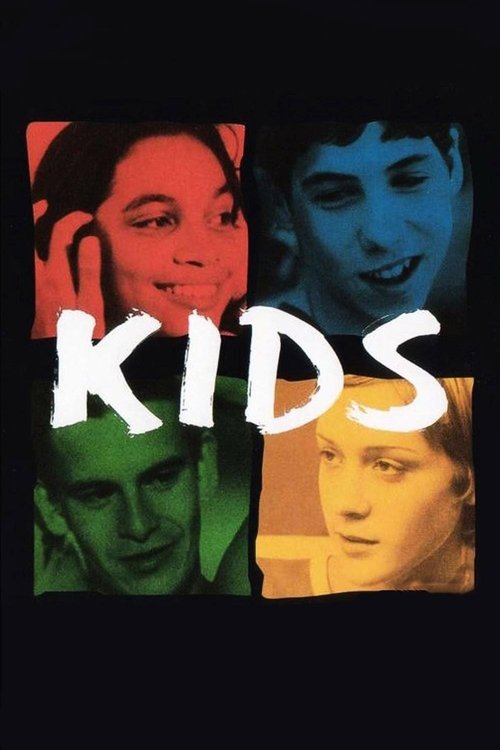
Kids1995
Larry Clark's controversial film about teenagers spreading STDs through New York City. It's brutal and non-judgmental, treating its subjects as real people rather than cautionary tales or victims.
But It's sexually explicit, morally ambiguous, and designed to provoke. The performances are nonprofessional. Many viewers find it exploitative rather than illuminating.
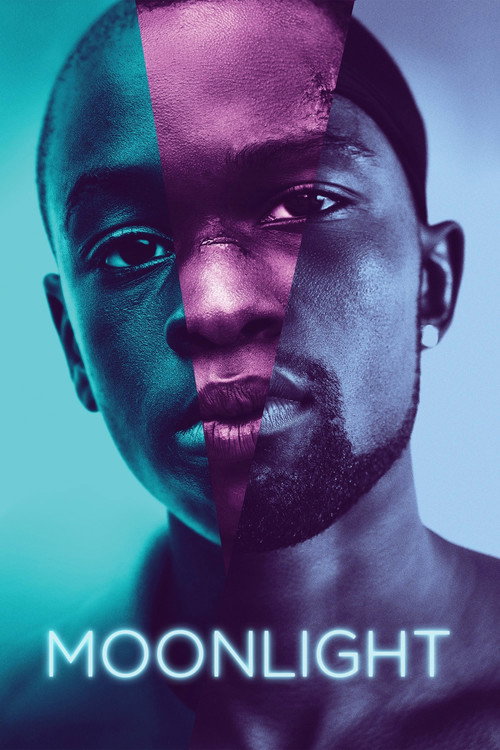
Moonlight2016
Like Wasting Away, it's about how the damage done early—by circumstance, by other people, by the world—ripples through everything that comes after. Both trust you to understand grief without spelling it out.
Barry Jenkins' triptych about a Black gay man at three stages of life, watching how trauma and love shape identity. It's lyrical and precise, devastatingly intimate, about how we survive by holding onto fragments of people we've loved.
But It moves slowly and elliptically. Plot is minimal. Some viewers need more narrative spine. The formal beauty can feel like distance if you're not in the mood for it.
People
Cast
- Dane HurlburtMark
 Dora MadisonMadison Burge
- Ashley StewartNicole
Directing
- Mitch CollierDirector
Writing
- Dora MadisonStory
- Mitch CollierStory
- Mitch CollierWriter
Production
- Dave TuckProducer
- Mitch CollierProducer