
Film
Winter Meeting
A Bette Davis drama about a reserved poet who falls for a brooding war veteran, both carrying private wounds that threaten their fragile connection. It's a character study in restraint—two intelligent people circling each other, trying and failing to bridge the gap between what they feel and what they can say. Melancholic, talky, for viewers who prize emotional subtlety over plot momentum.
If you liked this
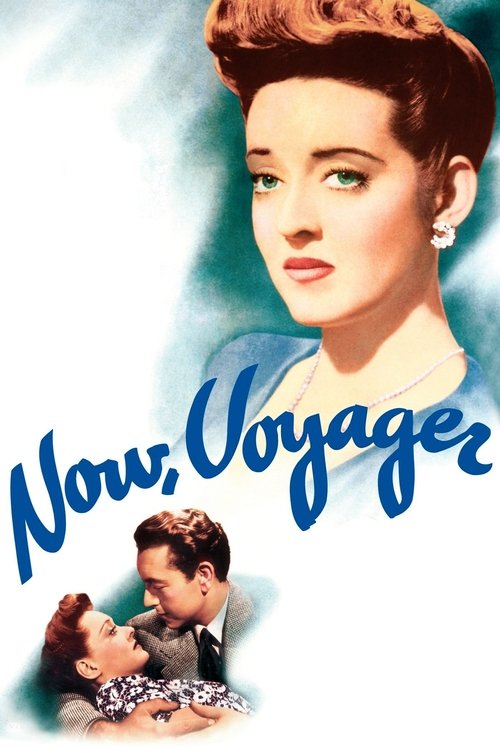
Now, Voyager1942
Davis at her most luminous, playing another woman discovering herself through an unlikely romance. Gloriously melodramatic but anchored by her intelligence—she makes you believe every tear and transformation.
But The pacing is stately and the emotional beats are telegraphed from miles away. If you need plot to move you, this will feel glacial.
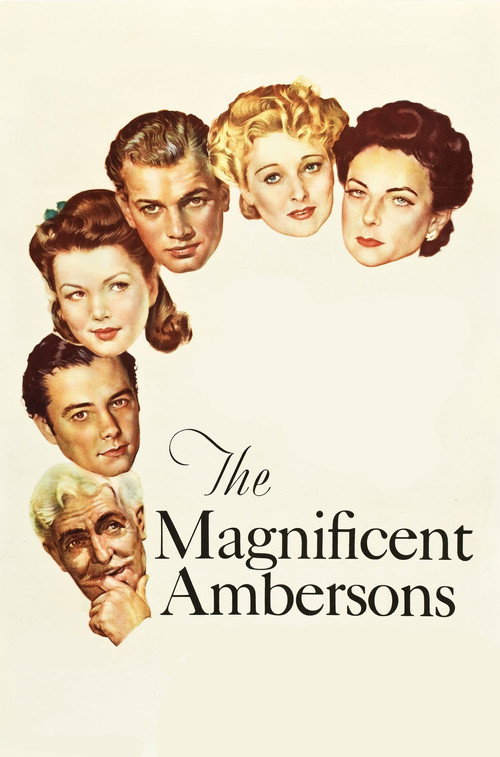
The Magnificent Ambersons1942
Welles explores how pride and silence destroy families with the same precision Davis brings to her wounded characters here. Formally brilliant and deeply sad, about people who cannot communicate what matters.
But It's genuinely depressing and the studio-mandated ending undermines Welles's vision. You have to sit with failure.
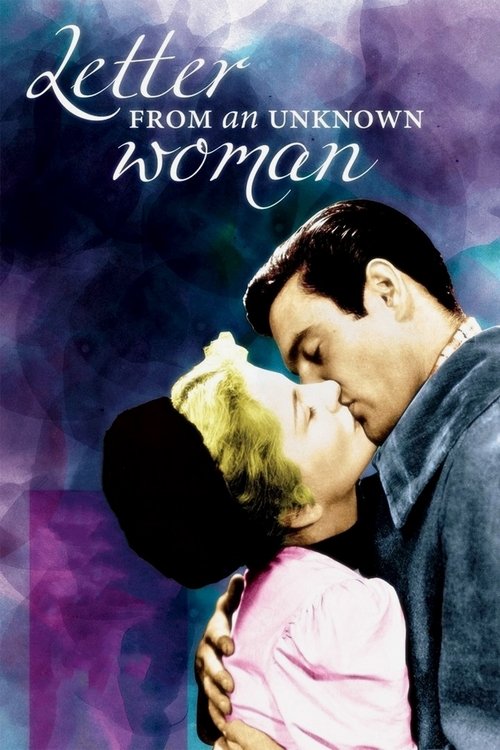
Letter from an Unknown Woman1948
A woman's entire life is shaped by unrequited love for a man who barely remembers her. Ophüls frames emotional devastation with such grace that heartbreak becomes beautiful—the mirror image of Winter Meeting's frozen restraint.
But The fatalism is complete and the woman's passivity might infuriate modern viewers. There's no triumph here, only resignation.
Not sure tonight? Get a pick in a minute, starting from Winter Meeting
The wildcard
Something you would not have found on your own.
The Quiet Earth1985
Both are about intelligent people stranded inside their own psychology, unable to bridge the gap between themselves and another person, rendered in muted, contemplative style.
A New Zealand science-fiction film about the last man on Earth, beautifully shot and achingly alone. Like Winter Meeting, it's a study in isolation and the hunger for connection, except here the connection is impossible—there's literally no one left. The quiet devastation is almost unbearable.
But It's bleak in a way that offers no comfort. If you need human connection to actually happen in your stories, this will exhaust you.

More like this (8)
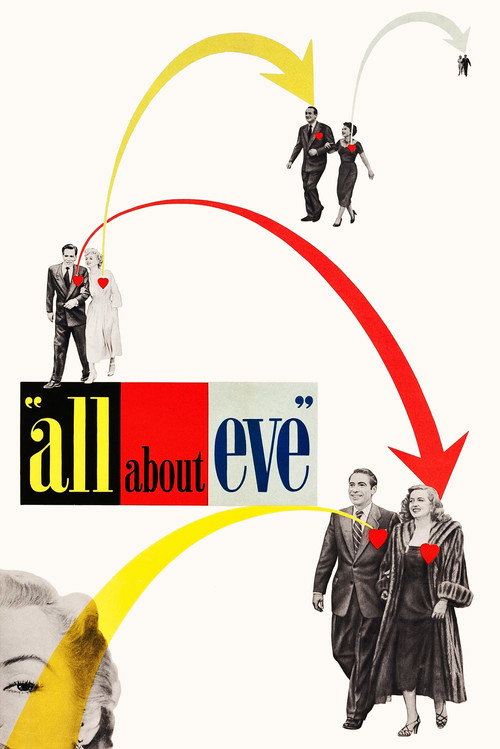
All About Eve1950
Davis anchors one of cinema's sharpest scripts about ambition and betrayal in the theatre world. Witty, mean-spirited, and she commands every scene with absolute authority—proof she excels when given something to spar with.
But It's so quotable and energetic it's easy to miss how bleak it is. The cynicism might feel dated or the backstage world too insular.
Brief Encounter1945
Coward's study of two married strangers meeting in a café and falling into something they cannot pursue. Like Winter Meeting, it's about intelligent people suffocating under propriety—except here the emotion finally breaks through.
But The British emotional restraint might read as passivity. If you want your romance to be reciprocated and triumphant, this will frustrate you.

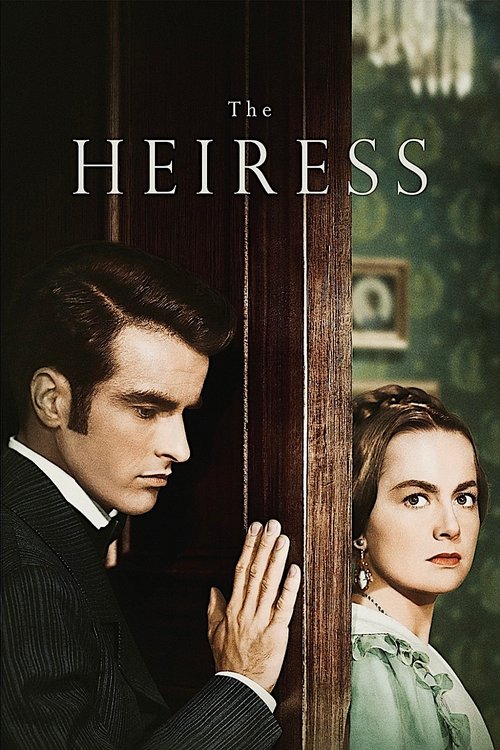
The Heiress1949
Davis's contemporary Olivia de Havilland playing a shy heiress who must choose between a man who loves her money and her own quiet dignity. A stunning performance in a film about the cruelty of those who claim to know what's best for you.
But The emotional warfare is subtle and protracted. Nobody wins, and the ending is bleak in a way that might feel depressing rather than cathartic.
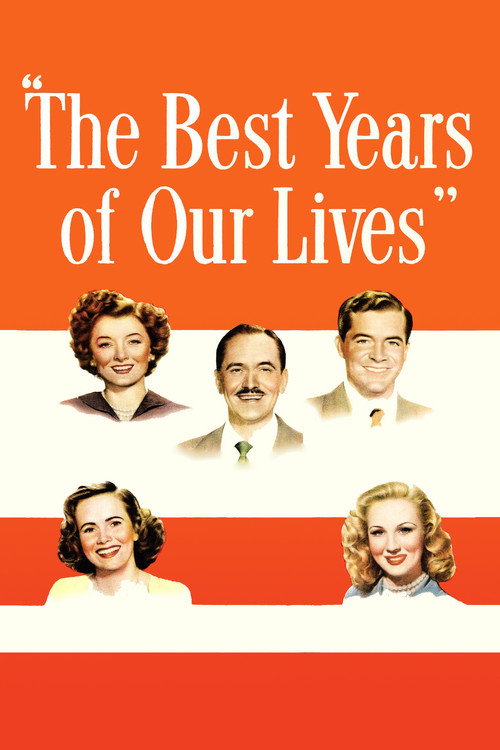
The Best Years of Our Lives1946
Three veterans return home after WWII and struggle to readjust—the war hero thread that runs through Winter Meeting, but here examined with Wyler's documentary-like precision and genuine warmth toward human awkwardness.
But It's nearly three and a half hours and occasionally sentimental. The scope is grand, which might dilute the intimate character work you're seeking.
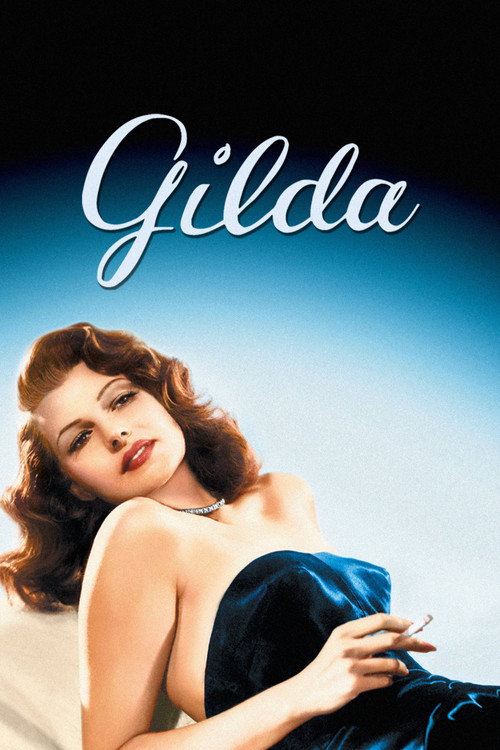
Gilda1946
Rita Hayworth and Glenn Ford as two people who desire each other but cannot escape their mutual destruction. That same tension between attraction and doom, though this one trades poetry for glamour and moral ambiguity.
But The gender politics are unsettling and Ford's character is cruel in ways the film doesn't quite interrogate. It's fun but uncomfortable.
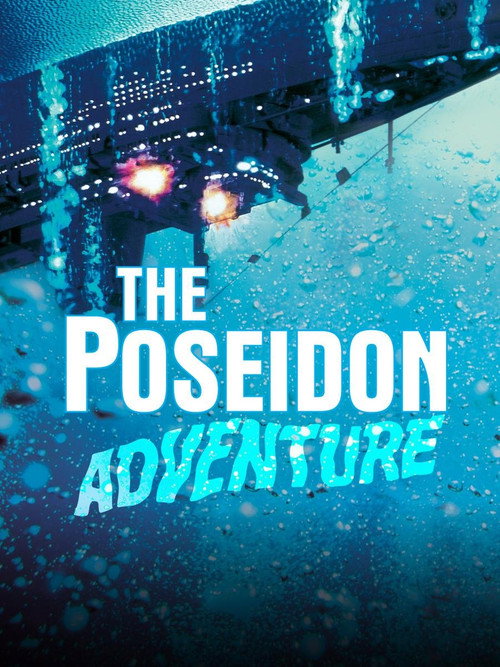
The Poseidon Adventure1972
A disaster film with an ensemble cast trapped and desperate—nothing thematically close, but it shares Winter Meeting's serious, unglamorous attention to how people actually behave under pressure, without irony or camp.
But It's a 1970s adventure spectacle, not a character drama. The tone is completely different and the scale is enormous compared to the intimate sadness you're looking for.
Tokyo Story1953
Both use silence and small talk to express what cannot be said directly; both trust the viewer to understand that absence of drama is the point.
Ozu's masterpiece about an elderly couple visiting their children in Tokyo, discovering distance where they expected closeness. Shot with his signature stillness, it's about how people we love remain fundamentally unknowable—same emotional DNA as Winter Meeting, but Japanese, gentle, universal.
But Nothing happens. Scenes repeat, conversations circle, the camera barely moves. It requires patience that borders on meditative, and some find that boring rather than profound.

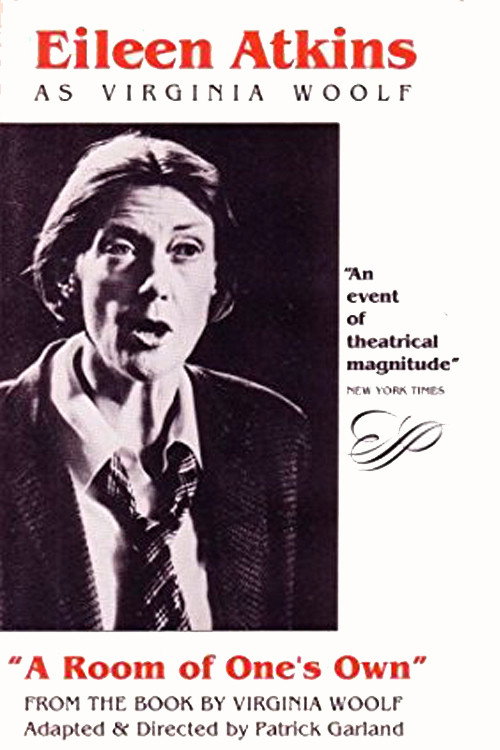
A Room of One's Own1991
Winter Meeting dramatizes the internal damage of female restraint; this examines the historical and social systems that created it.
A BBC television essay-film based on Virginia Woolf's lecture, examining how women writers have been silenced and constrained. Susan Grieve is a poet struggling with inhibition; this is a documentary argument about why that struggle exists—context that deepens the film's ache.
But It's an essay, not a narrative. If you want story, you'll find this frustratingly intellectual and dated in its references.
People
Cast
 Bette DavisSusan Grieve
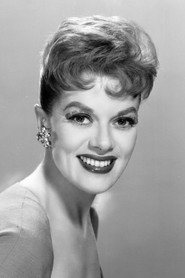 Janis PaigePeggy Markham
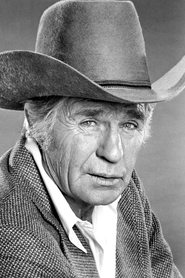 Jim DavisSlick Novak
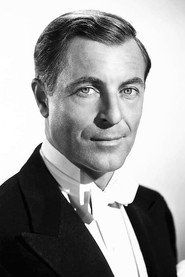 John HoytStacy Grant
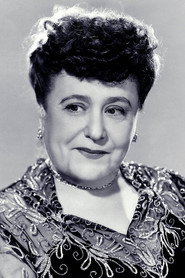 Florence BatesMrs. Castle
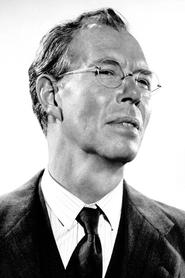 Walter BaldwinMr. Castle
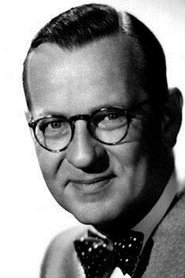 Ransom M. ShermanM. Roderick Moran, Jr.
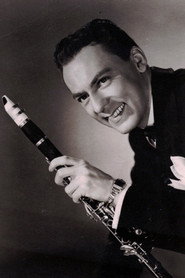 Woody HermanLeader - Woody Herman and His Orchestra
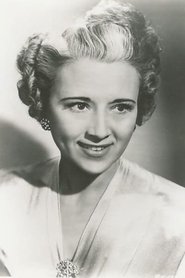 Bess FlowersRestaurant Patron
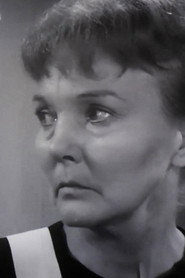 Ezelle PouleWoman in Cafe
Directing
- Sherry ShourdsAssistant Director
- Bretaigne WindustDirector
Writing
- Grace Zaring StoneNovel
- Catherine TurneyScreenplay
Production
- Jack L. WarnerExecutive Producer
- Henry BlankeProducer