
Film
A Child Is Waiting
A 1963 drama about a state institution for intellectually disabled children, where a well-meaning former music teacher clashes with the pragmatic director over how best to serve the children in their care. Directed by John Cassavetes, it's a sincere, occasionally uncomfortable film about good intentions, institutional care, and the limits of love. For viewers interested in how cinema treated disability and institutional life in an earlier era.
If you liked this
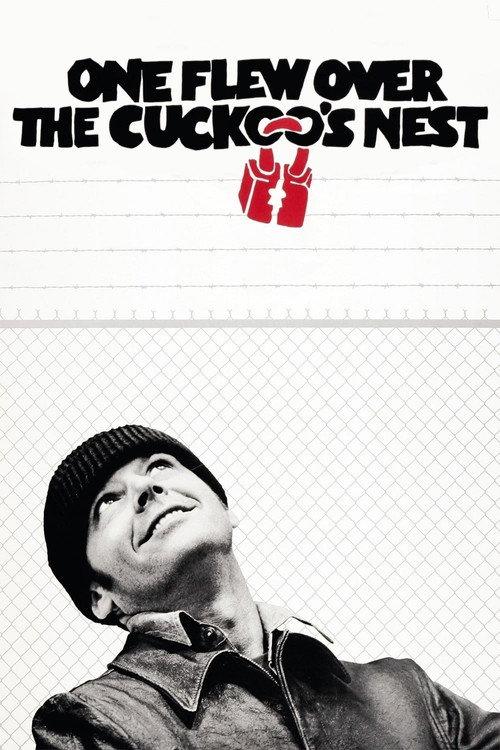
One Flew Over the Cuckoo's Nest1975
Another institutional drama where the clash between a charismatic outsider and cold institutional authority becomes the engine of the film. Milos Forman's masterpiece is more overtly political, but shares the same moral ambiguity about who really knows what's best.
But The film sides decisively with the rebel, whereas A Child Is Waiting resists easy answers. Also far more famous and less likely to surprise you.
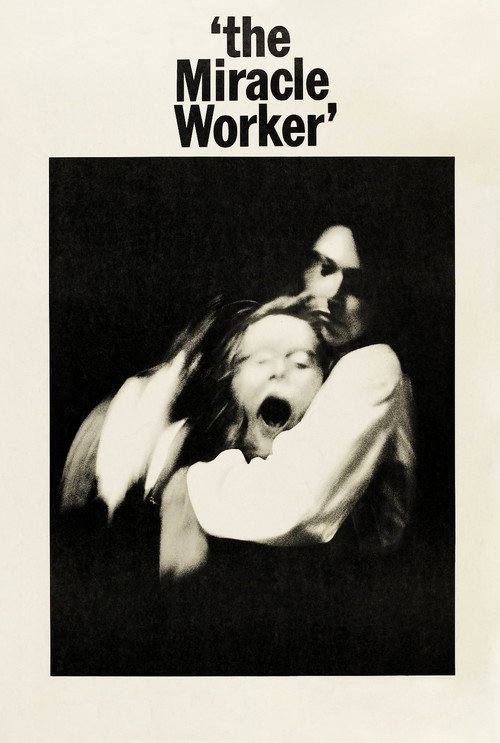
The Miracle Worker1962
Released the year before, this also stars Patty Duke as a disabled child and explores education, breakthrough, and the fierce will required to connect with someone locked behind disability. Arthur Penn's direction is kinetic and moving.
But It's a triumphalist narrative about cure and communication. A Child Is Waiting is messier and more skeptical about what transformation looks like.
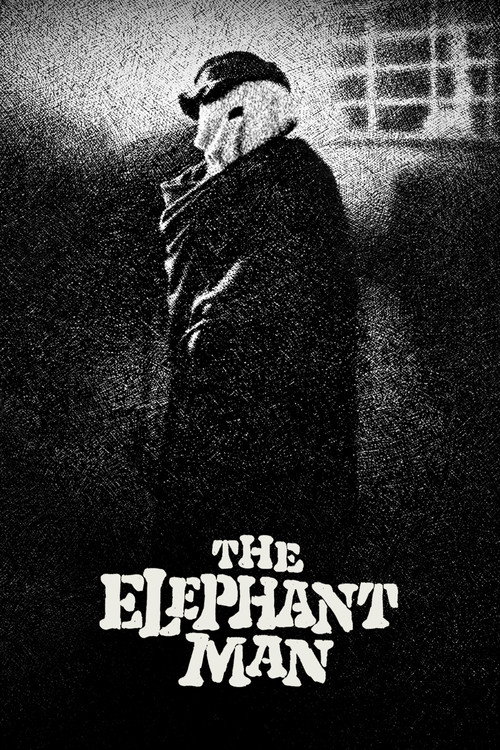
The Elephant Man1980
David Lynch's meditation on disability, institutional care, and how society looks at the body deemed monstrous. Shot in black-and-white, visually poetic, and deeply humane about what it means to be seen as other.
But It's more formally ambitious and less concerned with plot. Some find it slow; it asks you to sit with discomfort rather than resolve it.
Not sure tonight? Get a pick in a minute, starting from A Child Is Waiting
The wildcard
Something you would not have found on your own.
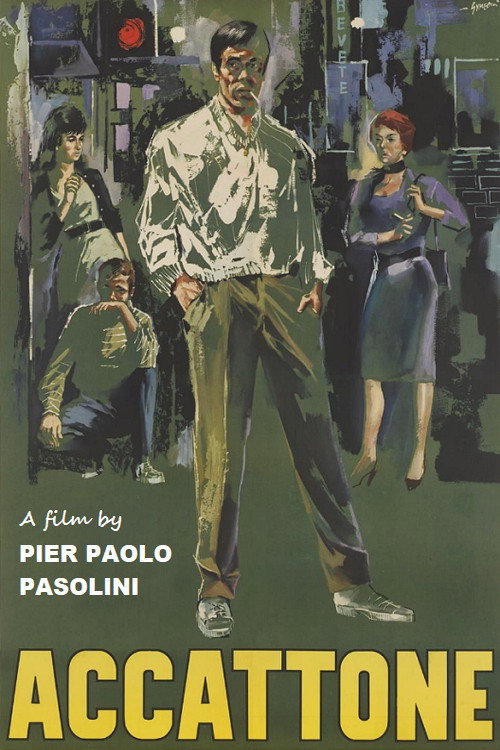
Accattone1961
Both films reject sentiment as a response to human vulnerability; both trust non-professional actors and documentary-like observation; both were made in the early 1960s by artists skeptical of easy answers about who deserves help.
Pier Paolo Pasolini's debut uses non-professional actors—people from Rome's streets—in a narrative about poverty and marginal life. Shot on location with a documentary's eye for real texture. Like A Child Is Waiting, it treats vulnerable people with dignity rather than pity, and finds unexpected grace in institutional and social failure.
But It's Italian, in black-and-white, and concerns a pimp and his community. No sentimentality, no music teacher to soften things. Challenging and sometimes bleak.
More like this (8)
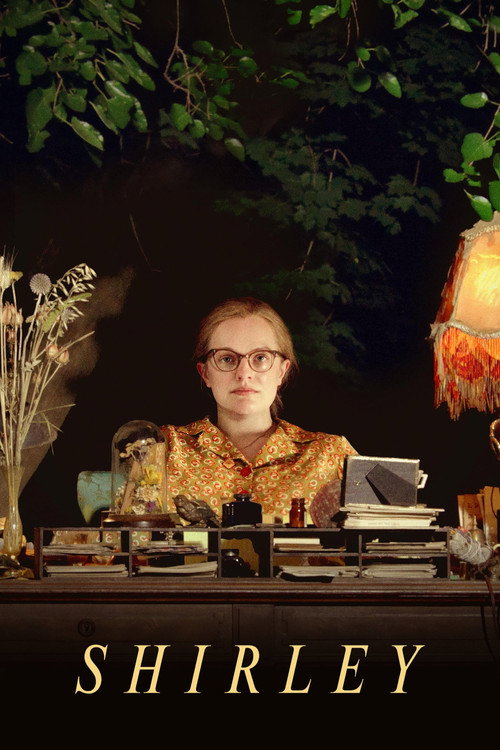
Shirley2020
Elisabeth Moss as Shirley Jackson, struggling through domestic life and creative ambition. Another film about a woman trying to do meaningful work while institutional forces—here marriage and motherhood—push back. Thoughtful and quietly angry.
But It's a biopic about a writer, not a direct thematic match. Also very small and interior, almost claustrophobic.
The Best Years of Our Lives1946
William Wyler's post-war epic about men returning to a society that doesn't quite know how to integrate them. Earnest, large-hearted, and genuinely interested in how institutions and communities fail people who need them.
But It's three and a half hours and from an earlier Hollywood tradition. The pacing and style may feel distant.

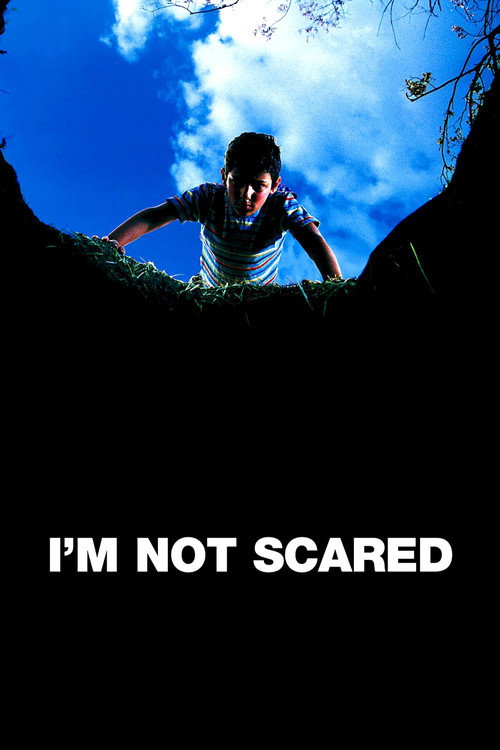
I'm Not Scared2003
An Italian film about a child's perspective on institutional cruelty and adult moral failure. Shot with a child's eye view, it's haunting and unsentimental about how damage happens to children in systems meant to protect them.
But It's in Italian and concerns a crime; the subject matter is darker and more violent than A Child Is Waiting.
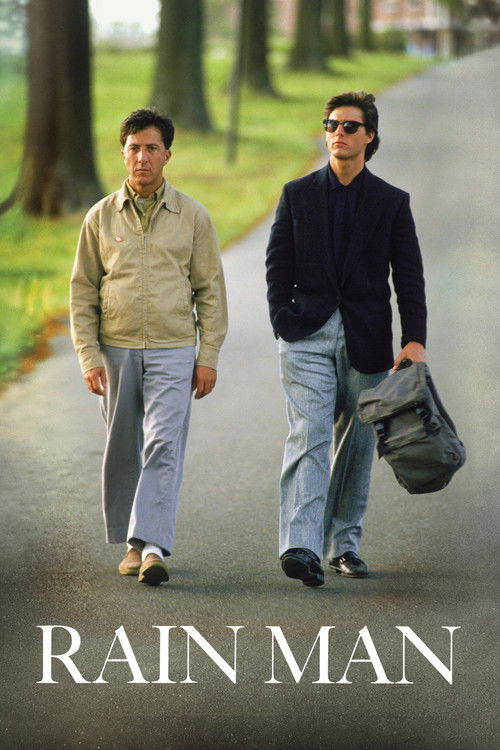
Rain Man1988
Tom Cruise and Dustin Hoffman as brothers navigating disability, institutional life, and what independence actually means. Hugely popular, but genuinely moving about the gap between neurotypical assumptions and lived neurodivergent experience.
But It's a feel-good buddy movie with a Hollywood ending. Some disability advocates find its sentimentality reductive.
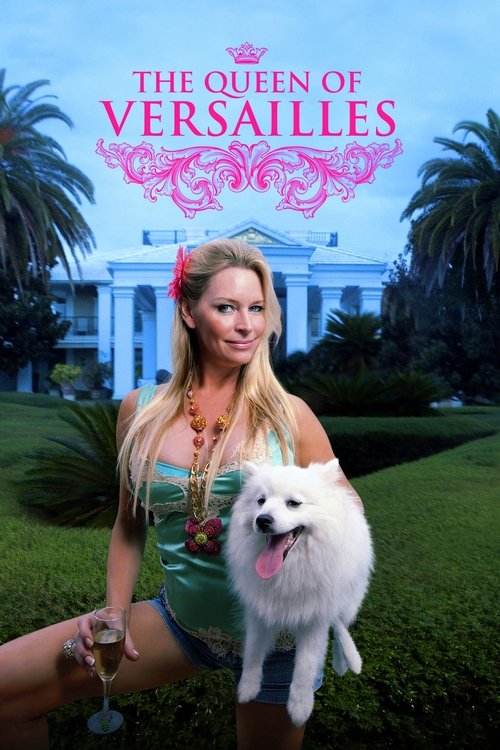
The Queen of Versailles2012
A documentary about a family's rise and fall, but it's also a portrait of American care and crisis. The filmmakers watch without judgment as lives unravel, much like Cassavetes observes his characters with compassion but no easy answers.
But It's a documentary, not narrative drama, and the connection is tonal rather than thematic. Also quite long and meandering.
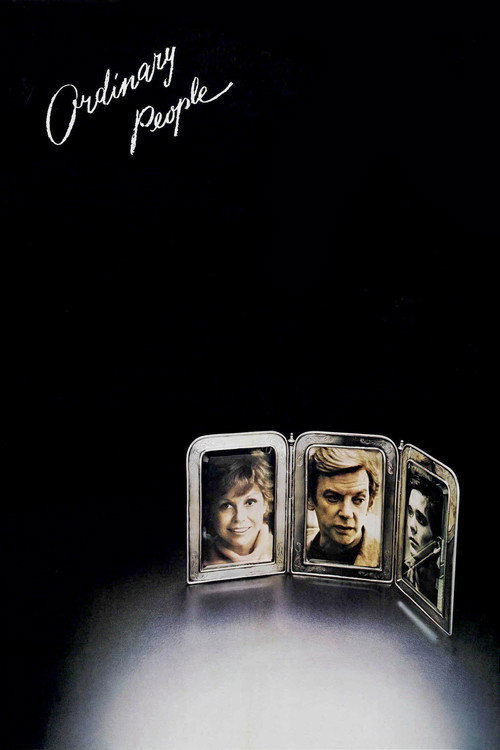
Ordinary People1980
Robert Redford's directorial debut about a family and a teenager in therapy after tragedy. Like A Child Is Waiting, it's about institutions (here, therapy and school) as containers for human crisis, and how well-meaning adults often misunderstand what children need.
But It won Best Picture and is very much a prestige drama of its moment. The emotional beats can feel prescribed; it's less rough than Cassavetes' film.
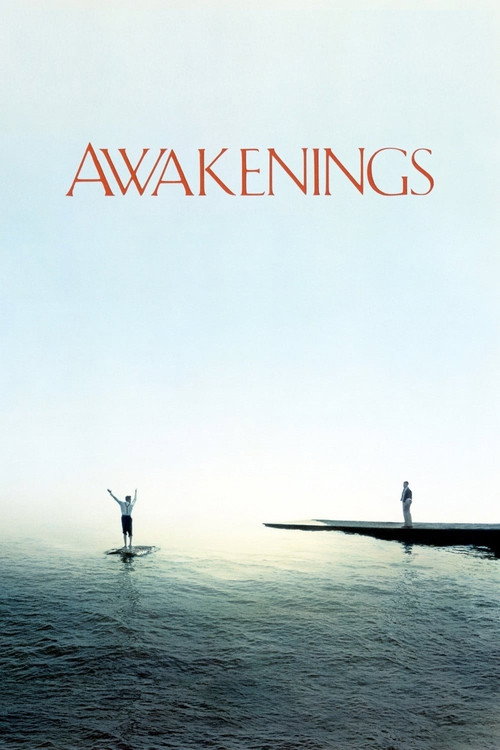
Awakenings1990
Both explore institutions for the vulnerable through the eyes of a newcomer; both ask what medicine or care actually owes to people society has written off; both feature a professional in crisis when their methods fail to match human need.
Penny Marshall's film about Oliver Sacks administering an experimental drug to catatonic patients in a state institution. Like A Child Is Waiting, it's about the gap between professional detachment and human connection, but it reverses the formula: the doctor learns from the patients, not the reverse.
But It's a feel-good film with movie stars (Robert De Niro, Robin Williams) and a tidy arc. It resolves what A Child Is Waiting leaves broken.
Come and See1985
Both films put a child at the center and refuse to soften what happens to them; both treat institutional and social systems as forces that wound rather than heal; both distrust narrative redemption.
Elem Klimov's Belarusian film about a boy and a partisan soldier during Nazi occupation. Shot like a documentary, unsparing and hallucinatory. It shares A Child Is Waiting's refusal to exploit children for sentiment—instead, it shows how institutions and violence hollow them out. Brutal, necessary, unforgettable.
But It is extremely difficult to watch—war, atrocity, a child's spiritual destruction. Not entertainment; a near-traumatic experience by design.

People
Cast
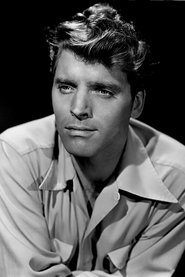 Burt LancasterDr. Matthew Clark
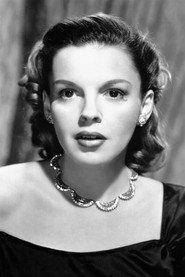 Judy GarlandJean Hansen
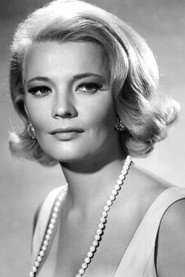 Gena RowlandsSophie Widdicombe
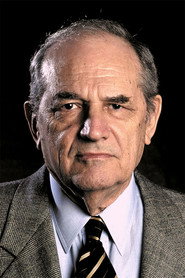 Steven HillTed Widdicombe
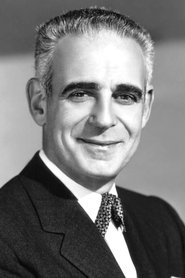 Paul StewartGoodman
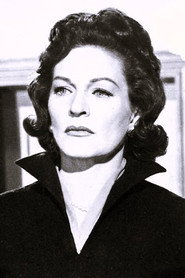 Gloria McGeheeMattie
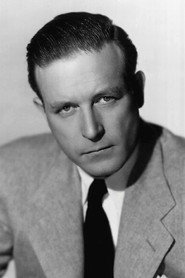 Lawrence TierneyDouglas Benham
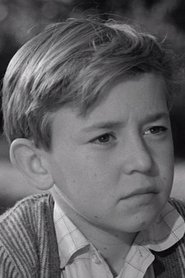 Bruce RitcheyReuben Widdicombe
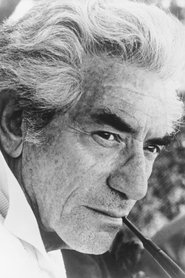 John MarleyHolland
 Bill MumyChild
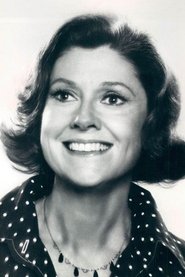 Elizabeth WilsonMiss Fogarty
 Barbara PepperMiss Brown (uncredited)
Directing
- Douglas GreenAssistant Director
- Lindsley Parsons Jr.Assistant Director
- John CassavetesDirector
- Marshall SchlomScript Supervisor
Writing
- Abby MannWriter
Production
- Philip LangnerAssociate Producer
- Lynn StalmasterCasting
- Stanley KramerProducer
- Nate H. EdwardsProduction Manager