
Film
Come to the Stable
- Drama
- Light-hearted
A 1949 comedy-drama about two French nuns arriving in a New England town with an audacious plan: build a children's hospital. What could be maudlin is instead buoyant and funny, anchored by Loretta Young's warmth and the film's genuine affection for its eclectic cast of misfits and townspeople. It's faith-based without being preachy, and utterly charming.
Should you watch it?
Watch it if you enjoy gentle, sunny comedies where good-hearted persistence wins over stubborn skeptics, and a wry sense of faith sits comfortably beside sly humor.
Skip it if you want brisk plotting or sharp modern edges; this is a warm, leisurely, old-fashioned film that stays polite and unhurried for its full ninety-four minutes.
What it asks of you: Settle in for a short, easygoing stretch of gentle episodes, with little urgency and a light, affectionate tone that rewards patience more than attention to tight plot mechanics.
Not sure? Find tonight's pick in a minute.
If you liked this
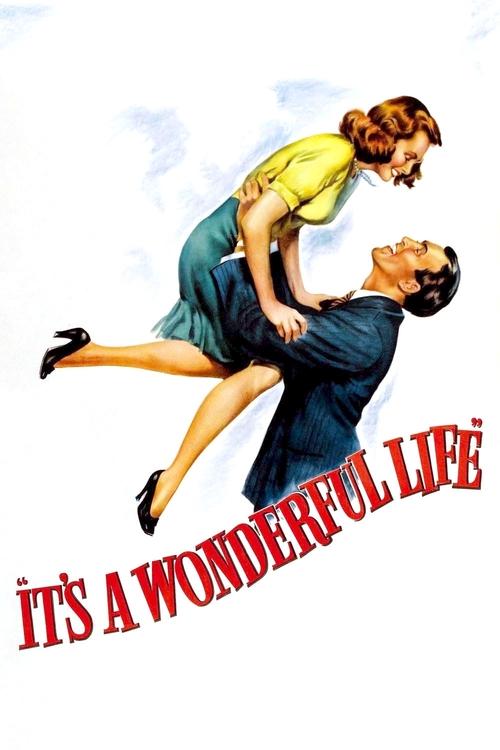
It's a Wonderful Life1946
A small town transformed by one person's determination and good faith, filtered through sentiment and humor. Both films trust their audience's capacity for genuine emotion without cynicism or manipulation.
But The sentimental register will feel dated if you're allergic to earnestness, and neither film has much edge or moral ambiguity.
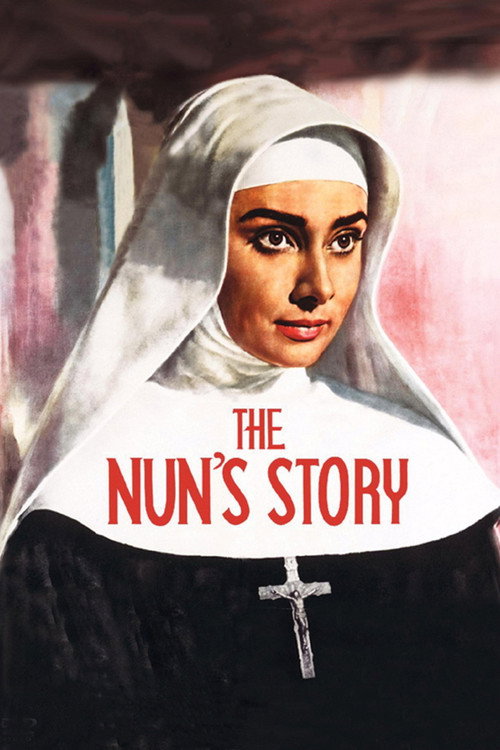
The Nun's Story1959
Audrey Hepburn as a nun navigating faith, duty, and personal conviction with intelligence and grace. A deeper, more psychologically complex exploration of religious life that respects both doubt and devotion.
But Considerably darker and more introspective than Come to the Stable; if you want lightness, this goes the opposite direction.
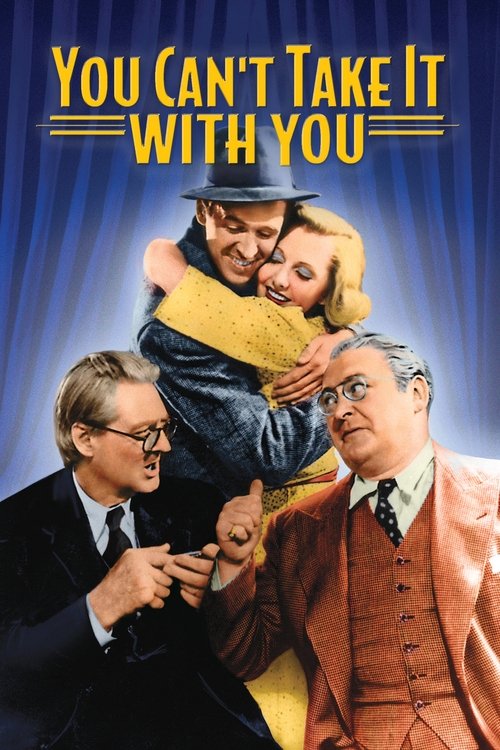
You Can't Take It with You1938
Frank Capra's masterpiece about eccentric people building something together through stubborn goodness. The same DNA: ensemble charm, small-town values, and the comedy of watching practical people execute unpractical dreams.
But Nearly three hours, and the pacing is deliberate by modern standards. The screwball elements require patience and attentiveness.
Not sure tonight? Get a pick in a minute, starting from Come to the Stable
The wildcard
Something you would not have found on your own.
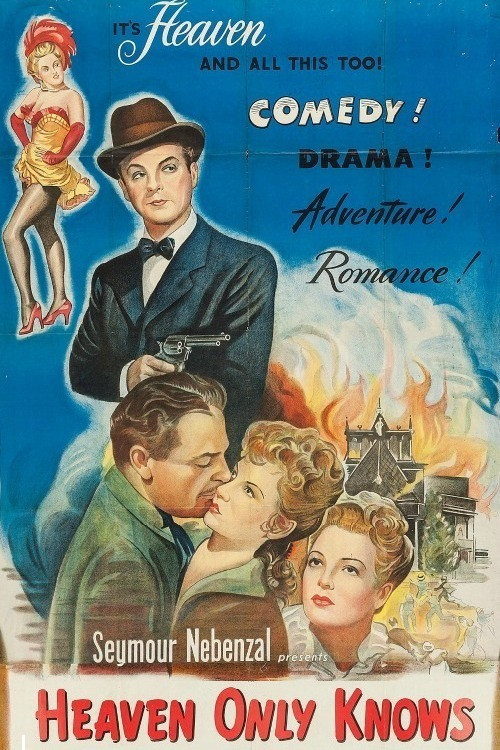
Heaven Only Knows1947
Both use angels or divine intervention as a narrative engine to bring a community together, but this one leans into the fantastical rather than the practical.
An angel is sent to earth to help a Kansas farmer solve his problems. It has Come to the Stable's whimsy and faith in providence, but told from a male protagonist's perspective and with a more dreamlike, almost surreal register.
But Much weirder and less grounded than Come to the Stable; the magical elements are strange rather than charming, and it's harder to find.
More like this (8)
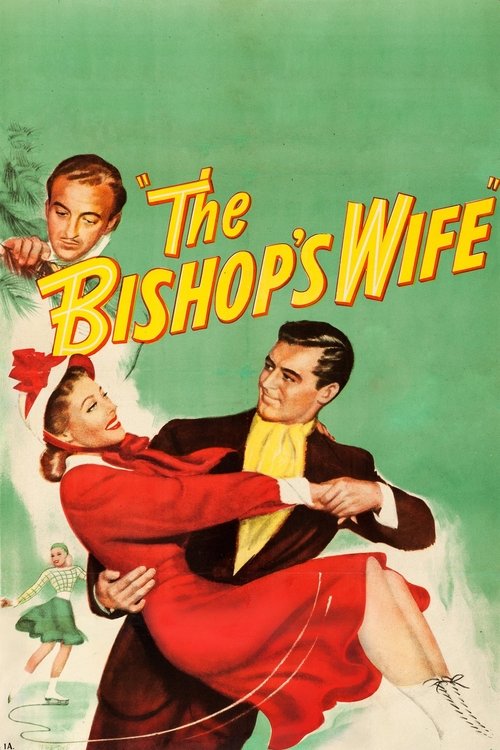
The Bishop's Wife1947
An angel helps a bishop and his wife reconnect while a cathedral is being built. Cary Grant, Loretta Young again, and a similar blend of the miraculous with the domestic, all wrapped in Christmastime warmth.
But The gender dynamics are very much of 1947; the wife's arc will frustrate viewers expecting modern relationship logic.
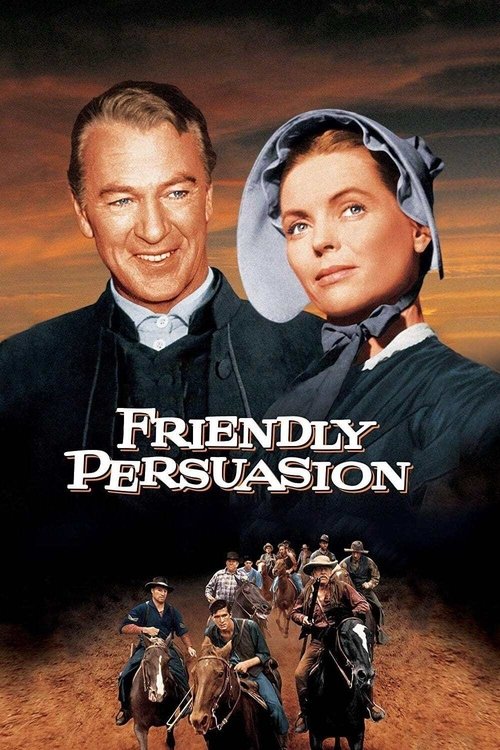
Friendly Persuasion1956
A Quaker family during the Civil War, wrestling with faith and principle in a small town. William Wyler's film has the same gentle humor and moral seriousness, with strong ensemble work and real stakes.
But The pacing is unhurried, and the central conflict may feel remote if historical settings leave you cold.
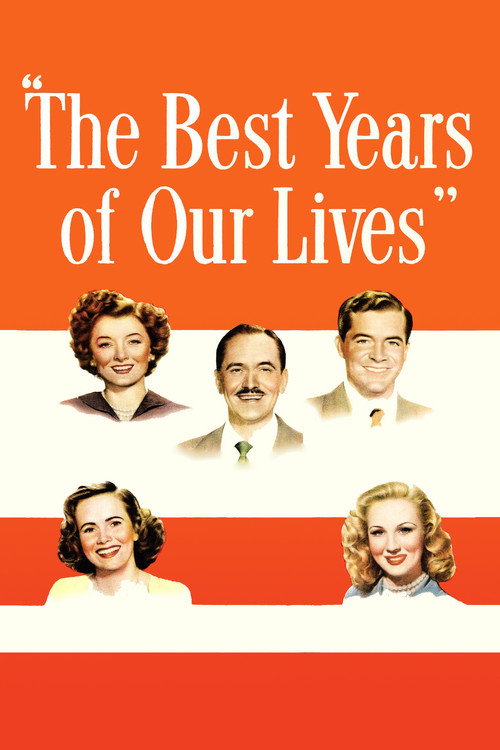
The Best Years of Our Lives1946
Three soldiers returning to a small American town after WWII rebuild their lives with the help of their community. Epic in scope but intimate in feeling, with that same faith in ordinary people's capacity for decency.
But Nearly four hours long, and it's a heavy film about trauma and readjustment, not a light comedy. The emotional weight is substantial.
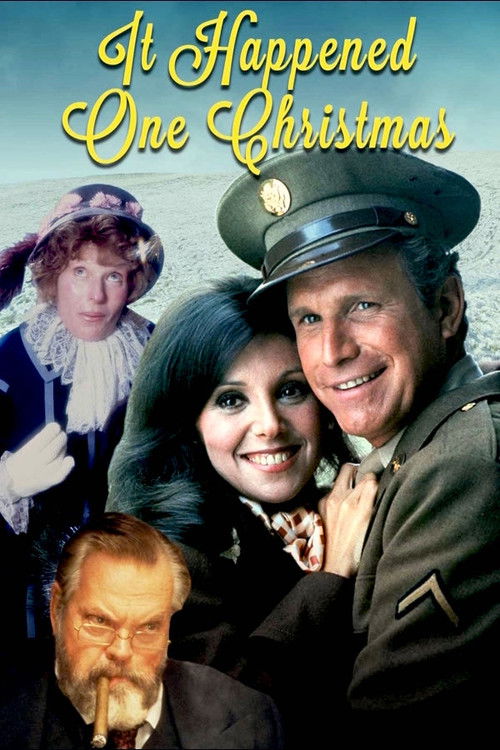
It Happened One Christmas1977
A gender-swapped It's a Wonderful Life with Marlo Thomas. Same seasonal warmth and small-town sentiment, with that era's earnest TV movie sincerity that pairs well with Come to the Stable.
But A TV movie from the 70s, which means modest production values and pacing that assumes commercial breaks. It looks and feels quaint now.
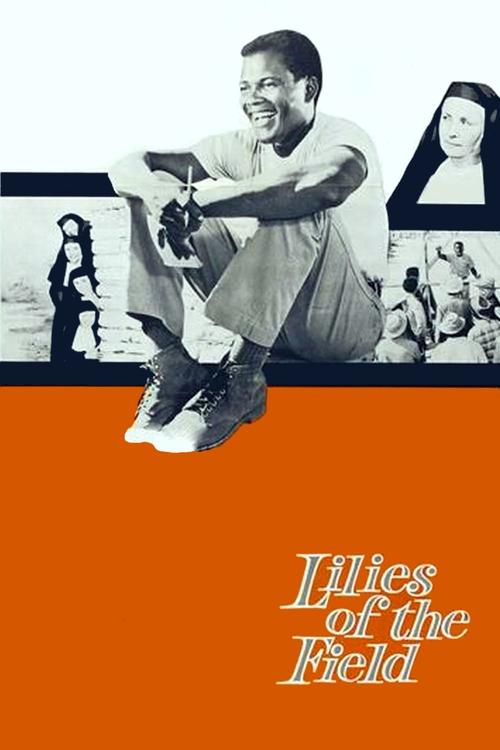
Lilies of the Field1963
Sidney Poitier helps a group of nuns build a chapel in the desert. A gentler, more contemplative take on the nun-and-community-building premise, with real grace and quiet humor.
But Slower and more meditative than Come to the Stable; if you want momentum and plot, this won't deliver it.
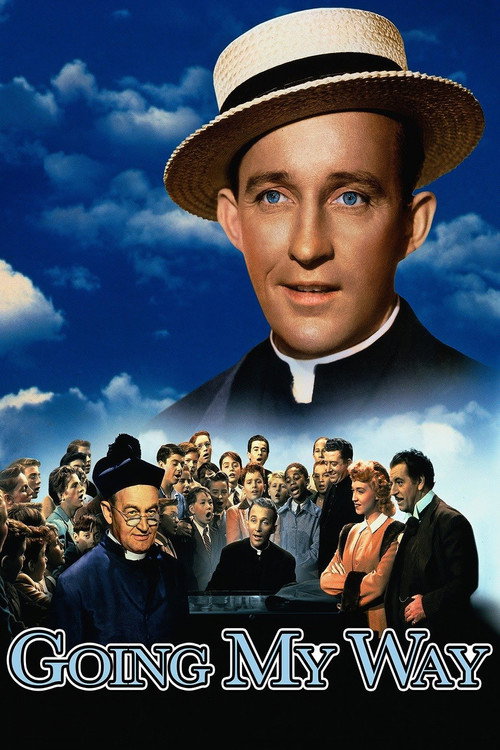
Going My Way1944
Bing Crosby as a progressive priest reforming a stuffy parish. Mid-century Catholic cinema at its most appealing, with music, humor, and the same faith in individual goodness changing communities.
But Crosby's charisma carries it, but the script is thin, and the whole thing feels like an extended musical interlude rather than a film.
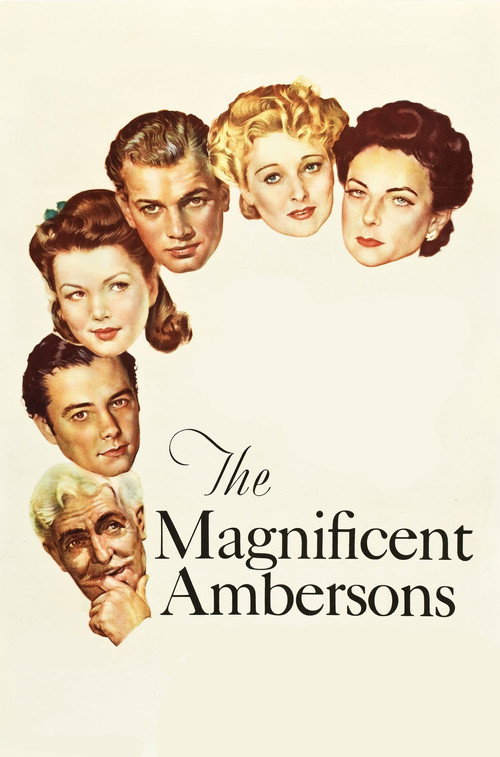
The Magnificent Ambersons1942
Both are deeply invested in the geography and sociology of American small towns, but where Stable builds hope, Ambersons documents its collapse.
Orson Welles' portrait of a town and its decay, a moral and aesthetic opposite to Come to the Stable's optimism. If you loved the texture of small-town America in Stable but want tragedy instead of triumph, this is the inversion.
But It's bleak, formally experimental, and ends on genuine loss. Also truncated by studio interference and shorter than Welles intended, which creates narrative gaps.
The Leopard1963
Both explore how individuals—in Stable the nuns, in Leopard the Prince—attempt to shape their communities' futures amid historical change, but Leopard suggests such efforts are ultimately futile.
Luchino Visconti's epic about an Italian nobleman navigating social change during unification. If you loved Come to the Stable's theme of individuals working within a community in flux, this expands it to grand opera scale, with Burt Lancaster magnificent.
But A 205-minute Italian film in subtitles about 19th-century aristocracy. The entry price is high, and the tonal register is tragic, not comedic.

People
Cast
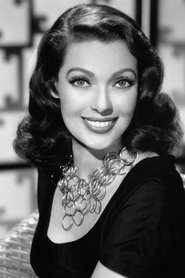 Loretta YoungSister Margaret
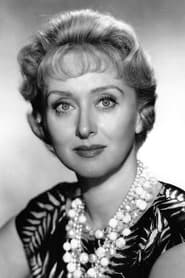 Celeste HolmSister Scholastica
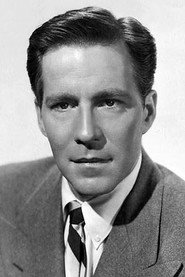 Hugh MarloweRobert Masen
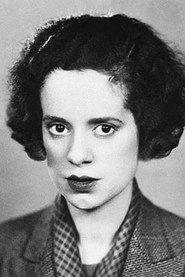 Elsa LanchesterAmelia Potts
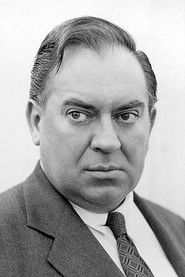 Thomas GomezLuigi Rossi
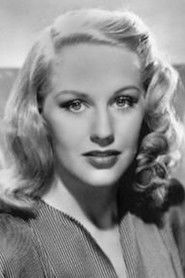 Dorothy PatrickKitty
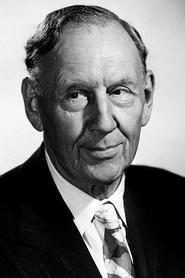 Basil RuysdaelThe Bishop
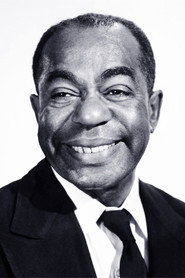 Dooley WilsonAnthony James
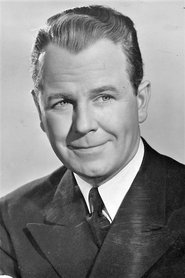 Regis ToomeyMonsignor Talbot
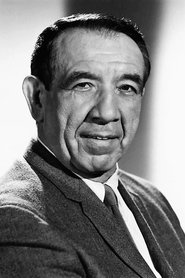 Mike MazurkiSam
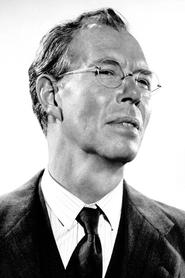 Walter BaldwinClaude Jarman (uncredited)
- Pati BehrsNun (uncredited)
Directing
- Henry KosterDirector
Writing
- Oscar MillardScreenplay
- Sally BensonScreenplay
- Clare Boothe LuceStory
Production
- Samuel G. EngelProducer