
Film
The Majestic
Jim Carrey plays against type as an amnesiac blacklisted screenwriter who drifts into a 1950s small town and becomes the man everyone needs him to be. It's a Capra-esque fable about grace, forgiveness and the stories we tell ourselves—earnest, deliberately paced, designed to move you quietly rather than dazzle you.
Should you watch it?
Watch it if you love earnest, old-fashioned movies about small-town decency and the quiet courage it takes to stand up when the country is frightened, with a sentimental streak you don't need to apologize for.
Skip it if you want a lean, fast-moving picture; this one wanders into long stretches of civic speeches and gentle courtship, and its warmth can feel syrupy if you come in cynical.
What it asks of you: Plan for a long sit, roughly two and a half hours, unhurried and earnest in tone, with a lot of patience needed for its slow build before the emotional payoff lands.
Not sure? Find tonight's pick in a minute.
If you liked this
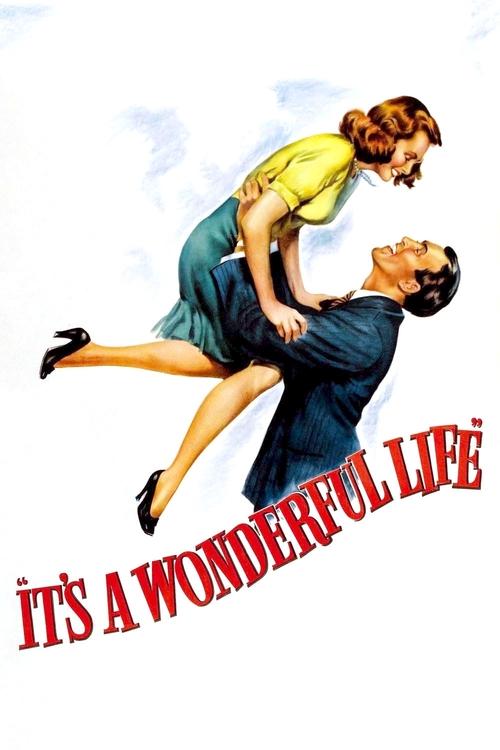
It's a Wonderful Life1946
The spiritual template: a man sees what his town would lose without him, learns that ordinary lives matter. Carrey's film echoes Capra's faith in community and second chances with real reverence.
But Three hours of sentiment that demands you meet it halfway. If you resist the earnestness, it will feel manipulative rather than healing.
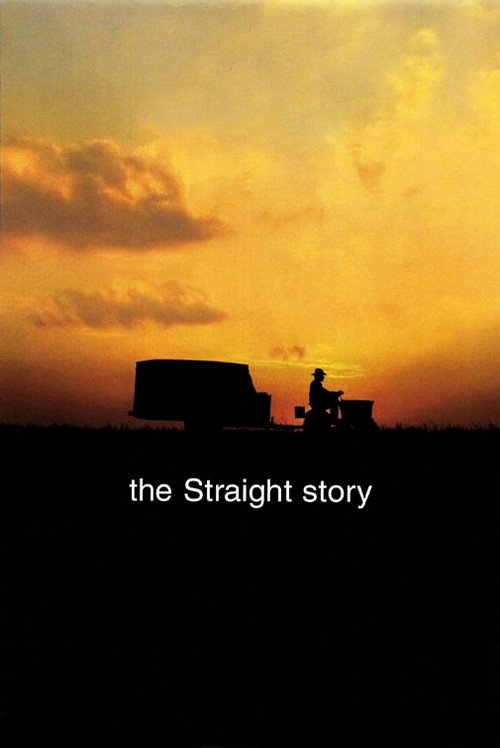
The Straight Story1999
David Lynch's Americana hymn about a man reconciling with his brother across a landscape of small towns and moral clarity. Same register as *Majestic*: slow, genuine, unashamed of tenderness.
But Nearly two hours of a man on a riding lawnmower. If you need plot momentum or irony, you will find only patience being asked of you.
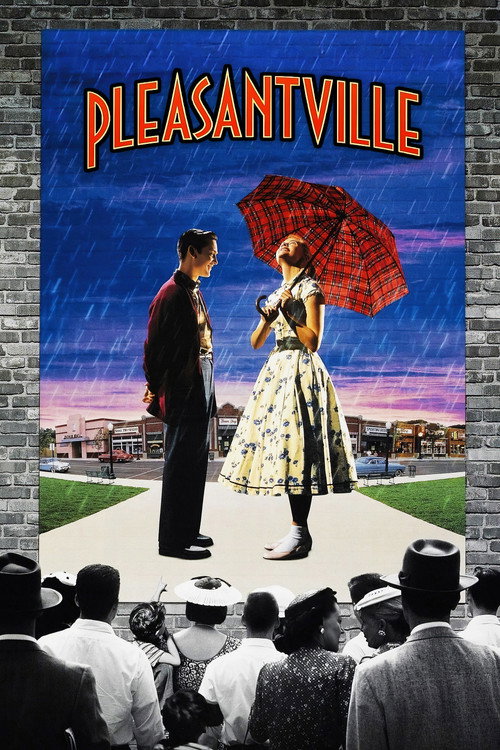
Pleasantville1998
Siblings trapped in a 1950s sitopia must navigate between conformity and authenticity. Like *Majestic*, it's about how small towns function as moral spaces, and what the cost of belonging really is.
But The metaphor is quite obvious. If you prefer subtlety to thematic directness, it will feel didactic.
Not sure tonight? Get a pick in a minute, starting from The Majestic
The wildcard
Something you would not have found on your own.
The Best Years of Our Lives1946
Both explore how small towns function as healing spaces and moral proving grounds, but this one insists that healing isn't guaranteed and that coming home is never simple.
Three soldiers return to their small Indiana town and must rebuild lives that no longer fit them. It's the dark inverse of *Majestic*: same Americana setting and faith in community, but the men are damaged, the homecoming is complicated, and grace is harder to find.
But At three hours and forty minutes, it demands investment. The emotional terrain is rougher and less comforting than you might want.

More like this (8)
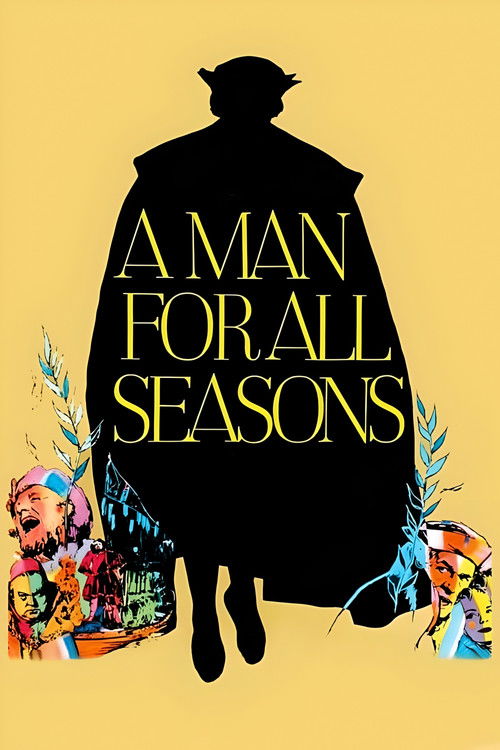
A Man for All Seasons1966
Paul Scofield as a man trying to live honestly in a corrupt system. The film shares *Majestic's* interest in integrity, conscience, and whether it's possible to remain yourself when everything pressures you to break.
But Stagey and formal. The dialogue prioritizes principle over naturalism, which some find noble and others find chilly.
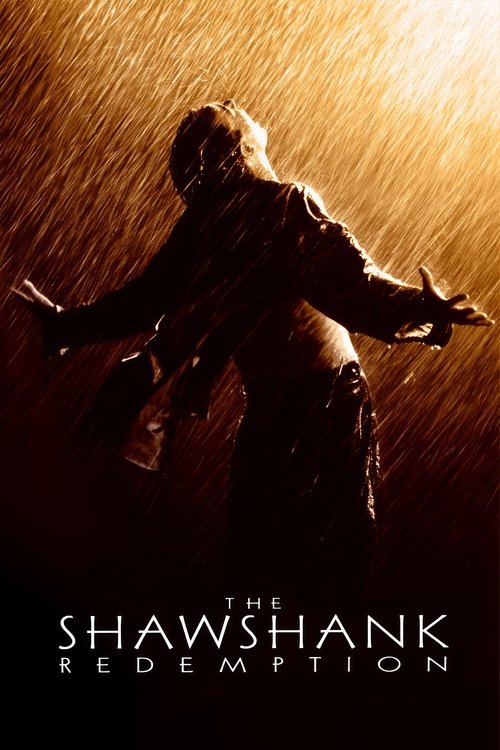
The Shawshank Redemption1994
A man reinvents himself through quiet persistence and human connection. Both films believe in redemption through community and the healing power of hope, even when circumstances seem hopeless.
But Its emotional beats are well-trodden now; familiarity with the story can make it feel like you're following a map rather than discovering something.
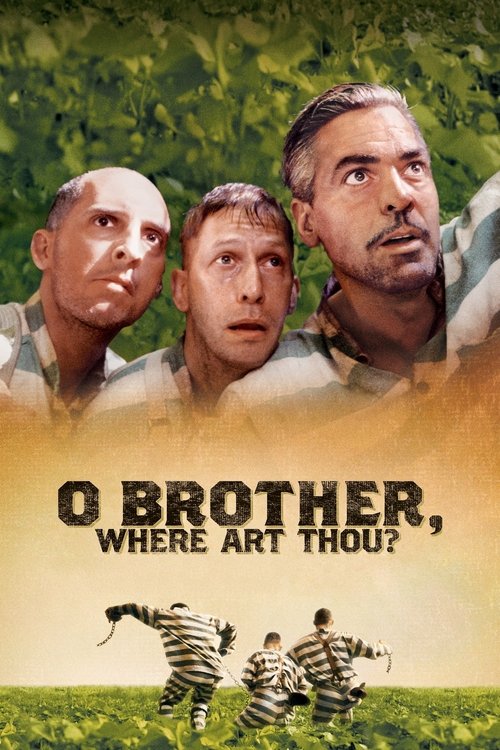
O Brother, Where Art Thou?2000
The Coen Brothers' Depression-era odyssey uses folk Americana and small-town episodic encounters to explore reinvention and the stories men tell about themselves. Lighter than *Majestic*, but thematically aligned.
But The style is extremely stylized—you're watching a shaggy folk opera, not a straightforward narrative. That artifice won't appeal to everyone.
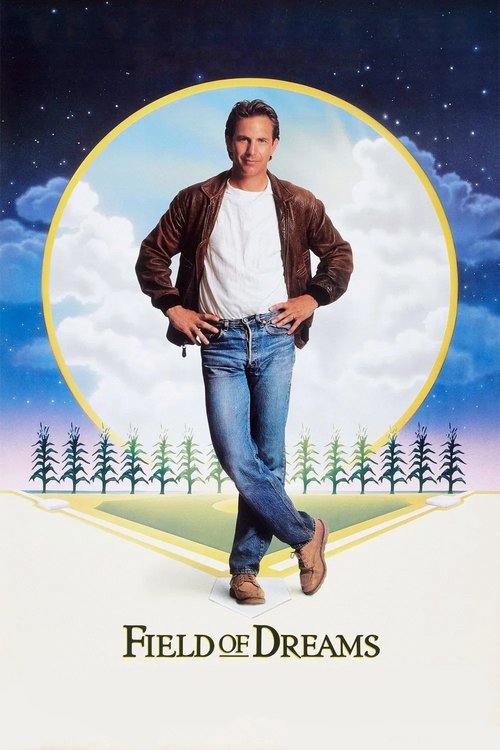
Field of Dreams1989
A man risks everything on faith and finds redemption through connection to his past and his community. Both films traffic in Americana mythology and believe that grace arrives through surrender and small-town wisdom.
But The logic is dreamlike and spiritual rather than rational. If you need your stories to behave like real life, the magical-realism moments will frustrate you.
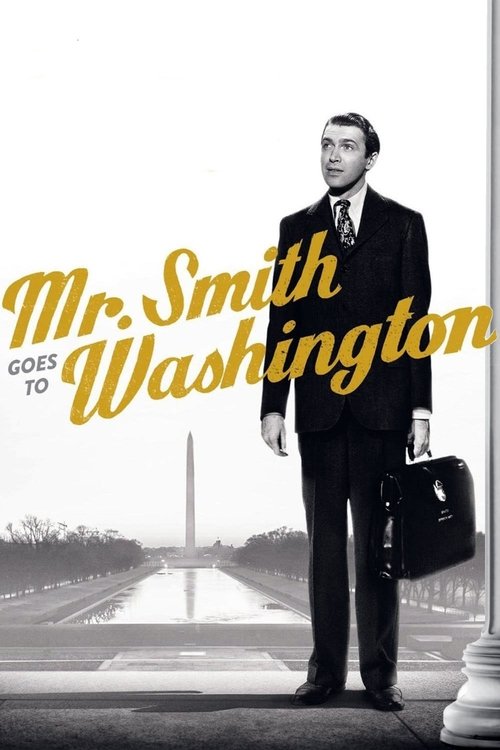
Mr. Smith Goes to Washington1939
An idealistic man confronts a corrupt system and discovers that goodness still matters. Jimmy Stewart's earnest decency mirrors Carrey's performance; both films are unapologetic celebrations of American idealism.
But It's staunchly old-fashioned. The patriotic sentiment and faith in institutions will feel naïve to modern eyes, and the pacing is leisurely.
The Bridges of Madison County1995
Clint Eastwood and Meryl Streep in a quiet story about a brief connection that changes everything. Like *Majestic*, it's unhurried, adult, and interested in how strangers transform each other through honesty.
But Romance told through restraint and implication. If you prefer passion to be visible and loud, the subtlety will feel like withholding rather than artistry.
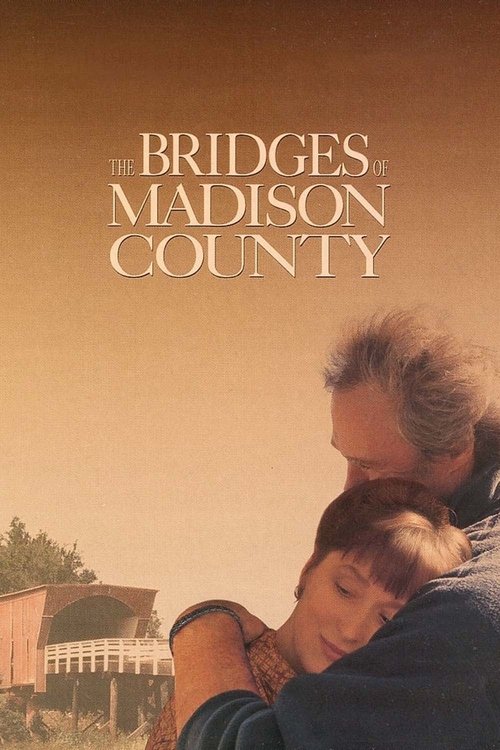
Tokyo Story1953
Both films share the belief that cinema can be a spiritual act—that watching ordinary people navigate grace and acceptance is enough, and that slowness is a form of respect.
An elderly Japanese couple visit their son in Tokyo and gently, quietly encounter failure, loss, and the distance between generations. Ozu's film is the world's greatest meditation on acceptance and the beauty of ordinary life—every frame is exactly what *Majestic* is trying to achieve.
But Plotless. Ozu's camera barely moves; you're asked to sit with stillness and find profound meaning in a cup of tea. Many find it meditative; many find it nothing.

A Ghost Story2017
Both are films about memory, identity, and the stories we use to make sense of loss—but where *Majestic* chooses acceptance and reinvention, this one explores what happens when we choose to be imprisoned by the past.
A man (played under a sheet) haunts the house he shared with his wife, watching decades pass while he clings to a moment he can't release. It's *Majestic* inverted: instead of accepting a new life, the protagonist refuses to let go of the past, and the film asks what it costs to refuse forgiveness.
But Deliberately strange and mournful. There's no plot momentum, minimal dialogue, and the central conceit is absurdist. It's meditative and bleak where *Majestic* is warm and hopeful.

People
Cast
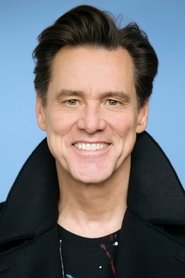 Jim CarreyPeter Appleton
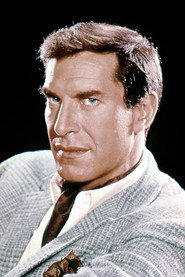 Martin LandauHarry Trimble
 Laurie HoldenAdele Stanton
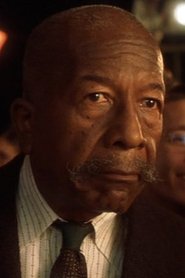 Gerry BlackEmmett Smith
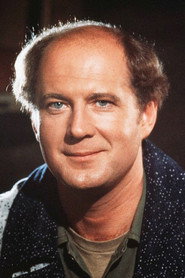 David Ogden StiersDoc Stanton
 Bob BalabanElvin Glyde
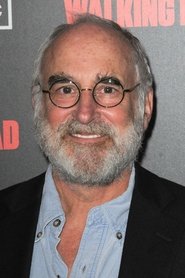 Jeffrey DeMunnMayor Ernie Cole
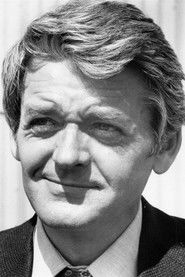 Hal HolbrookCongressman Doyle
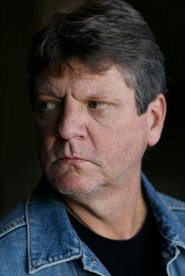 Brent BriscoeSheriff Cecil Coleman
 Ron RifkinKevin Bannerman
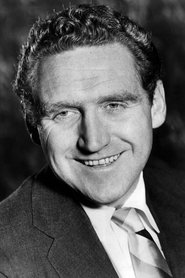 James WhitmoreStan Keller
 Susan WillisIrene Terwilliger
Directing
- Robert 'Skid' SkidmoreAdditional Second Assistant Director
- Frank DarabontDirector
- K.C. ColwellFirst Assistant Director
- Lyn Matsuda NortonScript Supervisor
- Susan MalersteinScript Supervisor
- Paula CaseSecond Assistant Director
- Craig ComstockSecond Second Assistant Director
Writing
- Michael SloaneScreenplay
Production
- Deborah AquilaCasting
- Jim BehnkeExecutive Producer
- Frank DarabontProducer
- Alison HarstedtProduction Supervisor