
Film
Freejack
A 1992 sci-fi action film where time-traveling bounty hunters snatch a 1991 race-car driver into a dystopian 2009 to harvest his body for a dying billionaire. It's trashy, propulsive, and visually ambitious in ways that don't always land—equal parts *Blade Runner* ambition and B-movie chaos. For viewers who like their cyberpunk messy and their action ungoverned by subtlety.
If you liked this
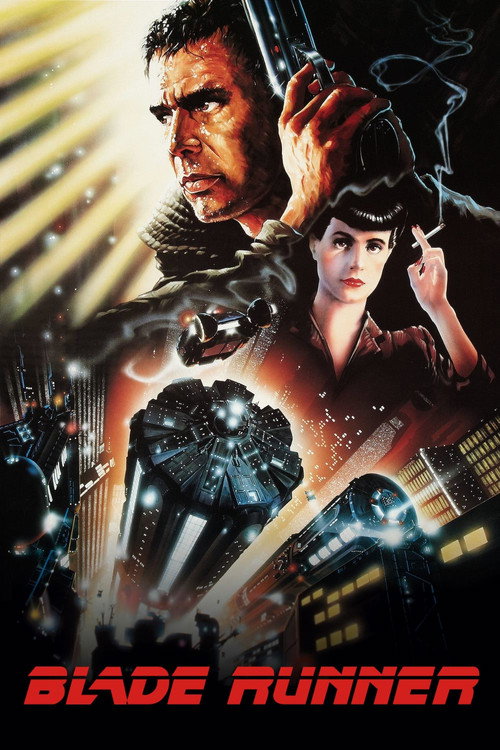
Blade Runner1982
The spiritual ancestor of every neon-drenched, body-horror sci-fi film that followed. Ridley Scott's vision of a dystopian future where identity and humanity blur—gorgeously shot and philosophically restless in ways that haunt you.
But Deliberately paced and meditative rather than propulsive. If you want constant action, this will feel like waiting in an airport.
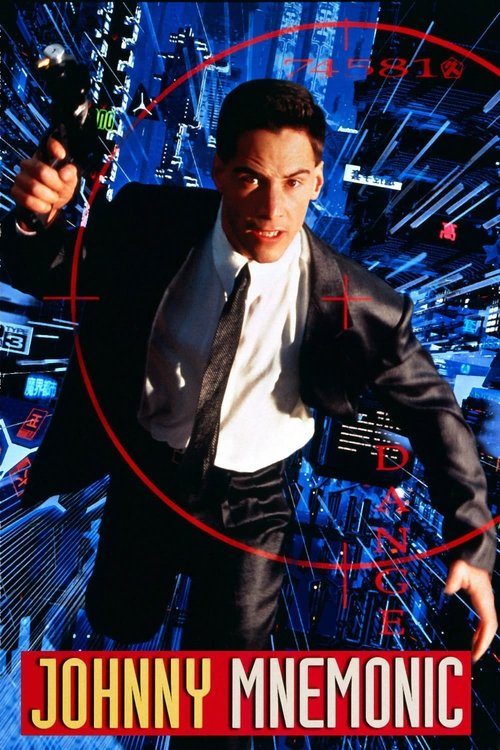
Johnny Mnemonic1995
Another mid-90s cyberpunk action film with Keanu Reeves, ice pirates, and a plot involving stolen data in the brain. It shares Freejack's commitment to visual spectacle over logical coherence, and commits fully to its own ridiculousness.
But The dialogue is notoriously clunky and the plot barely holds together. Watching it requires a genuine fondness for chaotic, expensive failures.
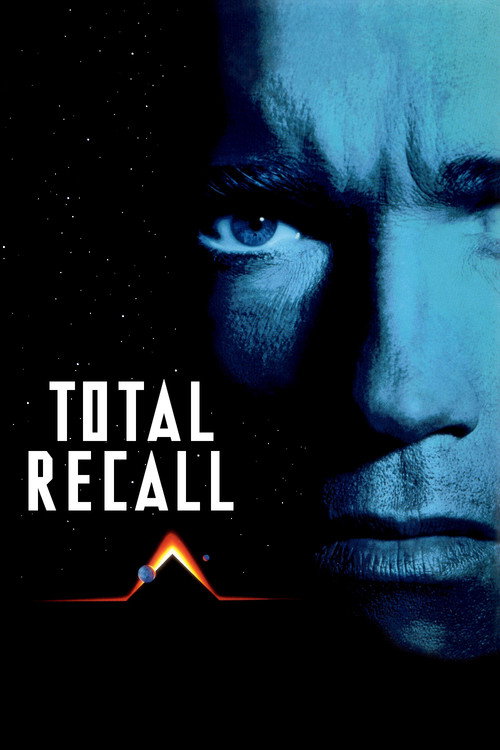
Total Recall1990
Paul Verhoeven's adaptation of Philip K. Dick about reality, identity, and corporate villainy. Like Freejack, it's a high-concept action film that wraps exploitation-movie energy around genuine philosophical questions about what makes us real.
But Gruesome and violent in ways that feel dated now. It's also genuinely confusing about what's real—intentionally, but that can frustrate rather than intrigue.
Not sure tonight? Get a pick in a minute, starting from Freejack
The wildcard
Something you would not have found on your own.
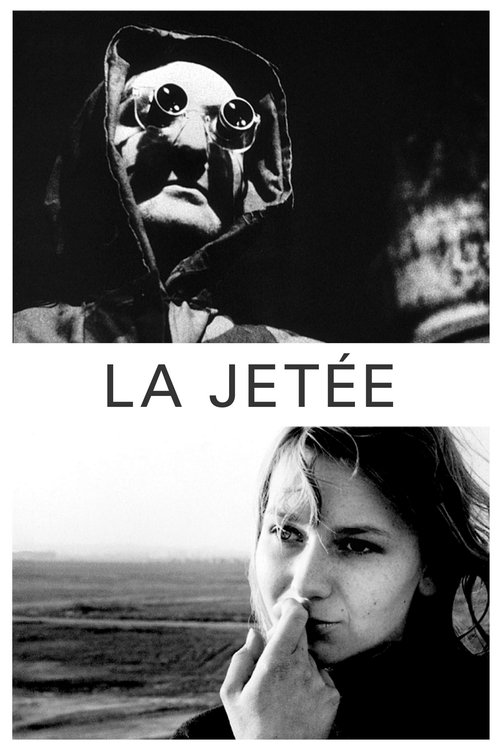
La Jetée1962
Both films hinge on the premise that you can kidnap someone across time and make them a commodity. Marker explores the existential horror of that idea; Freejack makes it a action-packed caper. Seeing them together shows the difference between science fiction as philosophy and science fiction as spectacle.
Chris Marker's time-travel masterpiece told almost entirely through still photographs and a voiceover. It achieves more emotional resonance and philosophical depth about time and identity in 28 minutes than most films manage in two hours. The sequence is haunting.
But It's experimental and static—the opposite of action cinema. If you need movement and dialogue, this will feel like staring at a photobook.
More like this (8)
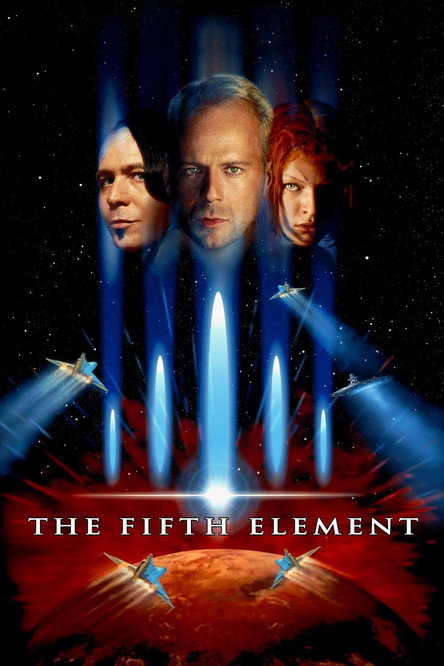
The Fifth Element1997
Luc Besson's maximalist sci-fi action film: colorful, operatic, visually excessive. It shares Freejack's lack of restraint and its willingness to treat future-dystopia as a setting for spectacle rather than a warning.
But The plotting is thin and the dialogue often cringeworthy. It's also so committed to style that substance barely registers.
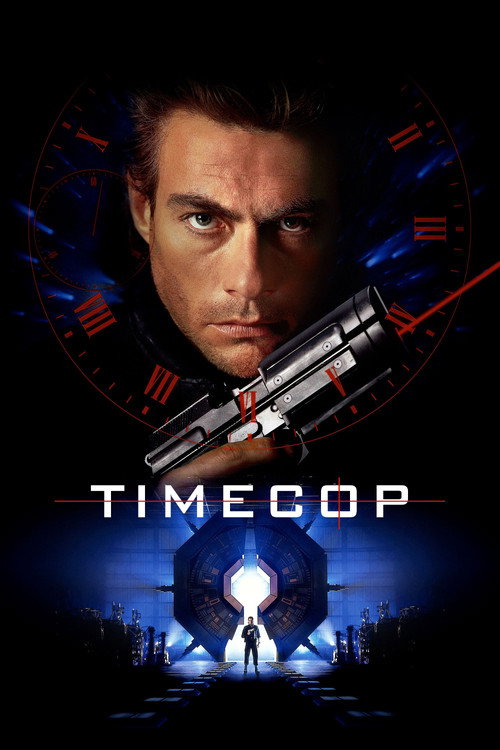
Timecop1994
Jean-Claude Van Damme fights through time to stop a corrupt politician. It's the same B-movie energy as Freejack—earnest, action-packed, visually busy sci-fi that doesn't overthink itself. A genuinely fun ride.
But Van Damme's acting is... Van Damme acting. The time-travel logic collapses under inspection. You have to be okay with dumb fun.
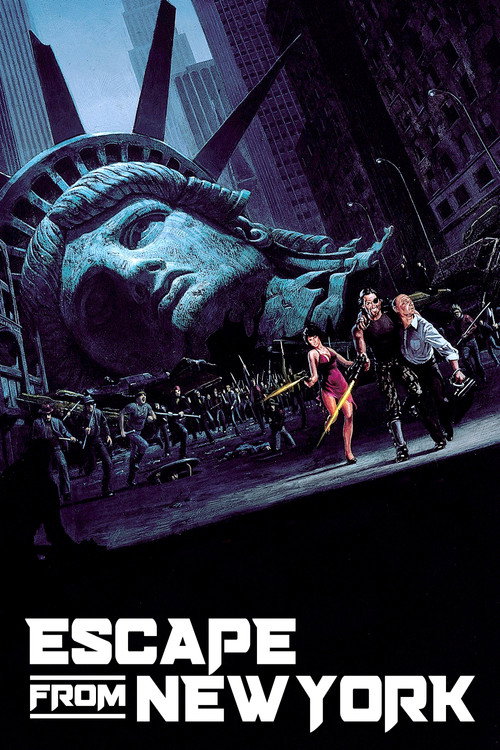
Escape from New York1981
John Carpenter's pulpy, action-forward dystopia with Kurt Russell as an antihero in a lawless future Manhattan. Same DNA as Freejack—high concept, propulsive, visually distinctive, and not interested in being believable.
But It's from 1981, so it looks it. The pacing is slack by modern standards and some plot threads go nowhere.
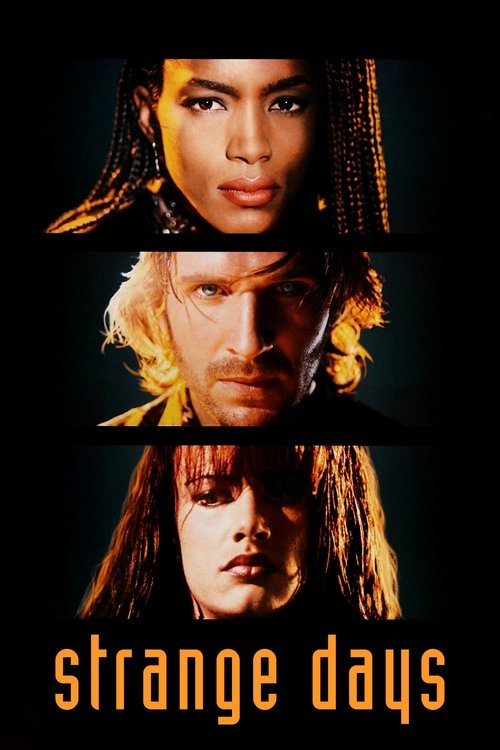
Strange Days1995
Kathryn Bigelow's cyberpunk noir about virtual-reality experiences recorded and sold in pre-millennial Los Angeles. It's smarter than Freejack but shares its fever-dream aesthetic and its stakes-raising third act adrenaline.
But It's long and morally murky in ways that can feel exhausting. The premise is more interesting than the execution.
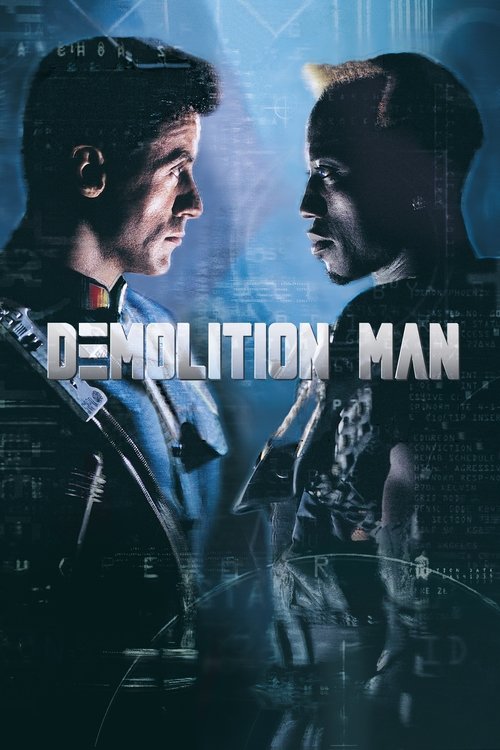
Demolition Man1993
Stallone and Snipes in a slick action-sci-fi about a cop from the past thrust into a sterile future. It's absurd but hugely entertaining, with that same commitment to high-concept silliness and spectacular set pieces.
But The satire is broad and obvious. The action choreography is 90s-stiff, and Wesley Snipes' character veers into camp.
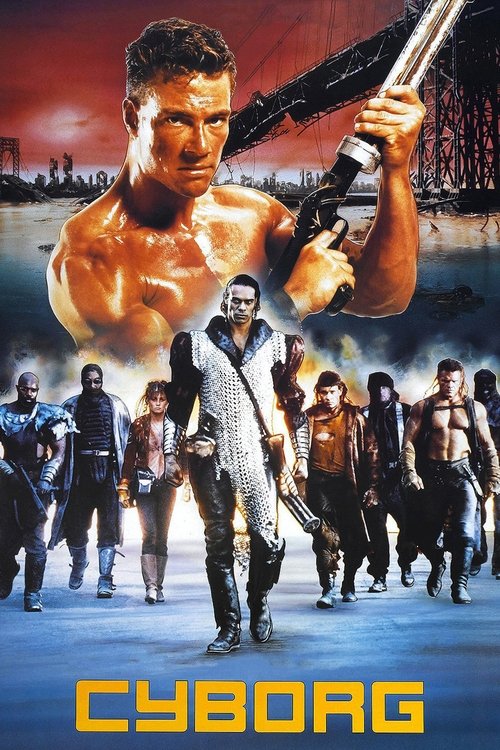
Cyborg1989
Jean-Claude Van Damme in Albert Pyun's post-apocalyptic action film. Genuinely weird, cheap-looking in an oddly atmospheric way, and driven by committed B-movie craftsmanship. If you want messy sci-fi action, this delivers.
But It looks like it cost $3 million because it did. The plot is secondary to the action, and some of that action is badly staged.
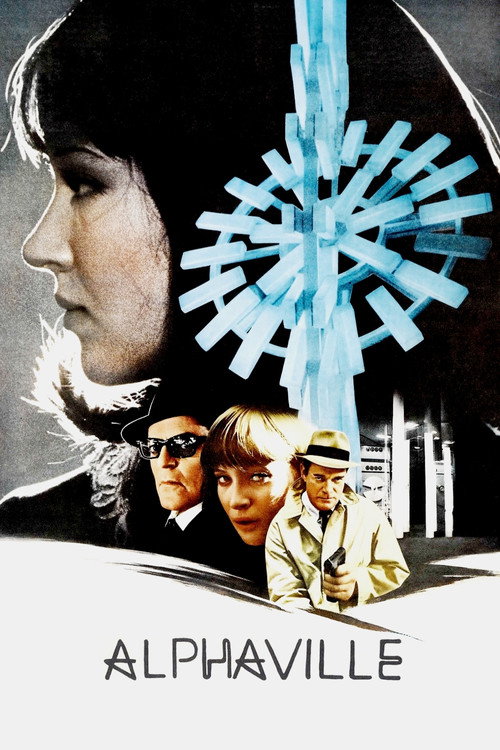
Alphaville1965
Both imagined dystopian futures shaped by capitalism and technology, but Alphaville does it with austere minimalism while Freejack throws money at the screen. Both are obsessed with the city as a character—one uses it as a philosophical trap, the other as a playground for chases.
Jean-Luc Godard's science-fiction film noir in black-and-white, where a secret agent travels through a futuristic computer-run city that looks like contemporary Paris. It's conceptually bold and visually stunning in ways that redefined what sci-fi could be on screen.
But It's French New Wave: slow, meditative, and deliberately alienating. No action sequences, minimal plot momentum. You need patience and a tolerance for ambiguity.
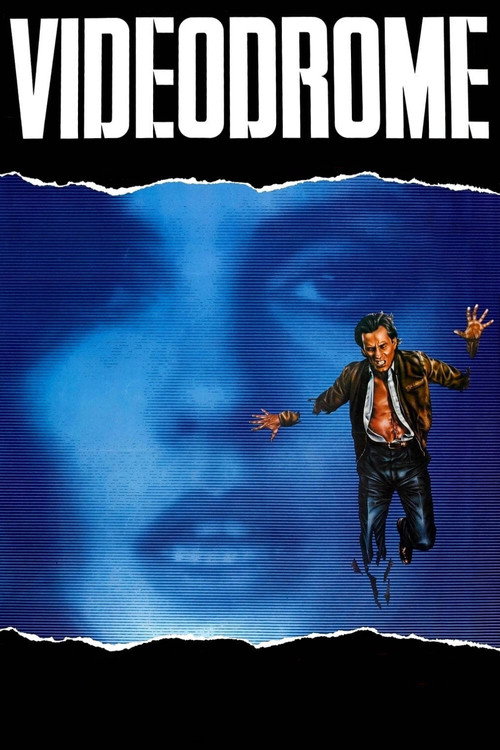
Videodrome1983
Both films are obsessed with the future taking over your body and your identity—one as corporate sci-fi action, one as body-horror nightmare. Freejack treats this as a thriller; Videodrome treats it as an existential violation. They're opposite approaches to the same primal fear.
David Cronenberg's hallucinogenic horror-sci-fi about a TV executive pulled into a nightmare of violent broadcast signals and body horror. It's visionary, utterly unique, and genuinely disorienting in a way that rewires your expectations of what genre cinema can do.
But It's visceral, sometimes nauseating body horror. The narrative is deliberately fragmented and hard to parse. Watching it feels like experiencing a fever dream, not enjoying a story.
People
Cast
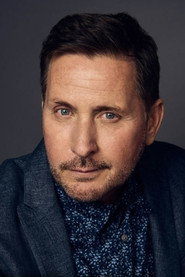 Emilio EstevezAlex Furlong
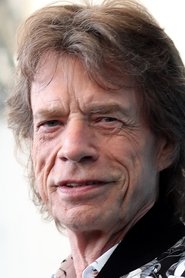 Mick JaggerVictor Vacendak
 Rene RussoJulie Redlund
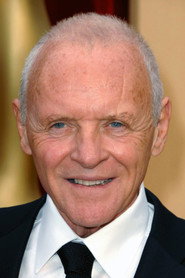 Anthony HopkinsIan McCandless
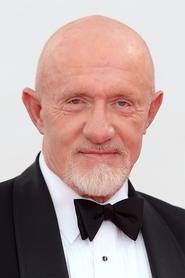 Jonathan BanksMark Michelette
 David JohansenBrad Carter

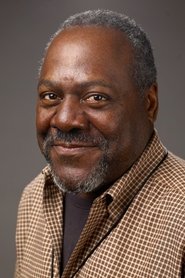 Frankie FaisonEagle Man
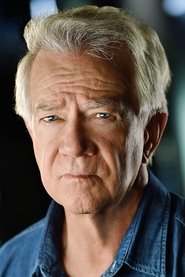 Wilbur FitzgeraldEarnhart
 Esai MoralesRipper
 Jerry HallNewswoman
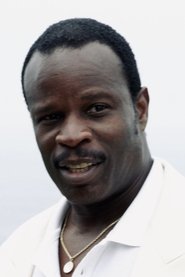 Grand L. BushBoone
Directing
- Geoff MurphyDirector
- Michael HaleyFirst Assistant Director
Writing
- Robert SheckleyNovel
- Dan GilroyScreenplay
- Ronald ShusettScreenplay
- Steven PressfieldScreenplay
- Ronald ShusettScreenstory
- Steven PressfieldScreenstory
Production
- David NicksayExecutive Producer
- Gary BarberExecutive Producer
- James G. RobinsonExecutive Producer
- Ronald ShusettProducer
- Stuart OkenProducer
- Victor Nelli, Jr.Producer