
Film
Tae Guk Gi: The Brotherhood of War
- War action
- Drama
- Very dark
A Korean War epic about two brothers conscripted into opposite sides of a brutal conflict. Director Park Chan-wook crafts visceral, handheld combat sequences that immerse you in the chaos and confusion of battle, while exploring how love and survival instinct can corrode under the weight of impossible choices. For anyone who wants war cinema that doesn't look away.
If you liked this
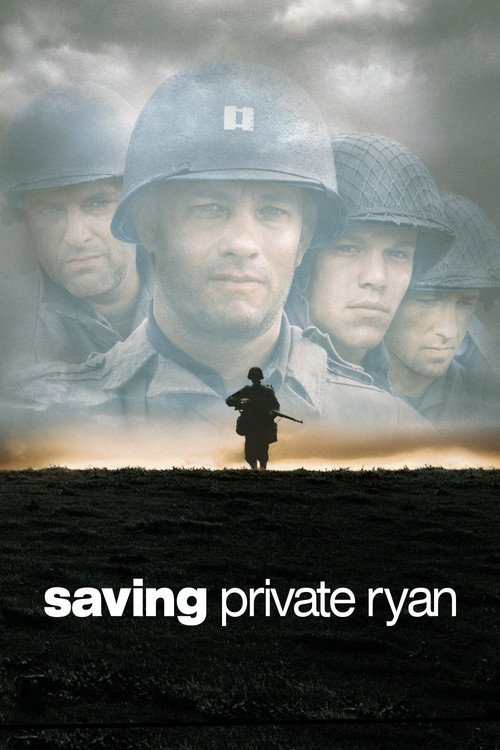
Saving Private Ryan1998
Spielberg's D-Day landing set the modern standard for unflinching war realism. Like Tae Guk Gi, it treats combat as sensory overwhelm rather than spectacle, with soldiers you believe are terrified.
But Nearly three hours, and after the opening thirty minutes of carnage, some find the narrative that follows less gripping than the viscera.
Come and See1985
Soviet cinema's masterpiece about a boy conscripted into WWII. Shares Tae Guk Gi's refusal to soften war's effect on the young, and its belief that cinema should wound the viewer.
But Intensely bleak, shot in desaturated colour, and genuinely punishing to watch. Not cathartic. Many find it unwatchable.

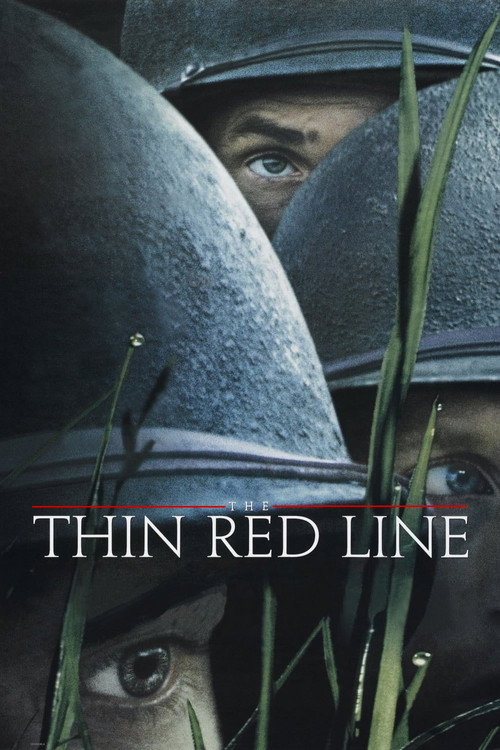
The Thin Red Line1998
Malick's meditation on violence, mortality and meaning amid Pacific combat. Like Tae Guk Gi, it refuses easy answers about honour or sacrifice, letting philosophical weight sit alongside action.
But Deliberately paced and digressive. If you want plot momentum, this meanders. Some audiences find it pretentious.
Not sure tonight? Get a pick in a minute, starting from Tae Guk Gi: The Brotherhood of War
The wildcard
Something you would not have found on your own.
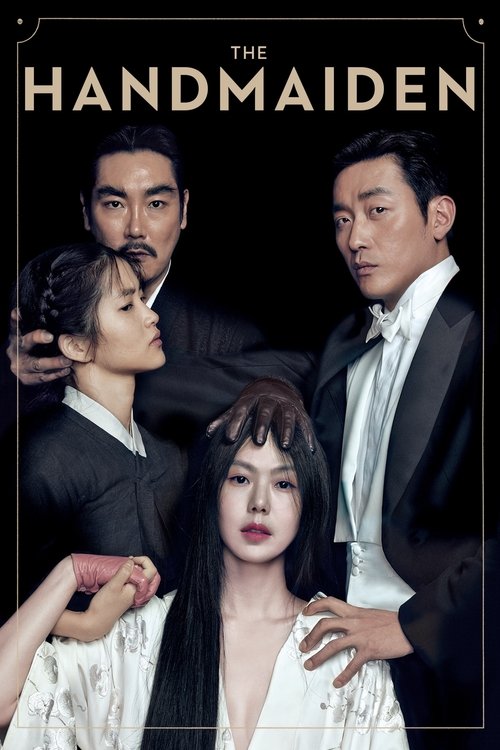
The Handmaiden2016
Same director, radically different approach to how violence and betrayal operate. Where Tae Guk Gi sprawls across chaos, The Handmaiden compresses everything into layered deception.
Park Chan-wook again, but this time a colonial-era con film with voluptuous colour and sensuality. Shows his range—he can orchestrate intimate chamber pieces as precisely as battlefields. Same formal control, entirely different register.
But Deliberately baroque and mannered; some find it precious. The plot has enough reversals to confuse or annoy viewers who want clarity.
More like this (7)
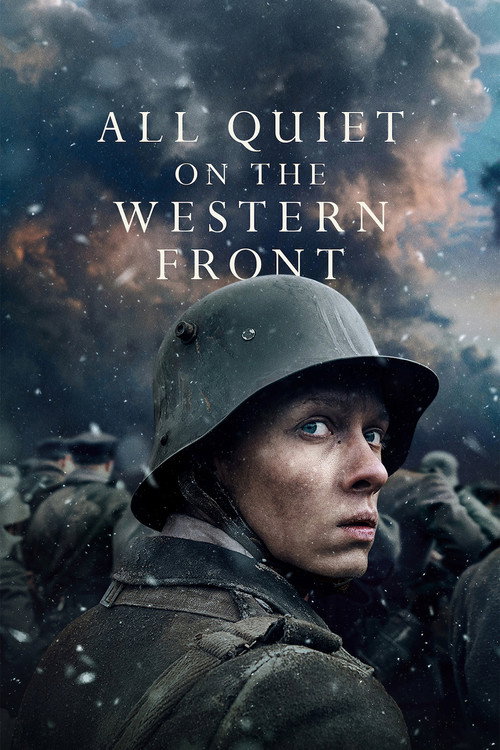
All Quiet on the Western Front2022
German Netflix film about WWI soldiers. Matches Tae Guk Gi's commitment to showing war as mechanised horror that grinds individual lives into nothing, without heroic gloss.
But Shot in murky, desaturated tones that some find tedious. The pacing is deliberately flat, which distances rather than engages some viewers.
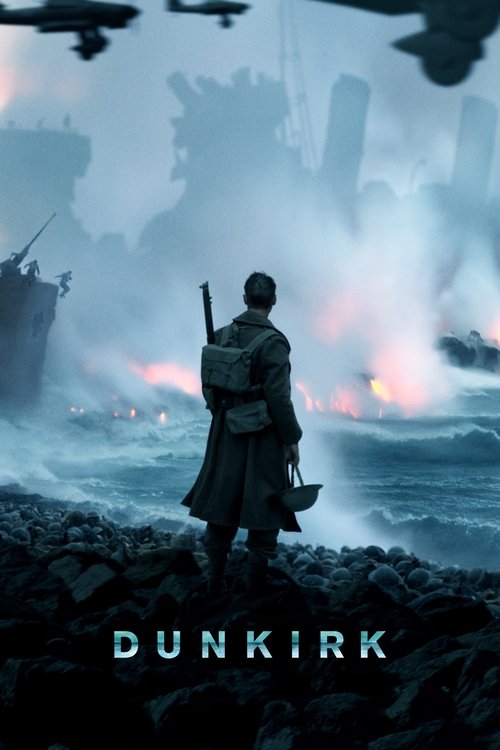
Dunkirk2017
Nolan structures his evacuation thriller across three timescales, creating the same sense of fragmented panic and moral compromise Tae Guk Gi achieves. Technically brilliant, emotionally raw.
But The narrative complexity can feel like puzzle-solving rather than storytelling. Some find the emphasis on technique overshadows character.
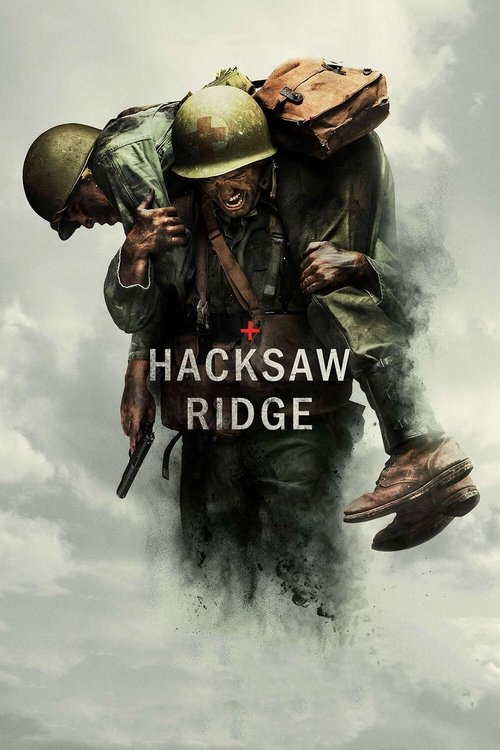
Hacksaw Ridge2016
Mel Gibson's WWII film about a conscientious objector medic. Balances action spectacle with genuine moral questioning about duty and conscience—echoes Tae Guk Gi's concern with individual choice within systems.
But The tonal shifts between intimate drama and graphic combat can feel uneven. Gibson's direction sometimes leans toward melodrama.
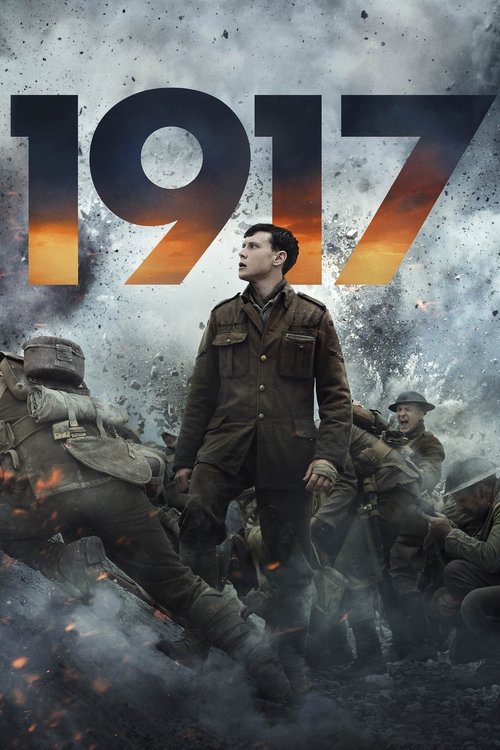
19172019
Roger Deakins' cinematography and Mendes' single-take illusion creates immersion similar to Tae Guk Gi's handheld intensity. You're embedded in the experience rather than observing it.
But The spectacle can overwhelm character; some viewers find the emotional core slight beneath the technical showmanship.
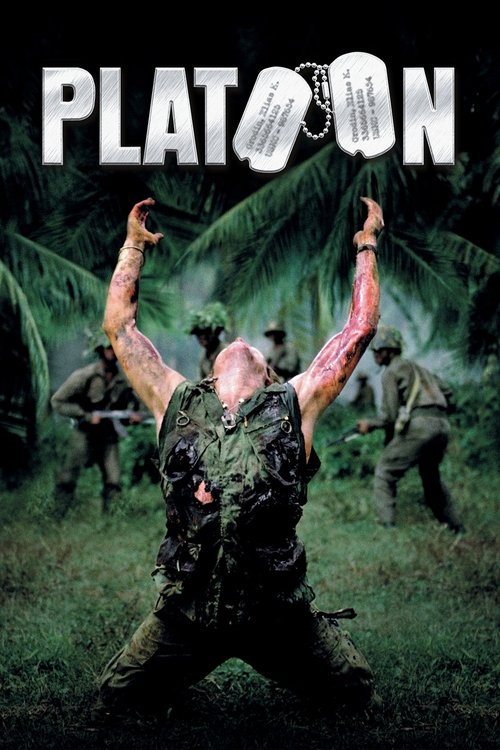
Platoon1986
Stone's Vietnam film defined the modern war movie template. Like Tae Guk Gi, it's semi-autobiographical and skeptical of authority, showing soldiers as confused kids trying to survive.
But Dated in places. The moral schematism (good sergeant vs. bad sergeant) feels simpler than Tae Guk Gi's ambiguity about right and wrong.
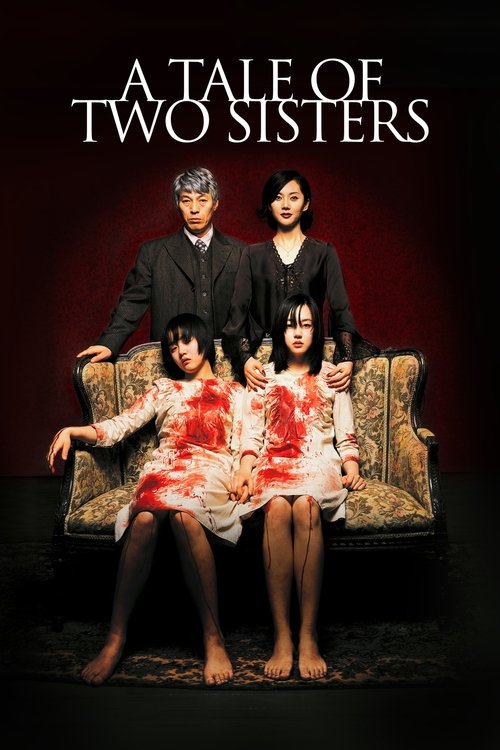
A Tale of Two Sisters2003
Both films emerge from Korean trauma—one explicit and historical, one coded and psychological—using cinema to capture how violence reshapes identity.
Korean gothic horror about sisters and family trauma, released the year before Tae Guk Gi. Uses fractured narrative and visual poetry to explore how war (internal and external) damages the young. Emotionally devastating.
But Slow-burn and allegorical; the plot is deliberately obscure. Viewers wanting straightforward narrative will find it opaque and frustrating.
In the Mood for Love2000
Both are Asian films released in the early 2000s that use formal precision to show how systems (war, society, circumstance) prevent people from choosing their own lives.
Wong Kar-wai's Hong Kong melodrama about two neighbours discovering an affair. Opposite energy from Tae Guk Gi—painterly, static, about longing and restraint—but equally committed to showing how circumstances crush individual desire.
But Nearly plotless; it's mood over narrative. If you need incident and forward momentum, this feels like watching paint dry in period costumes.

People
Cast
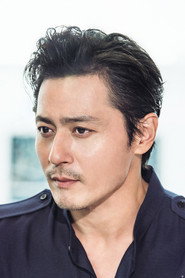 Jang Dong-gunLee Jin-tae
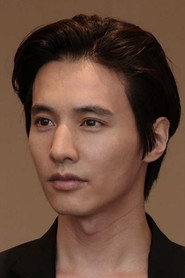 Won BinLee Jin-seok
 Lee Eun-juKim Young-shin
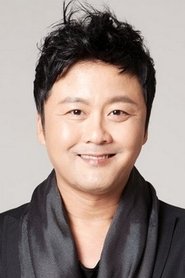 Gong Hyung-jinYong-man
 Lee Young-ranMother
- Jang Min-hoOld Lee Jin-seok
 Jo Yoon-heeJin-seok's Grandaughter
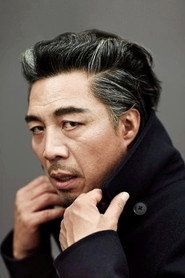 Ahn Kil-kangSergeant Huh
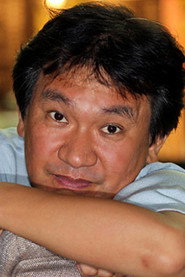 Park Gil-suExcavation Team Leader
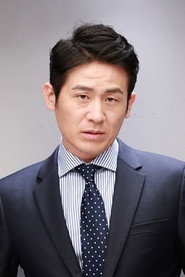 Jung JinPfc. Im
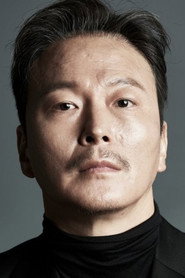 Jo WoonPlatoon Soldier #1
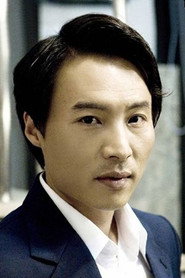 Hwang Taek-haPlatoon Soldier #2
Directing
- Kim Min-sooAction Director
- Song Min-gyuAssistant Director
- Kang Je-gyuDirector
- Kang Je-kyuDirector
Writing
- Han Ji-hoonScreenplay
- Kang Je-gyuScreenplay
- Kim Sang-donScreenplay
Production
- Choi Jin-hwaCo-Producer
- Kim Woo-taekCo-Producer
- Jeong Tae-sungExecutive Producer
- Kang Je-kyuLine Producer
- Lee Ha-naLine Producer
- Lee Se-hoProducer
- Lee Seong-hunProducer