
Film
The Incredible Machine
A 1975 marvel of medical visualization that turns the human body into a landscape to explore. Using cutting-edge imaging—microscopy, color X-rays, internal cameras—it moves through systems with the wonder of early nature documentary. Narrated by E.G. Marshall with a tone that feels like discovering a secret. For anyone curious about how they actually work.
If you liked this
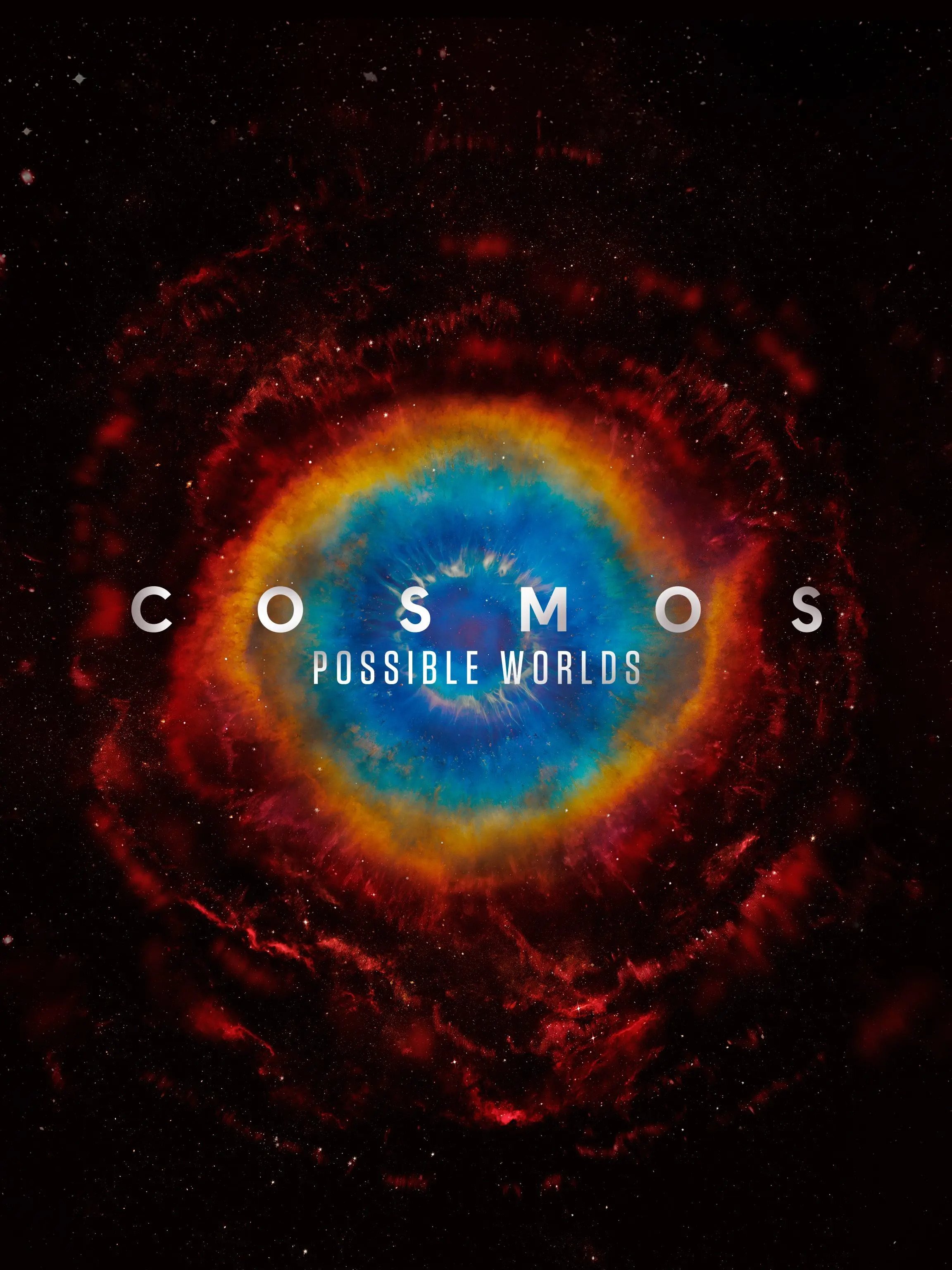
Cosmos1980
Carl Sagan's spiritual successor applies the same sense of awe to the universe's vast scales. Visually stunning, intellectually generous, it treats complexity as a gift rather than a barrier to understanding.
But Fourteen hours is a commitment. Some episodes veer into abstraction that asks more patience than others.
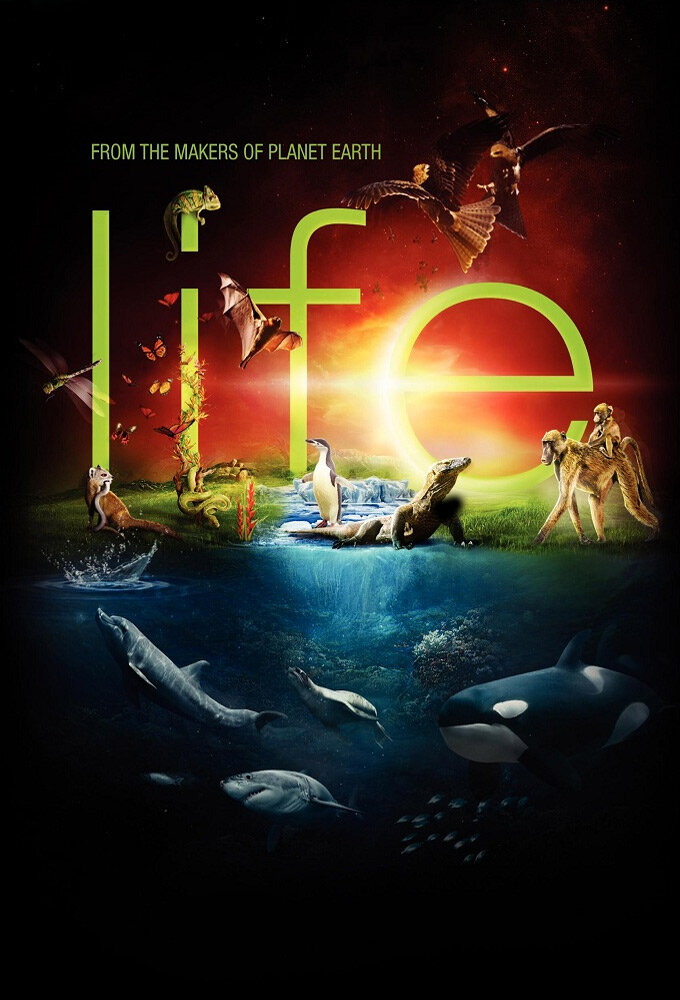
Life2009
A BBC natural history series that applies *The Incredible Machine*'s internal-camera approach to animal behavior and ecology. Narrated by David Attenborough, it's hypnotic and occasionally dark—life isn't always gentle.
But Some sequences of predation and parasitism are genuinely unsettling. It's not the cozy nature doc you might expect.
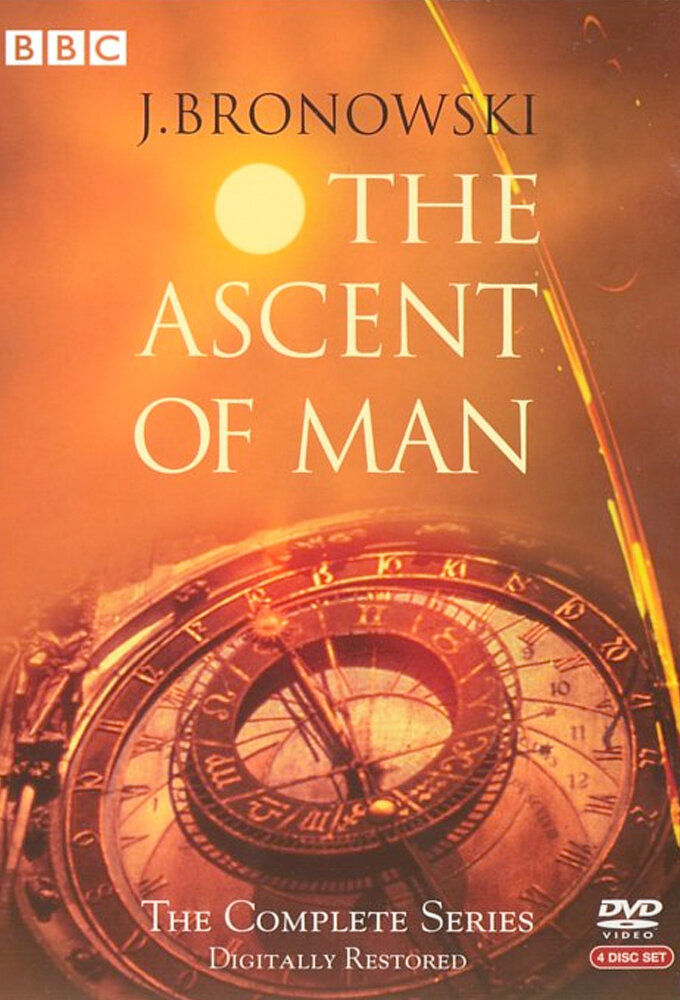
The Ascent of Man1973
Jacob Bronowski's meditation on how humans evolved to think and create. Shot across continents, it's philosophical without being pretentious. A companion piece to *The Incredible Machine*—both ask what we are and how we got here.
But Pacing is deliberate and sometimes glacial. Expects you to sit with ideas rather than rush through them.
Not sure tonight? Get a pick in a minute, starting from The Incredible Machine
The wildcard
Something you would not have found on your own.
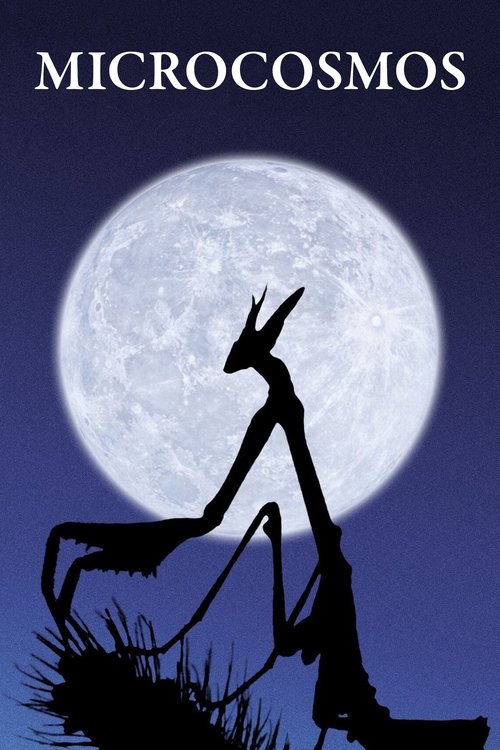
Microcosmos1996
Both films reveal hidden systems that sustain the living world through visual innovation. Where *The Incredible Machine* maps the body's interior, *Microcosmos* maps the ecosystems we can't see.
A feature film shot entirely through macro lenses, observing insects and soil organisms in their tiny worlds. No narration, no agenda—just extraordinary cinematography of invisible life. It's *The Incredible Machine* applied to the creatures inside the soil you walk on.
But Completely abstract approach and slow rhythm. Some may find an hour of bugs without context dull rather than meditative.
More like this (7)
Grey's Anatomy2005
Purely as a drama about surgeons, it's taut and genuinely affecting. It also treats surgical sequences with unusual accuracy and respect—you see how the body is actually navigated.
But The soap-opera elements of relationships can overwhelm the medicine you came for. Later seasons lose their footing.

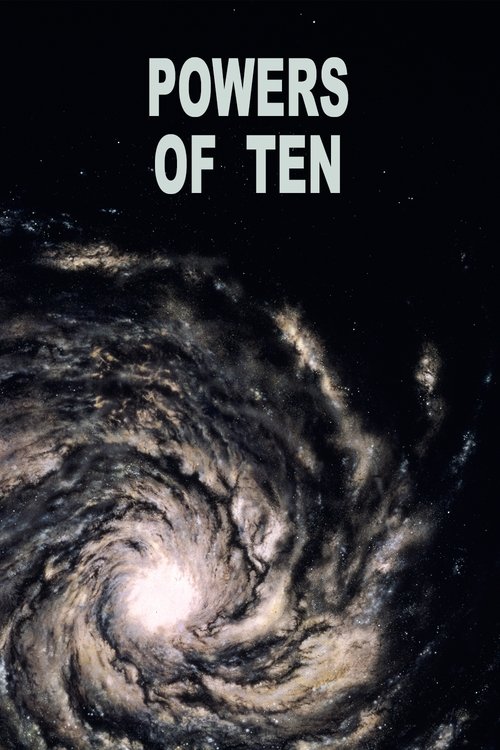
Powers of Ten1977
A ten-minute film that zooms out from a couple picnicking by Lake Michigan to the edge of the known universe, then back in to subatomic particles. It shares *The Incredible Machine*'s fascination with scale and interconnection.
But It's hypnotic but extremely abstract. No narrative, just perspective shifting. Some find it meditative; others find it cold.
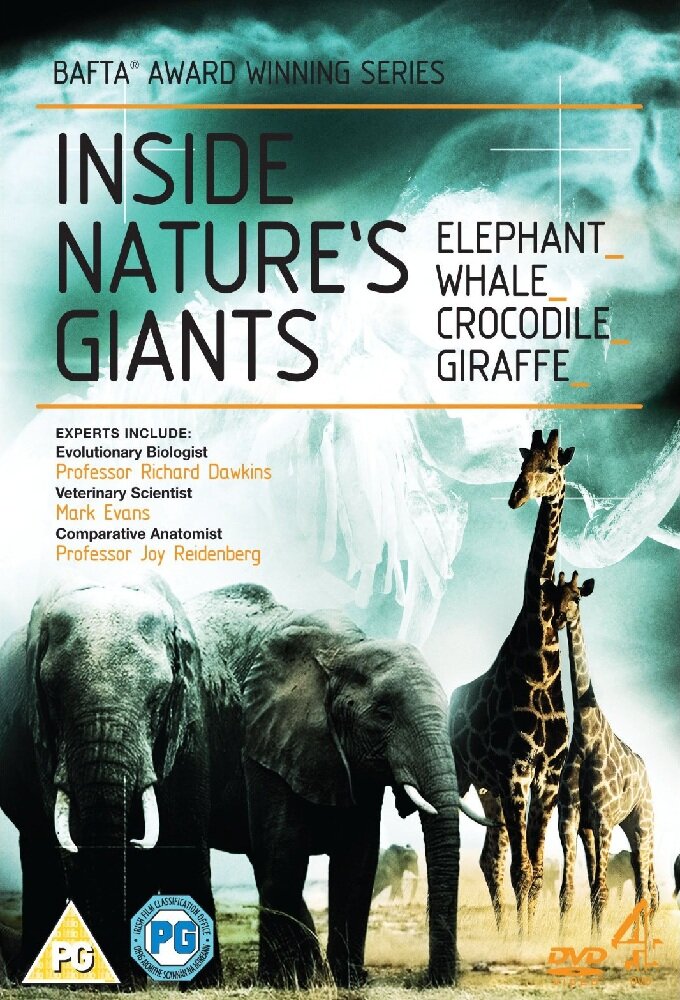
Inside Nature's Giants2009
Biologists dissect large animals (whales, elephants, giraffes) to reveal how their bodies are engineered. Graphic but fascinating, with a genuine investigative spirit.
But The literal viscera might disturb you if you have a sensitive stomach. It's more butcher's block than polished visualization.
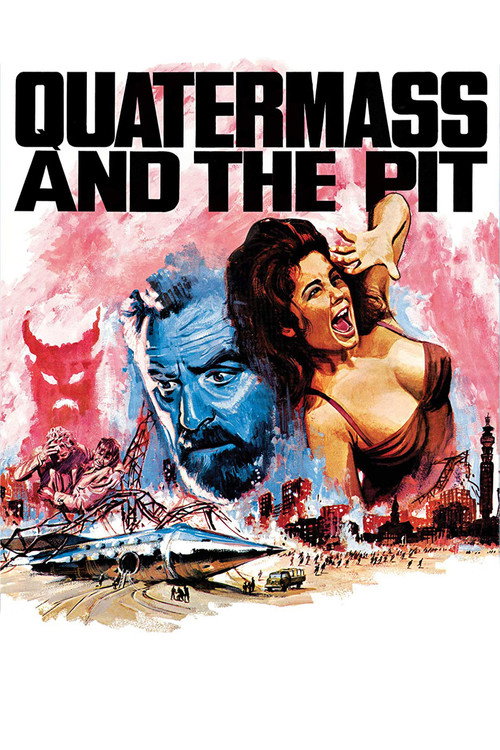
Quatermass and the Pit1967
A science fiction film that doubles as a meditation on what we are at a biological level. Eerie, thoughtful, and visually inventive for its budget. British television sci-fi at its peak.
But Pacing feels slow by modern standards. The last act gets abstract in ways that lose some viewers.
Stalker1979
Andrei Tarkovsky's philosophical science-fiction film is about desire and the self. Visually ravishing and hypnotic. A completely different approach to understanding what animates us, but equally profound.
But It's 163 minutes of deliberate, meditative cinema. If you need plot momentum or conventional drama, this will feel like watching paint dry.

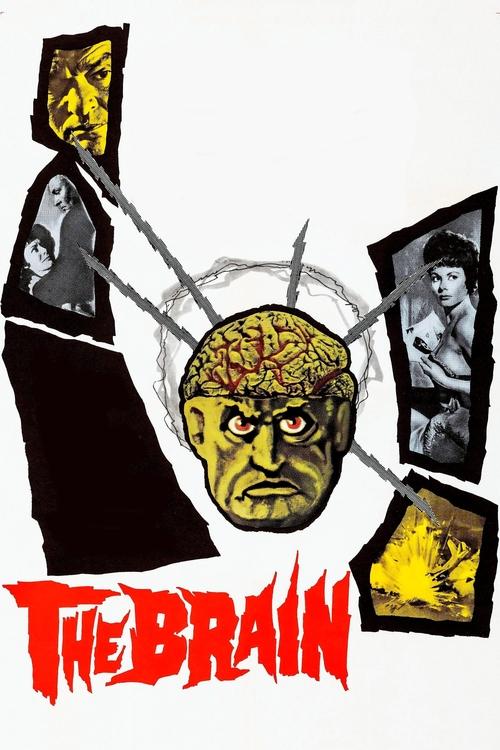
The Brain1962
A direct predecessor using similar techniques to visualize the same body system. Watching them back-to-back shows how fast medical visualization was evolving—*The Incredible Machine* is the technology refined.
A short documentary (31 minutes) that visualizes neural activity and brain function using animation and colorized images. Made just over a decade before *The Incredible Machine*, it's rawer and more experimental—the technology itself is part of the wonder.
But Animation quality is 1960s crude. Some explanations of neuroscience feel dated. Very brief, which some might find frustrating.
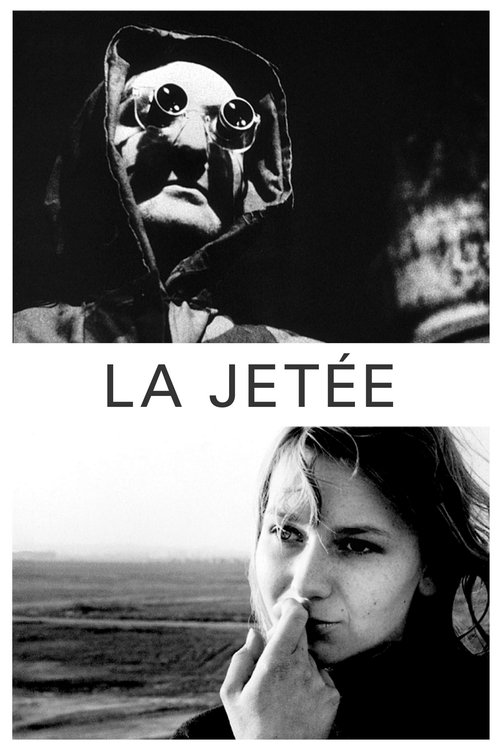
La Jetée1962
Opposite approaches to the same mystery: *The Incredible Machine* asks how the body physically works; *La Jetée* asks what consciousness is. One is mechanism, the other is meaning. Together they're complete.
A science fiction film made almost entirely of still photographs. Dreamlike, elliptical, and profoundly moving. It's about memory, consciousness, and time—everything *The Incredible Machine* shows us in mechanical terms, *La Jetée* explores emotionally. Utterly unique.
But Static images and a read-aloud narration feels like a slide show, not traditional cinema. The narrative is fragmented and requires active engagement. 28 minutes that feel both eternal and too short.
People
Cast
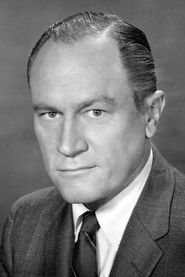 E.G. MarshallNarrator
Directing
- Ed SpiegelDirector
- Irwin RostenDirector
Writing
- Irwin RostenWriter