
Television series
Planet Dinosaur
Planet Dinosaur is a BBC documentary series that abandons the classroom tone for pure spectacle. Each 30-minute episode reconstructs a single prehistoric drama—hunts, territorial battles, survival—using state-of-the-art CGI to show dinosaurs as living, struggling animals. It's visceral and unsentimental, treating extinction as a series of violent moments rather than a historical abstraction. For anyone who loved dinosaurs as a kid and wants to see them rendered as credible predators.
If you liked this
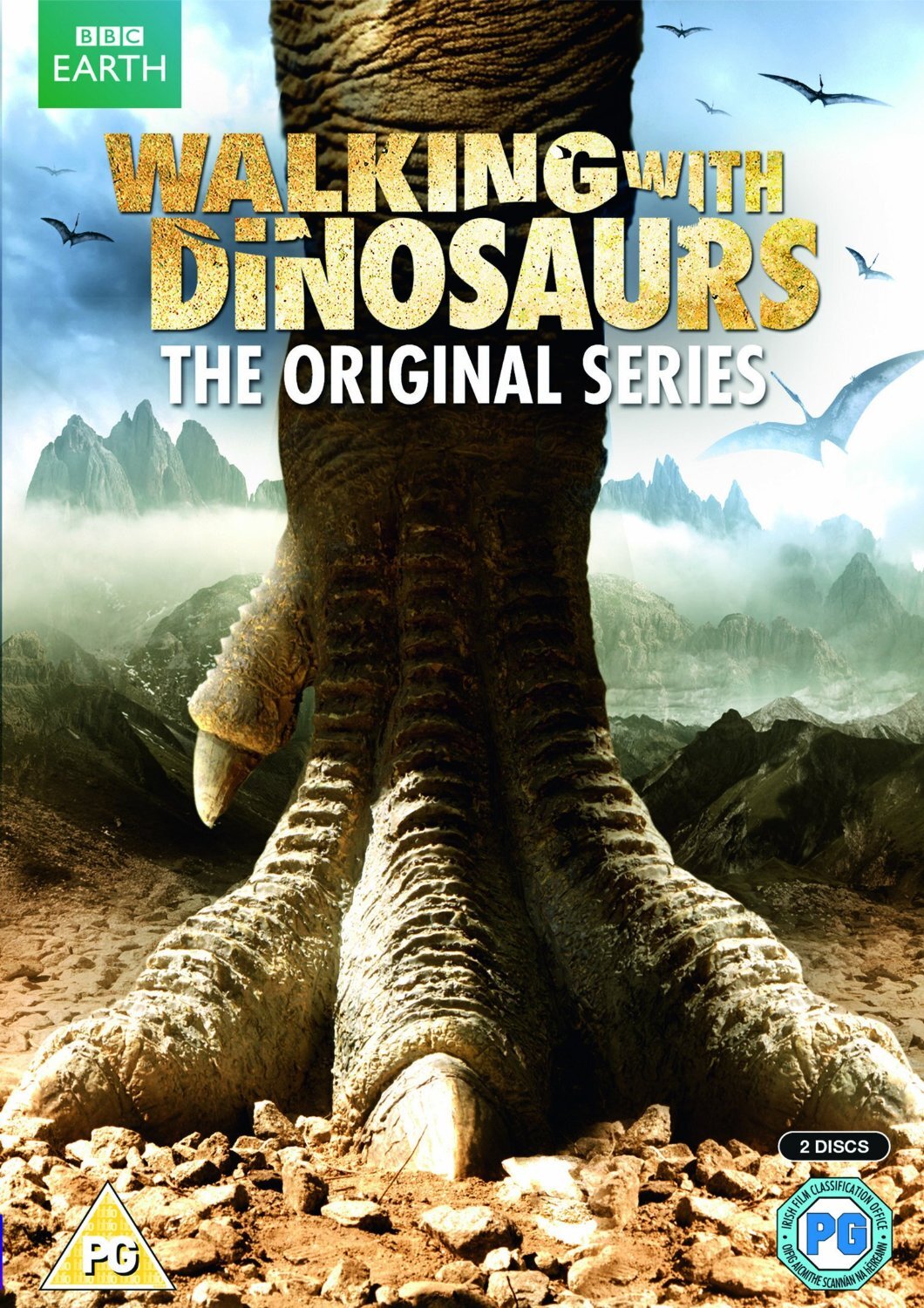
Walking with Dinosaurs1999
The template for everything that followed. ITV's original docudrama series pioneered the approach of showing dinosaurs as functional animals in living ecosystems, with narration from a paleontologist and genuine dramatic tension built from behavioral biology.
But The CGI, however impressive for 1999, looks dated now. Some segments move slowly by modern pacing standards, and it lacks Planet Dinosaur's appetite for pure predatory spectacle.
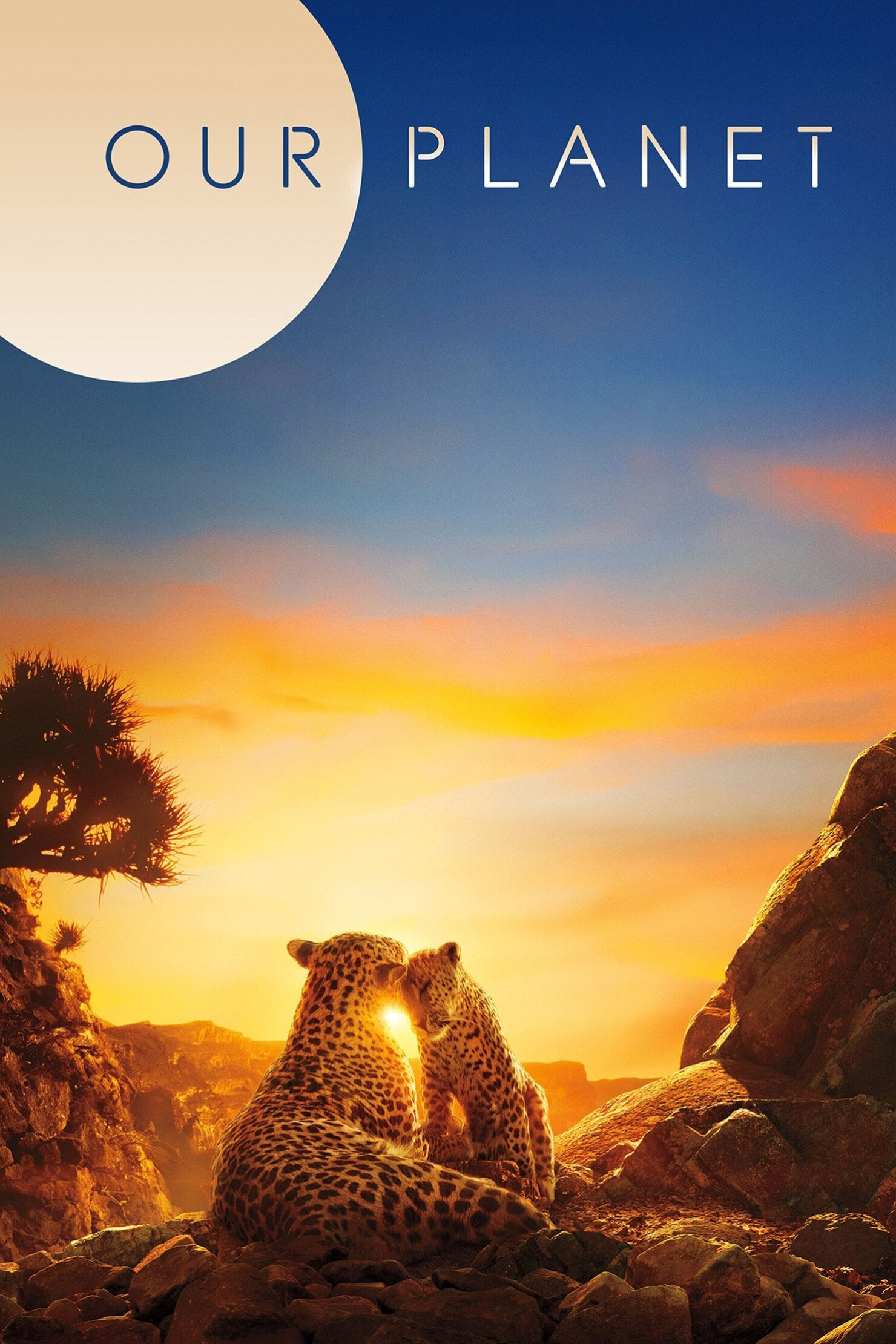
Our Planet2019
David Attenborough narrates a sweeping survey of Earth's ecosystems and the creatures inhabiting them. The cinematography is transcendent, the scope is vast, and it carries the same sense of nature as a series of high-stakes survival moments. Available on Netflix.
But It's living animals in real time, which means less graphic violence than prehistoric reconstructions. The environmental message can feel heavy-handed in places.
Life2007
Attenborough again, but this time the focus is tighter: animal behavior, adaptation, and predation across the evolutionary spectrum. It shares Planet Dinosaur's eye for the brutal and the strange, just grounded in observable fact rather than speculation.
But Ten episodes is a lot to commit to. It's also BBC natural history orthodoxy—respectful, measured—rather than the gonzo spectacle of imagined monster fights.

Not sure tonight? Get a pick in a minute, starting from Planet Dinosaur
The wildcard
Something you would not have found on your own.
The Poseidon Adventure1972
Both present nature as a force that simply kills you, without mercy or meaning. There is no learning from it, only survival or extinction. The mood is dread, not wonder.
A disaster film where the catastrophe is geological, not technological. It captures the same primal fear of the natural world overwhelming human safety—the churning, indifferent forces of nature as the real antagonist. The tension comes from helplessness, not negotiation.
But It's from 1972 and moves at a deliberate pace. The miniature work, however impressive, doesn't have the polish of modern effects. It's focused on human drama more than spectacle.
More like this (5)
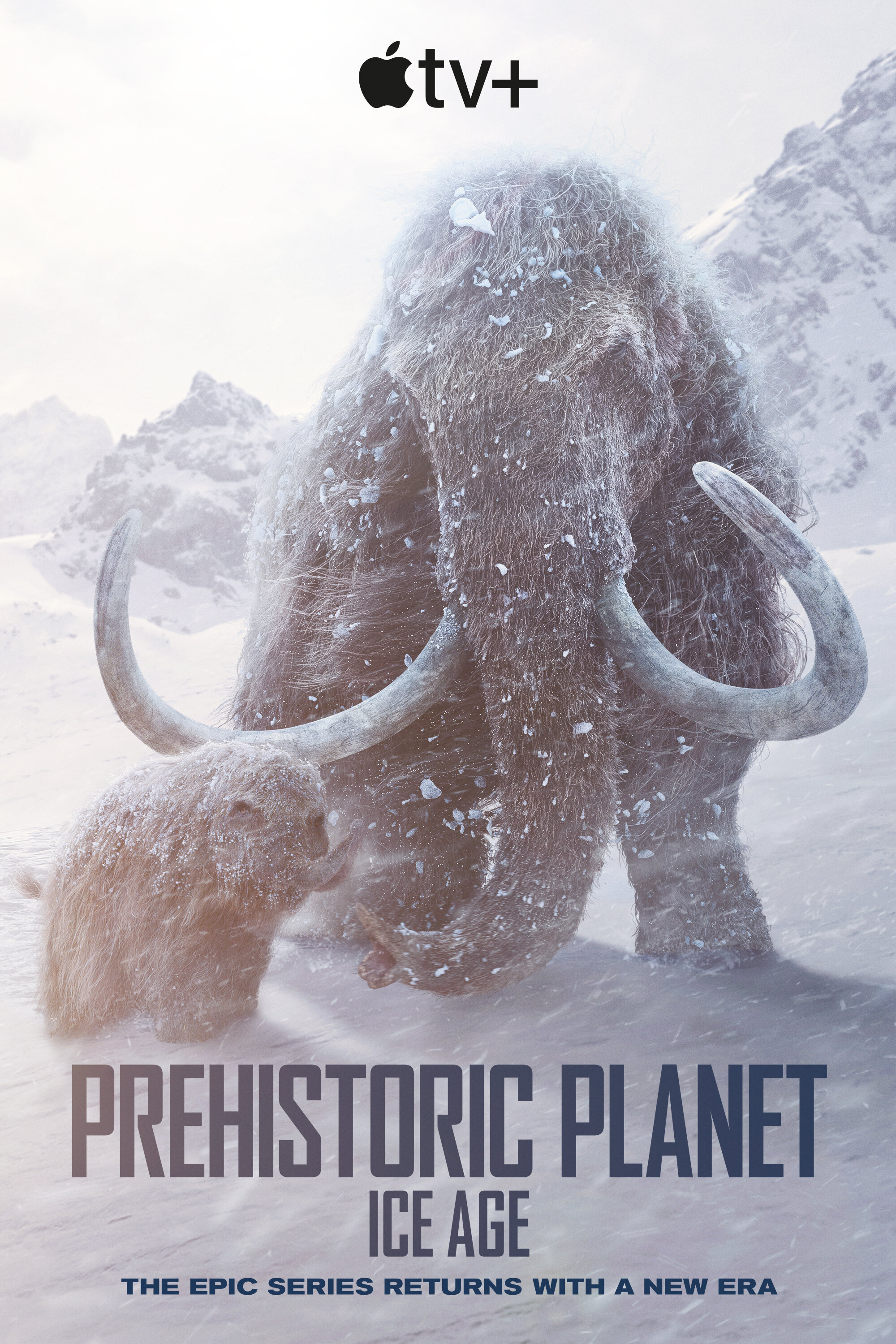
Prehistoric Planet2022
Apple's five-part miniseries uses cutting-edge CGI to render dinosaurs and pterosaurs in their environments with extraordinary detail. It's visually stunning, scientifically informed, and maintains the same 'life as it actually was' philosophy as Planet Dinosaur but with higher production values.
But It prioritizes beauty and accuracy over drama. There's less predatory violence, more ecological observation. Some will find it less gripping than Planet Dinosaur's monster-fight intensity.
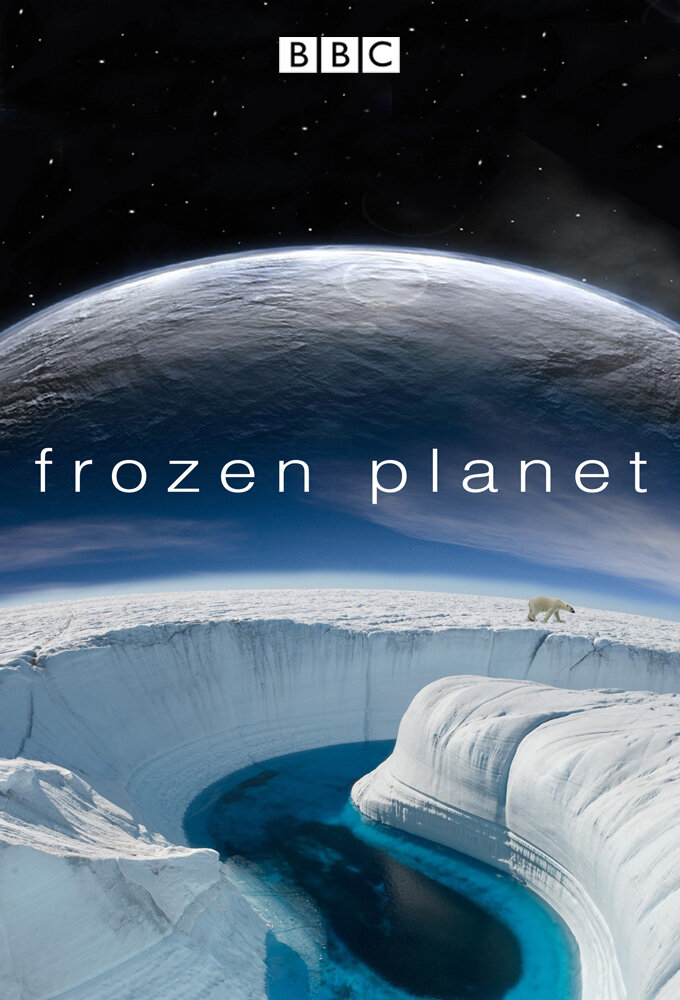
Frozen Planet2011
Attenborough explores the Arctic and Antarctic, showing how creatures survive in the harshest environments on Earth. It has the same sense of life as struggle, with predation and scarcity driving every frame. Beautiful and genuinely tense.
But It's modern animals, not prehistoric ones, so it lacks the 'mystery of the extinct' appeal. Some sequences are slow, prioritizing mood over action.
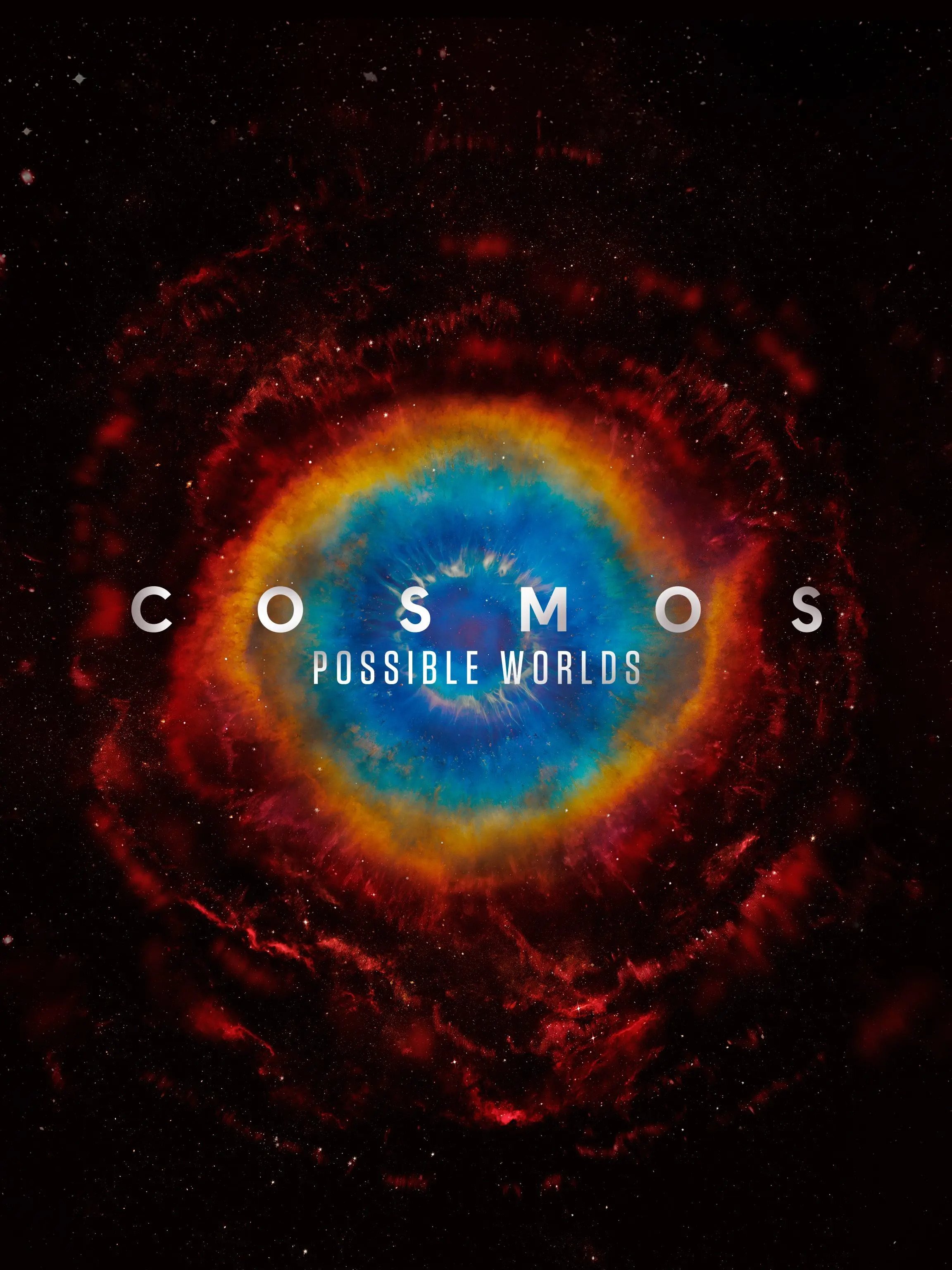
Cosmos1980
Carl Sagan's series updated with modern animation, including segments on evolution and deep time. It contextualizes dinosaurs within the vast history of life on Earth, with the same sense of awe at the scale and strangeness of existence.
But Only a few episodes focus on dinosaurs; the rest cover physics, astronomy, and the history of science. It's grander in scope but less concentrated on prehistoric life.
Expedition Unknown2015
Both use cutting-edge CGI of the era to render dinosaurs as present-tense creatures you can watch move and hunt. Both are fascinated by the question: what was it actually *like* to be there?
This Russian animated series, made the same year as Planet Dinosaur, imagines a time-travel expedition back to the Cretaceous. It combines CGI dinosaurs with a narrative about exploration and discovery. It's weirder and more conceptual than British documentaries usually allow.
But It's animated rather than photorealistic, which some will find less immersive. The science is looser. It also requires tolerance for unfamiliar production sensibilities and may have awkward subtitles depending on the version.

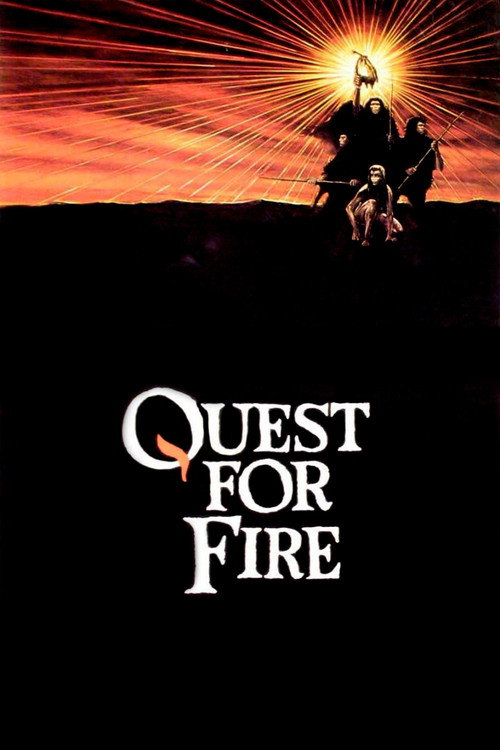
Quest for Fire1981
Both treat extinct life forms as subjects worthy of total narrative commitment. No irony, no cuteness—just the drama of survival in a world that doesn't care about your story. Both are visceral first, informative second.
A prehistoric drama about early hominids discovering fire, using minimal dialogue and maximum sensory immersion. It captures the alien logic of a mind experiencing the world without civilization. The violence is brutal, the wonder is genuine, and it treats its extinct species with absolute seriousness.
But Very slow, very strange, and the dialogue is intentionally incomprehensible. It's a film about experience, not plot. Some will find it pretentious or boring. The violence is real in a way that unsettles.
People
Cast
 John HurtNarrator
Recommended by
Chased by Dinosaurs, March of the Dinosaurs, Prehistoric Park