
Television series
Wonders of Life
Brian Cox guides you through the scientific principles that shaped life on Earth, from the chemistry of carbon to evolution's patient work. It's wonder without mysticism—accessible, visually stunning, and built on genuine curiosity. For anyone who wants to understand how we got here without the religion or the jargon.
Should you watch it?
Watch it if you enjoy big-picture science documentaries that trace a single grand question across the globe, with the presenter's enthusiasm doing much of the carrying and the visuals doing the rest.
Skip it if you want hard data, detailed biology or a slower, more rigorous lab-level treatment; this one favours sweeping ideas and spectacle over granular explanation, and some points get glossed quickly.
What it asks of you: Five one-hour episodes, so a short commitment that moves briskly from place to place, asking you to follow the sweep of the argument rather than to pause and study each detail.
Not sure? Find tonight's pick in a minute.
If you liked this
Cosmos1980
Neil deGrasse Tyson brings the same clarity and awe as Cox, tracing the universe's story from the Big Bang through human consciousness. Gorgeously made and genuinely moving about our place in things.
But Thirteen hours is a commitment, and the US-centric framing occasionally creeps in. Some episodes rest on familiar ground.
Planet Earth II2016
David Attenborough and BBC natural history cinematography at their absolute peak. Life in motion, in genuine danger, in impossible places. You'll gasp aloud at least twice per episode.
But It's observation over explanation—less science, more spectacle. And the survival sequences can be genuinely hard to watch.
Life2009
The BBC's predecessor to Planet Earth II, narrated by Attenborough and structured around survival strategies. Each episode is a masterclass in cinematography and story. Visibly influenced the decade of nature docs that followed.
But The pacing is gentler than modern TV—it breathes, which some find slow. The reproduction episodes are explicitly detailed.
Not sure tonight? Get a pick in a minute, starting from Wonders of Life
The wildcard
Something you would not have found on your own.
My Octopus Teacher2020
Both trust that life is fascinating enough without dramatic music. Cox shows you how it works; this film shows you how it feels to truly know a living thing.
A marine biologist spends a year with one octopus in South African kelp forests. It's intimate, meditative nature filmmaking—less about explaining life than *being* with it. Profoundly moving.
But Slow and contemplative rather than explanatory. It's a year of patient observation, not a tour of principles. Some find it meandering.
More like this (7)
Making a Murderer2015
A different kind of investigation, but with the same momentum: filmmakers unwrapping a complex system (justice) by following evidence. Gripping and infuriating in equal measure.
But It's genuinely depressing. The slower middle act tests patience. And you'll argue about it for weeks.

The Secret Life of Plants1978
A hypnotic journey into plant biology and communication—slower and stranger than modern science docs, but it captures genuine wonder at cellular complexity. Influential on how we visualize the microscopic world.
But The score is dated and occasionally ludicrous. The science has moved on in places, and it verges on pseudoscience near the end.
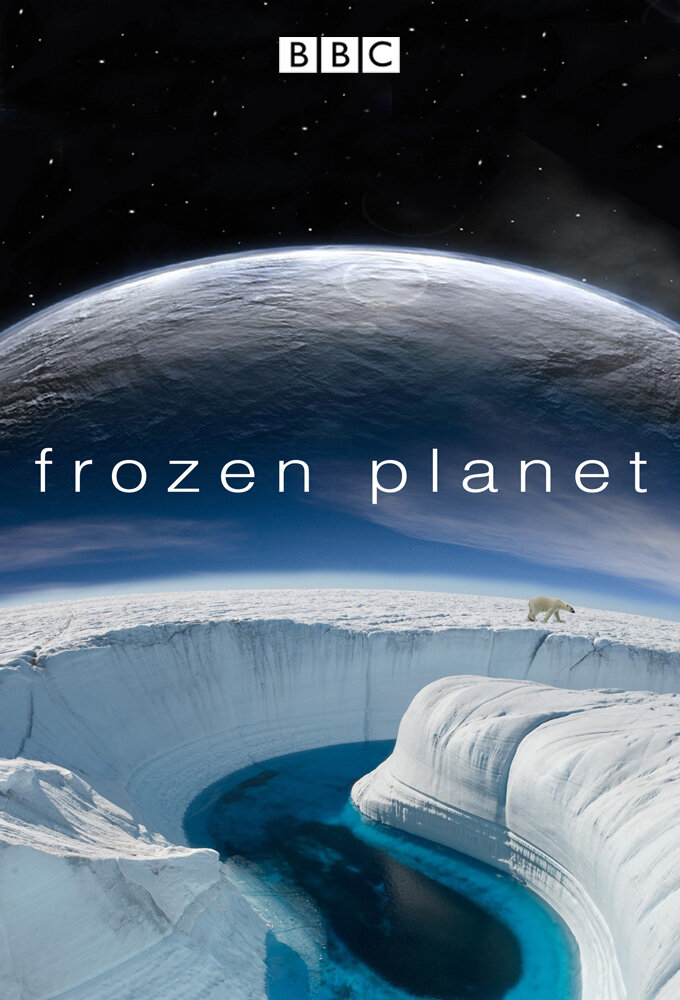
Frozen Planet2011
Attenborough exploring Earth's polar regions with the same stunning BBC cinematography. A masterpiece of adaptation and survival, and a genuine warning about climate loss.
But The final episode was politically controversial. Some find the scope overwhelming—endless ice and loss rather than wonder.
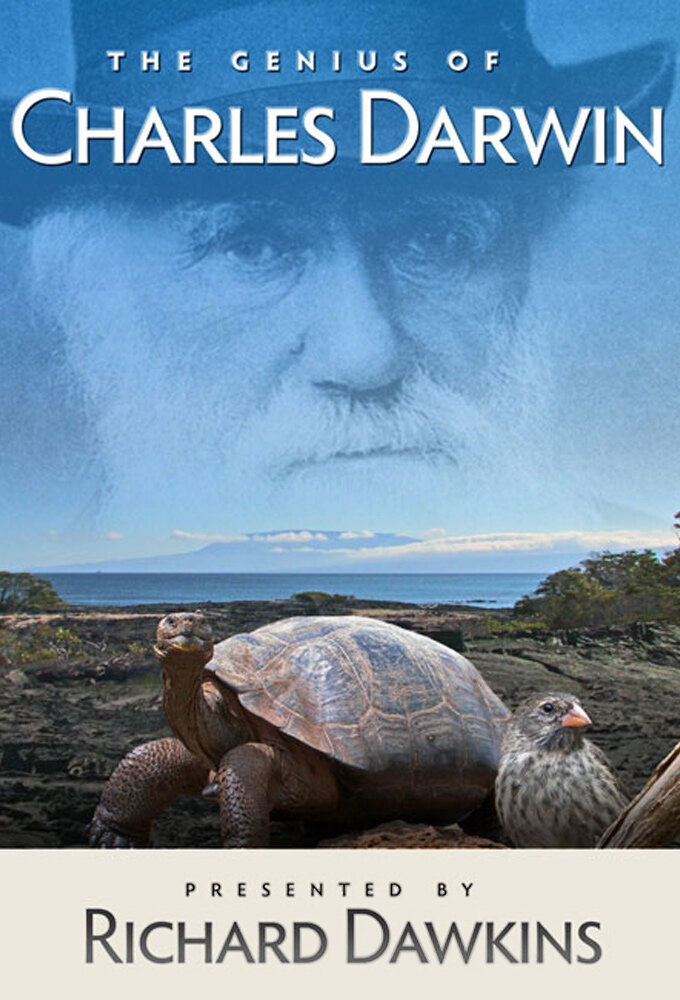
The Genius of Charles Darwin2008
Richard Dawkins traces the life and ideas of Darwin with genuine enthusiasm. Clearer explanation of natural selection than most textbooks, and genuinely moving about Darwin the man.
But Dawkins' personality divides viewers. Some find him abrasive. The dated production looks amateur compared to modern BBC work.
Log Horizon2013
Brian Greene makes particle physics accessible and genuinely thrilling. The mathematics of reality, made visual. Four episodes that will rewire how you think about space and time.
But Dense material sometimes overwhelms the presentation. It assumes comfort with abstract thinking. Some sequences verge on incomprehensible.

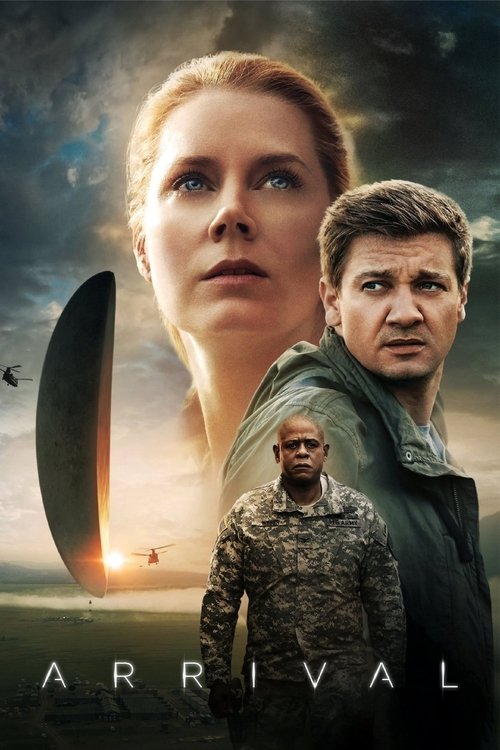
Arrival2016
Both ask what life fundamentally *is*. Cox examines it through chemistry and evolution; this film examines it through language and time, arriving at the same sense of awe.
A linguist tries to communicate with aliens by understanding how they perceive time. Gorgeous, thoughtful SF that makes the mechanics of consciousness and language feel profound and strange.
But It's science-fiction, not science—and slower than most. The ending is emotional rather than explanatory, which frustrates some viewers.
Stalker1979
A completely different register and era, but both treat the universe as something fundamentally *mysterious*. Cox reveals its mechanisms; Tarkovsky refuses to reduce it to explanation. Both are love letters to not-knowing.
Andrei Tarkovsky's science-fiction meditation on desire and meaning. Two hours of philosophical wandering through a mysterious zone. It moves like thought itself—slow, patient, absolutely hypnotic.
But Soviet SF from 1979—the pace is glacial, the plot is abstract, and some reels have been lost. This requires patient, active attention.

People
Cast
 Brian CoxPresenter