Television series
Liberty! The American Revolution
A sweeping six-part PBS documentary that dramatizes the American Revolution through period actors, historian commentary, and primary sources. It's elegant and accessible—neither dry civics lesson nor melodrama—building toward genuine understanding of how revolution became nationhood. For anyone curious about the actual texture of those years, not the mythology.
Should you watch it?
Watch it if you like history told through dramatized scenes stitched together with scholars' commentary and firsthand letters, and you don't mind settling in for a long, patient survey of how a war became a country.
Skip it if you want a fast, argumentative account of the period, because this is a sober, earnest survey where staged scenes and talking heads take turns at a measured pace.
What it asks of you: Roughly four hours of unhurried viewing, split into installments that build patiently and rarely raise their voice.
Not sure? Find tonight's pick in a minute.
If you liked this
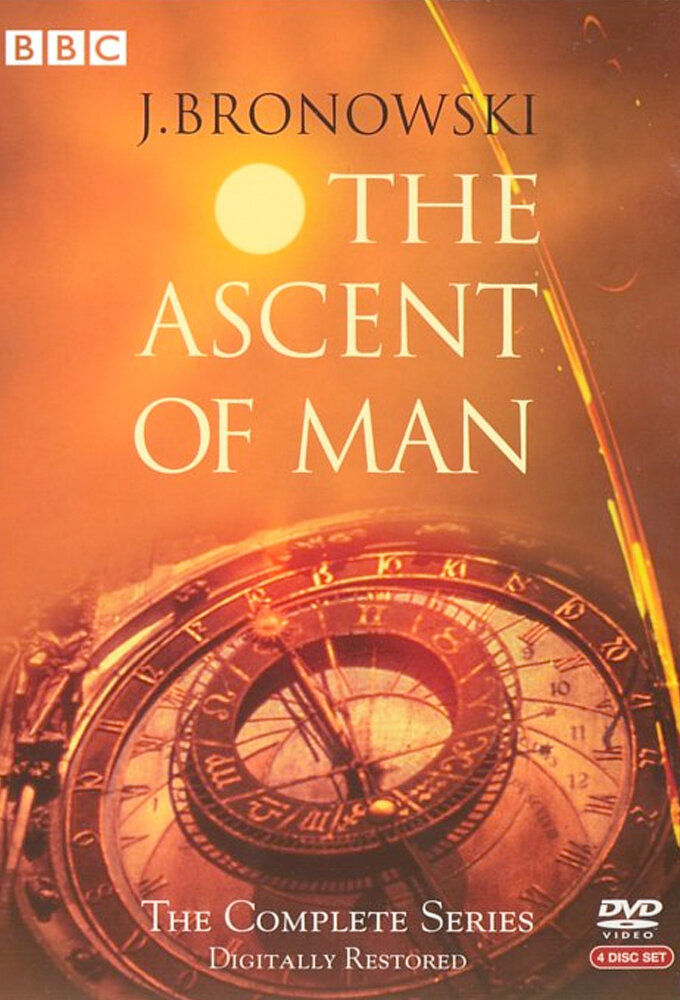
The Ascent of Man1973
Jacob Bronowski traces humanity's scientific and cultural progress across continents and centuries with genuine wonder. Each episode is a complete education delivered with warmth and infectious curiosity about how we learned to think.
But It's deliberately philosophical rather than narrative-driven, and some of the science has been refined since 1973, which can feel dated in spots.
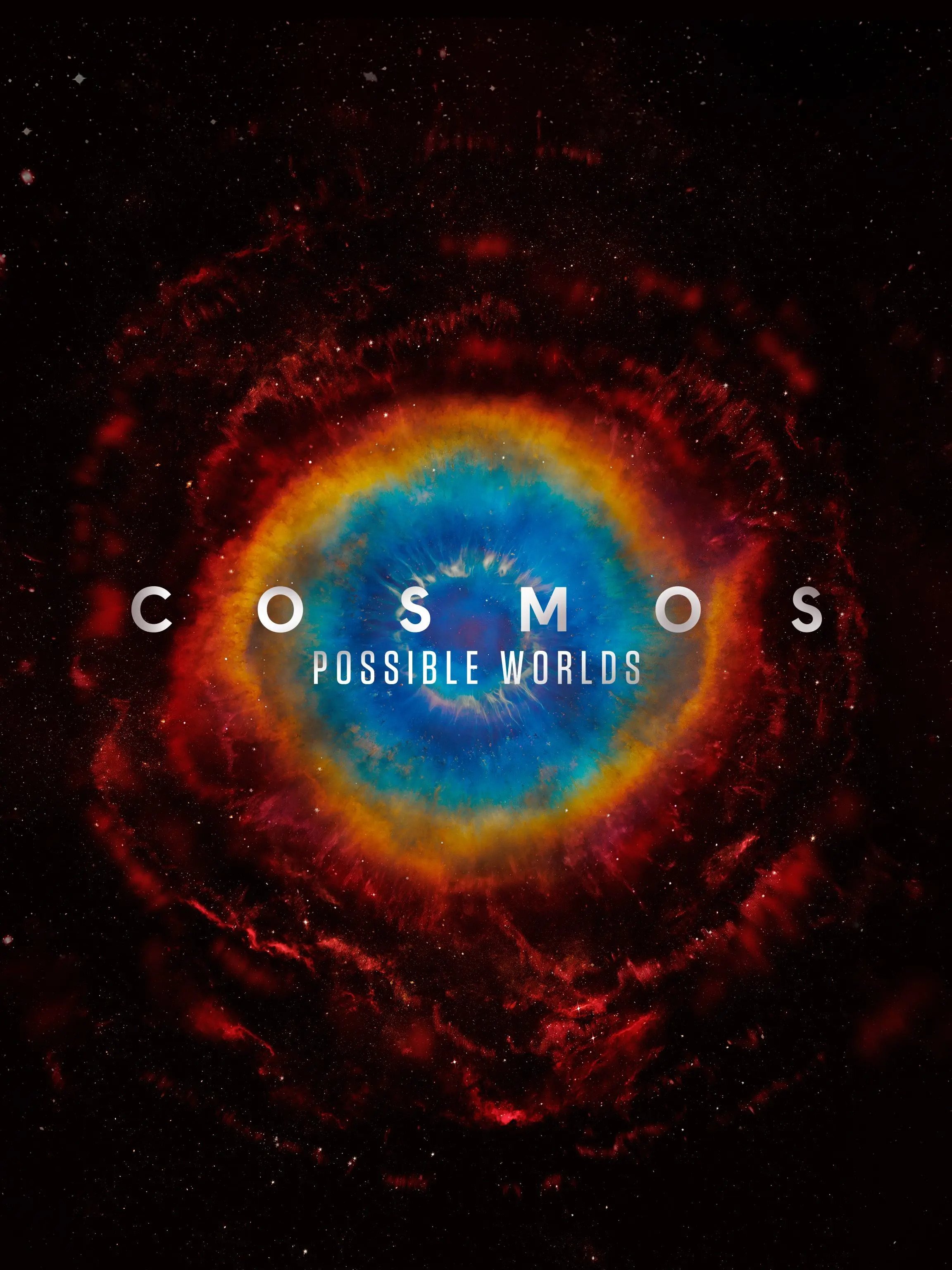
Cosmos1980
Carl Sagan makes the largest possible ideas—the age of the universe, the nature of time—feel intimate and urgent. His conviction that wonder matters is contagious, and the ambition of scope matches Liberty's sweep across decades.
But The special effects are period-appropriate, which means they look like the 1980s now. Sagan's delivery can feel mannered if you're not in the mood for it.
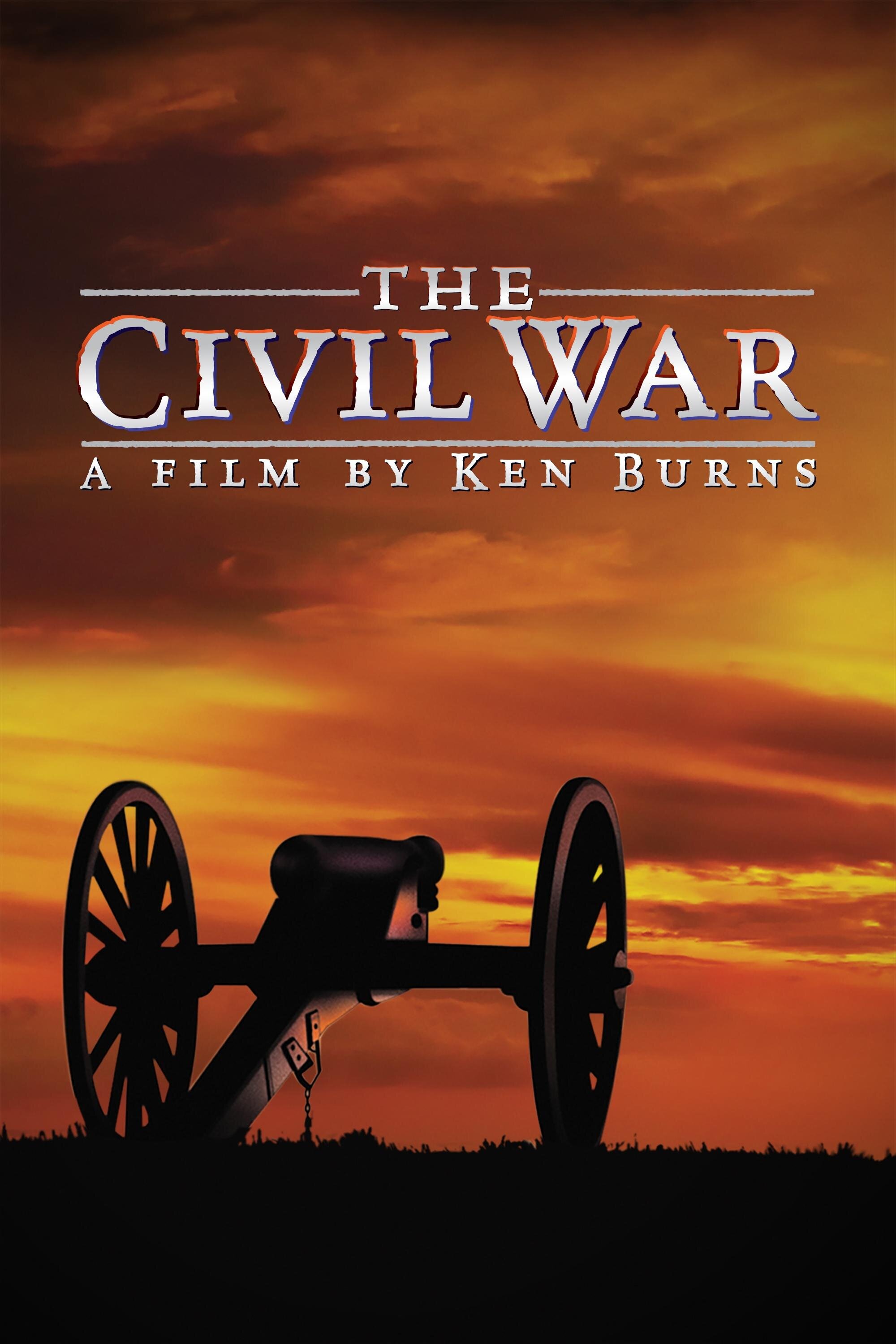
The Civil War1990
Ken Burns's five-part masterpiece uses photographs, letters, and music to make the 1860s feel immediate and human. It's the gold standard for how to dramatize history without actors, proving that primary sources have their own power.
But It's five hours of contemplative pacing. If you need constant narrative momentum, this will test your patience.
Not sure tonight? Get a pick in a minute, starting from Liberty! The American Revolution
The wildcard
Something you would not have found on your own.
Les Misérables2012
Both use mixed media and historical scholarship to dramatize how ordinary people experience revolution, and both ask what actually survives when the shooting stops.
Alain Resnais's film covers the 1832 French uprising using methods strikingly similar to Liberty—drama, archival material, scholarly narration—to show how revolution is born, what it costs, and what ideals survive aftermath. It's the revolution film that thinks most clearly about the same questions.
But It's in French with subtitles, and the 1980 aesthetic is severe. The emotional weight is heavier than Liberty; this isn't a survey, it's a lament.

More like this (4)
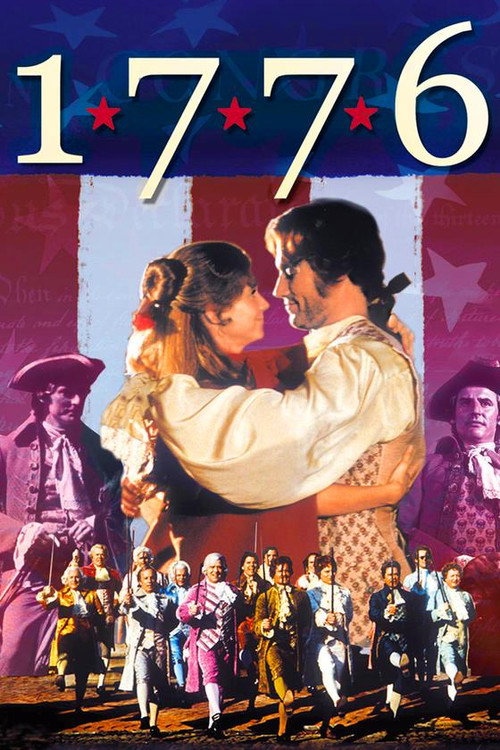
17761972
This musical film captures the ideological clashing and personal tensions of the Continental Congress with irreverent humor and genuine stakes. It makes the Revolution feel like argument and risk, not just inevitability.
But It's a musical, which means some viewers will resist it immediately. The 1970s production values won't appeal to everyone, and the history is simplified for theatrical purposes.
Founding Brothers
Joseph Ellis examines the relationships between Washington, Jefferson, Hamilton, and Franklin with intellectual rigor and genuine insight into how their personal conflicts shaped the nation. It's history as character study, deeply satisfying.
But If you haven't already developed some interest in the era, it assumes knowledge Liberty provides. It's also relatively obscure compared to more recent documentaries.
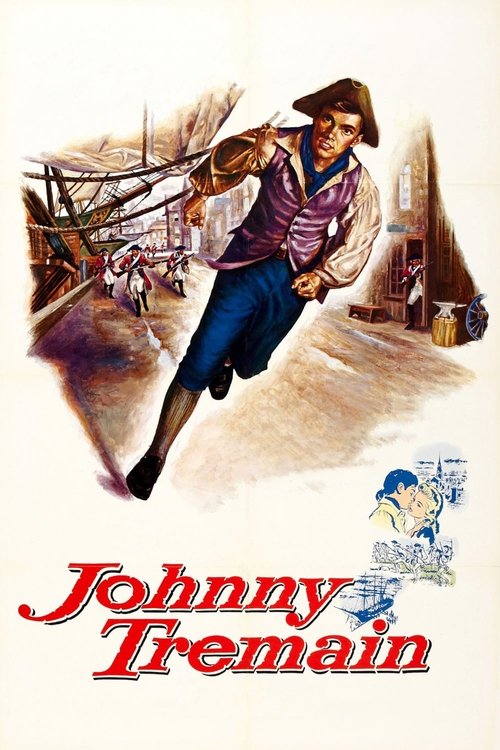
Johnny Tremain1957
This Disney adaptation of Esther Forbes's novel gives you the Revolution from a young apprentice's perspective, making it personal and immediate. The action is real, the stakes feel genuine, and it's genuinely engaging cinema.
But It's a mid-century Hollywood film, so it flattens complexity and skips the messiness Liberty shows you. The pacing is dated and the sentimentality can feel heavy-handed now.
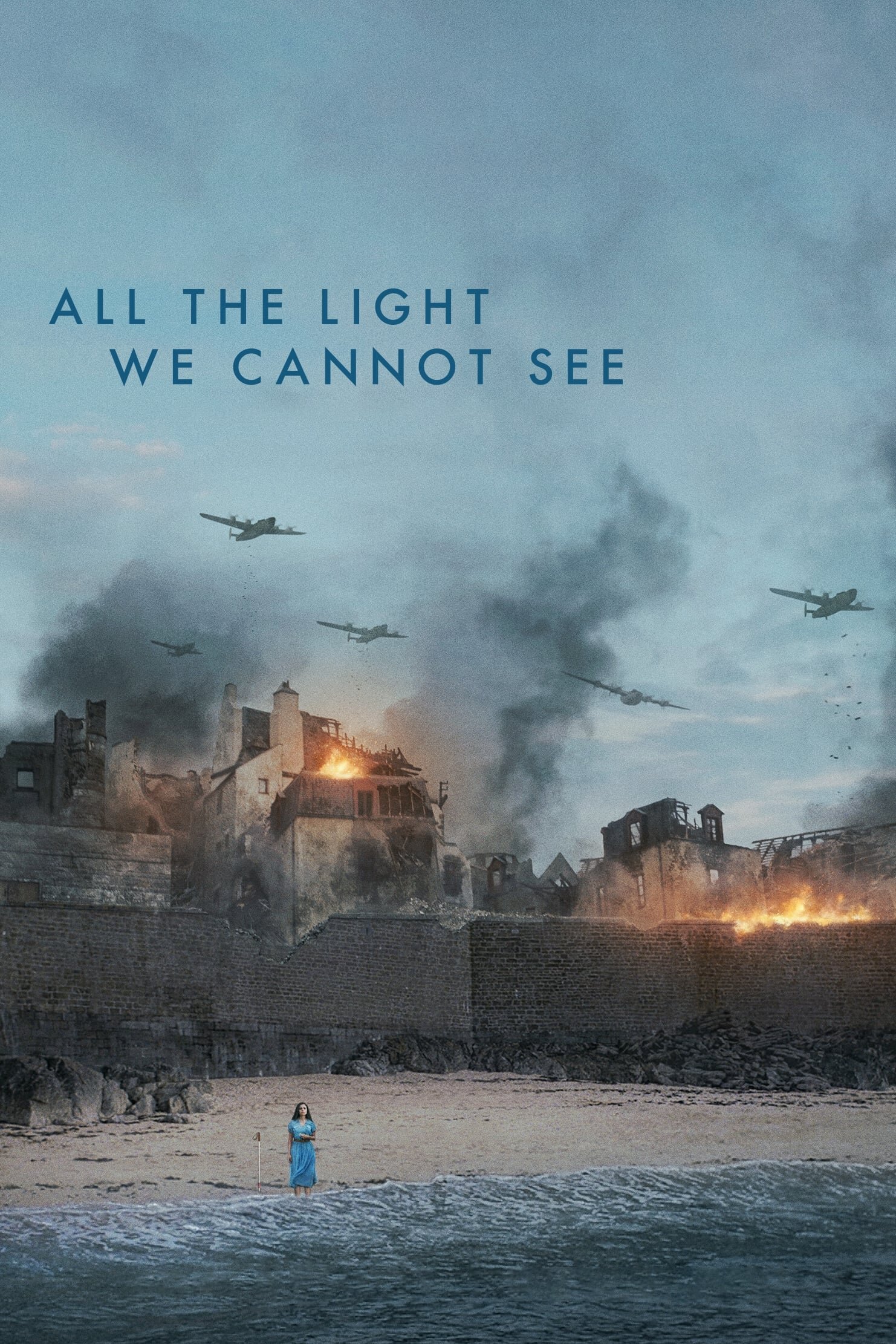
All the Light We Cannot See2023
While it covers a different war, this miniseries demonstrates how documentary-style drama can illuminate historical trauma through intimate storytelling. If you loved Liberty's approach to making the past tangible, this extends that method into a darker register.
But It's World War II, not the Revolution, so thematically distant. If you're specifically seeking Revolutionary-era material, this sideways recommendation won't satisfy that itch directly.