
Film
The Science of Interstellar
A brisk, accessible dive into the real science behind Interstellar, narrated by McConaughey and guided by physicist Kip Thorne. It bridges the gap between what the film imagined and what astrophysics actually says, making concepts like wormholes and relativity feel tangible. Perfect for anyone who left the cinema with questions, or anyone curious about space who found the film too daunting.
If you liked this
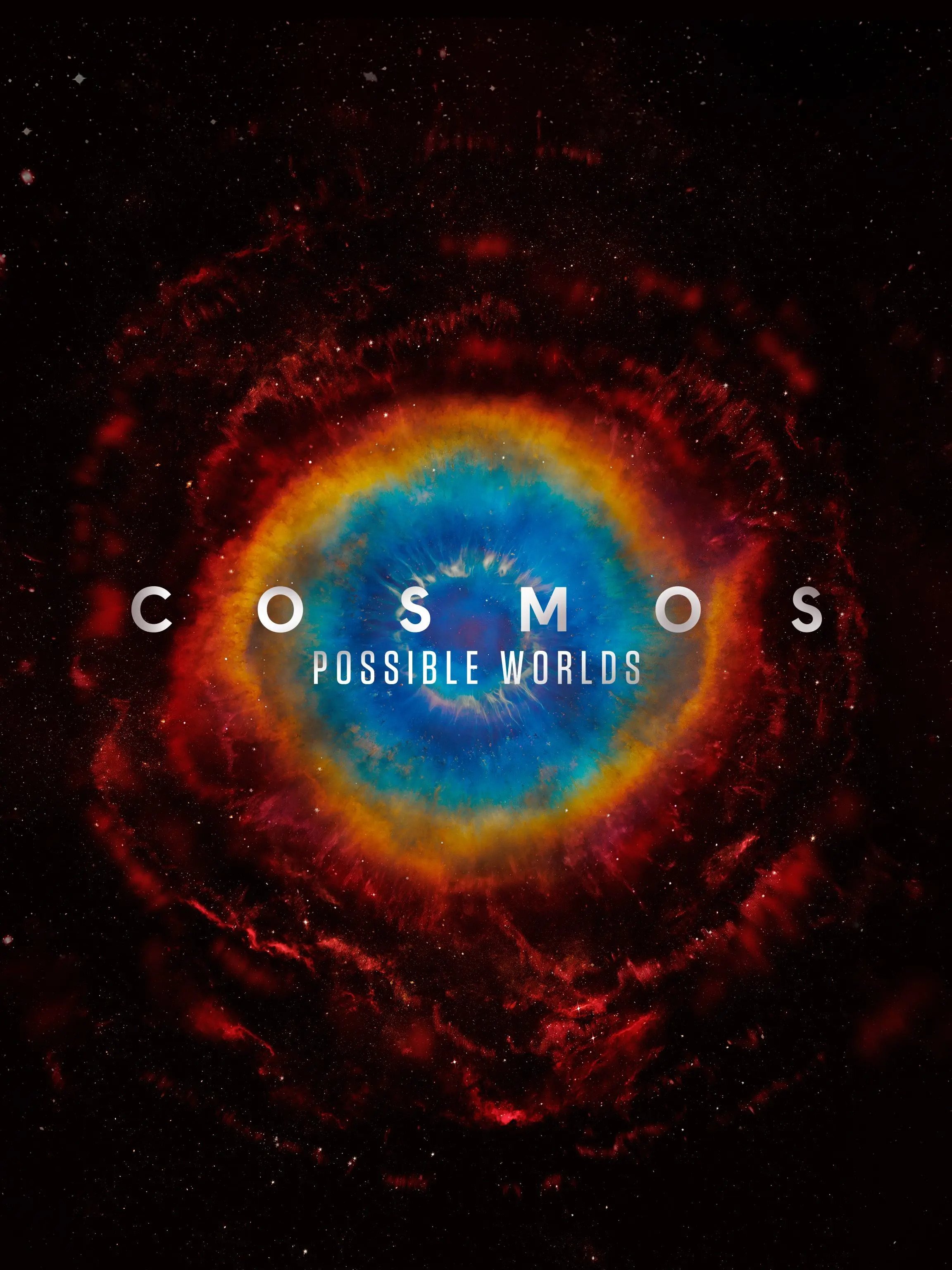
Cosmos1980
Neil deGrasse Tyson brings the same wonder-struck clarity to vast cosmic ideas. Each episode unfolds a different corner of the universe with genuine reverence and zero condescension. Beautifully made and endlessly rewatchable.
But It's a full thirteen-episode commitment, and some episodes drift toward philosophical rather than strictly scientific. The pacing is leisurely by design.
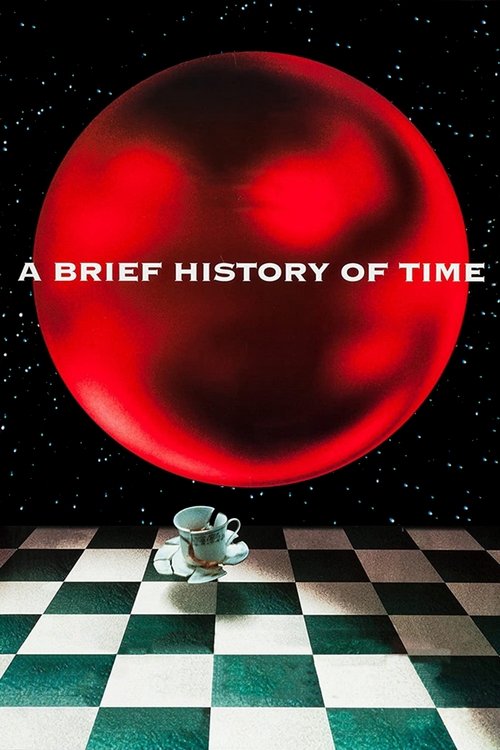
A Brief History of Time1991
Errol Morris's documentary captures Stephen Hawking in conversation about black holes, time, and the shape of existence. It's visually inventive and oddly intimate, making theoretical physics feel like a genuine human puzzle.
But At times it can feel hermetic and abstract. Without a strong foundation in physics, some passages will float past you untethered.
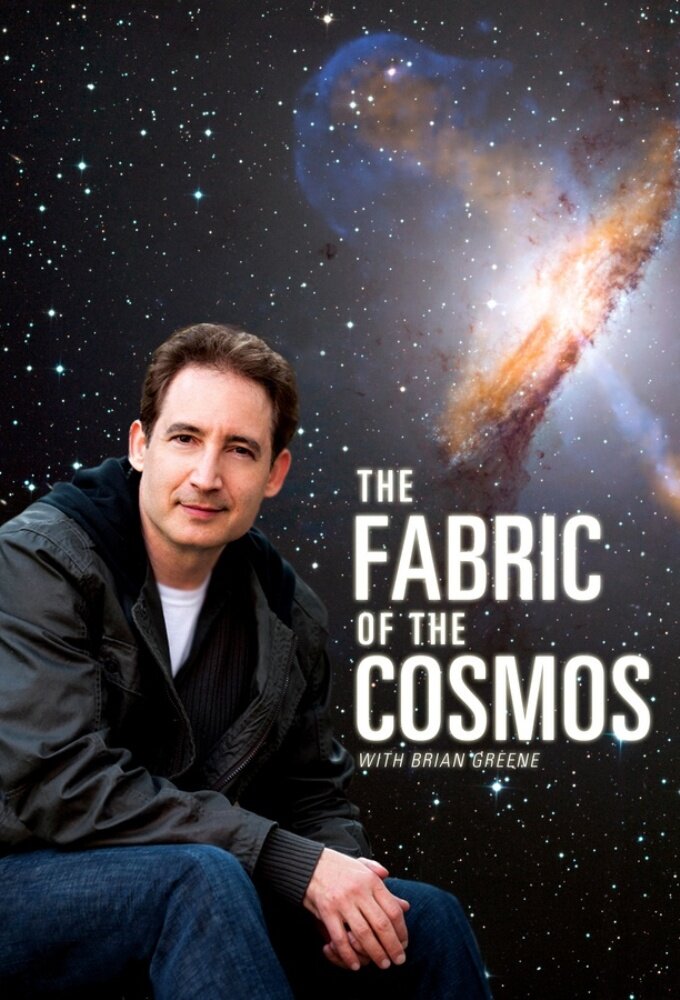
The Fabric of the Cosmos2011
Brian Greene guides you through space-time, quantum mechanics, and the nature of reality with infectious enthusiasm. It's rigorous without being cold, and the visual explanations of relativity are genuinely illuminating.
But The four-part structure means commitment. Greene's style is deliberately theatrical, which some find energizing and others find wearing.
Not sure tonight? Get a pick in a minute, starting from The Science of Interstellar
The wildcard
Something you would not have found on your own.
Stalker1979
Both treat space exploration not as spectacle but as a mirror for human desire—what we seek when we reach outward, and whether we're equipped to handle what we find.
Andrei Tarkovsky's meditative sci-fi film moves at the speed of thought, using a mysterious zone as metaphor for the unknowable universe. Like Interstellar, it takes seriously the philosophical weight of human ambition and our hunger to transcend limits.
But It's nearly three hours of slow, image-based cinema with minimal dialogue. If you approach it expecting plot momentum, you'll be deeply frustrated.

More like this (6)
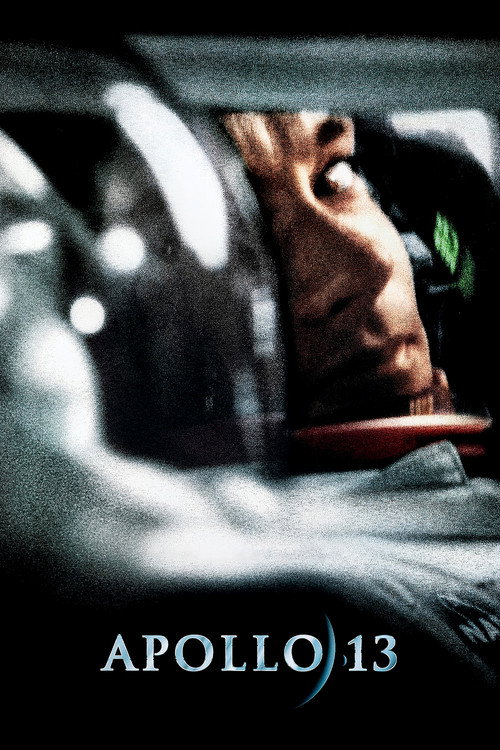
Apollo 131995
Ron Howard's account of NASA's near-disaster is a masterclass in suspense built on real science and real problem-solving. It captures the ingenuity and human stakes of space exploration without a trace of sentiment.
But It's grounded in 1970s engineering rather than cutting-edge physics. If you want contemporary cosmology rather than history, this won't scratch that itch.
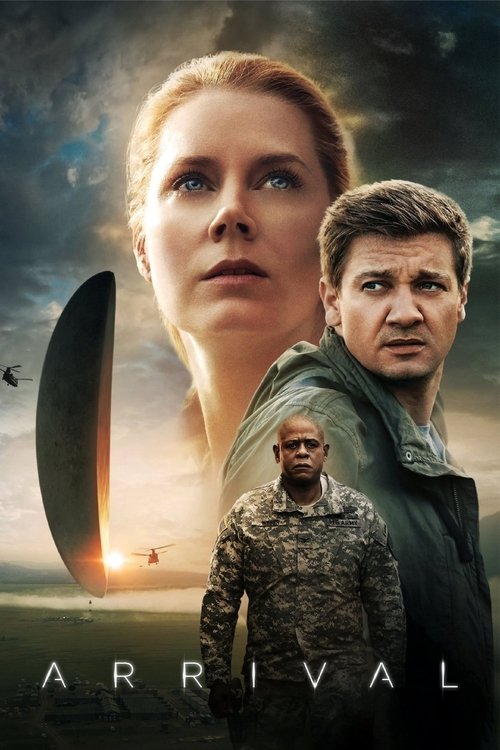
Arrival2016
Denis Villeneuve crafts a science-fiction film that takes linguistics and non-linear time seriously. It proves you can do speculative science with intellectual rigor and emotional depth, no exploding planets required.
But The central mystery unfolds slowly. If you prefer your sci-fi propulsive and plot-driven, the meditative pace will test your patience.
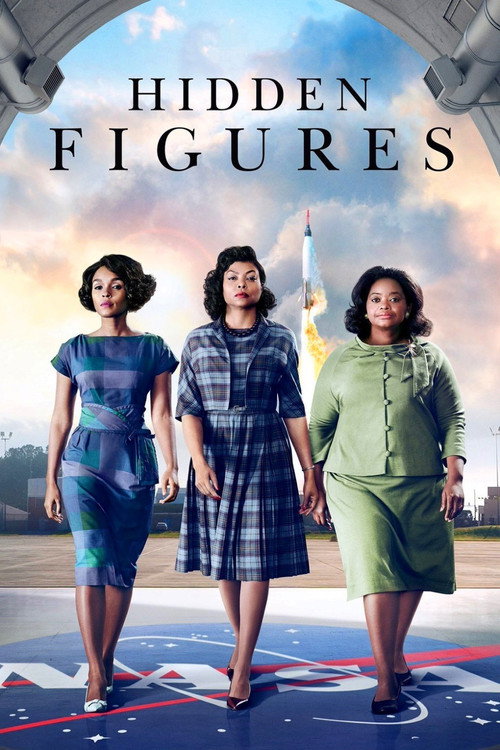
Hidden Figures2016
A Hollywood film that never talks down about orbital mechanics, mathematics, or the people who did the work. It's thrilling because the science matters—getting the calculations right is the plot.
But The narrative structure prioritizes emotion and character over deep scientific explanation. Purists might feel it simplifies for dramatic effect.
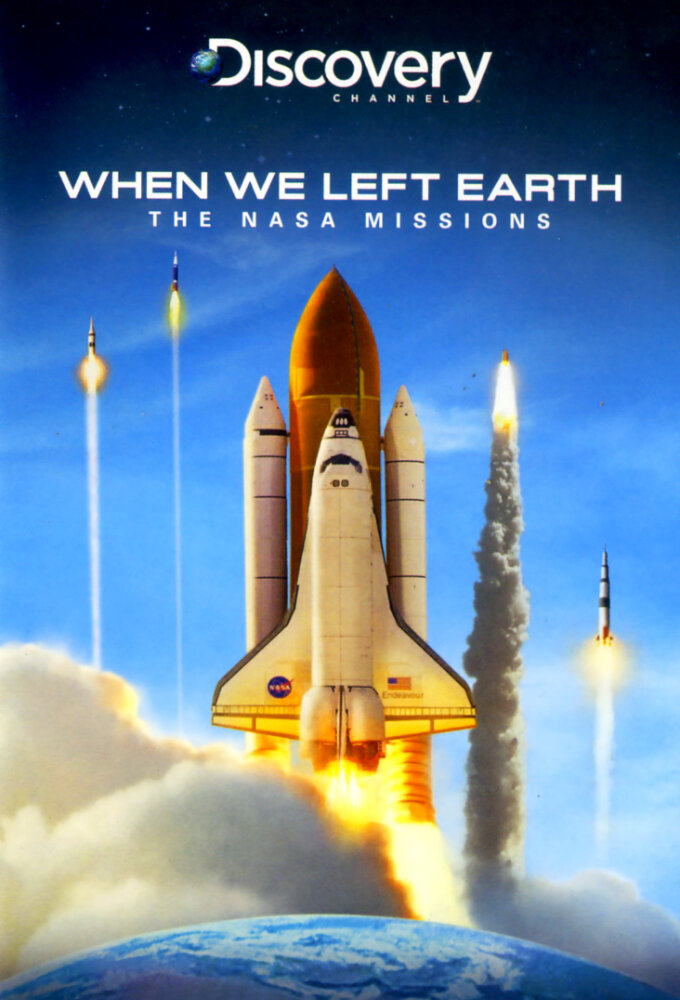
When We Left Earth: The NASA Missions2008
A methodical, archival history of spaceflight from Mercury to the Shuttle. It uses original footage and astronaut interviews to document the actual machinery and the humans inside it. Essential context for anyone curious about how we got here.
But It's a nine-part series focused on history rather than contemporary theory. The pacing is documentary-slow, and some episodes feel like glorified historical record.
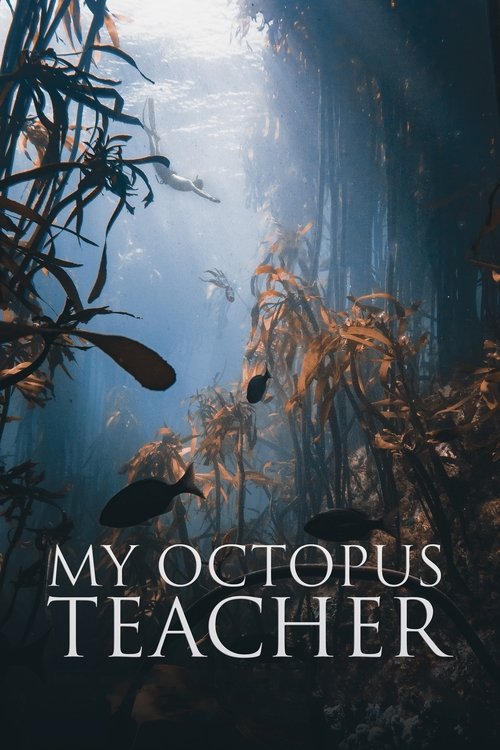
My Octopus Teacher2020
Both are odysseys of discovery—one outward through space, one downward through time and into an intelligence that thinks in ways we can barely comprehend. Both require patience and wonder in equal measure.
Craig Foster spends a year filming an octopus in the South African shallows, learning to see the world through its alien intelligence. It's a meditation on curiosity, time, and the humility required to truly understand something other than yourself.
But It's quiet and observational, almost a visual essay rather than a narrative. The pacing won't work for anyone seeking conventional documentary momentum.
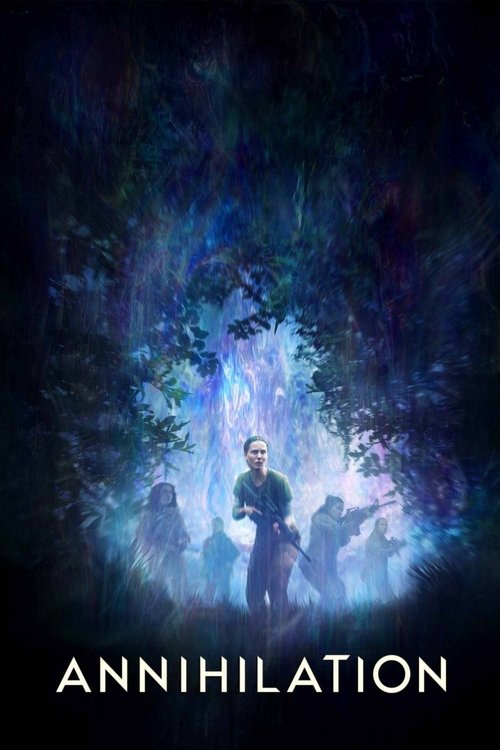
Annihilation2018
Where Interstellar asks 'what if we could reach out to the universe?', Annihilation asks 'what if the universe reached into us?' Both grapple with contact and transformation, but Annihilation treats the encounter as fundamentally disorienting and irreducible.
Alex Garland crafts a science-fiction film where the science itself is the mystery and the threat. It visualizes the unknowable in ways that feel both scientifically plausible and genuinely uncanny—something genuinely unsettled and unsettling.
But The ending refuses easy resolution or explanation. The ambiguity infuriates some viewers; others find it the point entirely.
People
Cast
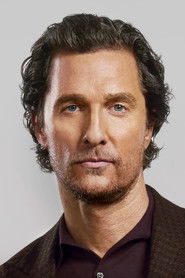 Matthew McConaugheyNarrator (voice)
 Kip ThorneSelf

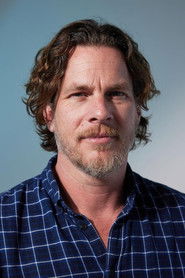 Jonathan NolanSelf
 Emma ThomasSelf
 Natalie BatalhaSelf
 Sean CarrollSelf
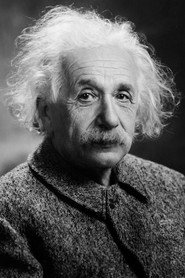 Albert EinsteinSelf (archive footage)
 Paul FranklinSelf
 Andrea GhezSelf
 Marsha IvinsSelf
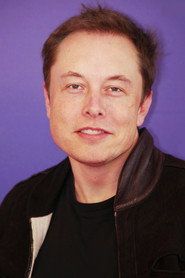 Elon MuskSelf
Directing
- Gail WillumsenDirector
Writing
- Gail WillumsenWriter
Production
- Sara HutchinsonAssociate Producer
- Carey Ann StreleckiConsulting Producer
- Rocky CollinsExecutive Producer
- Gail WillumsenProducer
- Jill ShinefieldProducer