
Film
The Strange Case of the Cosmic Rays
- Dip in and out
A 1957 educational animation from Frank Capra's Emmy-winning science series that makes cosmic rays and radiation thrillingly tangible for children. A fiction writer and a research doctor guide you through invisible forces reshaping matter itself. Vintage pedagogical cinema at its most earnest and imaginative—designed to make science feel like adventure, not homework.
Should you watch it?
Watch it if you enjoy 1950s science films that mix cartoon animation with a live lecturer, and a fictional writer who wanders into the lab to see what the fuss is about.
Skip it if you want animation to carry a story; this is mostly a lecture with drawings, talk and diagrams doing the work, and the cartoons serve the explanation rather than any plot.
What it asks of you: Under an hour, it moves at a classroom pace: patient and talky, with one idea explained and re-explained, so it rewards your full attention more than a passing glance.
Not sure? Find tonight's pick in a minute.
If you liked this
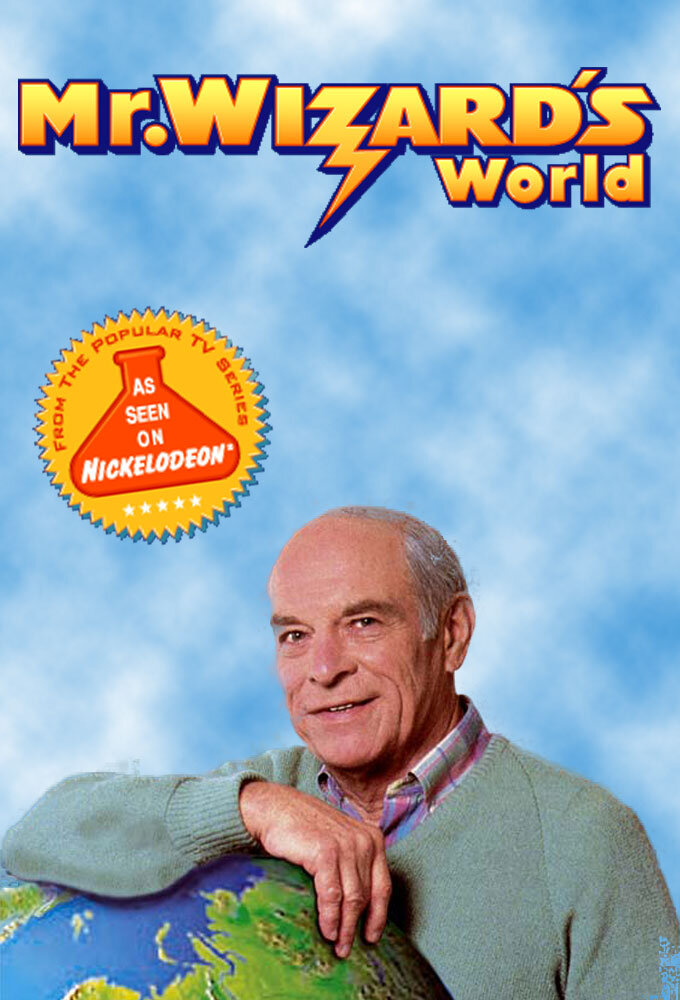
Mr. Wizard's World1983
Don Herbst's kids' science show transforms everyday household objects into genuine experiments. The same spirit as Cosmic Rays—science is play, discovery is contagious, and wonder needs no special effects.
But The production values are deliberately cheap and low-tech, which some may find dated rather than charming.
Cosmos1980
Carl Sagan makes the universe legible and magnificent without talking down. Like Capra's film, it trusts children and adults alike to grasp profound ideas if they're told with passion and poetry.
But Thirteen hours is a commitment. Some episodes move between wonder and repetition.
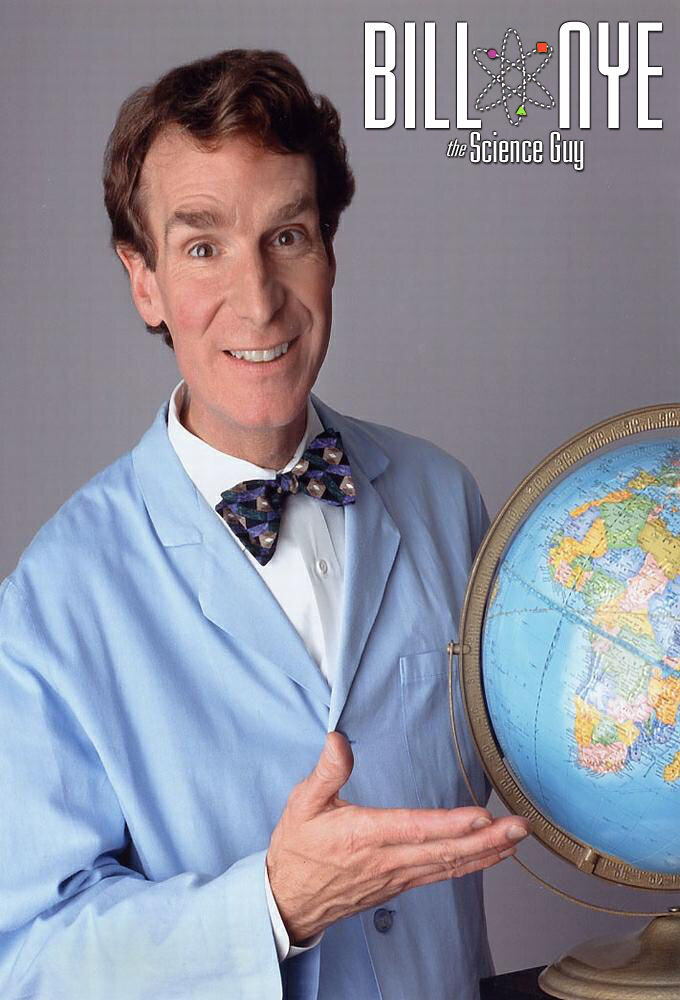
Bill Nye: The Science Guy1993
Raucous, fast-moving, and genuinely educational. It captures that same missionary zeal to make science irresistible—the conviction that a fifteen-year-old will sit still if you make it exciting enough.
But The humor hasn't aged well for everyone, and the 90s aesthetic may feel more quaint than nostalgic.
Not sure tonight? Get a pick in a minute, starting from The Strange Case of the Cosmic Rays
The wildcard
Something you would not have found on your own.
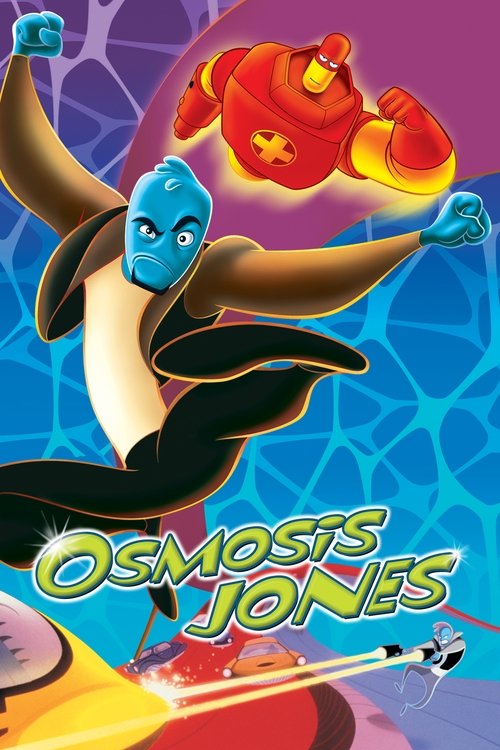
Osmosis Jones2001
Both use animation to make microscopic and submicroscopic phenomena dramatically tangible; both believe science can be genuinely thrilling to watch unfold.
A hybrid film where live-action frames a colorful animated adventure inside a human body. It takes The Cosmic Rays' pedagogical impulse—making invisible biology visible and exciting—and builds an actual action movie around it. Frank Capra meets Shrek.
But The framing story with Bill Murray is limp, and the tonal whiplash between live-action and animation can feel jarring.
More like this (5)
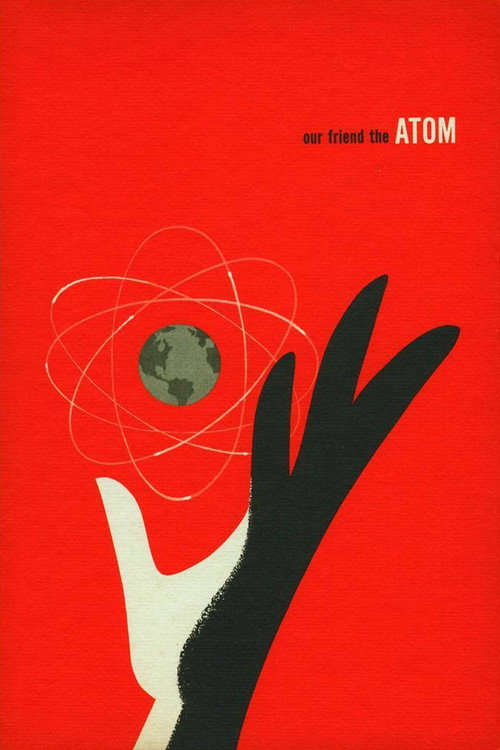
Our Friend the Atom1957
Another 1957 science film, this one from Disney, about atomic power's promise. Same year, same utopian spirit, same conviction that animation can make invisible forces visible and thrilling.
But The Cold War optimism about nuclear energy feels naive now, which can distract from the filmmaking.
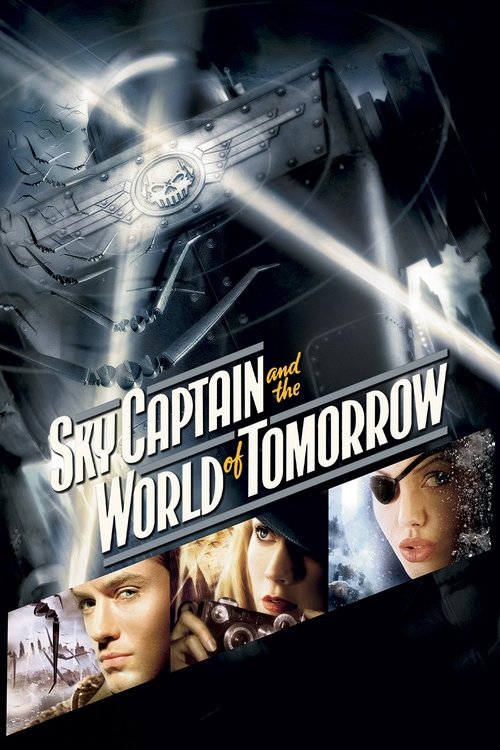
Sky Captain and the World of Tomorrow2004
Educational animation that makes futurism tangible for children. That 1957 moment when science felt endlessly generous and America believed in teaching kids to think big.
But Fifty-five minutes of earnest optimism can feel relentless if you're not in the mood for unironic wonder.
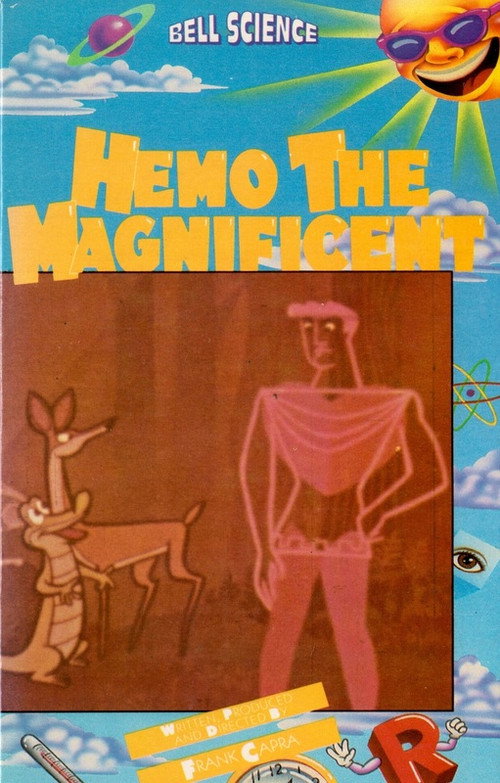
Hemo the Magnificent1957
Yet another Capra science film from the same year, this one about blood and circulation. Part of a remarkable moment when Hollywood believed children deserved serious, beautifully made science education.
But Medical illustration, even animated, asks you to find drama in the purely physiological.
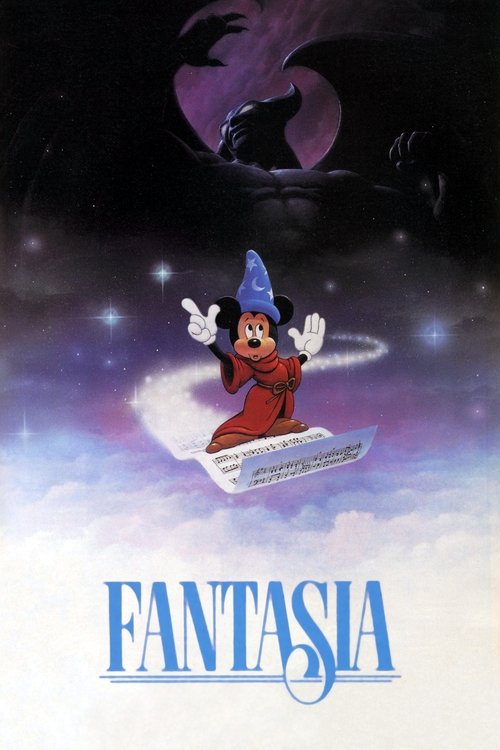
Fantasia1940
Both trust animation and music to convey complex, invisible phenomena; both value beauty and precision in making the immaterial material.
Disney's abstract animation set to classical music—no plot, no narrator, pure visualization of invisible forces and motion. Like Cosmic Rays, it proves animation can make the intangible visible, but here the 'forces' are sound and form rather than particles. Completely different register, same structural ambition.
But Forty minutes of the film plays out in silence or sparse music, which tests patience. The lack of narrative can feel pretentious or tedious.
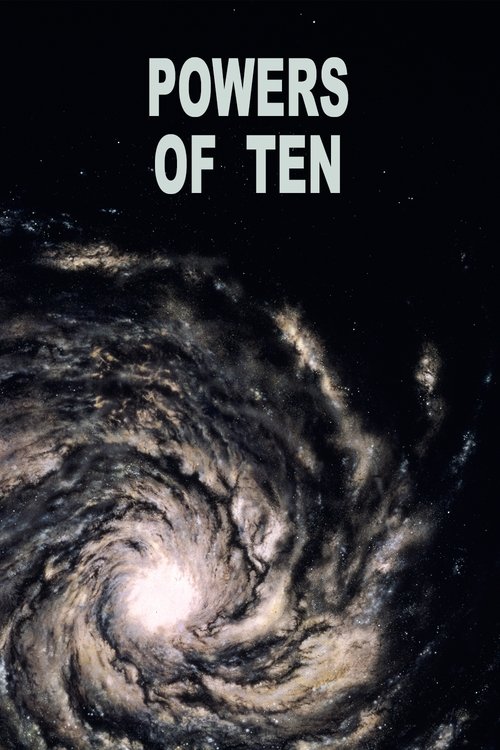
Powers of Ten1977
Both films use animation to reveal the hidden architecture of reality; both are sustained acts of imaginative visualization rather than narrative cinema.
A documentary-animation hybrid that zooms from a Chicago picnic outward to the edge of the universe, then inward to subatomic particles. Pure visualization of scale and cosmic order. Where Cosmic Rays focuses on one force, this maps the relationship between all orders of magnitude—dizzying and meditative.
But It's abstract to the point of austerity. No story, no emotional throughline, just relentless geometry and whispered narration.
People
Cast
 Richard CarlsonThe Fiction Writer
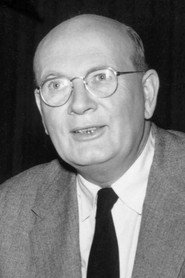 Frank BaxterDr. Research (as Dr. Frank Baxter)
 Mae WestMiss Ultraviolet (voice, archive footage)
Directing
- Arthur S. Black Jr.Assistant Director
- Frank CapraDirector
- William T. HurtzDirector
Writing
- Frank CapraWriter
- Jonathan LatimerWriter
Production
- Frank CapraProducer
- Joseph SistromProducer
- Shamus CulhaneProducer
- Nancy PittResearcher