Television series
The Secret Life of Machines
- Light-hearted
- Dip in and out
Tim Hunkin dismantles everyday machines to show how they actually work, using experiments, animation, and ingenious full-scale models. It's endlessly curious and playful, treating a toilet cistern or electric motor with the same wonder you'd give a spaceship. Perfect for anyone who's ever wondered *why* things work the way they do, and loves watching someone genuinely delighted by discovery.
Should you watch it?
Watch it if you enjoy the quiet thrill of watching a clever tinkerer take a everyday object apart in front of you, with jokes that land because the explanations are so patient.
Skip it if you want a brisk modern pace or slick, polished production values, since this is hand-built, a little rough at the edges, and happily takes its time over each idea.
What it asks of you: Thirty minutes an episode, eighteen episodes across three series, so you can dip in or binge; it asks for attention to small mechanisms rather than a tense or emotional hold.
Not sure? Find tonight's pick in a minute.
If you liked this
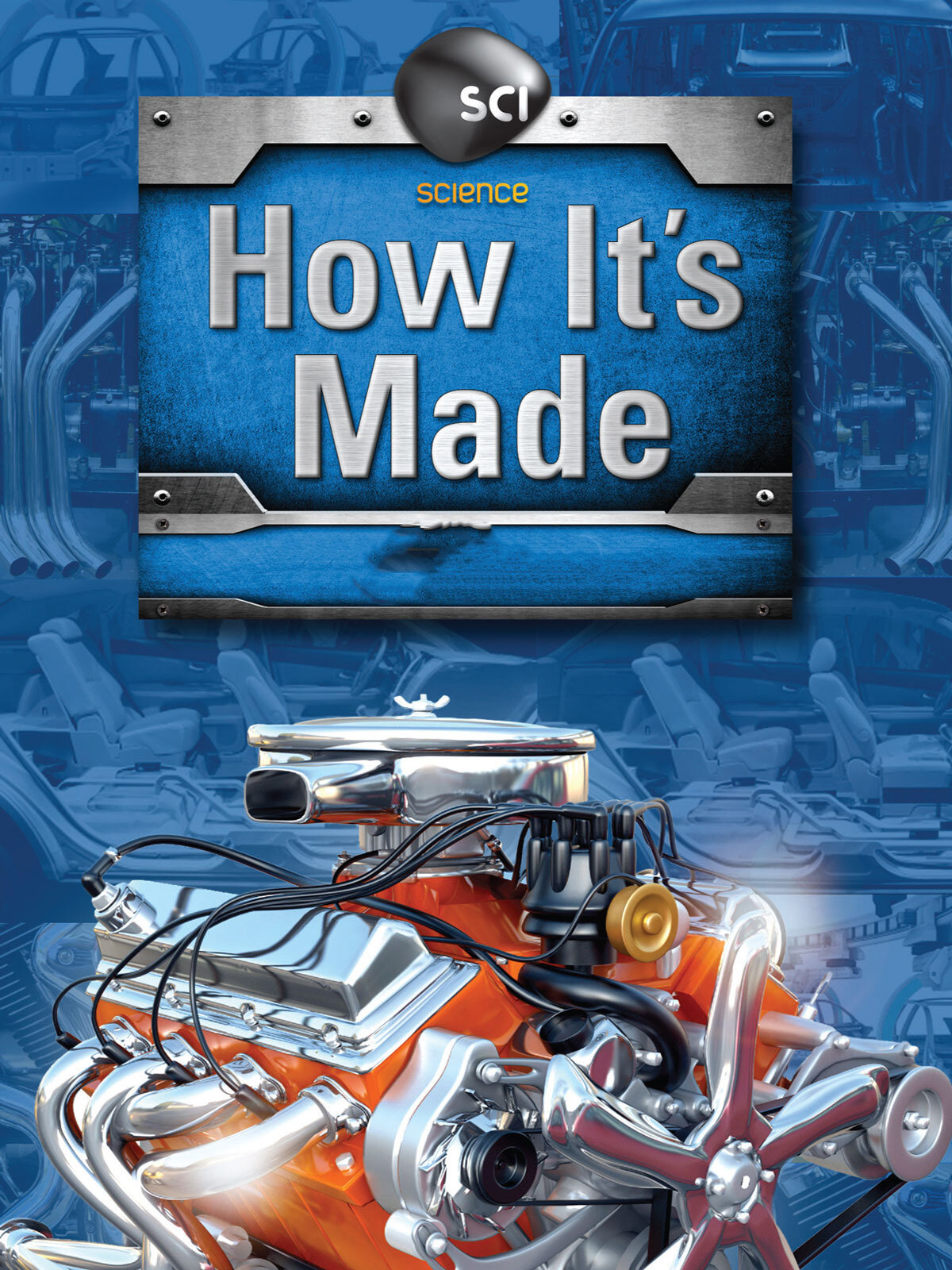
How It's Made2001
Satisfying, meditative looks at how ordinary products are manufactured at scale. Same spirit of curiosity as Hunkin, but focused on industrial processes rather than mechanical principles. Calming to watch.
But Each episode is fairly brief and surface-level; it doesn't always explain the engineering reasoning behind design choices, just shows the steps.
Log Horizon2013
Carl Sagan and Stephen Hawking explore physics with the same clarity and wonder. Beautifully shot, intellectually rigorous but never pretentious. Makes complex ideas genuinely accessible.
But More about cosmology and abstract theory than mechanical systems. Requires more sustained concentration than Hunkin's bite-sized explanations.

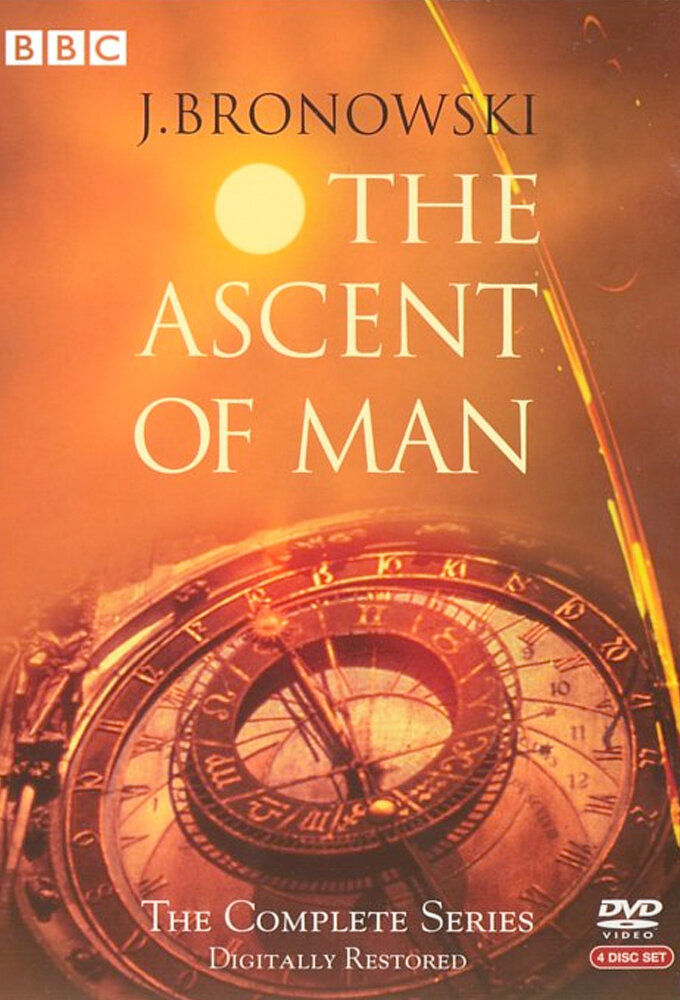
The Ascent of Man1973
Jacob Bronowski's essay on human progress through technology and discovery. Shares Hunkin's belief that understanding *how* things work is essential to being human. Profound without being pompous.
But From 1973 and shot like it. The pacing is deliberate and slow by modern standards; this isn't entertainment-driven television.
Not sure tonight? Get a pick in a minute, starting from The Secret Life of Machines
The wildcard
Something you would not have found on your own.
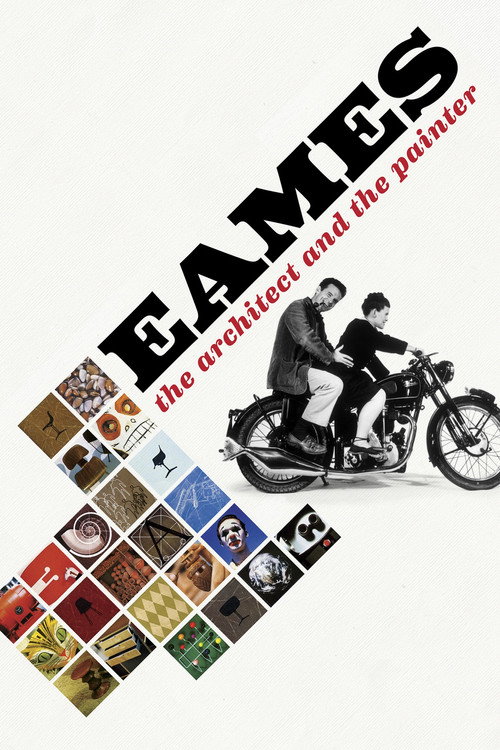
Eames: The Architect and the Painter2011
Both celebrate the elegance of how things work. Eames' approach to design—reducing complexity to essential principle—mirrors Hunkin's breakdown of machines into their simplest truths.
Beautifully crafted film about Charles and Ray Eames exploring how they designed everything—chairs, exhibitions, films—by understanding fundamental principles. It's about design as applied mechanism.
But Biographical and artistic rather than technical. Doesn't explain the engineering; it shows the thinking behind it. May feel more about aesthetics than mechanics.
More like this (3)
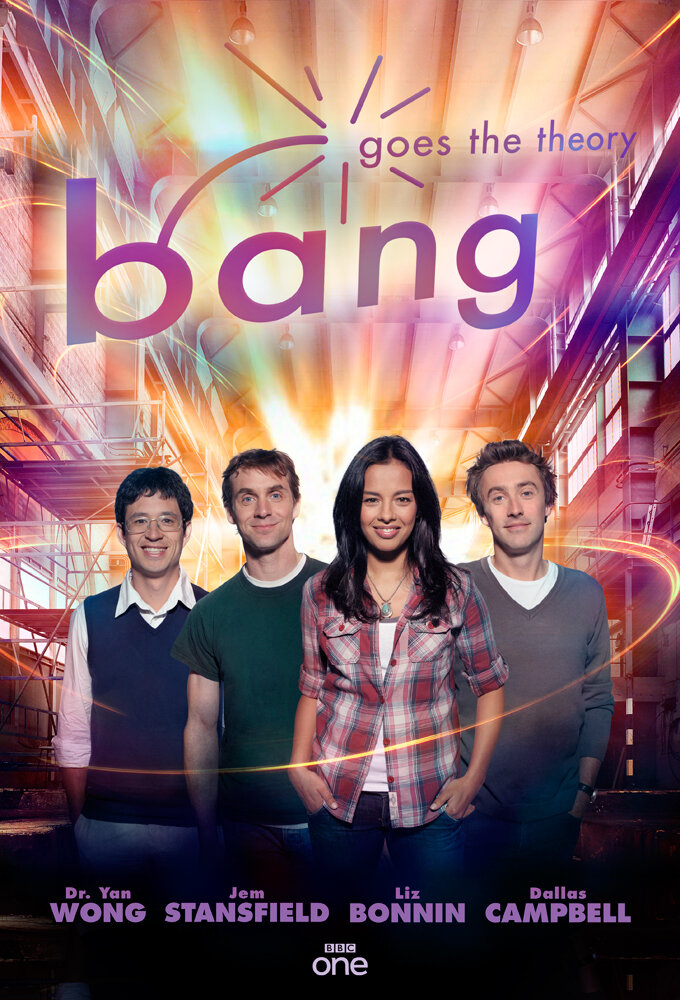
Bang Goes the Theory2009
BBC science magazine show testing hypotheses through real-world experiments and demonstrations. Captures the playful investigative spirit of Hunkin while staying practical and grounded.
But Ensemble format means less depth on individual subjects. Episodes are shorter and punchier, which trades complexity for accessibility.
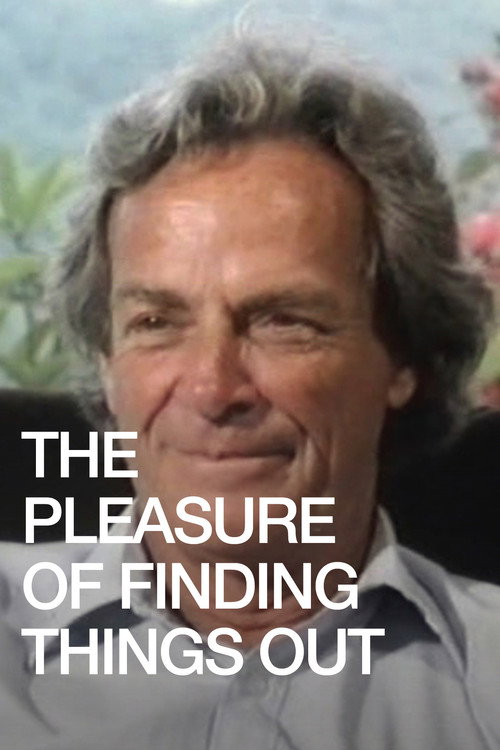
The Pleasure of Finding Things Out1981
The physicist demonstrates his curiosity about everyday phenomena—magnets, rubber bands, locks—with the same infectious wonder Hunkin brings. Pure joy in understanding how things work.
But Interview format rather than structured explanation. Feynman's tangential thinking is brilliant but can feel scattered if you want clear instruction.
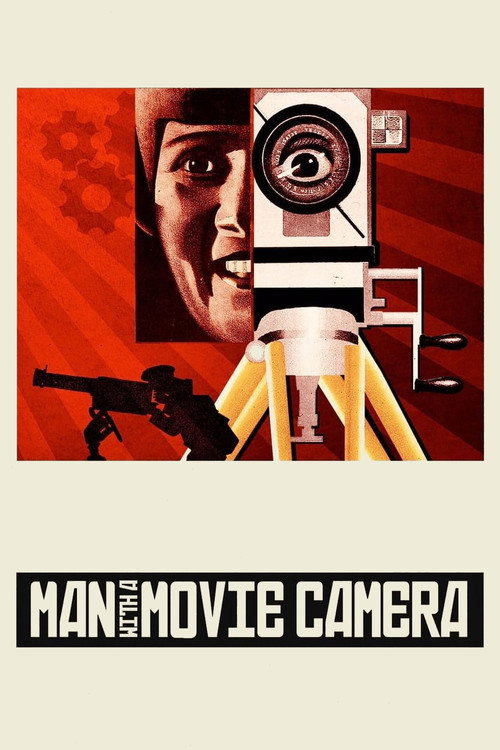
Man with a Movie Camera1929
Like Hunkin, Vertov is obsessed with revealing hidden mechanism—but he applies it to society and motion rather than domestic appliances. Same urge to show how things *really* work beneath the surface.
Dziga Vertov's silent Soviet film is a machine itself—the camera and editing rhythms become the subject. It shows how to see the mechanics of a city in motion. Pure formal brilliance, hypnotic.
But No dialogue, no plot, completely abstract in structure. Made in 1929; the footage is archival and grainy. Demands active, concentrated viewing.