
Film
Shin Ultraman
Shin Ultraman is a gleaming, deadpan reinvention of Japan's most iconic tokusatsu hero. Director Shinji Higuchi treats the giant robot battles with operatic sincerity and meticulous craft, grounding cosmic stakes in bureaucratic procedure and genuine feeling. It's for anyone who loves practical spectacle, Japanese genre cinema, or what happens when a master takes a beloved property and asks: what if we made this *real*?
Should you watch it?
Watch it if you love tokusatsu monster films staged like a government procedural, with dense talky briefings, bold graphic-design framing and a hero who is more puzzle than punch.
Skip it if you want the kaiju battles to carry the film, since monsters arrive in brisk bursts and much of the runtime goes to committee rooms, exposition and rapid-fire dialogue.
What it asks of you: Expect a brisk 112 minutes with little lingering; you must keep up with dense dialogue and visual detail, while the tone stays earnest between sudden eruptions of destruction.
Not sure? Find tonight's pick in a minute.
If you liked this
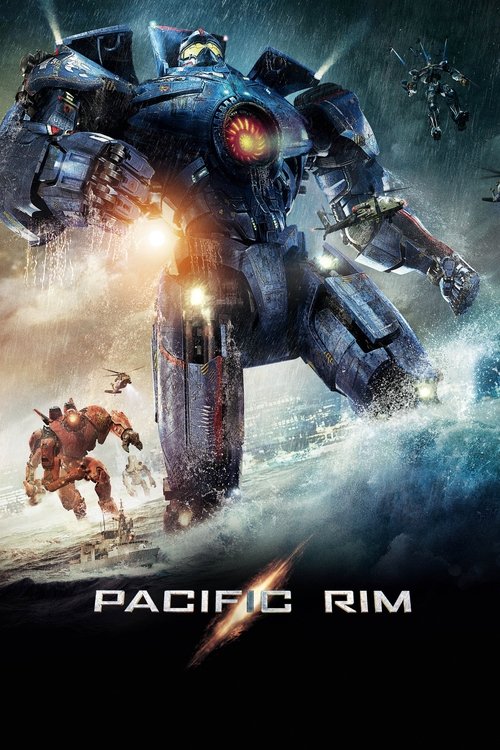
Pacific Rim2013
Guillermo del Toro's love letter to giant robots and kaiju has the same reverent, technical approach to impossible battles. Operatic scale, practical effects obsession, and characters who treat world-ending threats as a job to be done.
But Slower pacing in the middle, and the plotting prioritizes spectacle over narrative momentum. Some find it glacial.
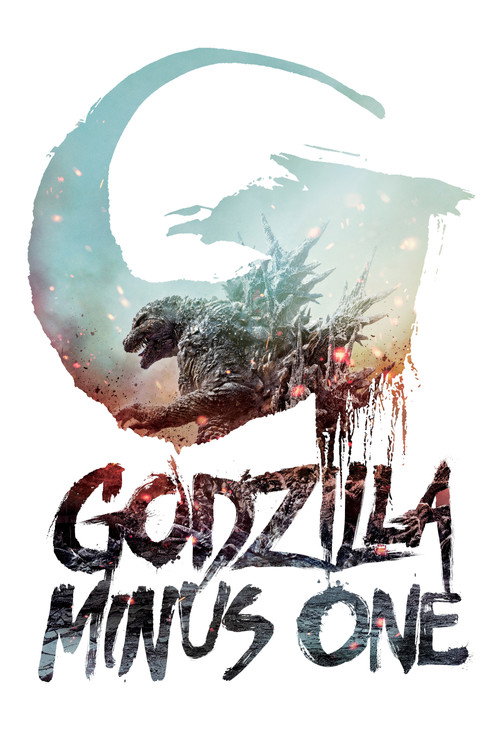
Godzilla Minus One2023
Another Japanese film that treats the giant monster as metaphor for collective trauma, with stunning practical effects and a director who understands how to build dread. Similar tonal balance of wonder and grief.
But It's a period piece set post-WWII, so the mood is far heavier and the scale more intimate. Quite different in temperament.
Ultraman1966
Netflix's anime series continues the same mythology with fresh visual ideas and explores what it means to be the thing everyone depends on. Smartly written, kinetic, and oddly moving about duty and sacrifice.
But Animation style is stylized rather than naturalistic. The series commits to melodrama in ways the film deliberately avoids.
Not sure tonight? Get a pick in a minute, starting from Shin Ultraman
The wildcard
Something you would not have found on your own.
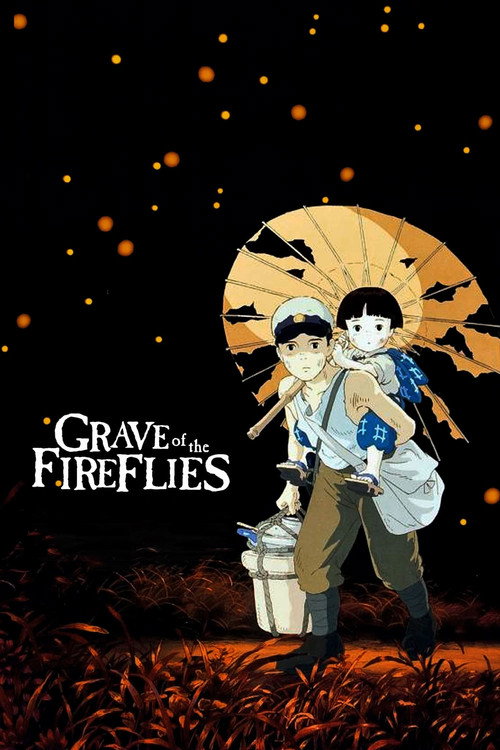
Grave of the Fireflies1988
Both films use their respective canvases—the giant and the intimate—to ask what Japan owes its people, and what price they pay for survival.
Isao Takahata's masterpiece is the inverse: not giant monsters attacking, but ordinary people destroyed by one. Same Japanese attention to technical beauty and emotional devastation, but stripped of spectacle and refuge in heroism.
But It is one of cinema's most punishing experiences. The beauty is inseparable from the horror. Not cathartic.
More like this (8)
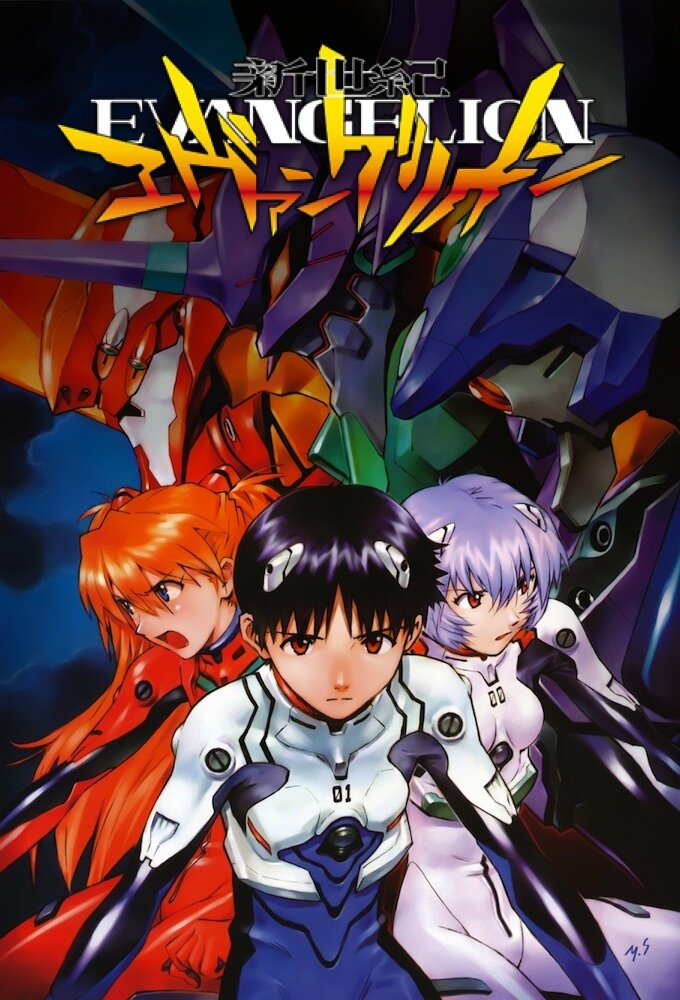
Neon Genesis Evangelion1995
Another Japanese property that deconstructs giant robots and the psychological cost of heroism, with extraordinary visual invention and genuine emotional weight. Peak influence on how modern tokusatsu thinks about itself.
But It's bewilderingly complex, philosophically dense, and deliberately alienating. The ending is infamous for being deliberately difficult.
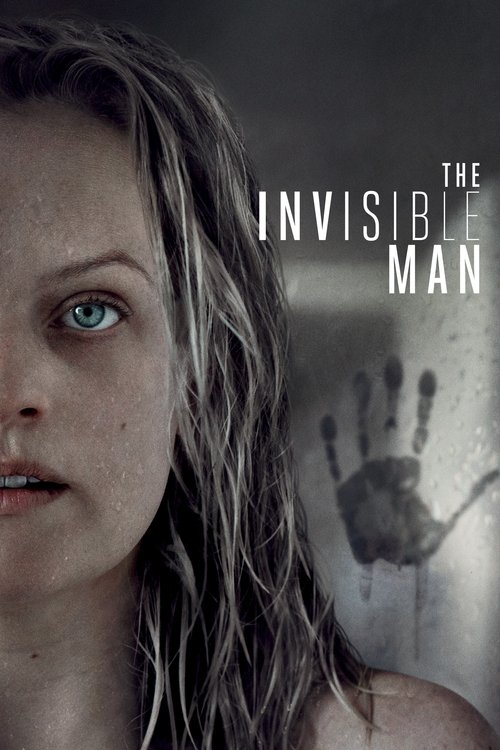
The Invisible Man2020
Leigh Whannell's remake shares Shin Ultraman's interest in technology as a tool of control, excellent production design, and treating impossible scenarios with procedural realism. Tense and carefully constructed.
But It's a home invasion thriller, so the scale is claustrophobic rather than cosmic. Tone is dread rather than wonder.
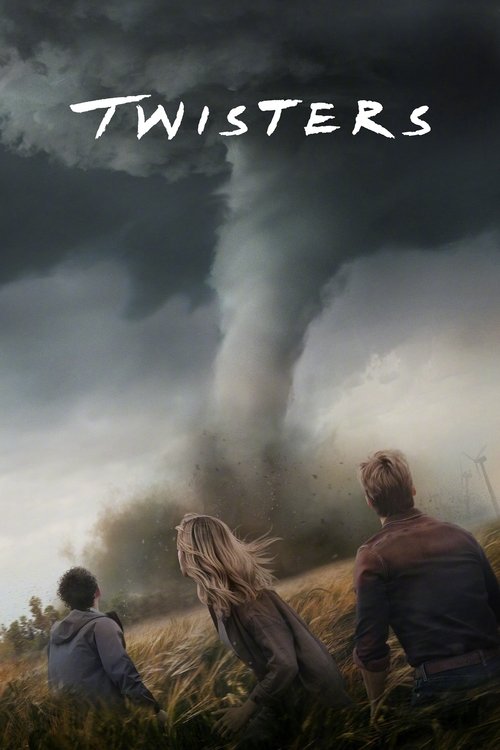
Twisters2024
A modern disaster film that brings genuine craft and practical stunt work to natural phenomena. Stakes feel earned, effects look lived-in, and there's real affection for the technical expertise required to do the impossible.
But Lighter in tone and more romantic comedy than Shin Ultraman. You're trading metaphysics for spectacle and chemistry.
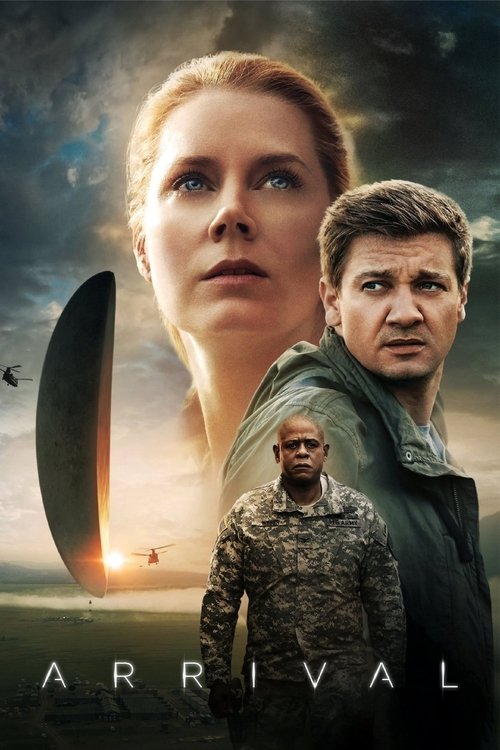
Arrival2016
Denis Villeneuve's first-contact film has Shin Ultraman's patient approach to alien encounters—treating the extraordinary with government procedure, scientific rigor, and genuine curiosity about what understanding means.
But It's cerebral science fiction about language and time, not giant robot battles. Quieter and more interior than you'd expect.
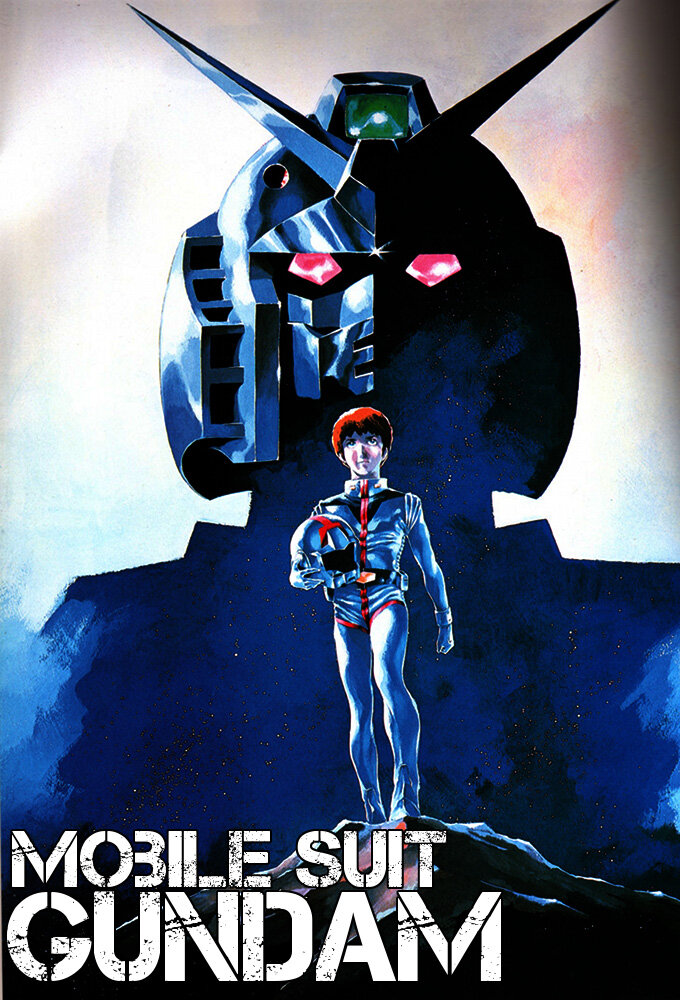
Mobile Suit Gundam1979
The foundational mecha anime that treats giant robots as military hardware with political consequence. Grim, technically obsessive, and the spiritual ancestor of everything Shin Ultraman is doing.
But Nearly fifty years old, with animation that reflects its era. Requires patience with dated technical work and dated storytelling rhythms.
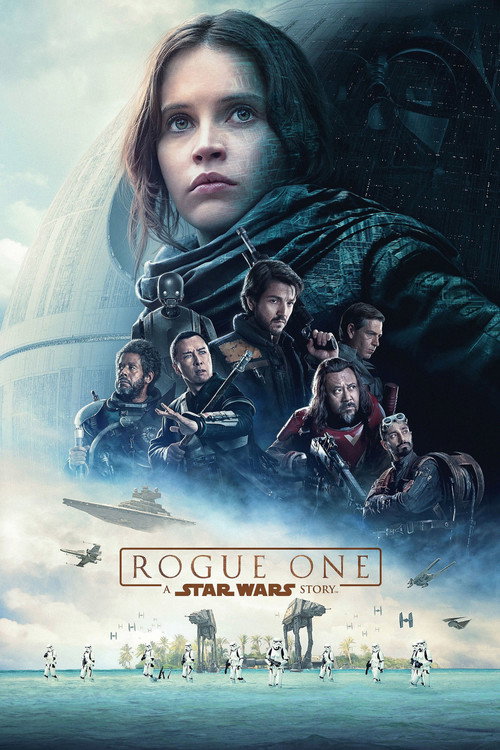
Rogue One: A Star Wars Story2016
Another film about a task force facing impossible odds with practical effects and documentary-like staging. Government machinery, sacrifice, and visual storytelling that trusts you to feel the weight without being told.
But Franchise entry that assumes familiarity. Ends with full knowledge that things go wrong, which can feel predetermined.
Stalker1979
Both treat first contact with the alien as moral and spiritual crisis, not action problem. Both trust silence and observation over exposition.
Andrei Tarkovsky's Soviet science fiction film moves with glacial philosophical precision through an encounter with the inexplicable. Long takes, patient camera work, belief that wonder requires time. Utterly different register, same metaphysical DNA.
But 163 minutes of barely perceptible movement. Deliberately anti-narrative. Tests patience as a core artistic principle.

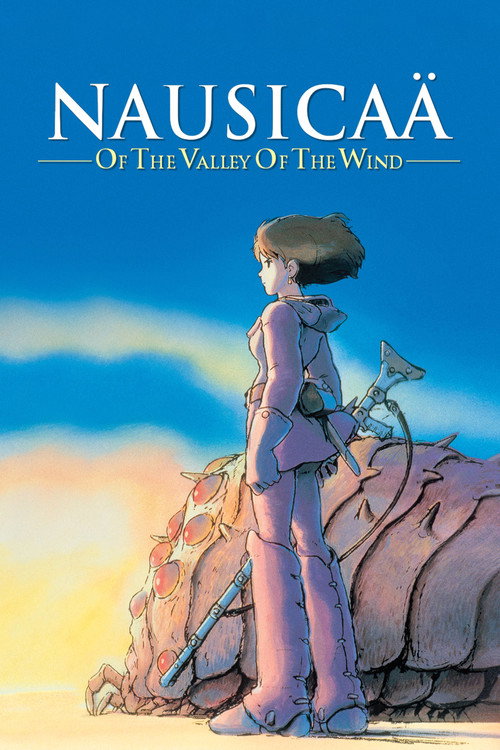
Warriors of the Wind1984
Both films ask what it means for one being—giant or small—to stand between humanity and obliteration, and whether winning saves anything at all.
Hayao Miyazaki's masterwork: one woman against civilization's mistakes, hand-drawn beauty meeting environmental catastrophe. Combines tokusatsu's giant creatures with genre-transcendent craft and the observation that heroism doesn't fix what's broken.
But Animated, so tonally lighter despite serious themes. Less procedural, more mythic. The romance with spectacle is different.
People
Cast
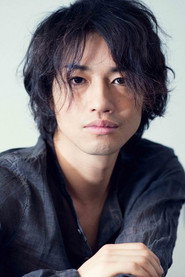 Takumi SaitohShinji Kaminaga
 Masami NagasawaHiroko Asami
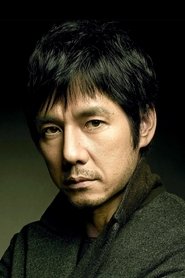 Hidetoshi NishijimaKimio Tamura
 Daiki AriokaAkihisa Taki
 Akari HayamiYumi Funaberi
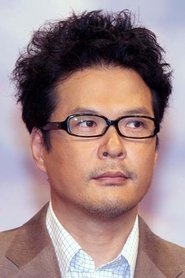 Tetsushi TanakaTatsuhiko Munakata
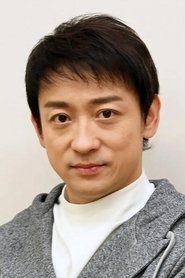 Koji YamamotoMefilas
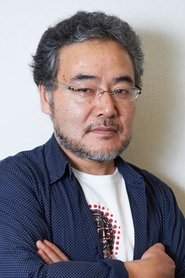 Ryo IwamatsuHajime Komuro
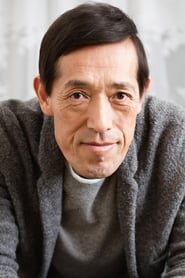 Kyusaku ShimadaTaishi Okuma
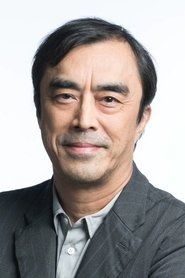 Toru MasuokaKunihiko Kariba
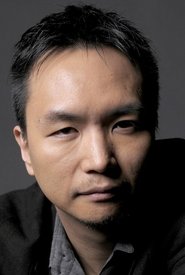 Keishi NagatsukaHayasaka
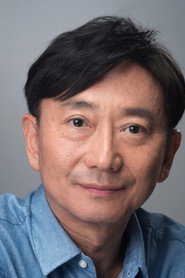 Hajime YamazakiSeiichi Nakanishi
Directing
- Ikki TodorokiCo-Director
- Katsuro OnoueCo-Director
- Shinji HiguchiDirector
Writing
- Eiji TsuburayaOriginal Story
- Hideaki AnnoScreenplay
Production
- Tsuyoshi SuginoCasting
- Akihiro YamauchiCo-Producer
- Hideaki AnnoExecutive Producer
- Kensei MoriLine Producer
- Masanori KawashimaProducer
- Minami IchikawaProducer
- Takehiko AokiProducer
- Tomoya NishinoProducer