
Film
Marjorie Prime
- AI and robot sci-fi
- Family drama
- Slow-burning
Marjorie Prime is a quiet, meditative science-fiction film about memory, mortality, and what we owe the people we love. An elderly widow interacts with a hologram of her late husband at a younger age, and as their conversations deepen, the film asks unsettling questions about identity, truth, and whether remembering someone the way we need to matters more than how they actually were.
Should you watch it?
Watch it if you like quiet, talky science fiction that uses a far-future gadget to get at old grief, memory and the stories we tell about people we have lost.
Skip it if you want momentum and plot turns; much of the film is slow conversation between a few people in one house, and its sci-fi premise stays largely in the background.
What it asks of you: It runs about an hour and a half at a patient, unhurried pace, rewarding close listening to dialogue and pauses rather than watching for action or spectacle.
Not sure? Find tonight's pick in a minute.
If you liked this
The Farewell2019
A contemplative family drama about grief, legacy, and the stories we tell ourselves. It shares Marjorie Prime's interest in how memory reshapes people and the tension between what's true and what's necessary to believe.
But It's deliberately paced and emotionally restrained—if you want catharsis or clear answers, this won't provide them.

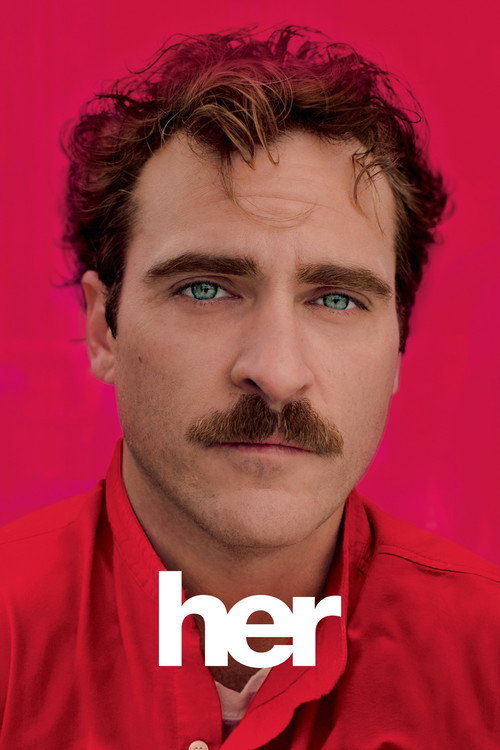
Her2013
Both explore intimate conversations with artificial companions, and both ask whether connection can be real if one party isn't. Her is warmer and more romantic, but the philosophical question is similar: what do we need from another being?
But Her is science fiction romance; Marjorie Prime is a grief meditation. The tones and stakes feel quite different.
Still Alice2014
A portrait of cognitive decline and what it means when memory—the thing that makes us ourselves—starts to dissolve. Both films treat aging and identity loss with genuine tenderness rather than sentimentality.
But It's harder to watch. Still Alice doesn't offer the comfort of an artificial companion; the deterioration is relentless and real.

Not sure tonight? Get a pick in a minute, starting from Marjorie Prime
The wildcard
Something you would not have found on your own.
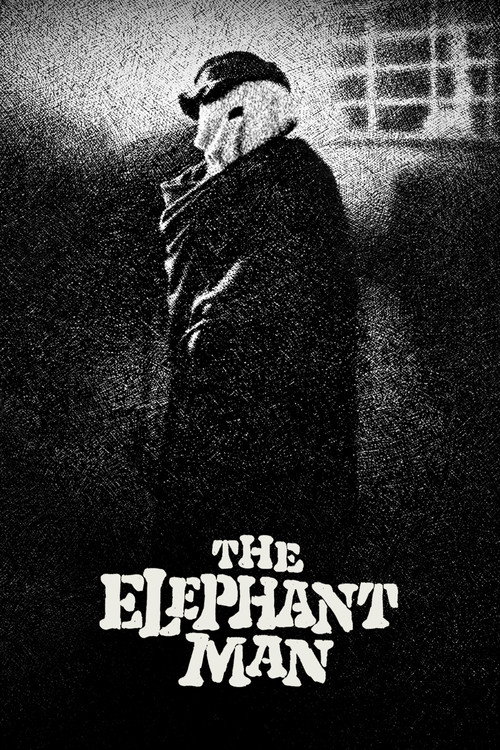
The Elephant Man1980
Both films are built on the idea that we can never truly know another person, only the version of them we've constructed.
David Lynch's black-and-white meditation on identity, humanity, and how we're known by others. The eponymous man is watched, interpreted, and mythologized—but we never fully know who he is beneath our projections. It shares Marjorie Prime's fascination with the gap between a person and how they're remembered.
But It's bleak, grotesque, and formally strange. The black-and-white photography is beautiful but distancing; if you want warmth, this has none.
More like this (8)
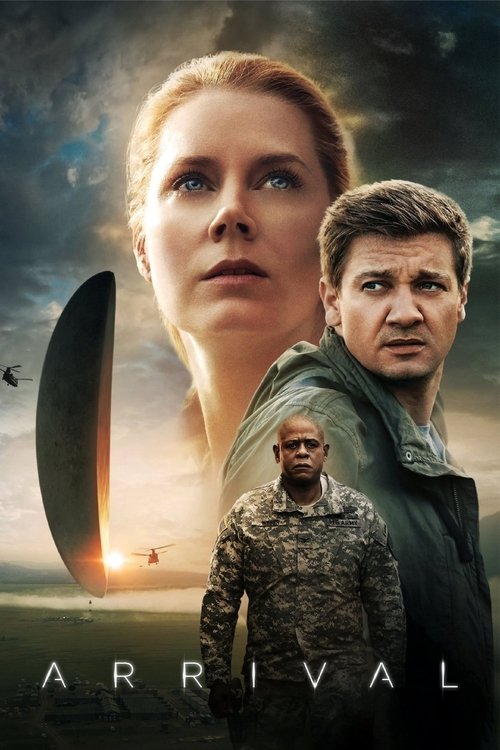
Arrival2016
A science-fiction film where the sf concept (language, aliens, time) is genuinely used to explore human emotion—specifically grief and acceptance. The tech is a vehicle for deeper feeling, not the point.
But Arrival is more plot-driven and conventional in structure. It builds to a reveal; Marjorie Prime resists narrative momentum.
The Remains of the Day1993
About regret, memory, and whether the life you remember is the life you lived. An older man reflects on decades with someone he never quite reached. The emotional precision is very similar.
But It's a period drama about class and restraint. If you want sci-fi trappings, this won't have them.

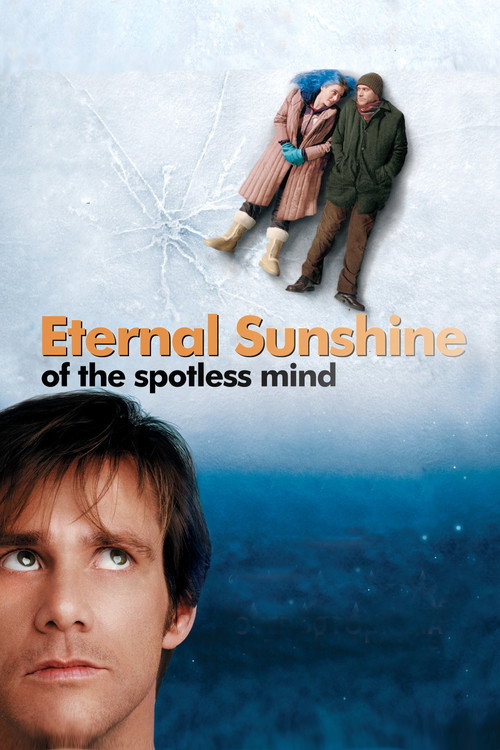
Eternal Sunshine of the Spotless Mind2004
A love story told through technology that alters memory. Like Marjorie Prime, it asks whether erasing painful moments is a gift or a loss, and what we're risking when we try to edit our own history.
But It's much more stylistically playful and formally experimental. Marjorie Prime is austere by comparison.
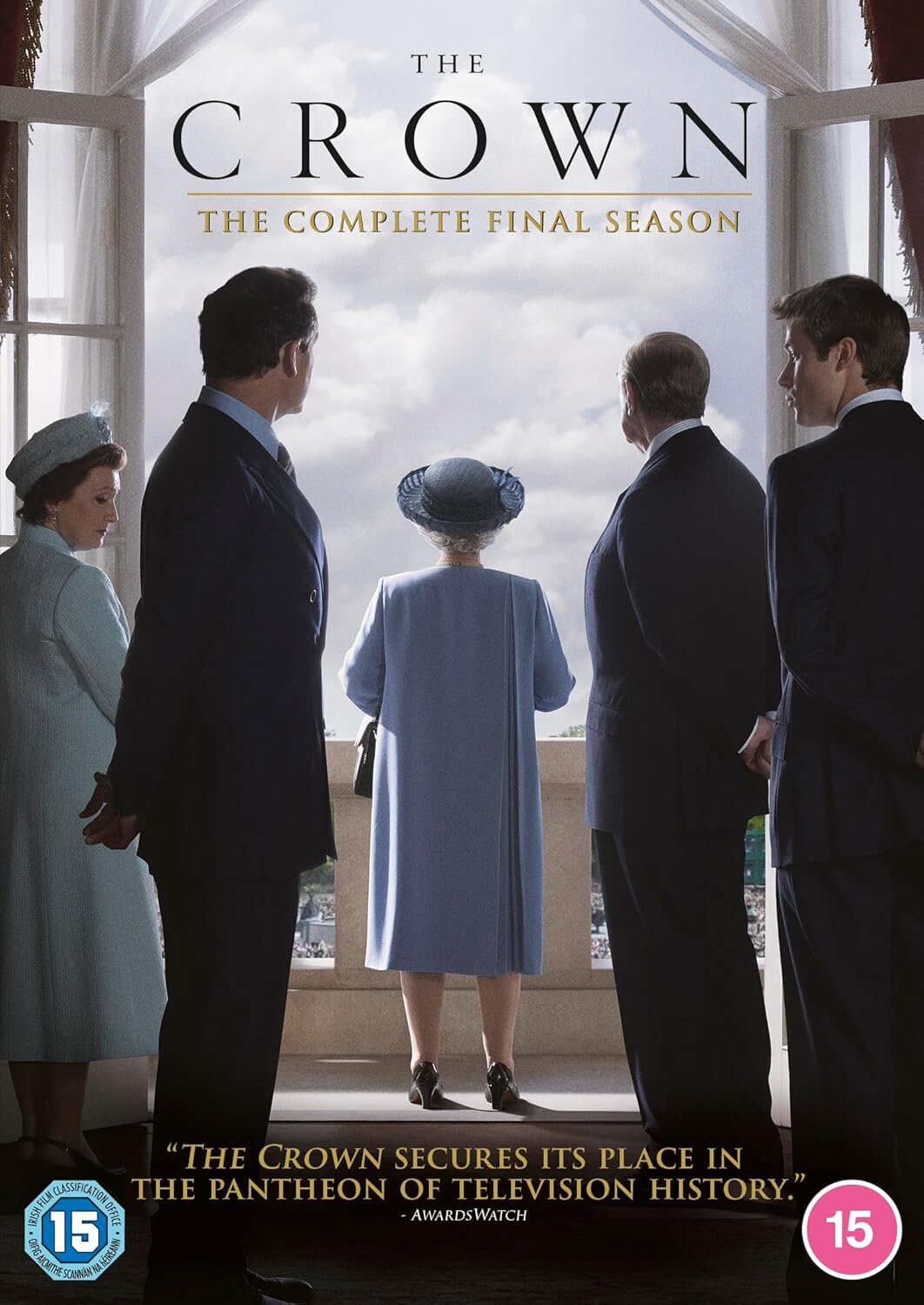
The Crown2016
A serialized drama interested in how public figures become their own myths, and how the people closest to them remember them differently than the world does. The intimacy and the distance of memory are central.
But It's a massive, gossipy political drama. If you want something smaller and more interior, this sprawls.
Boyhood2014
Filmed over twelve years with the same actors, so you watch people age in real time. It's fundamentally about how memory works and how we construct identity from moments that felt insignificant as they happened.
But It's very long, very patient, and some find it meandering. The cumulative effect matters more than individual scenes.

Before Sunrise1995
Two people have one extended conversation about love, time, and whether moments of connection matter even if they can't be sustained. The dialogue-driven intimacy and philosophical bent are very close to what Marjorie Prime does.
But It's a romance, and quite romantic. Marjorie Prime is colder and more uncertain about whether connection is possible or just performed.

Stalker1979
Both use science fiction as a framework to ask moral and existential questions about what we owe to memory and desire, and neither believes easy answers exist.
Andrei Tarkovsky's slow-moving science-fiction meditation on desire, memory, and the human need to believe in something beyond ourselves. A journey inward disguised as a journey outward. It has the same patient, unsettling quality.
But It's 163 minutes of philosophical Russian cinema with long static shots. If you want plot momentum, narrative payoff, or even conventional beauty, you won't find it here.

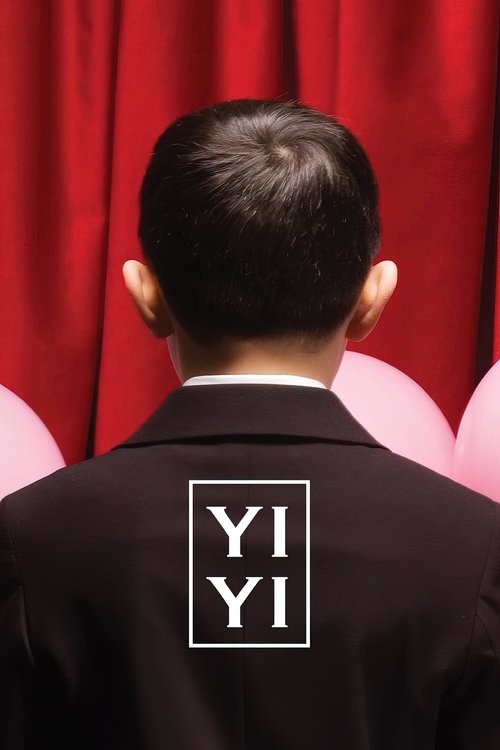
Yi Yi2000
Both see family relationships as fundamentally opaque—we live alongside people we can never fully know—and both honor that opacity as tragedy and as the human condition.
Edward Yang's Taiwanese family saga about multiple generations processing loss, obligation, and whether we truly understand anyone. It's a four-hour tapestry of small moments that accumulate into something profound about aging, memory, and the distance between people who love each other.
But It's long, episodic, in Mandarin with subtitles, and resists Western narrative structure. It asks patience and attention; it doesn't comfort or resolve.
People
Cast
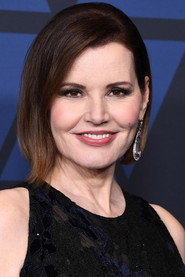 Geena DavisTess
 Hannah GrossYoung Marjorie
 Jon HammWalter
- India Reed KotisYoung Tess (as India Kotis)
 Leslie LylesMrs. Salveson
- Cashus MuseBartender
 Tim RobbinsJon
- Hana Colley2nd Generation Marjorie, Age 10 (as Hana May Colley)
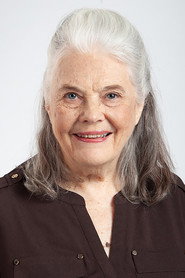 Lois SmithMarjorie
 Azumi Tsutsui2nd Generation Marjorie, Age 30
- Bill WaltersOld Jon (as W.A. Walters)
 Stephanie AndujarJulie
Directing
- Michael AlmereydaDirector
- Elizabeth SternScript Supervisor
Writing
- Jordan HarrisonTheatre Play
- Jordan HarrisonWriter
- Michael AlmereydaWriter
Production
- Billy HopkinsCasting
- Ashley IngramCasting Associate
- Tim RobbinsExecutive Producer
- Holly LiLocation Manager
- Uri SingerProducer
- Stephen TedeschiUnit Production Manager
Recommended by
Free Guy, Le Week-End, The Final Girls, Khush, A Thursday, Codependent Lesbian Space Alien Seeks Same